Introduction
There is nothing quite like stepping into a hot shower on a brisk Washington, DC morning only to be blasted with ice-cold water or unsettling rumbling noises echoing from your utility closet. If you live in the District, your plumbing infrastructure is constantly battling unique regional challenges, from historic rowhouse pipe configurations to aggressive mineral content in the municipal supply. Water heater flush routines are often neglected until a complete system failure disrupts your daily routine. Sediment buildup, calcification, and thermal stress silently choke your system, driving up utility bills and shortening the lifespan of your equipment. Recognizing these warning signs early empowers property owners to take proactive control before a minor maintenance oversight turns into a costly basement flood.
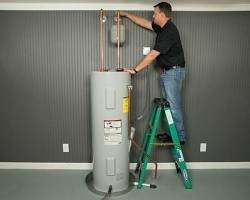
What Is a Water Heater Flush? Decoding the Mechanism
At its core, a water heater flush is the systematic process of draining, cleaning, and purging accumulated sediment, scale, and mineral debris from the bottom of a storage tank water heater.
In a standard tank water heater, cold water enters from the bottom, where a gas burner or electric heating element warms it up. As water heats, natural minerals—primarily calcium and magnesium—fall out of solution and settle at the bottom of the tank. Over time, this creates a thick layer of sediment.
When a tank is clean, heat transfers directly from the element or burner through the steel walls into the water. When sediment builds up, it acts as a thermal barrier between the heat source and the water. The burner or element has to work twice as hard, overheating the metal tank bottom, causing popping or rumbling noises, and ultimately leading to premature tank failure or leaks. Imagine boiling a pot of oatmeal with sand packed at the bottom; the bottom scorches while the top stays lukewarm. That is exactly what happens inside a neglected water heater in a typical Capitol Hill rowhouse or Northwest DC colonial.
Unique Expert Insights: Hard Truths Homeowners Learn Too Late
Experience in the field teaches lessons that standard manuals leave out. Keeping your water heater running smoothly requires navigating a few raw industry realities:
-
Temporary patch kits mask deeper system failures: Slapping tape or epoxy on a leaking tank nipple or corrosion seam only buys days before a catastrophic rupture occurs.
-
Chemical drain cleaners destroy components: Pouring harsh caustic chemicals into surrounding utility drains or attempting makeshift chemical descaling without proper neutralizing agents can degrade gaskets and valves.
-
Skipping annual flushes voids warranties: Most major water heater manufacturers explicitly state in their fine print that failure to perform routine sediment flushes voids the tank leak warranty.
-
Ignoring minor noises multiplies costs: A slight popping sound today signals heavy sediment baking onto the tank floor; ignoring it guarantees a premature full replacement within 12 to 18 months.
-
DIY drainage mistakes cause burns: Opening a hot tank valve without proper hose routing or pressure relief can spray scalding water across finished basements or utility rooms.
Financial Breakdown: Cost Factors & Investment Realities
Understanding the financial side of water heater maintenance helps you budget effectively and weigh repair versus replacement options:
-
Diagnostic and service call dispatch fees: Professional plumbers charge a standard travel or diagnostic fee to evaluate system health, check anode rods, and test pressure relief valves.
-
Sediment flush pricing: Routine standalone flushing and valve inspection is typically a straightforward flat-rate service, representing a fraction of emergency replacement costs.
-
Component replacements: If an annual flush reveals a corroded anode rod, a failing pressure relief valve, or a stuck drain valve, replacement parts and labor will adjust the final total.
-
Tank vs. Tankless maintenance economics: Tankless water heaters require specialized descaling kits and submersible pumps to cycle vinegar solutions through internal heat exchangers, carrying a slightly different service investment than standard tank flushes.
-
Replacement thresholds: If a tank is over 10 to 12 years old, severely corroded, and has never been flushed, investing in a flush can sometimes dislodge scale holding microscopic cracks together, making replacement the wiser financial path.
Critical Warning Signs: When Your Water Heater is Sounding the Alarm
Your water heater will rarely fail without giving you clues first. Pay close attention to these sensory indicators:
-
Auditory clues: Rumbling, popping, or snapping noises echoing from the tank indicate boiling water trapped beneath a thick layer of hardened mineral sediment.
-
Inconsistent water temperatures: If your hot water runs out halfway through a shower, sediment has reduced the tank's effective volume.
-
Discolored or metallic water: Rusty, brownish, or cloudy water coming from hot taps points to internal tank corrosion or a deteriorating sacrificial anode rod.
-
Leaking or dampness: Small puddles, moisture rings, or mineral crust forming around the base, top fittings, or temperature and pressure (T&P) relief valve demand immediate attention.
Root Causes: Why Sediment Builds Up in Washington, DC Homes
Water heater efficiency is heavily influenced by local environmental and municipal factors unique to the DC area:
-
Hard water mineral composition: The municipal water supply drawn from the Potomac and Patuxent rivers carries dissolved calcium and carbonate minerals that precipitate out rapidly under high heat.
-
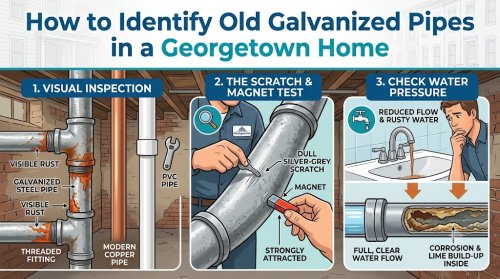
Aging infrastructure: Historic homes across neighborhoods like Dupont Circle, Georgetown, and Petworth often combine older plumbing supply lines with modern water heaters, accelerating mineral accumulation.
-
Thermal expansion stress: Frequent heating and cooling cycles cause steel tanks to expand and contract, encouraging sediment to bake onto the interior glass-lined walls.
-
High municipal water pressure: Fluctuating city water pressures put continuous stress on internal tank welds and expansion tanks, compounding sediment wear and tear.
Professional Diagnostic & Repair Workflow
When you partner with a licensed plumbing professional for water heater service, expect a systematic, code-compliant workflow:
-
Step 1: Non-Invasive Triage & Safety Isolation: The technician shuts off the gas supply or electrical breaker to the unit and inspects the general installation area for safety compliance.
-
Step 2: Precision Diagnostic & Digital Video Inspection: Technicians check water temperature output, test the T&P relief valve safety mechanism, and evaluate the condition of the sacrificial anode rod.
-
Step 3: Transparent, Upfront Options & Written Estimating: You receive a clear, flat-rate quote outlining whether a standard flush, anode rod replacement, or full unit upgrade is necessary.
-
Step 4: Code-Compliant Remediation: The plumber executes the flush safely using proper drainage routing, clears sediment blockages, and flushes the lines thoroughly.
-
Step 5: Pressure Testing & Flow Verification: The system is repressurized, air pockets are bled out, burner/element operation is verified, and the workspace is left immaculate.
Advanced Diagnostics: The Professional Tool Arsenal
Professional plumbing teams utilize specialized equipment to service water heaters safely and efficiently:
-
Thermal imaging cameras: Used to detect internal sediment lines, heat distribution anomalies, and hidden tank wall hot spots.
-
Digital manometers & pressure gauges: Measure incoming water pressure and verify that expansion tanks are properly charged to prevent thermal shock.
-
Submersible descaling pumps: Essential for tankless water heater flushing, rapidly circulating safe descaling solutions through internal coils.
-
Anode rod socket tools & torque wrenches: Heavy-duty extraction gear designed to remove rusted, factory-tightened anode rods without damaging surrounding tank fittings.
DIY Reality Check: What You Can Safely Fix vs. When to Step Back
Homeowners often wonder if they can handle water heater upkeep on their own. Here is how to navigate the boundaries safely:
-
Safe homeowner actions: Visually inspecting the unit monthly, testing the T&P relief valve lever (with caution), monitoring water temperatures, and keeping the area around the base clear of debris.
-
The danger zone: Opening a drain valve on a tank that hasn't been flushed in five years often results in a stuck valve, a stripped thread, or a flood of scalding water that cannot be stopped. Furthermore, working with gas supply lines or 240-volt electrical connections carries severe risks of gas leaks, carbon monoxide exposure, or electrical shock.
-
When to call a pro: If your drain valve is plastic and brittle, if you notice rust streaks running down the tank shell, or if the unit refuses to relight, it is time to drop the wrench and call a licensed expert.
Comprehensive Home Plumbing Maintenance Framework
Keep your entire home water system running smoothly with this seasonal maintenance routine:
-
Spring Maintenance: Inspect outdoor spigots for winter frost damage, test your sump pump operation, and check basement grading around your foundation.
-
Summer Maintenance: Check under sinks for slow leaks, inspect washing machine supply hoses for bulging, and verify your main water shut-off valve turns smoothly.
-
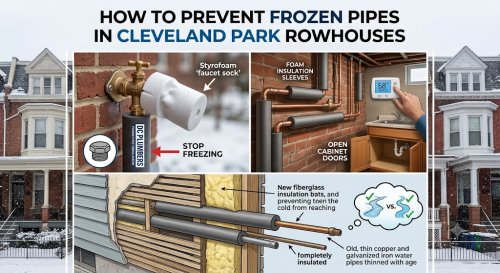
Fall Maintenance: Insulate exposed basement pipes against approaching cold snaps, test your water heater temperature settings, and clear debris from window wells.
-
Winter Maintenance: Run a professional water heater flush, check your pressure reducing valve (PRV) settings, and monitor fixtures for freezing vulnerability during sub-freezing polar plunges.
-
Year-Around Habits: Never pour grease down kitchen drains, install hair strainers in all showers, and avoid liquid chemical drain openers.
Emergency Protocol: When Immediate Dispatch is Non-Negotiable
Certain plumbing scenarios require immediate 24/7 professional intervention:
-
Active tank rupture: If the steel tank wall splits or bursts, flooding your basement or utility room, immediately shut off the cold water supply valve above the unit and cut the power.
-
Gas odor near the unit: If you smell sulfur or gas near a gas-fired water heater, evacuate the area immediately and call your utility provider or emergency services.
-
Electrical sparks or smoking control panels: Cut the circuit breaker instantly if you notice electrical burning odors or sparks coming from the water heater thermostat housing.
Frequently Asked Questions (FAQs)
How often should I flush my water heater in Washington, DC?
Because of the mineral content in the local municipal water supply, you should flush your standard tank water heater at least once a year. Homes with high water usage or older equipment may benefit from a semi-annual flush.
Can I flush my water heater myself?
While homeowners can attempt it, older tanks often feature brittle plastic drain valves that break easily when opened. If a valve snaps, high-pressure water will flood your home. Hiring a licensed plumber ensures safe drainage and a complete sediment clearance.
What are the signs my water heater needs flushing?
Common signs include popping or rumbling noises while heating, fluctuating water temperatures, milky or discolored hot water, and a noticeable drop in daily hot water capacity.
How long does a professional water heater flush take?
A standard professional tank flush typically takes between 45 to 60 minutes, depending on the size of the tank, the amount of accumulated sediment, and the accessibility of the unit.
Do tankless water heaters need to be flushed?
Yes! Tankless water heaters are just as vulnerable to scale buildup on their internal heat exchangers. They require a specialized descaling flush every 12 to 24 months to maintain peak energy efficiency.
What happens if I never flush my water heater?
Neglecting annual flushes allows heavy sediment to bake against the bottom of the tank, creating a thermal barrier that overheats the metal, causes premature tank failure, and ultimately leads to a leaking or burst tank.
Does a water heater flush lower my utility bills?
Yes. Removing the insulating layer of sediment allows the burner or heating element to heat water directly and efficiently, reducing run times and lowering monthly gas or electric utility bills.
Will flushing fix a leaking water heater tank?
No. Flushing only removes mineral sediment. If water is actively leaking through a crack in the steel tank wall or a corroded seam, the unit must be replaced.
Why Washington, DC Homeowners Trust Plumber in Washington DC
When plumbing challenges arise in the District, homeowners need reliable, transparent expertise. Our team stands out through a commitment to excellence:
-
Fully licensed, insured, and background-checked technicians: Every specialist entering your home is a vetted expert trained in local DC plumbing codes.
-
Upfront, flat-rate pricing: You receive clear, honest pricing before any work begins, ensuring zero hidden fees or surprise overtime charges.
-
State-of-the-art diagnostic equipment: We utilize modern thermal cameras, pressure testing gauges, and professional flushing gear to get the job done right the first time.
-
Deep local expertise: We understand the unique architectural quirks of DC homes—from historic rowhouses to modern condos—and the specific mineral profiles of local water.
-
Customer-first warranties: We stand firmly behind our craftsmanship with robust satisfaction guarantees and workmanship warranties.