High Water Bill in DC? Top Causes and How to Fix It
Notice a sudden jump in your water bill? Discover common causes like hidden leaks, running toilets, and how our DC plumbers can help you save.
Unexpectedly High Water Bills in Washington, DC
Opening your monthly water bill to find a number significantly higher than usual is a frustration every homeowner dreads. In a city like Washington, DC, where water rates are managed and infrastructure ranges from historic row houses to modern high-rise condos, an unexplained spike in usage often indicates that something is wrong behind the scenes. Whether you reside in the heart of Capitol Hill or a quiet street in Northwest DC, water is a precious and costly resource. When your usage balloons without any change in your habits, it’s not just a drain on your wallet—it’s often a warning sign of a plumbing issue that could cause significant damage if left unaddressed. Homeowners search for answers to this problem because immediate detection can prevent everything from minor maintenance headaches to catastrophic structural failures.
What Is a High Water Bill Spike?
A high water bill spike is an unexplained increase in your utility costs that does not align with your actual water consumption. If you haven't recently filled a pool, started a major landscaping project, or hosted a large houseful of guests, an inflated bill is almost always a sign of a plumbing system compromise.
Common Situations and Symptoms
-
Constant Running: You hear water constantly running or hissing near your toilet or water heater.
-
Wet Spots: You discover damp areas in your yard or unexpected moisture on interior walls.
-
Low Pressure: You notice a sudden, inexplicable drop in water pressure throughout the house.
-
Meter Movement: Your water meter continues to tick even when every tap and appliance in your home is turned off.
Why Does This Plumbing Problem Happen?
While sometimes bills rise due to rate adjustments, a sudden jump usually points to a mechanical failure or leak.
Common Causes and Contributing Factors
-
Running Toilets: A faulty flapper or fill valve is the most frequent culprit. It can waste hundreds of gallons per day silently.
-
Hidden Pipe Leaks: Pinholes in copper or PEX lines—whether in your basement, walls, or under your concrete slab—bleed water steadily.
-
Aging Fixtures: Old, inefficient faucets and showerheads are often the silent "leakers" that drive up consumption over time.
-
Outdoor Line Leaks: Leaks in the service line running from the street to your house are notoriously difficult to spot until the bill arrives.
-
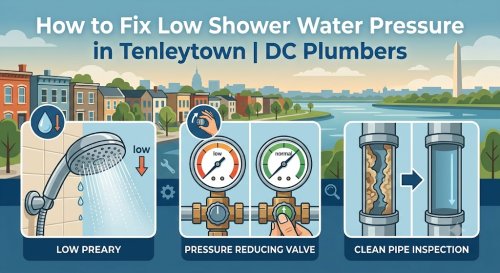
High Water Pressure: If your home's Pressure Reducing Valve (PRV) has failed, your pipes are operating at excessive pressure, which accelerates leaks and increases water volume usage.
Signs You Should Never Ignore
Do not assume a high bill is just a one-time error. Watch for these signals:
-
Damp Walls or Floors: Any discoloration or moisture on drywall, baseboards, or flooring is a red flag.
-
Mold Growth: Hidden leaks provide the moisture needed for mold to thrive, often behind walls.
-
Strange Noises: Hissing or rushing sounds inside walls when no water is running are unmistakable indicators of a pressurized leak.
-
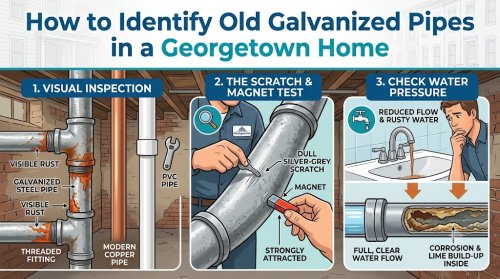
Discolored Water: Rust-colored water can indicate corrosion within your pipes, often accompanying internal leaks.
Common Plumbing Problems Related to This Issue
A sudden high bill is often tied to:
-
Slab Leaks: Water leaking beneath your foundation.
-
Water Heater Failure: A leaking tank drain valve or internal corrosion.
-
Main Line Ruptures: Large volume water loss between your meter and your home.
Step-by-Step Professional Repair Process
When you call Plumber in Washington DC for a high bill investigation, we use a structured process:
-
Step 1: Inspection: A comprehensive walk-through to check all visible fixtures.
-
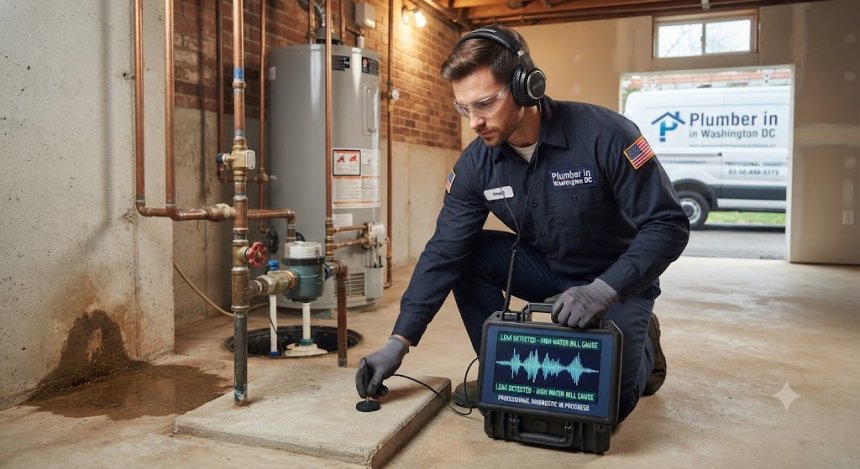
Step 2: Diagnosis: We use professional acoustic leak detection equipment to "listen" for leaks inside walls and under floors.
-
Step 3: Estimate: You receive a transparent breakdown of the problem and the recommended repair.
-
Step 4: Repair: We fix the source—whether it’s replacing a valve, patching a pipe, or rerouting a line.
-
Step 5: Testing: We confirm the water meter is stable.
-
Step 6: Cleanup: We leave your home tidy.
-
Step 7: Maintenance Advice: Tips to prevent future spikes.
Can You Fix It Yourself?
You can perform some basic checks before calling us:
-
The Meter Test: Turn off all faucets. If the meter still moves, you have a leak.
-
The Food Dye Test: Place food coloring in your toilet tank. If color appears in the bowl without flushing, your toilet is leaking.
-
Check Outdoor Spigots: Ensure all hoses are tight and not dripping.
When to call a pro: If the meter test indicates a leak but you cannot find it, do not attempt to open walls or dig. Professional equipment is required to pinpoint underground leaks.
Tools Professionals Use
-
Acoustic Leak Detectors: To pinpoint the exact location of hissing pipes.
-
Thermal Imaging: To find hot water leaks hidden behind insulation or concrete.
-
Pipe Locators: To trace the path of underground lines without heavy digging.
How Long Does the Repair Usually Take?
-
Simple toilet valve replacement: 30–60 minutes.
-
Locating and fixing a wall leak: 2–4 hours.
-
Main line/Slab leak repair: Can take 1–2 days depending on site accessibility.
Cost Factors
Costs are influenced by leak location, the complexity of the repair, necessary permits, and the materials needed for restoration. We prioritize the most efficient, least invasive solutions.
Hidden Truths Homeowners Should Know
-
A pinhole leak wastes thousands of gallons a month.
-
Insurance often covers the resulting water damage but not the pipe repair itself.
-
Annual maintenance is the cheapest insurance policy against a surprise bill.
15 Common Mistakes Homeowners Make
-
Ignoring a "silent" running toilet.
-
Using chemical drain cleaners that eat through old pipes.
-
Ignoring the "damp" smell in the basement.
-
Failing to check outdoor irrigation systems for leaks.
-
Hiring unlicensed handypersons to save money.
-
Not knowing where the main water shut-off valve is.
-
Ignoring water pressure spikes.
-
Leaving hoses connected in winter (causing burst pipes).
-
Assuming a high bill is just "seasonal" usage.
-
Using the wrong pipe repair clamps.
-
Not testing the pressure reducing valve (PRV).
-
Failing to check the water heater drain valve.
-
Skipping annual plumbing inspections.
-
Trying to solder pipes without proper training.
-
Waiting for a disaster to happen.
Maintenance Tips
-
Test your toilets annually.
-
Monitor your meter regularly.
-
Check hose bibs every spring.
-
Install water leak sensors near water heaters and washing machines.
-
Know your home's age and plan for pipe replacement accordingly.
When Should You Call an Emergency Plumber?
Call immediately if you notice sudden, rapid water loss, flooding in your basement, or if your water pressure drops to zero.
Frequently Asked Questions
-
Why is my water pressure low? Could be a main line leak.
-
How much does leak detection cost? It depends on the scale of the system.
-
Can a leak damage pipes? Yes, erosion happens quickly.
-
Is hydro jetting safe? Only after a camera inspection.
-
How do I know if my sewer line is broken? Water backups or odors.
-
How long do heaters last? 8–12 years.
-
Why does my faucet drip? Failed internal washers.
-
What causes pipes to burst? Freezing and high pressure.
-
Can leaks increase my bill? Yes, significantly.
-
When to replace vs. repair? If pipes are heavily corroded.