What to Do During a Sewer Backup in Washington, DC
Facing a sewer backup in Washington, DC? Discover immediate steps, warning signs, causes, professional repair options, and tips.
What to Do During a Sewer Backup in Washington, DC: Essential Guide
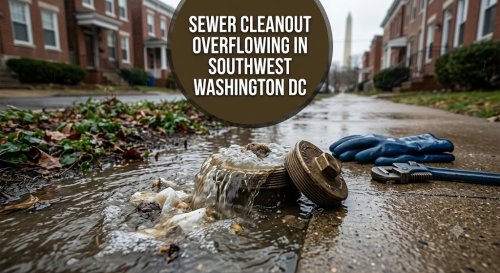
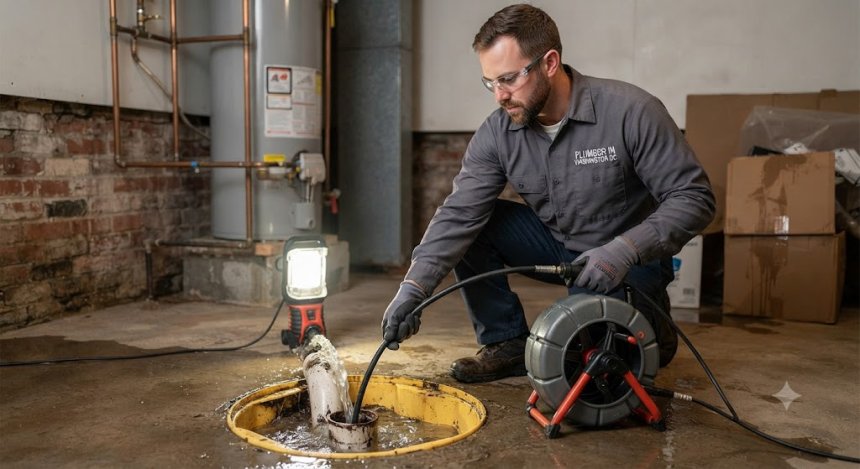
Experiencing a raw sewage overflow in your basement or ground-level bathroom is every property owner’s worst nightmare. For residents across Washington, DC, Capitol Hill, Georgetown, Adams Morgan, and surrounding District neighborhoods, older municipal infrastructure and historic property plumbing can turn a heavy rainstorm or a blocked lateral line into an indoor flood.
When wastewater stops flowing outward and starts forcing its way backward into your living space, quick and informed action is critical. At Plumber in Washington DC, our licensed plumbing professionals help homeowners navigate these high-stress emergencies safely, protecting their health, property, and structural integrity.
What Is a Sewer Backup?
A sewer backup occurs when wastewater from your home's plumbing fixtures is blocked from exiting through the main underground sewer line, forcing raw sewage, greywater, and debris to reverse direction and emerge through the lowest drains in your property.
Common situations involve homeowners flushing a toilet or running a washing machine only to watch foul-smelling water bubble up into the basement floor drain or shower stall. Symptoms range from a single slow-draining utility sink to widespread pooling of contaminated water across lower-level flooring. For example, if multiple plumbing fixtures gurgle or overflow simultaneously, you are dealing with a main sewer backup rather than a localized fixture clog.
Why Does This Plumbing Problem Happen?
Sewer lines in the District of Columbia handle heavy daily burdens, often combining modern demands with century-old infrastructure. Several primary causes lead to catastrophic backups:
-
Tree Roots: Mature willow, oak, and maple trees lining historic DC streets send aggressive roots into microscopic cracks or joint gaps in older clay and cast-iron sewer pipes.
-
Aging Infrastructure: Historic properties throughout neighborhoods like Capitol Hill and Dupont Circle often feature deteriorating terra-cotta or degraded metal sewer mains that sag or collapse.
-
Flushing Non-Flushable Items: Disposing of "flushable" wipes, paper towels, feminine hygiene products, and cotton swabs creates dense, impenetrable blockages.
-
Grease and Fat Buildup: Pouring cooking oils and fats down kitchen sinks causes them to solidify inside cold underground pipes, trapping food scraps.
-
Heavy District Storms: Severe regional rainstorms can overwhelm combined municipal sewer systems, sending stormwater rushing backward into residential lateral connections.
-
Ground Shifting: Soil settling and seasonal temperature shifts strain rigid underground pipe networks, creating offset joints.
Signs You Should Never Ignore
Recognizing early warning signs gives you a vital window to address plumbing failures before raw sewage floods your floors:
-
Multiple Slow Drains: When your kitchen sink, bathtub, and toilets all drain sluggishly at the same time, the bottleneck is in your main line.
-
Foul Sulfur Odors: Persistent, unpleasant sewer gases lingering around basement drains, floor traps, or your front yard indicate a venting failure or pipe break.
-
Strange Gurgling Sounds: Hearing bubbling or gulping noises from toilet bowls when a washing machine drains means trapped air is escaping the system.
-
Soggy Yard Patches: Unexplained wet spots, foul-smelling depressions, or exceptionally lush green grass patches directly above your outdoor sewer line run.
-
Backup in Lowest Fixtures: Water or raw sewage pooling inside basement floor drains, utility tubs, or ground-level showers.
Common Plumbing Problems Related to This Issue
A major sewer backup frequently highlights or triggers other severe structural and plumbing complications:
-
Drain Clogs: Persistent branch-line obstructions in kitchen and bathroom pipes that refuse to stay cleared.
-
Pipe Leaks and Bursts: Intense hydrostatic pressure cracking aging supply and drain lines behind walls.
-
Slab Leaks: Compromised under-slab drainage systems leaking contaminated water into foundation subfloors.
-
Fixture Damage: Raw sewage stains ruining hardwood flooring, drywall, baseboards, and custom cabinetry.
Step-by-Step Professional Repair Process
When you contact Plumber in Washington DC, our licensed team follows a thorough, industry-compliant process to restore safety and functionality:
-
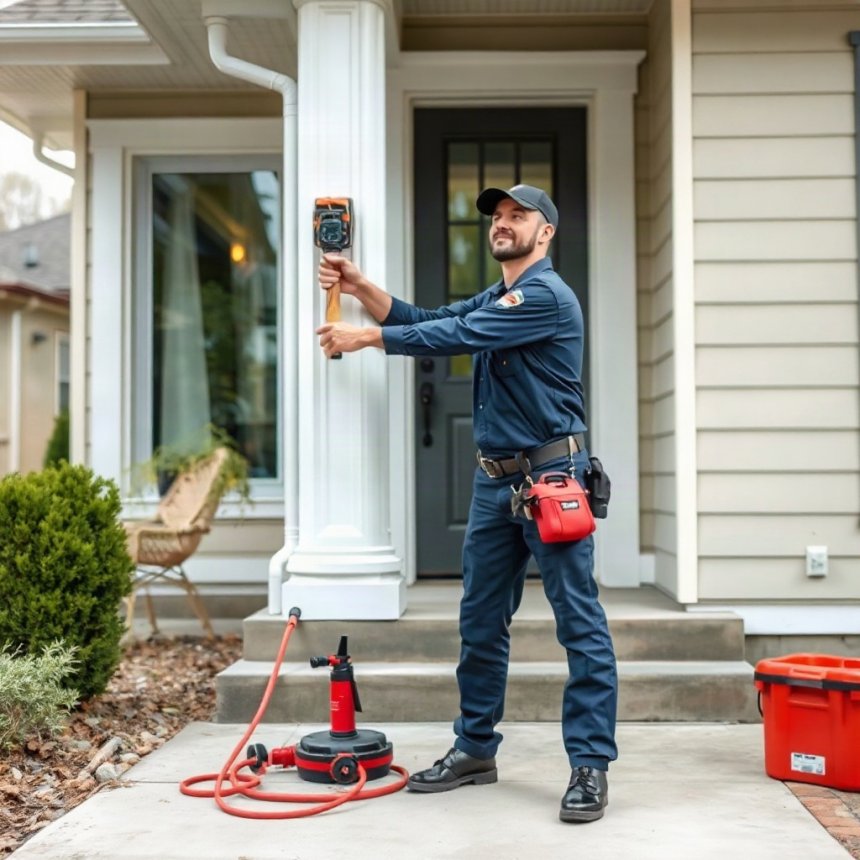
Step 1: Inspection: We utilize high-definition sewer cameras to visually inspect the interior of your main line and locate the exact obstruction or structural failure.
-
Step 2: Diagnosis: We analyze camera footage to determine whether the backup stems from root intrusion, heavy grease, pipe collapse, or municipal overload.
-
Step 3: Estimate: We provide a transparent, upfront cost estimate detailing whether hydro jetting, targeted spot repairs, or trenchless replacement is necessary.
-
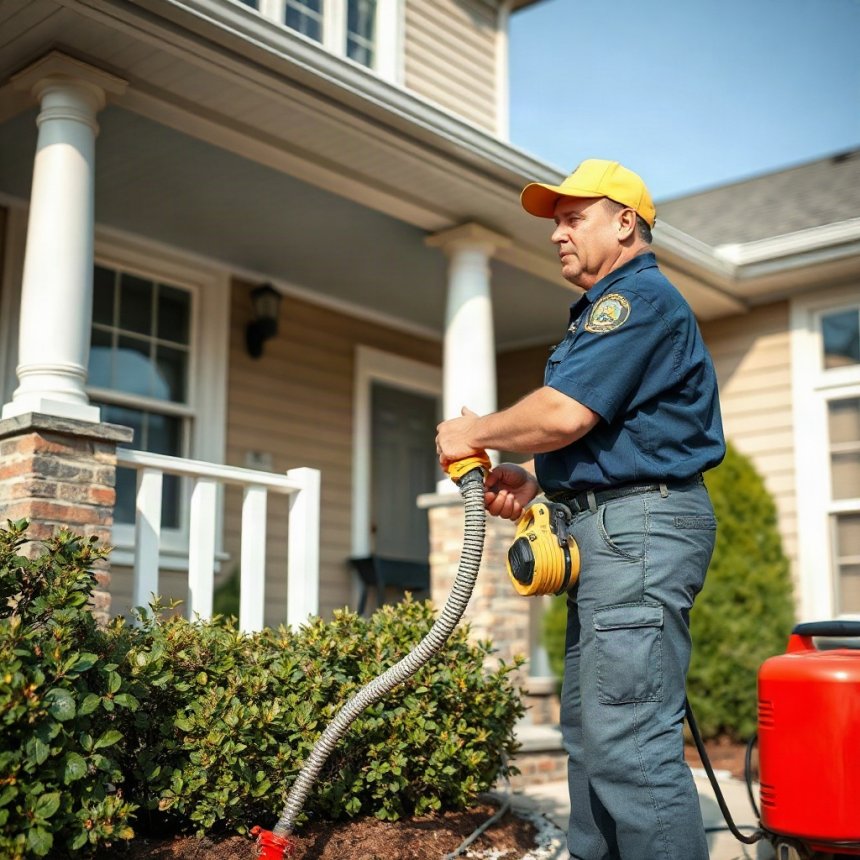
Step 4: Repair: We execute the agreed-upon solution using professional-grade equipment, clearing blockages or rehabilitating damaged pipe sections.
-
Step 5: Testing: We perform a follow-up camera pass and flow test to verify that the line is completely open and draining smoothly.
-
Step 6: Cleanup: We sanitize affected work zones and ensure your property is left clean and safe.
-
Step 7: Maintenance Advice: We offer tailored guidance on preventing future backups and scheduling preventative cleaning.
Can You Fix It Yourself?
Property owners frequently ask if they can clear a severe sewer backup using store-bought chemical drain openers or a manual hand snake. The absolute answer is no.
Chemical drain cleaners contain caustic acids or lye that cannot cut through dense tree roots, compacted wipes, or broken pipes. Worse, these chemicals sit pooled in the blocked pipe, creating extreme splash-back hazards for anyone attempting manual intervention later. Additionally, rental hand snakes lack the length and torque required to clear main lines, frequently getting stuck or puncturing fragile historic pipes. Always rely on licensed professionals equipped with commercial machinery.
Tools Professionals Use
Modern plumbing relies on advanced technology to diagnose and resolve underground sewer issues with pinpoint accuracy:
-
Fiber-Optic Sewer Cameras: Waterproof push-cameras equipped with sonde transmitters that display interior pipe conditions on digital monitors.
-
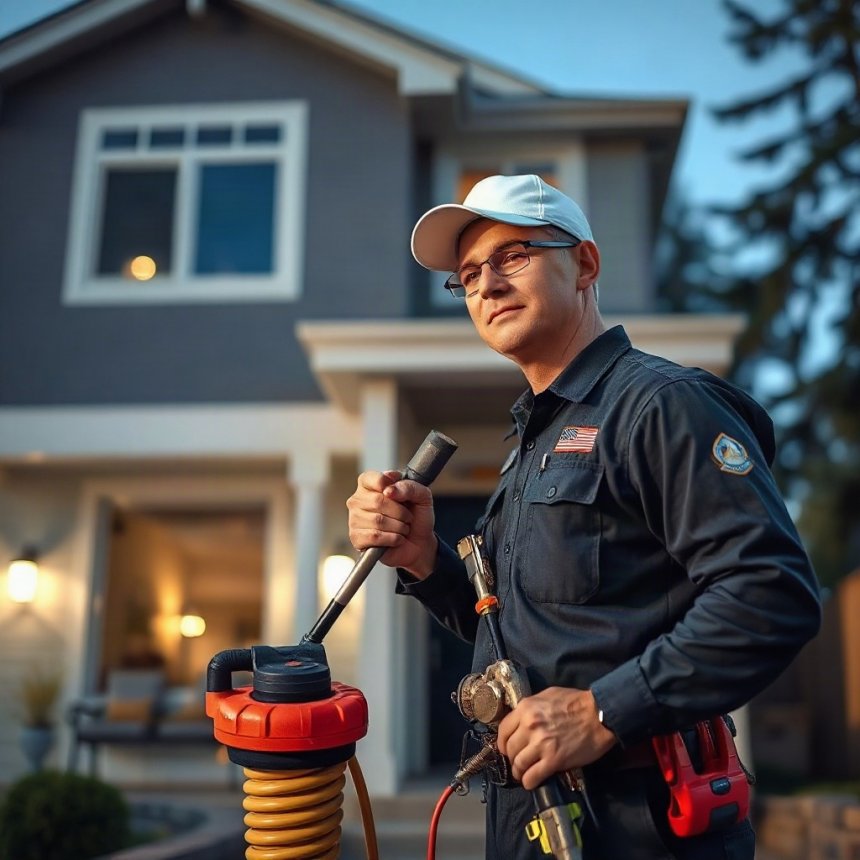
Hydro Jetting Equipment: High-pressure water blasters (delivering up to 4,000 PSI) that scour pipe walls clean of scale, grease, and invasive roots.
-
Electronic Pipe Locators: Surface receivers that track camera heads to find the exact depth and location of underground damage, preventing unnecessary digging.
-
Trenchless Pipe Lining Systems: Epoxy-resin technology that creates a brand-new pipe inside the old one without excavating your landscaping or paving.
How Long Does the Repair Usually Take?
Repair timelines depend heavily on the severity of the obstruction and the required fix:
-
Camera Inspection and Hydro Jetting: 1 to 3 hours.
-
Spot Repair or Pipe Patching: 4 to 8 hours.
-
Trenchless Sewer Lining: 1 to 2 days.
-
Traditional Excavation and Full Replacement: 2 to 4 days, depending on utility depth and District street permitting.
Cost Factors
Plumbing repair costs vary depending on the severity of the problem, accessibility, materials required, emergency service, property type, and local labor rates. Major cost variables include:
-
Diagnostic Fees: Comprehensive camera inspections to map the line.
-
Depth and Location: Deep lines or pipes running beneath concrete walkways, historic paving, or basements require specialized labor.
-
Repair Method: Standard hydro jetting versus trenchless structural lining or full excavation.
-
Municipal Permits: Required District permits for main sewer tie-ins and street excavation.
Hidden Truths Homeowners Should Know
Expert Insight: Main sewer lines fail gradually over decades. By the time sewage backs up into your basement, the underground damage has usually been worsening for years.
-
Small slow drains often disguise massive root invasions waiting to trigger total blockages.
-
Chemical drain cleaners warp PVC pipes and chemically degrade vintage cast-iron joints.
-
Homeowner insurance policies frequently deny claims resulting from neglected, root-damaged sewer lines.
-
Tree roots will return repeatedly unless mechanical removal is followed by preventative treatments or physical pipe sealing.
-
Delaying sewer repairs leads directly to foundational erosion, mold growth, and structural rot.
15 Common Mistakes Homeowners Make
-
Ignoring slow-draining fixtures: Hoping a sluggish basement floor drain will clear itself.
-
Pouring chemical cleaners down backed-up sinks: Risking chemical burns and pipe destruction.
-
Flushing wet wipes: Believing marketing claims that synthetic wipes are safe for sewer systems.
-
Pouring cooking grease into kitchen drains: Allowing fats to congeal and trap solid debris.
-
Planting large trees near sewer lines: Inviting aggressive root systems into vulnerable pipe joints.
-
Hiring unlicensed handymen: Risking substandard repairs that fail District inspections.
-
Skipping video inspections: Guessing at the problem instead of visually verifying pipe conditions.
-
Waiting until total emergency backups occur: Paying premium emergency rates for avoidable damage.
-
Using incorrect pipe materials for DIY patches: Mismatching PVC and cast iron without proper transitions.
-
Over-tightening cleanout plugs: Cracking access fittings and creating secondary leaks.
-
Neglecting routine maintenance: Failing to clean lines every few years in heavy tree-root zones.
-
Ignoring gurgling sounds: Overlooking early acoustic warning signals.
-
Failing to locate main property cleanouts: Losing precious response time during a flood.
-
Disregarding local soil shifts: Ignoring how regional clay soils impact underground plumbing alignment.
-
Forgetting to check warranty coverage: Failing to verify workmanship guarantees on recent plumbing work.
Maintenance Tips
Protect your property across Washington, DC, Capitol Hill, Georgetown, Adams Morgan, and surrounding neighborhoods with these proactive practices:
-
Schedule an annual professional sewer camera inspection if you have mature trees on your property.
-
Never pour cooking oil, grease, coffee grounds, or starchy foods down kitchen drains.
-
Install hair and debris catchers in all shower, tub, and laundry drain lines.
-
Educate family members to flush only human waste and standard toilet paper.
-
Know the exact location of your main sewer cleanout plug on your property exterior or basement.
-
Consider installing root inhibitor treatments around vulnerable clay pipe joints.
-
Avoid planting water-hungry trees near underground utility lines.
-
Flush your main lines with plenty of cold water after heavy kitchen disposal use.
-
Monitor your water bill for unexplained baseline usage increases.
-
Keep heavy vehicles off unreinforced yard areas overlying shallow sewer runs.
-
Insulate exposed basement cleanout access points during freezing winter weather.
-
Hire licensed professionals for any major property additions to prevent building over sewer lines.
-
Clear autumn leaves and debris away from exterior area drain grates.
-
Check basement sump pump systems regularly before heavy seasonal storms arrive.
-
Keep emergency plumbing contact numbers saved in your phone for rapid response.
When Should You Call an Emergency Plumber?
Certain situations require immediate professional dispatch, day or night:
-
Raw sewage actively overflowing into living spaces, basements, or commercial floors.
-
Complete drainage failure across every plumbing fixture in your home or business.
-
Foul, overwhelming sewer gas odors permeating the interior structure.
-
Severe structural ground depression or sinkholes opening up in your yard near the sewer line run.
Frequently Asked Questions
Why is my water pressure suddenly low?
Sudden low pressure is typically caused by clogged faucet aerators, a partially closed main water valve, or a failing pressure regulator in your home.
How much does leak detection cost?
Leak detection costs vary based on the complexity and location of the leak. Advanced acoustic and thermal equipment allows specialists to pinpoint hidden issues efficiently.
Can a clogged drain damage pipes?
Yes. Severe clogs create immense hydrostatic pressure within plumbing lines, which can force joints apart or crack older pipes.
Is hydro jetting safe for old pipes?
Hydro jetting is highly effective, but an experienced plumber must first inspect your pipes with a camera to ensure the material is structurally sound enough to handle high-pressure water.
How do I know if my sewer line is broken?
Common signs include multiple backed-up drains, foul sulfur odors in your yard, soggy patches of grass during dry weather, and gurgling toilets.
How long do water heaters last?
Traditional tank water heaters typically last between 8 to 12 years, while tankless systems can last upwards of 20 years with proper annual maintenance.
Why does my faucet drip?
A dripping faucet is usually caused by a worn-out rubber washer, O-ring, or corroded valve seat inside the fixture mechanism.
What causes pipes to burst?
Pipes most commonly burst due to water freezing and expanding inside uninsulated lines during severe winter freezes, or from severe root intrusion and aging corrosion.
Can plumbing leaks increase my water bill?
Absolutely. Even a small, silent leak from a toilet flapper or underground pipe fitting can waste thousands of gallons of water every month.
When should I replace plumbing instead of repairing it?
If your plumbing system experiences frequent leaks, consists of outdated pipe materials, or is over 25 years old, a whole-house repipe or sewer replacement is more cost-effective than continuous patch repairs.