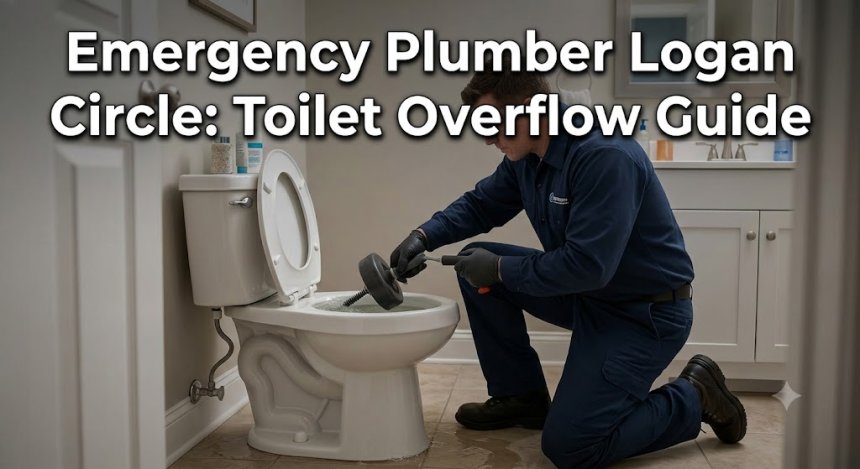
Emergency Plumber Logan Circle: Toilet Overflow Guide
Toilet overflowing in Logan Circle, DC? Learn immediate emergency steps, root causes, costs, repair steps, and when to call a professional plumber.
What to Do When a Toilet Overflows in Logan Circle
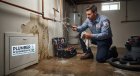
Few household emergencies create instant panic quite like an overflowing toilet. Water rising toward the rim of a porcelain bowl—and spilling over onto bathroom tile—demands immediate, focused action. In Logan Circle, where historic late 19th-century Victorian row homes share plumbing footprints with modern luxury condo conversions along 14th Street and P Street NW, a toilet overflow can quickly escalate from a single-room mess to structural water damage affecting multiple floors or neighboring units.
When wastewater overflows, every second counts. Knowing how to stop the flow within 30 seconds, recognizing whether the problem stems from a simple localized clog or a main sewer lateral backup, and understanding when to call an emergency plumber in Logan Circle will save thousands of dollars in water restoration costs. This comprehensive guide walks you through immediate emergency containment, root causes, professional diagnostic tools, repair timelines, and preventative habits.
What Is a Major Toilet Overflow Emergency?
A toilet overflow occurs when the volume of water entering the bowl from the tank exceeds the discharge capacity of the trapway and waste line. Instead of flushing down into the drain, wastewater backs up, fills the bowl, and spills onto the floor.
While a minor clog might cause water to rise temporarily before slowly draining away, a true emergency overflow involves continuous water flow or immediate blackwater backup from the main sewer system.
Common Situations in Logan Circle Properties
-
Multi-Unit Vertical Stack Backups: In converted Victorian condominiums, a obstruction in the shared vertical cast iron soil stack can cause wastewater from upper units to back up into the lowest toilet in the building.
-
Low-Flow Toilet Mechanical Jams: Modern high-efficiency toilets installed during historic property renovations can jam when non-flushable materials are introduced into narrow 2-inch trapways.
-
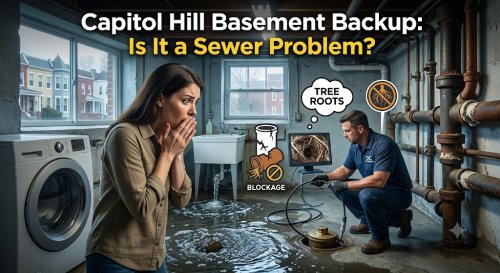
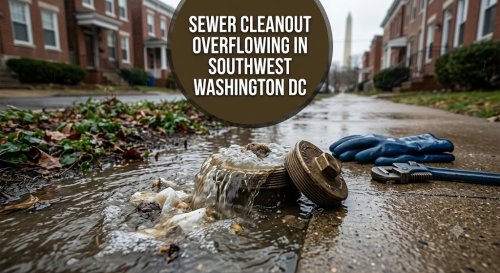
Sewer Main Obstructions: Tree roots or collapsed main lateral lines beneath street pavements forcing municipal or property wastewater backward into basement and terrace-level bathrooms.
Key Symptoms of an Severe Overflow
-
Water filling rapidly to the top rim during a single flush.
-
Gurgling sounds coming from nearby shower drains, bathtubs, or bathroom sinks when the toilet is flushed.
-
Sewage or dark, foul-smelling water backing up into the bowl without anyone actively flushing.
-
Water level in the bowl fluctuating wildly when wind blows or other fixtures are used.
-
Bubbles rising through the standing bowl water during drain usage elsewhere in the home.
Why Does This Plumbing Problem Happen in Logan Circle?
Toilet overflows in Logan Circle homes are rarely isolated glitches. They are usually caused by specific physical blockages, structural pipe conditions, or fixture wear common across central Washington, DC neighborhoods.
                  [Primary Overflow Causes]
                             │
     ┌───────────────────────┼───────────────────────┐
     ▼                       ▼                       ▼
[Foreign Objects]    [Aging Cast Iron]      [Sewer Line Tree Roots]
Wipes, paper towels,   Decades of rust,       Historic urban tree
and dense paper        scale, & structural    canopies invading
blocking trapway.      pipe narrowing.        underground pipes.
1. Flushing Non-Flushable Materials
The most frequent cause of an immediate toilet clog is flushing items that do not break down in water. Products labeled "flushable wipes" do not disintegrate like toilet paper. Over time, wipes, paper towels, feminine hygiene products, dental floss, and facial tissues catch on pipe interior walls, creating tight, impenetrable plugs inside the toilet trapway or drain line.
2. Aging Cast Iron Waste Stacks
Many historic properties throughout Logan Circle, Shaw, and Dupont Circle still rely on original or mid-century cast iron drain lines. Over decades, cast iron undergoes internal tuberculation—a process where rust and mineral scale form rough, jagged nodules along the inside of the pipe. These rough patches snag toilet paper and organic waste, narrowing the drain channel until a complete blockage occurs.
3. Tree Root Intrusion in Main Sewer Laterals
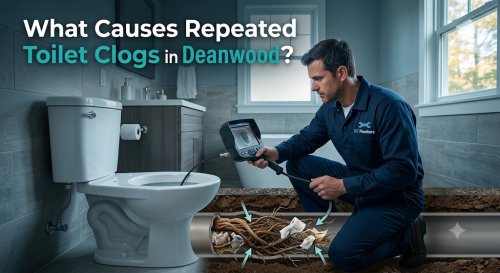
Logan Circle’s historic street trees add character to the neighborhood, but their deep root systems constantly seek moisture and nutrients. Micro-cracks in aging clay or cast iron sewer laterals running from the house to the DC Water main permit fine root tendrils to enter. Once inside, root masses grow rapidly, trapping solids and causing severe whole-house sewer backups.
4. Flapper and Fill Valve Failures
A mechanical fault inside the toilet tank can turn a minor blockage into a major flood. If the fill valve sticks in the open position while the flapper remains open or misaligned, pressurized water from the supply line will continue filling the tank and bowl endlessly, cascading over the rim onto the floor.
5. Broken or Sagging Drain Lines (Belly in Pipe)
Sifting soil, architectural settling, or heavy traffic along city streets can cause underground sewer pipes to sag or form a "belly." Standing water accumulates in this low spot, allowing solids to settle out of suspension until the line chokes completely.
Signs You Should Never Ignore
Plumbing systems usually provide warning signals before a complete overflow event occurs. Spotting these signs early prevents major interior flooding:
| Warning Indicator | What It Signifies | Immediate Recommended Action |
| Gurgling Toilet Bowl Water | Trapped air in the waste stack due to a developing mainline clog | Refrain from flushing; schedule drain inspection |
| Water Rising in Tub During Flush | Shared branch line or main sewer line is blocked downstream | Stop using all water fixtures immediately |
| Slow Draining Toilet Bowl | Partial obstruction in the toilet trapway or vent stack | Plunge gently; avoid flushing a second time |
| Foul Sewer Gas Smells | Dry trap or sewer line breach venting gas back into living space | Check water levels in all traps and floor drains |
| Wet Base Around Toilet Porcelain | Worn wax ring seal or micro-fracture in porcelain base | Replace wax ring and inspect flange stability |
| Frequent Need to Plunge | Structural pipe narrowing or deep drain line root intrusion | Perform camera inspection of main waste line |
Common Plumbing Problems Related to Overflowing Toilets
When a toilet overflows, the damage is rarely confined to the porcelain bowl itself. Several interconnected plumbing problems can develop simultaneously:
-
Wax Ring Blowout & Floor Leaks: High water pressure built up inside a clogged toilet base can compromise the beeswax seal beneath the toilet. Water then seeping under the base damages subflooring and drips down into lower-level ceilings.
-
Drain Vent Stack Clogs: Roof vent stacks allow air to balance pressure in drain lines. If birds' nests, leaves, or debris block the vent on the roof, toilet flushes pull vacuum pockets, leading to slow drainage and bowl overflows.
-
Subfloor Structural Rot: Repeated small overflows saturate floor joists, plywood subfloors, and ceiling drywall in lower units, creating dangerous structural weaknesses over time.
-
Sewer Backflow Hazards: A main lateral block can push untreated municipal sewage up through basement floor drains, showers, and low-lying toilets, creating severe health hazards.
Step-by-Step Professional Repair Process
When an emergency plumber arrives at your Logan Circle home to address an overflowing toilet, they execute a clear, systematic restoration and repair process:
[Step 1: Immediate Flow Containment & Isolation]
                           │
                           ▼
[Step 2: Diagnostic Evaluation & Pressure Assessment]
                           │
                           ▼
[Step 3: Mechanical Augering or High-Pressure Clearing]
                           │
                           ▼
[Step 4: Fiber-Optic Drain Camera Inspection]
                           │
                           ▼
[Step 5: Wax Ring & Flange Integrity Testing]
                           │
                           ▼
[Step 6: Flow Testing & Sanitization Advice]
Step 1: Containment and Shutoff Inspection
The plumber immediately verifies that the toilet shutoff valve (angle stop) is fully functional and cut off, preventing any additional water from entering the tank or bowl.
Step 2: Diagnostic Assessment
The technician determines whether the overflow is isolated to the fixture trapway or involves the branch line or main building sewer stack.
Step 3: Mechanical Augering / Clearing
Using a heavy-duty closet auger equipped with a protective vinyl guard, the plumber clears trapway blockages without scratching the porcelain. For deeper line blockages, power drain snakes or hydro-jetting equipment are deployed through cleanout ports.
Step 4: Camera Line Inspection
A waterproof, high-definition camera is fed down the drain line to evaluate the interior condition of the pipe, identifying pipe sags, root intrusion, or cracked cast iron stacks.
Step 5: Porcelain Seal & Flange Inspection
If water has leaked beneath the base, the plumber pulls the toilet to inspect the brass/pvc closet flange, replaces the damaged wax ring, installs new closet bolts, and resets the fixture securely.
Step 6: Functional Testing and Cleanup
The toilet is flushed repeatedly with toilet paper testing packs while checking for leaks, proper water levels, and rapid bowl drainage.
Can You Fix It Yourself?
When a toilet begins to overflow, fast action can prevent a major disaster. However, knowing what you can safely handle—and when to stop—is essential.
Safe Emergency Steps Every Homeowner Should Take Immediately
-
Stop the Water Flow (First 15 Seconds):
Reach behind the toilet base, locate the oval emergency shutoff valve (angle stop) on the wall, and turn it clockwise until it stops. If the valve is stuck or rusted, open the tank lid, lift the float cup/ball manually to stop filling, and clip the fill tube shut.
-
Never Flush a Second Time:
If the bowl is full, flushing again will force a second tankful of water (1.5 to 3 gallons) over the top edge and onto your floor.
-
Use a Flange or Accordion Plunger Correctly:
Standard flat cup plungers are designed for flat sink drains. Use a heavy-duty toilet plunger with a fold-out rubber flange to form a tight seal inside the bowl drain hole. Push down gently to release air, then plunge firmly up and down for 15 to 20 seconds.
-
Remove Excess Water:
Use a small bucket or plastic cup to bail excess water out of the bowl into a bucket before plunging to prevent splashing contaminated water onto surrounding tile or baseboards.
When DIY Attempts Become Dangerous
-
Avoid Chemical Drain Cleaners: Never pour caustic drain cleaning chemicals into an overflowing toilet. These chemicals generate intense heat that can crack vintage porcelain bowls, destroy rubber seals, and splash dangerous acids back onto your skin during plunging attempts.
-
Stop Plunging If Water Rises Elsewhere: If plunging the toilet causes water or waste to bubble up into your shower stall or sink drain, stop immediately. You are dealing with a main sewer line blockage that plunging cannot clear and will only spread sewage across your home.
-
Do Not Force Stiff Shutoff Valves: Forcing an old, corroded shutoff valve behind a historic row house toilet can snap the copper supply stub out of the wall, creating a massive, pressurized water leak.
Tools Professional Plumbers Use
Professional plumbers rely on specialized commercial equipment to clear stubborn blockages and repair underlying drain defects safely:
-
Heavy-Duty Closet Augers: A flexible, steel cable snake surrounded by a protective sheath that navigates porcelain trapways smoothly to hook and break up deep obstructions without damaging the toilet finish.
-
Fiber-Optic Sewer Cameras: Self-leveling digital cameras with real-time locator transmitters sent down waste lines to display structural cracks, offsets, and root intrusions on external monitors.
-
Hydro-Jetting Systems: High-pressure water propulsion units operating at up to 4,000 PSI to strip grease, scale, and organic sludge clean off the inside walls of cast iron and PVC pipes.
-
Motorized Drain Snakes (Cables): Heavy industrial auger machines designed to cut through dense tree roots and solid pipe obstructions up to 100 feet down main sewer laterals.
How Long Does the Repair Usually Take?
The time required to resolve a toilet overflow depends directly on the location and severity of the blockage:
-
Simple Trapway Clog Removal: 30 to 45 minutes.
-
Resetting Toilet with New Wax Ring & Hardware: 1 to 2 hours.
-
Clearing Main Branch Line or Stack Blockage: 1.5 to 3 hours.
-
Sewer Main Hydro-Jetting & Camera Inspection: 2 to 4 hours.
-
Full Sewer Lateral Repair / Replacement: 1 to 3 days.
Cost Factors in Emergency Toilet Repairs
Understanding the variables that influence plumbing repair bills helps property owners manage emergency situations transparently.
Plumbing repair costs vary depending on the severity of the problem, accessibility, materials required, emergency service, property type, and local labor rates.
Key Cost Considerations
-
Time of Service: Emergency service dispatched late at night, on weekends, or during holidays carries higher dispatch and hourly rates than standard business hours.
-
Severity and Location of Blockage: Clearing a simple clog inside the porcelain bowl requires basic mechanical tools, while clearing a main line block beneath a concrete basement floor requires heavy machinery and camera diagnostics.
-
Accessibility Challenges: Multi-story condo units in historic buildings with restricted parking or tight utility access require additional staging time.
-
Fixture Replacement vs. Repair: If an old toilet is cracked, or if the closet flange beneath it is broken, replacing hardware and mounting materials adds to the total scope.
-
Municipal Permitting: Replacing underground sewer lines under DC public space or sidewalks requires municipal permits, traffic control, and city inspection fees.
Hidden Truths Homeowners Should Know
-
"Flushable" wipes do not disintegrate: Despite marketing claims, flushable wipes are made of synthetic fibers that remain fully intact inside drain lines, creating massive municipal "fatbergs" and home blockages.
-
Small toilet leaks ruin subfloors quietly: A subtle leak beneath a loose toilet base rots wood subflooring and ceiling joists below long before structural water stains appear on plaster.
-
Chemical drain openers cause porcelain thermal shock: The chemical reaction generated by acid drain openers heats standing water dramatically, which can snap expensive porcelain fixtures instantly.
-
Insurance often excludes water damage from neglected plumbing: Property insurance adjusters routinely deny water damage claims if evidence shows a slow, long-term toilet flange leak was ignored for months.
-
Hard water shortens toilet component life: Mineral deposits build up inside tank fill valves and flapper seats, causing continuous running water that can overflow bowls with minor trapway restrictions.
-
Tree roots return continuously without structural pipe repair: Clearing roots with a cable snake provides temporary relief; roots will grow back through open pipe cracks within 6 to 12 months unless the pipe is lined or replaced.
-
DIY plunging can blow out the wax seal: Excessive, violent plunging with a clogged line can blow compressed air down through the wax ring, destroying the floor seal and causing hidden subfloor leaks.
-
High water pressure causes toilet component failure: Incoming municipal water pressure over 80 PSI damages delicate tank fill valves, causing unexpected tank overflows.
-
Delaying sewage cleanup breeds dangerous mold: Blackwater from a toilet overflow contains bacteria and microbes; mold spores colonize damp wood and drywall within 24 to 48 hours.
-
Annual drain inspections save thousands: Having a licensed plumber inspect main waste lines with a camera every couple of years catches tree roots and scale build-up before catastrophic backups occur.
15 Common Mistakes Homeowners Make
-
Flushing the Toilet a Second Time: Trying to "force" a clog down by flushing again guarantees an overflow onto your bathroom floor.
-
Ignoring a Sticking Flush Handle: Leaving a loose handle can keep the tank flapper propped open, continuously dumping water into a clogged bowl.
-
Using "Flushable" Wipes Daily: Flushing synthetic wipes is the single leading cause of residential drain line blockages in urban apartment buildings.
-
Neglecting the Emergency Shutoff Valve: Never testing or turning your angle stop valve allows rust to seize the stem, leaving you helpless during an active overflow.
-
Pouring Boiling Water Into a Porcelain Toilet: Extreme thermal shock can crack the cold porcelain bowl, flooding the bathroom with hot water and sharp ceramic shards.
-
Using the Wrong Type of Plunger: Using a shallow, flat sink plunger on a curved toilet drain prevents a tight seal, splashing dirty water everywhere.
-
Ignoring Gurgling Sounds from Sinks or Tubs: Treating gurgling fixtures as a minor annoyance instead of a warning sign of a main line sewer blockage.
-
Hiring Unlicensed Handymen for Complex Sewer Work: Using uncertified labor for main drain repairs often leads to code violations and improper pipe pitch.
-
Keeping Decorative Shelves Above the Toilet Tank: Objects falling off shelves into an open tank or bowl can lodge permanently inside the porcelain trapway.
-
Pouring Grease down Bathroom Sinks or Toilets: Fats and cooking oils congeal inside cold drain lines, snagging toilet paper and blocking waste flow.
-
Over-Tightening Closet Bolts During DIY Installation: Tightening toilet base bolts excessively snaps ceramic mounting flanges instantly.
-
Ignoring Water Pooling Around the Base: Assuming a wet toilet base is just "condensation" rather than a blown wax seal.
-
Plunging Violently Without Controlled Strokes: Splashing contaminated wastewater across floor tiles, rug surfaces, and unsealed grout lines.
-
Waiting Until Nighttime to Call a Plumber: Delaying an obvious drain issue during the day leads to expensive after-hours emergency callouts.
-
Overusing Chemical Drain Cleaners: Corroding internal plumbing lines and endangering technicians who must service the line later.
Practical Maintenance Tips to Prevent Toilet Overflows
Establishing good bathroom maintenance practices drastically reduces the likelihood of plumbing emergencies in your Logan Circle home:
Daily & Weekly Habits
-
Adopt the "Three Ps" Rule: Only flush Paper, Peep, and Poop. Place a small waste basket next to every toilet for wipes, tissues, dental floss, and trash.
-
Keep the Lid Closed: Prevent small bathroom items, toys, or toiletries from falling into the bowl accidentally.
-
Clean the Rim Jets: Use a nylon brush and vinegar to clean mineral scale out from underneath the bowl rim to ensure full flushing velocity.
Seasonal & Annual Maintenance
-
Test Emergency Shutoff Valves: Turn the angle stop valve behind your toilet clockwise once every six months to keep internal rubber seats pliable and ensure smooth emergency operation.
-
Inspect Tank Components: Open the toilet tank once or twice a year to verify that the flapper, lift chain, and fill valve are operating smoothly without binding.
-
Replace Old Rubber Flappers: Replace rubber tank flappers every 3 to 5 years, as chlorine and water treatment chemicals in municipal water degrade rubber over time.
-
Check Base Stability: Ensure the toilet sits firmly on the floor without rocking. If it wiggles, gently tighten the closet bolts or insert plastic shims and caulk around the base to protect the wax seal.
-
Schedule Scheduled Camera Inspections: For historic homes with original cast iron waste stacks, schedule a video drain inspection every two years to monitor line integrity and catch tree root intrusions early.
When Should You Call an Emergency Plumber?
Not every plumbing issue can wait for standard business hours. You should contact an emergency plumber immediately under the following circumstances:
-
Wastewater Is Active Overflooding: Water is actively spilling over the rim and cannot be stopped by the shutoff valve.
-
Multi-Fixture Backups: Sewage or dirty water is bubbling up into bath tubs, shower bases, or floor drains simultaneously.
-
Structural Ceiling Leaks Below: Water from an upper-floor toilet is dripping through light fixtures or staining drywall ceilings on lower levels.
-
Main Shutoff Valve Failure: The emergency valve behind the toilet is seized, broken, or leaking pressurized water into the wall cavity.
Frequently Asked Questions
What should I do immediately if my toilet starts overflowing?
Reach behind the toilet base and turn the emergency water shutoff valve clockwise until it stops. If the valve is stuck, open the tank lid and lift the float ball or cup to stop the tank from refilling.
Why does my toilet overflow even when I haven't flushed it?
This indicates a main sewer line or shared building stack blockage downstream. Wastewater from upper floors or other fixtures has nowhere to go and backs up into the lowest available drain—usually your toilet.
Can I use a chemical drain cleaner to clear a clogged toilet?
No. Chemical drain cleaners are dangerous to use in toilets. They generate heat that can crack the porcelain bowl, damage rubber pipe seals, and rarely clear heavy mechanical clogs.
How do I know if my toilet clog is in the trapway or the main line?
If only one toilet is draining slowly, the clog is usually in the fixture's internal trapway. If other toilets, showers, or sinks gurgle or back up at the same time, the obstruction is deeper in the main drain line.
Why does my toilet keep running continuously after I flush?
A continuous run is usually caused by a worn flapper valve that fails to seal properly, a misaligned lift chain, or a stuck fill valve float that keeps incoming water flowing constantly into the overflow tube.
How much does it cost to fix an overflowing toilet?
Plumbing repair costs vary depending on the severity of the problem, accessibility, materials required, emergency service, property type, and local labor rates.
Can plunging too hard damage my toilet?
Yes. Violent plunging can break the airtight wax ring seal between the bottom of the toilet and the drain pipe, causing water to leak under the toilet base every time you flush.
How long does a wax ring seal last?
A high-quality beeswax ring seal can last 20 to 30 years if the toilet remains firmly bolted to the floor without rocking or shifting.
What is the difference between a drain snake and a closet auger?
A closet auger features a rigid guide tube with a protective vinyl elbow designed specifically to navigate a toilet's tight porcelain trapway without scratching the finish. Standard drain snakes can scratch or break ceramic bowls.
Why does my toilet gurgle when I run the bathroom sink faucet?
Gurgling indicates a ventilation restriction in the plumbing stack or a partial drain blockage downstream that forces air bubbles back up through the toilet bowl trap.
Why Choose plumber in Washington DC?
When a toilet overflow threatens your home or commercial property in Logan Circle, you need a rapid, highly experienced local plumbing team.
At plumber in Washington DC, we provide reliable, fast-response emergency plumbing services tailored to historic row houses, modern condos, and commercial buildings across Logan Circle, Dupont Circle, Shaw, U Street Corridor, Adams Morgan, Downtown DC, and surrounding Ward 2 neighborhoods.
-
Local DC Plumbing Expertise: We understand the unique demands of historic cast iron stacks, shared multi-unit drain lines, and local District plumbing codes.
-
24/7 Emergency Dispatch: Our technicians are on standby day and night to respond swiftly to severe overflows and main line sewer backups.
-
Upfront Flat-Rate Pricing: We perform thorough site assessments and explain all costs clearly before starting any work—no hidden fees or surprise charges.
-
Modern Diagnostic Technology: We utilize fiber-optic camera systems, high-pressure hydro-jetting, and heavy-duty augering tools to resolve drain emergencies permanently.
-
Licensed & Insured Professionals: All work is carried out by licensed, fully insured technicians committed to high-quality craftsmanship and customer satisfaction.