Introduction
Nothing disrupts your morning routine quite like turning on the tap and noticing a strange chemical odor, cloudy discoloration, or an unpleasant metallic taste in your drinking water. For homeowners across the District, dealing with aging municipal infrastructure and fluctuating water treatment levels makes dependable water quality a constant concern. When you need a reliable water filtration system installation, waiting or guessing at DIY fixes only leads to frustration, appliance damage, and health worries. Local residents frequently seek out comprehensive filtration solutions because DC's unique water supply—managed through historic distribution lines—often introduces sediment, chlorine byproducts, and mineral buildup right at your tap. Taking control of your home's water quality isn't just about better-tasting coffee; it is about protecting your family's health and preserving expensive household appliances from premature wear.
Financial Breakdown: Cost Factors & Investment Realities
Understanding the financial investment behind upgrading your home's water treatment helps prevent sticker shock and sets realistic expectations. Flat-rate plumbing pricing always varies by system complexity, accessibility, existing pipe material, and labor requirements.
-
Diagnostic & Dispatch Fees: Professional evaluation of your home's water pressure and chemistry to determine the exact filtration requirement.
-
System Type & Capacity: Simple under-sink carbon blocks versus whole-house multi-stage sediment and UV systems.
-
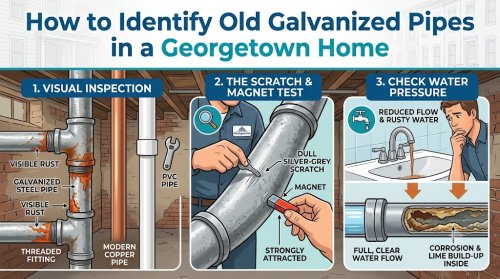
Material Quality & Plumbing Modifications: Integrating systems into copper, PEX, or older galvanized distribution lines safely.
-
Permitting & Code Requirements: Ensuring major system installations comply with local District building codes.
-
Repair vs. Total Upgrade Economics: Evaluating whether repairing an aging, inefficient filter unit makes more sense than investing in a modern, high-capacity replacement.
Unique Expert Insights: Hard Truths Homeowners Learn Too Late
Over fifteen years in the field, I have seen homeowners make avoidable mistakes that cost thousands of dollars in property damage. Here are four raw truths to keep in mind:
-
Temporary patch kits and generic online filter add-ons mask deeper municipal pressure spikes and often void manufacturer warranties.
-
DIY installation mistakes under high pressure can cause catastrophic midnight line ruptures that flood finished basements.
-
Unlicensed handymen frequently violate local plumbing codes by omitting necessary backflow preventers or bypass valves.
-
Investing in professional installation and preventive maintenance costs a fraction of replacing ruined water heaters, dishwashers, and washing machines choked by untreated sediment.
Critical Warning Signs: When Your Home is Sounding the Alarm
Your plumbing system constantly sends sensory indicators when water quality or delivery components begin to fail. Ignoring these signs can lead to cascading structural and health risks:
-
Visual Clues: Noticeable rust flakes, yellowish-brown discoloration, or floating sediment in your drinking glasses or bath water.
-
Olfactory Indicators: Strong chlorine smells reminiscent of a public swimming pool or sulfurous, rotten-egg odors originating from the hot water lines.
-
Taste & Texture: A slick, slimy residue on skin after showering or a bitter, metallic taste that ruins the flavor of beverages and cooked food.
-
Appliance Stress: White, chalky scale buildup forming rapidly on faucet aerators, showerheads, and inside kettle heating elements.
What Is Water Filtration? Decoding the Mechanism
At its core, a water filtration system is a specialized barrier integrated directly into your home's main plumbing network or point-of-use fixtures to capture physical, chemical, and biological impurities. A system is supposed to intercept contaminants like suspended sediment, chlorine, VOCs, and heavy metals, delivering pristine water to every tap. When a filter fails, clogs, or exhausts its media, it stops removing contaminants entirely, allowing unconditioned water to flow freely or restricting flow due to massive internal buildup. Imagine a historic row house in Capitol Hill where mineral scale chokes internal pipe diameters, resulting in sudden pressure drops whenever multiple fixtures are running simultaneously.
Professional Diagnostic & Repair Workflow
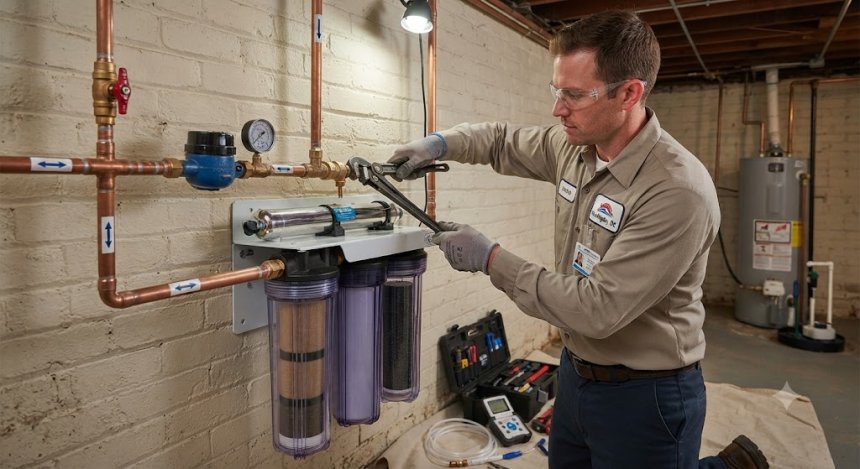
Bringing in a licensed professional ensures your filtration system is sized correctly, integrated safely, and optimized for maximum efficiency. Here is how an expert handles the installation process:
-
Step 1: Water Testing & Flow Triage — Analyzing local water chemistry and measuring static home water pressure.
-
Step 2: System Sizing & Location Mapping — Selecting the ideal placement near the main water shut-off valve for whole-house units.
-
Step 3: Transparent, Upfront Estimating — Providing a written, flat-rate quote detailing equipment, labor, and configuration options.
-
Step 4: Code-Compliant Integration — Installing bypass loops, dielectric unions, and proper shut-off valves according to District codes.
-
Step 5: Pressure Testing & Flushing — Purging trapped air, checking all joints for leaks, and verifying flow rates.
DIY Reality Check: What You Can Safely Fix vs. When to Step Back
Homeowners love tackling projects around the house, but plumbing infrastructure requires caution.
-
Safe Homeowner Actions: Changing superficial pitcher cartridges, wiping down exterior filter housings, and monitoring expiration dates on replacement elements.
-
The Danger Zone: Cutting into pressurized main water supply lines, soldering copper near framing, or altering gas and electrical connections associated with advanced UV or reverse osmosis systems.
-
When to Call a Pro: If your installation requires modifying main rigid lines, adding electrical outlets for booster pumps, or navigating tight historic crawlspaces, drop the wrench and call a licensed specialist.
Comprehensive Home Plumbing Maintenance Framework
Proper seasonal habits keep your filtration systems and home plumbing running smoothly year-round.
-
Spring/Summer Checks: Inspect outdoor spigots, test sump pump discharge lines, and check main water shut-off valve functionality.
-
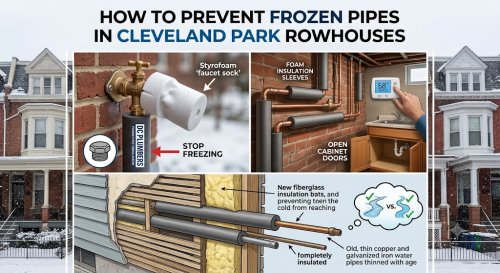
Fall/Winter Preparation: Insulate exposed pipe sections in unheated areas, drain exterior bibs, and schedule annual water heater sediment flushes.
-
Year-Round Habits: Replace sediment and carbon filter cartridges on schedule, monitor household water pressure gauges, and avoid pouring harsh chemical cleaners down drains.
Emergency Protocol: When Immediate Dispatch is Non-Negotiable
Some water and plumbing issues demand immediate professional intervention to prevent structural disaster:
-
Catastrophic main line fitting ruptures causing active indoor flooding.
-
Total failure or bursting of filtration tank housings under unexpected pressure surges.
-
Complete loss of safe water supply due to main line contamination events.
-
Major leaks occurring near electrical control panels or booster pump systems.
Frequently Asked Questions (FAQs)
How do I know which water filtration system is right for my DC home?
The best system depends on your specific water test results. Whole-house carbon filters tackle chlorine and odors, while reverse osmosis units excel at purifying drinking water at the kitchen sink.
Can I install a whole-house water filter myself?
While replacement cartridges are DIY-friendly, installing a whole-house system requires cutting into main supply lines, soldering or pressing pipes, and ensuring proper bypass installation, which is best left to licensed plumbers.
How often do water filter cartridges need to be replaced?
Standard sediment and carbon block filters typically require replacement every six to twelve months, depending on household water usage and local sediment levels.
Does a water filtration system reduce water pressure?
Some drop in pressure can occur as water passes through dense filter media. However, professional sizing and the addition of booster pumps when necessary ensure your showers and faucets maintain strong flow.
Are reverse osmosis systems installed under the sink?
Yes, most reverse osmosis drinking water systems are compact enough to fit neatly beneath the kitchen sink, complete with a dedicated faucet and a hidden storage tank.
Do water filters remove heavy metals like lead?
Specialized filtration media, including specific carbon blocks and reverse osmosis membranes, are certified to effectively reduce lead and other heavy metals from drinking water.
Why does my tap water smell like chlorine?
Municipal water treatment facilities add chlorine and chloramines to disinfect water supplies. A whole-house carbon filtration system easily neutralizes these chemical odors and tastes.
How long does a professional water filter installation take?
A standard whole-house filtration system or under-sink reverse osmosis installation typically takes between two to four hours for a licensed plumber to complete.
Why Choose Us for Your Installation
Homeowners across the region trust experienced professionals who prioritize safety, transparency, and top-tier craftsmanship.
-
Fully licensed, insured, and background-checked plumbing technicians.
-
Upfront, flat-rate pricing with zero hidden overtime surprises or confusing fees.
-
State-of-the-art diagnostic equipment to test and verify water quality accurately.
-
Deep local expertise navigating municipal water conditions and regional building codes.
-
Robust customer-first warranties and satisfaction guarantees on all installations.