Multiple Drains Backing Up at Once: Causes & DC Fixes
Discover why multiple drains are backing up simultaneously in your DC home. Learn causes, warning signs, DIY limits, and when to call a local plumber.
Why Are Multiple Drains Backing Up at the Same Time?
Few plumbing issues incite as much immediate panic in a homeowner as seeing water rise in the kitchen sink while the washing machine is draining, or hearing a toilet gurgle ominously when the bathtub empties. For residents across Washington DC—from historic row houses in Capitol Hill and Georgetown to modern condominiums in Navy Yard—discovering that multiple drains are backing up simultaneously is a clear indicator that the problem is not with an individual fixture, but with your home’s main sewer line.
This situation demands immediate attention. Understanding why this happens, recognizing the warning signs, and knowing the appropriate steps to take can protect your property from significant water damage and unsanitary sewage backups. This comprehensive guide will walk you through everything you need to know about simultaneous drain backups in the District of Columbia.
What Is a Main Sewer Line Stoppage?
To understand why multiple drains are backing up, you first need to understand how your home’s plumbing system works. All the drains in your house—sinks, showers, toilets, and washing machines—lead into a single, large pipe called the main sewer line (or main drain). This line carries all wastewater and sewage away from your home to the municipal sewer system maintained by DC Water.
-
Definition: A main sewer line stoppage occurs when a blockage forms in this primary pipe. Because the blockage is located "downstream" from all your fixtures, the wastewater has nowhere to go but back up into your home when you use water.
-
Common Situations: You might notice the toilet bubbling when you run the bathroom sink, or water backing up into the basement floor drain when you flush an upstairs toilet.
-
Symptoms: The primary symptom is multiple, unrelated fixtures backing up or draining slowly. Often, flushing a toilet will cause water to rise in a nearby sink or shower.
-
Real-World Example: Imagine a multi-lane highway merging into a single lane before a bridge. If an accident (the clog) happens on that single bridge (the main sewer line), traffic backs up in all lanes leading to it (your home’s branch drains).
Why Does This Plumbing Problem Happen?
Main line stoppages resulting in simultaneous backups are typically caused by a few major culprits, some common to older cities like Washington DC, and others universal.
-
Aging Infrastructure and Pipe Corrosion: Many homes in established DC neighborhoods like Capitol Hill, Dupont Circle, and Cleveland Park still rely on older clay, cast iron, or even Orangeburg piping. Over decades, these pipes can corrode, collapse, or develop cracks that invite intrusion.
-
Tree Root Infiltration: This is perhaps the most frequent cause of main sewer line issues in tree-lined urban areas. Tree roots are naturally drawn to the moisture and nutrients vapor escaping from tiny fissures in older sewer pipes. Once inside, roots grow rapidly, causing major blockages and eventually cracking the pipe entirely.
-
Accumulation of Debris and Foreign Objects: Despite plumbing advancements, many people still treat toilets and drains like trash cans. The buildup of grease, hair, soap scum, and "flushable" wipes (which often don't disintegrate) creates massive clogs over time. Even small children's toys or excessive amounts of toilet paper can cause sudden, severe blockages.
-
Sewer Line Bellies or Sagging: Shifting soil or improper initial installation can cause a section of the sewer pipe to sink (a "belly"), creating a low spot where solids settle and accumulate, eventually blocking the flow.
-
Municipal Sewer System Issues: While less common, heavy rainfall or issues within the DC municipal sewer system can sometimes cause a surcharge that forces water back into residential lateral lines, particularly in basement settings.
Signs You Should Never Ignore
Before a full-blown simultaneous backup occurs, your plumbing system usually provides warning signs. Recognizing these can save you from a messy and expensive cleanup.
-
Slow Drains Throughout the House: If every sink, tub, and toilet in the home is draining slower than usual, it indicates a partial blockage in the main line, not just a single dirty P-trap.
-
Gurgling Sounds from Drains: Hearing gurgling or bubbling noises, especially from toilets or drains when you run water elsewhere (e.g., the washing machine), means air is being displaced in the main line by a blockage.
-
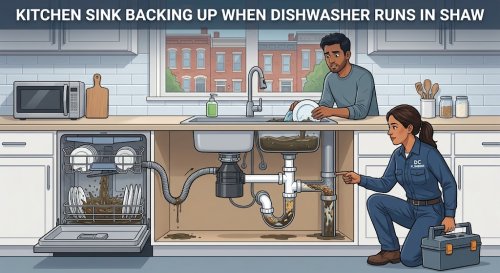
Water Backing Up in Unusual Places: If you run the dishwasher and water appears in the kitchen sink, or if flushing the toilet causes water to rise in the bathtub, you have a cross-connection issue caused by a main line blockage.
-
Foul Odors: Persistent sewage smells emanating from multiple drains or your basement floor drain often signal a clog or venting issue within the main line.
-
Unexplained Wet Spots in the Yard: A localized, lush patch of grass or a constantly wet area in your yard, especially during dry weather, can indicate a broken or leaking sewer line underground.
Common Plumbing Problems Related to This Issue
A main sewer line stoppage isn't just about slow water; it can lead to several interconnected plumbing disasters.
-
Basement Flooding: Often, the lowest point in the house—a basement floor drain or laundry sink—is where the backed-up sewage will first appear, leading to significant water damage and mold risk.
-
Fixture Damage: Excessive pressure from a backup can damage seals and connections on toilets, faucets, and appliances.
-
Slab Leaks: In homes built on a concrete slab, a main line break under the foundation can erode the soil beneath, leading to slab settlement and cracking.
-
Health Hazards: Sewage backups contain harmful bacteria, viruses, and parasites. Immediate and thorough professional cleanup and sanitization are essential to ensure a safe living environment.
Step-by-Step Professional Repair Process
When you call a licensed DC plumber to handle multiple drain backups, they follow a systematic approach to diagnose and resolve the issue safely.
-
Step 1: Inspection: The plumber will first assess the situation, listening to drains and checking fixtures to confirm a main line stoppage. They will locate your home’s main sewer cleanout access point.
-
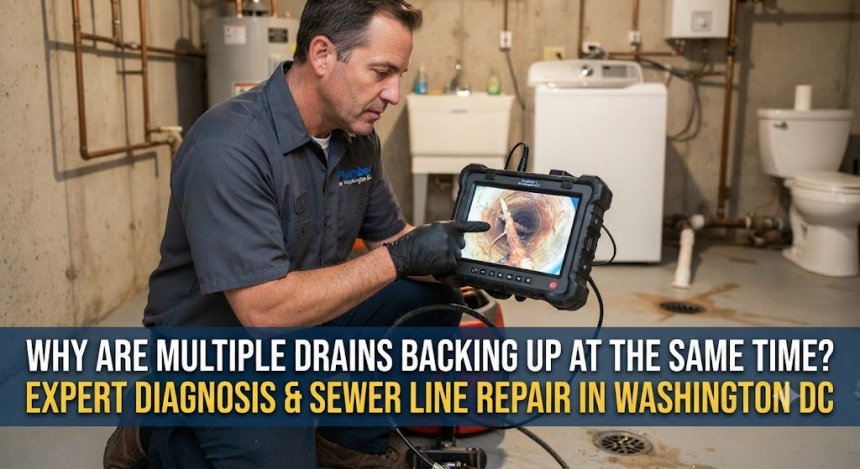
Step 2: Diagnosis (Sewer Camera Inspection): Before attempting to clear the line, a professional will perform a sewer camera inspection. A waterproof fiber-optic camera is fed into the line, providing a real-time view of the pipe's interior. This allows them to identify the exact cause and location of the clog (roots, collapse, grease, foreign object). This crucial step prevents guesswork and unnecessary damage.
-
Step 3: Estimate: Based on the camera findings, the plumber will provide a clear, upfront estimate for the recommended repair or cleaning method.
-
Step 4: Clearing the Blockage:
-
For clogs (grease, paper, wipes): A heavy-duty mechanical auger or snake is used to break up the blockage.
-
For severe root intrusion or heavy scale: Hydro jetting is often the preferred method. High-pressure water jets scour the pipe walls, effectively cutting roots and flushing out debris.
-
-
Step 5: Post-Clearing Verification: After clearing, the camera is often run through the line again to ensure the blockage is completely removed and to check the pipe's overall integrity.
-
Step 6: Recommendation for Long-Term Fix: If significant damage (collapse, extensive root damage) is found, the plumber will recommend a long-term solution, such as trenchless sewer repair or traditional excavation and pipe replacement.
Can You Fix It Yourself?
When faced with raw sewage backing up into your home, the natural reaction is to try and fix it immediately. However, main sewer line stoppages are generally not a DIY job.
-
Safe DIY Solutions:
-
Stop using water immediately: Turn off all faucets and do not run dishwashers or washing machines until the problem is resolved.
-
Remove visible standing water: Use a wet-dry vacuum or towels to clean up sewage, wearing protective gear (gloves, boots, mask).
-
Ventilate the area: Open windows and use fans to improve airflow.
-
-
When DIY Becomes Dangerous:
-
Chemical Drain Cleaners: Never use harsh chemical drain openers when multiple drains are backing up. These chemicals will sit in the main line, potentially damaging older pipes and creating hazardous, toxic water that can splash back during attempts to clear the clog.
-
Renting Heavy-Duty Augers: While consumer snakes are available, they are often too short or lack the power to clear a main line stoppage. Attempting to use professional-grade equipment without training can cause injury or further damage to the sewer line.
-
Exposure to Pathogens: Handling sewage without proper training and equipment poses significant health risks.
-
-
When Professional Plumbing is Necessary: Because the blockage is located deep within the main sewer line and often involves structural issues or heavy root intrusion, calling a licensed plumber with specialized diagnostic and cleaning equipment is essential.
Tools Professionals Use
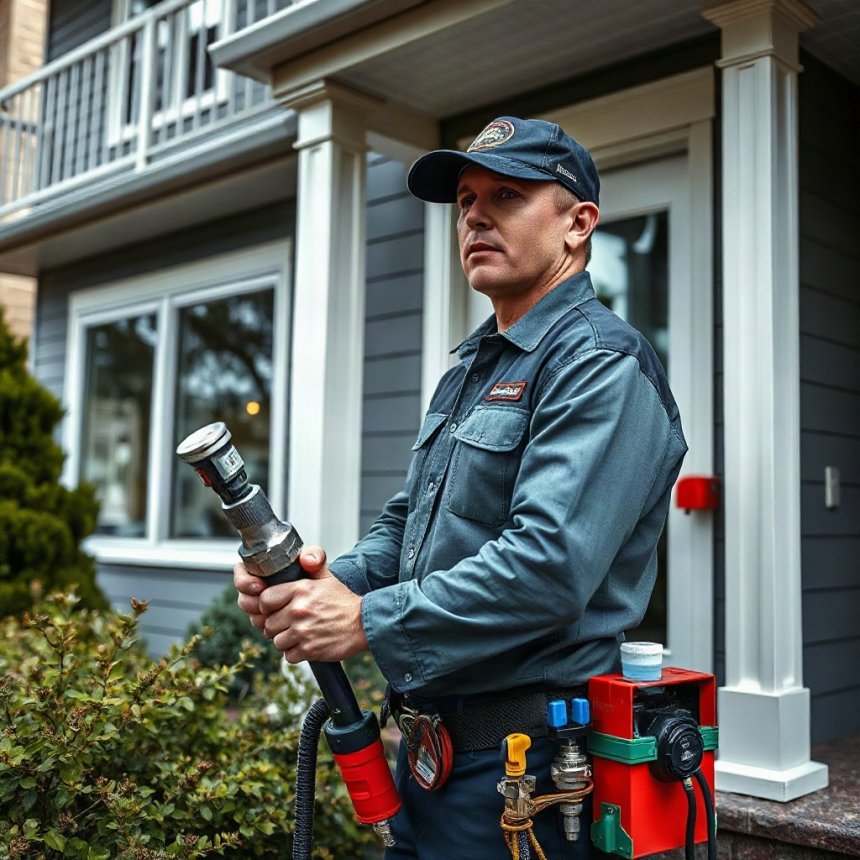
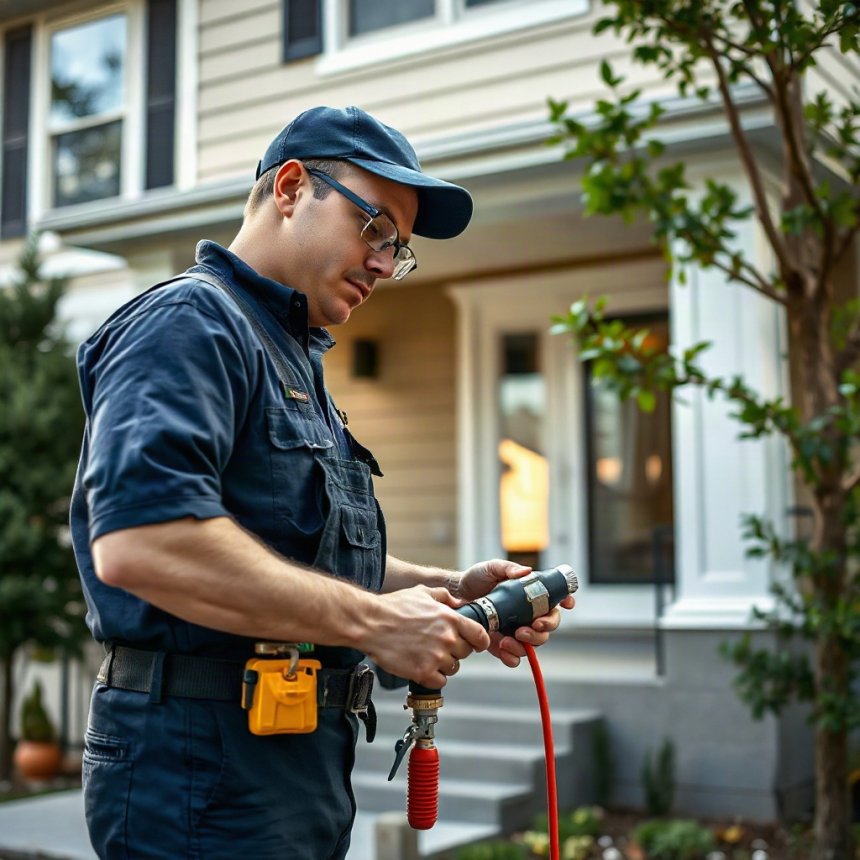
Professional DC plumbers utilize advanced equipment to accurately diagnose and effectively resolve main line stoppages.
-
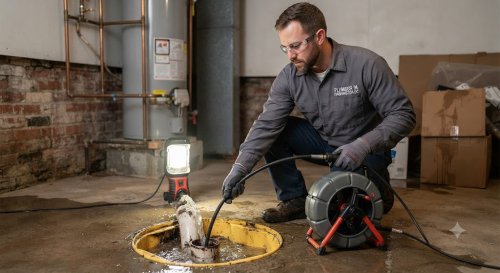
Drain Cameras: High-resolution waterproof cameras on flexible rods (push cables) that navigate the sewer line to provide a clear visual assessment of pipe conditions.
-
Locators: Devices used in conjunction with drain cameras to pinpoint the exact location and depth of a blockage or pipe defect from above ground.
-
Mechanical Augers (Snakes): Heavy-duty machines with rotating cables and various cutting heads designed to break through tough clogs, tree roots, and debris in larger main lines.
-
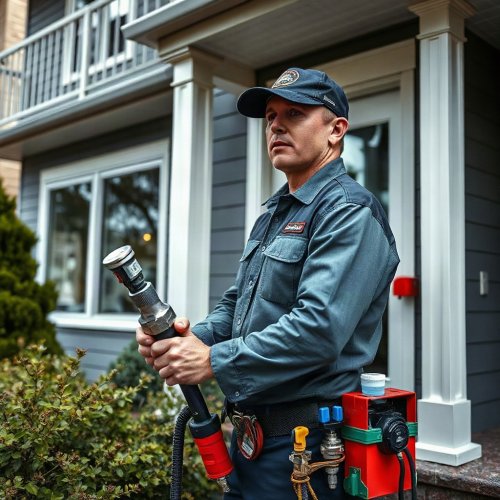
Hydro Jetters: Powerful machines that use high-pressure water (up to 4,000 PSI) and specialized nozzles to blast away stubborn grease, scale, sludge, and roots, thoroughly cleaning the pipe walls.
-
Trenchless Repair Equipment: Specialized tools for pipe bursting or pipe lining, allowing for sewer line replacement with minimal digging.
How Long Does the Repair Usually Take?
The time required to resolve a main sewer line stoppage depends on the cause and the chosen solution.
-
Simple Clog Removal: Clearing a straightforward clog with an auger typically takes 1 to 3 hours, depending on access and severity.
-
Hydro Jetting: A thorough hydro jetting service usually takes 2 to 4 hours.
-
Sewer Camera Inspection Only: This diagnostic step generally takes less than 1 hour.
-
Factors Affecting Time: The severity of the blockage, the condition of the pipe, accessibility of the cleanout, and the need for additional excavation (for repairs) can all extend the timeline.
Cost Factors
The cost of resolving multiple drain backups varies based on several practical factors.
-
Diagnostic Fees: Standard charges for travel and initial assessment, including camera inspection.
-
Time and Labor: Complexity of the job, after-hours service needs, and accessibility of the sewer line.
-
Equipment Needed: Cost associated with using augers versus more intensive hydro jetting equipment.
-
Nature of the Blockage: Simple clogs are less expensive to clear than persistent root intrusions or collapsed pipes.
-
Repair vs. Replacement: Minor clearing is significantly less expensive than full or partial sewer line replacement.
-
Permits and Inspections: Required permits and municipal inspections for DC sewer line work.
Note: Plumbing repair costs vary depending on the severity of the problem, accessibility, materials required, emergency service, property type, and local labor rates.
Hidden Truths Homeowners Should Know
Expert Insight: In older cities like Washington DC, many homeowners mistakenly assume that the entire sewer line to the street is the city's responsibility. In reality, the private sewer lateral—the pipe connecting your home to the main municipal sewer line—is entirely the homeowner's responsibility, from the house to the connection point.
-
Small, recurring clogs are often early warning signs of major structural issues or root infiltration.
-
Chemical drain cleaners can destroy older pipes, turning a manageable clog into an expensive pipe replacement emergency.
-
Most standard homeowner insurance policies do not cover damage from sewer backups unless a specific rider has been purchased.
-
Tree roots will inevitably return to a sewer line unless the pipe is replaced or structurally lined.
-
Preventative maintenance, such as annual sewer camera inspections and periodic hydro jetting, is far more cost-effective than emergency repairs and cleanup.
15 Common Mistakes Homeowners Make
-
Ignoring early warning signs like slow drains and gurgling sounds.
-
Using harsh chemical drain cleaners on main line stoppages.
-
Pouring grease, fats, and oils down kitchen drains.
-
Flushing "flushable" wipes, paper towels, and feminine products.
-
Assuming individual fixture issues when multiple drains are affected.
-
Waiting until a complete sewage backup occurs before calling a plumber.
-
Hiring unlicensed or inexperienced contractors for sewer work.
-
Attempting to use professional drain cleaning equipment without training.
-
Planting large trees and shrubs near sewer lines.
-
Neglecting to locate sewer cleanouts before an emergency strikes.
-
Overloading garbage disposals with fibrous foods.
-
Failing to install backwater valves in flood-prone basement areas.
-
Using homeowner's insurance without understanding the limitations on sewer backup coverage.
-
Assuming the city is responsible for private sewer laterals.
-
Skipping preventative maintenance for aging sewer systems.
Maintenance Tips
-
Schedule annual sewer camera inspections, especially for homes with mature trees or older plumbing.
-
Be mindful of what goes down your drains; nothing but toilet paper and human waste should be flushed.
-
Collect cooking grease in a container and dispose of it in the trash, not down the sink.
-
Install drain screens in all sinks, showers, and tubs to catch hair and debris.
-
Run hot water down kitchen drains after each use to help clear minor buildup.
-
Periodically flush drains with a mixture of baking soda and vinegar, followed by hot water.
-
Avoid planting trees known for aggressive root systems near sewer lines; consult an arborist.
-
Know the location of your main sewer cleanout and ensure it remains accessible.
-
Consider professional hydro jetting every few years as preventative maintenance to clear buildup.
-
Install a backwater valve to prevent municipal sewage backups, especially in basement settings.
-
Monitor your water bill for unexplained increases that could indicate a hidden leak.
-
Educate all household members on proper drain usage.
-
Keep basement floor drain covers secure but accessible for cleaning.
-
Address slow drains promptly before they escalate to a blockage.
-
Consider root-killing treatments for lines known to have minor root intrusion, applied annually by a professional.
When Should You Call an Emergency Plumber?
Certain situations demand immediate action from a licensed emergency plumber.
-
Raw sewage visibly backing up into your home from any drain.
-
Complete loss of drainage throughout the entire house.
-
Multiple fixtures backing up simultaneously and rapidly.
-
Strong, persistent sewage odors throughout the living space.
-
Visible basement flooding originating from plumbing or floor drains.
Ignoring these signs can lead to severe property damage, health risks, and more extensive and costly repairs.
Frequently Asked Questions
Why is my water pressure suddenly low throughout the house?
Sudden low water pressure affecting all fixtures is usually a separate issue from a main drain clog, often pointing to a problem with the main water supply line, a malfunctioning pressure regulator valve, or an issue with the municipal water supply.
How much does leak detection cost?
Professional leak detection costs vary based on the complexity of the issue and the technology required (acoustic, thermal imaging, camera), typically combining a diagnostic fee with the time spent on investigation.
Can a clogged drain damage pipes?
Yes. Severe clogs create excessive pressure within pipes, potentially leading to joint failures, cracks, and structural weakening over time. Chemical drain cleaners are particularly damaging to older pipe materials.
Is hydro jetting safe for old pipes?
Hydro jetting is highly effective, but its safety depends on the condition of the pipe. A professional plumber will always perform a camera inspection first to assess the pipe's integrity before recommending hydro jetting, especially for older clay or cast iron pipes.
How do I know if my sewer line is broken?
Clear indicators include multiple drain backups, sewage odors in the yard, consistently wet spots on the lawn, or a sudden appearance of sinkholes. A sewer camera inspection provides definitive proof.
How long do water heaters last?
Standard tank-type water heaters typically last between 8 and 12 years, depending on maintenance, water quality, and usage.
Why does my faucet drip?
A dripping faucet is usually caused by a worn-out internal washer, O-ring, or cartridge seal, which can typically be repaired without replacing the entire faucet.
What causes pipes to burst?
Pipes most commonly burst due to freezing temperatures causing trapped water to expand, or from excessive internal pressure spikes. Aging, corroded pipes are also more susceptible to failure.
Can plumbing leaks increase my water bill?
Yes. Even a small, slow leak—from a running toilet to a pinhole pipe leak—can waste thousands of gallons of water over a short period, leading to a significant spike in your utility costs.
When should I replace plumbing instead of repairing it?
Replacement is recommended when plumbing systems experience widespread failure, recurring leaks in multiple areas, or when dealing with severely corroded or damaged aging pipe materials (like polybutylene or outdated galvanized steel).