Commercial Water Heater Maintenance Guide for Property Managers
Learn essential commercial water heater maintenance practices, diagnostic clues, failure causes, and maintenance scheduling to prevent costly business disruptions.
Understanding Commercial Water Heater Systems
Commercial water heating systems operate under vastly different demands than residential units. Whether supplying a bustling restaurant kitchen, a multi-story office building, a local retail establishment, or an apartment complex, these systems must deliver high volumes of hot water continuously and reliably. Unlike residential tanks that sit idle for hours while occupants are away, commercial units often run through continuous heating cycles throughout the day and night.
Understanding how these systems work and what causes premature failure is essential for facility managers, business owners, and property operators. A routine maintenance program does more than just extend equipment lifespan; it protects the facility from unexpected catastrophic failures, emergency downtime, and steep repair expenses.
How Commercial Water Heaters Differ from Residential Units
While the basic thermodynamic principles remain the same—heating water via gas burners, electric heating elements, or external boilers—commercial water heaters are engineered for heavy-duty output. They typically feature higher input ratings, larger storage capacities, or tankless multi-unit rack systems designed to handle simultaneous hot water demands across multiple fixtures.
In many commercial settings, particularly in urban environments like Washington, DC, space constraints in mechanical rooms dictate the equipment layout. You will frequently find either large commercial gas-fired storage tanks, heavy-duty electric commercial units, or indirect water heaters tied into commercial boilers. Because these systems handle heavier loads, minor component wear can rapidly cascade into major operational failures if not caught early.
Core Components Requiring Regular Inspection
A structured maintenance routine focuses on specific vulnerable components within the system. Neglecting any of these areas can drastically reduce the operating efficiency and lifespan of the water heater.
Sacrificial Anode Rods
Anode rods are metallic bars installed inside storage tanks designed to corrode preferentially, protecting the steel tank walls from rusting out. In commercial systems with heavy water usage, anode rods can deplete entirely within a year or two depending on local water mineral content. Once the anode rod is fully consumed, the tank interior begins to corrode rapidly. Inspecting and replacing anode rods annually is one of the most critical preventative tasks.
Sediment Accumulation and Tank Flushing
Mineral sediment naturally precipitates out of heated water and settles at the bottom of the tank. In a commercial setting, high water volume accelerates this buildup. Thick sediment layers act as a thermal barrier between the burner and the water, forcing the system to work harder, consume more energy, and overheat the bottom tank plates. Regular flushing prevents this insulating barrier from forming.
Pressure Relief and Safety Controls
Temperature and Pressure (T&P) relief valves are critical safety devices designed to discharge water if internal pressure or temperature exceeds safe limits. Testing these valves periodically ensures they are not seized or blocked by mineral deposits. Commercial units also rely on electronic control boards, aquastats, gas valves, and flame sensors that require calibration and testing.
Diagnostic Clues and Early Warning Signs
Catching water heater issues before they result in a complete shutdown saves businesses from costly emergency service calls and lost revenue. Watch for these vital indicators:
- Inconsistent Water Temperatures: If water fluctuates between scalding and lukewarm, it often indicates failing thermostats, scaling on heating elements, or a struggling mixing valve.
- Unusual Noises: Rumbling, popping, or banging sounds coming from the tank usually signify excessive sediment buildup boiling water trapped underneath the mineral layer.
- Discolored or Odorous Water: Rusty or foul-smelling water can point to internal tank corrosion, failing anode rods, or bacterial growth within the system.
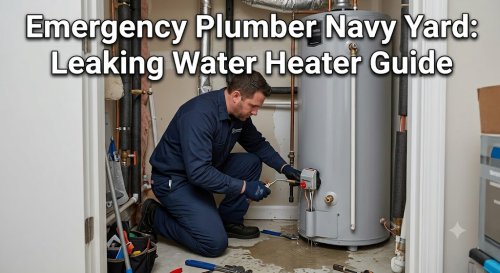
- External Moisture or Pooling: Condensation can sometimes mimic a leak, but persistent puddles around the base of the unit indicate tank hairline fractures, failing pipe connections, or a weeping T&P valve.
- Increased Utility Bills: A sudden spike in gas or electric consumption without a change in business operations often signals that scale buildup is forcing the system to run longer heating cycles.
Safe Facility Manager Checks vs. Professional Service
Facility staff can perform several safe, routine visual and operational checks without specialized plumbing tools:
- Visually inspect the area around the unit for active leaks, corrosion on fittings, or signs of moisture on surrounding walls and flooring.
- Check display panels, error codes, and indicator lights on modern electronic commercial water heaters.
- Verify that the surrounding mechanical room is clean, dry, and free of combustible materials or blocked ventilation paths.
What facility staff should never attempt includes tampering with gas supply lines, adjusting high-voltage electrical connections, attempting to weld or patch a leaking tank shell, or bypassing safety controls like the T&P relief valve. These tasks involve serious hazards including gas leaks, electrical shock, scalding, and structural flooding.
Repair Versus Replacement Decisions
When a commercial water heater experiences a major failure, property managers face the difficult choice of repairing the unit or investing in a full replacement. Several factors should guide this decision:
- Age of the Equipment: Most commercial storage water heaters have an expected operational lifespan of 7 to 12 years under heavy use. Investing in expensive component repairs on an aging tank nearing the end of its lifecycle is often counterproductive.
- Nature of the Failure: Replacing a gas control valve, thermostat, or anode rod is a practical repair. However, a leaking tank shell or fractured internal glass lining cannot be repaired; the entire unit must be replaced.
- Business Continuity and Capacity Needs: If business demands have grown since the original installation, replacing a failing single unit with a high-efficiency multi-unit tankless rack system can improve redundancy and ensure hot water availability even if one unit requires service.
Cost Factors in Commercial Water Heater Maintenance and Repair
Commercial plumbing work varies widely based on specific site conditions and equipment scales. Several factors influence service and replacement costs:
- Equipment Scale and Type: Large-capacity storage tanks, multi-unit boiler loops, and heavy-duty commercial gas or electric configurations require specialized labor and heavy lifting equipment compared to residential models.
- Accessibility and Space Constraints: Mechanical rooms in older urban properties, historic buildings, or tight basement utility closets can complicate equipment removal and installation, requiring rigging or tight-space maneuvering.
- Code Compliance Upgrades: Replacing older equipment often triggers requirements to bring venting, seismic strapping, expansion tanks, and electrical or gas supply connections up to current local codes.
- Emergency Timing: After-hours or emergency replacements to prevent business disruption generally incur premium labor rates.
Note: Always verify current District of Columbia commercial building, mechanical, and plumbing code requirements with the appropriate municipal authority or a qualified local professional before undertaking major equipment replacements or venting modifications.
Frequently Asked Questions
How often should a commercial water heater be serviced?
Commercial water heaters generally require professional maintenance at least twice a year due to their heavy workload. High-demand environments like commercial kitchens or laundries may benefit from quarterly flushing and component inspections.
What causes a commercial water heater to fail prematurely?
The leading causes of premature failure are heavy mineral scaling due to untreated hard water, neglected anode rod replacement resulting in tank corrosion, and running the system beyond its rated capacity without adequate preventative maintenance.
Can a commercial water heater be converted from gas to electric or vice versa?
While technically possible, converting a system energy source usually requires significant infrastructure upgrades, including altered gas supply lines, upgraded electrical panels, or entirely new venting configurations, making it a costly undertaking.
Why is routine tank flushing so important for commercial units?
Flushing removes accumulated sediment that settles at the bottom of the tank. Left unchecked, this sediment creates a thermal barrier that reduces heating efficiency, overheats the metal tank floor, and accelerates metal fatigue and failure.
How do mixing valves affect commercial water heater performance?
Thermostatic mixing valves blend hot water from the heater with cold water before it reaches building fixtures. This allows the tank to be stored at a higher temperature to kill bacteria while delivering safe, usable water to occupants, effectively increasing usable hot water capacity.
What should a property manager do during an unexpected hot water outage?
Immediately shut off the main water supply to the leaking unit if a physical rupture has occurred, cut power or gas to the burners to prevent dry-firing damage, and contact a qualified commercial plumbing professional to diagnose the failure.