Floor Drain Overflowing Rain Trinidad DC Guide
Learn why your floor drain overflows during heavy rain in Trinidad, DC. Discover causes, temporary fixes, professional repairs, and maintenance tips.
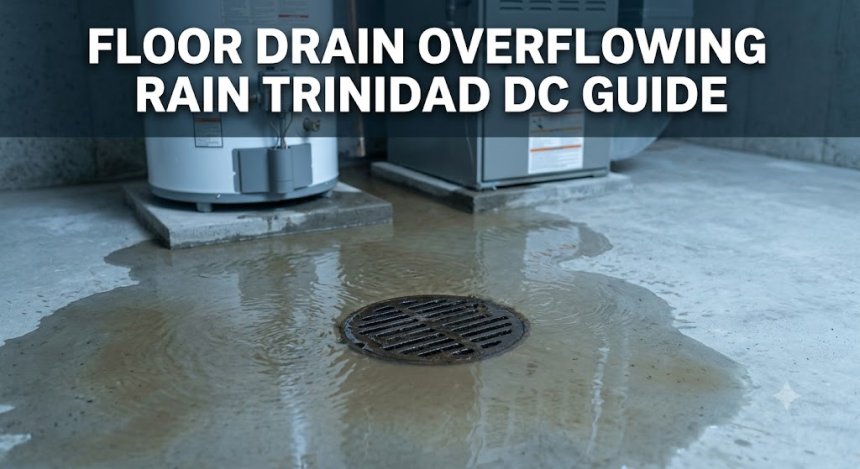
Why Does My Floor Drain Overflow During Heavy Rain in Trinidad?
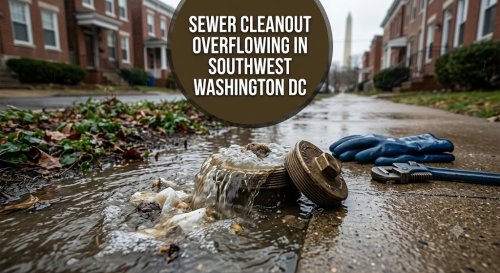
If you live in Trinidad, Washington, DC, you are likely familiar with the anxiety that accompanies a summer thunderstorm or a prolonged downpour. You walk down to your basement or lower-level utility room, only to find murky, foul-smelling water bubbling up through the floor drain.
This issue is surprisingly common in Trinidad's historic brick row homes and commercial properties. Because of the area's unique topography and aging municipal infrastructure, heavy rainfall often pushes local wastewater systems past their limits. When stormwater floods the public main, that excess water has to go somewhere—and unfortunately, your basement floor drain is often the path of least resistance.
Ignoring a basement floor drain that backs up during storms puts your property at risk for structural water damage, ruined personal belongings, and hazardous biohazard contamination. Understanding why this happens and knowing what steps to take can protect your home from costly repairs.
What Is a Heavy Rain Floor Drain Overflow?
A floor drain overflow occurs when water, sewage, or a combination of both flows backward through the subterranean drainage network and emerges out of the lowest drain in a building.
In a typical home, drains operate on gravity. Wastewater from sinks, showers, and toilets flows down through branch lines into your main sewer lateral, which carries it out to the city sewer main under the street. Your basement floor drain sits at the lowest elevation of this whole system.
During heavy rainfall, the external drainage capacity becomes overwhelmed. Instead of sewage flowing away from your property, water pressure builds up in the main line. This hydraulic pressure forces water backward into your main drain line, causing it to spew out of the floor drain in your basement, utility closet, or laundry room.
Common symptoms include:
-
Water pooling around the basement drain grate only when it rains heavily.
-
Gurgling or belching sounds coming from the floor drain or basement toilet.
-
Foul sewage odors rising from the lower level during storms.
-
Wastewater rising in the floor drain when you run upstairs appliances (like the washing machine) during a storm.
Why Does This Plumbing Problem Happen in Trinidad?
Overwhelming rainfall is the trigger, but several underlying infrastructure and property-specific factors contribute to floor drain backups in Trinidad:
1. DC's Combined Sewer System (CSS)
Much of historic Washington, DC—including Trinidad—relies on an older Combined Sewer System. In these systems, a single pipe carries both municipal sewage from homes and stormwater runoff from street gutters. During severe downpours, the massive volume of rain runoff overloads the combined pipe under the street, forcing excess water back up private residential lateral lines.
2. Aging Infrastructure and Pipe Corrosion
Trinidad features historic row homes built in the early-to-mid 20th century. Many of these properties still rely on original cast iron or terracotta sewer laterals. Over decades, cast iron corrodes internally, growing rough scales that catch debris, while clay pipes crack and sag, creating resistance that makes it easier for storm surcharge to back up into the property.
3. Tree Root Intrusion
Trinidad’s tree-lined avenues add historic charm, but mature tree roots constantly seek moisture. Roots enter sewer pipes through tiny cracks or aging joints. Inside the pipe, they expand into dense webs that catch hair, grease, and toilet paper. While the pipe might drain fine under normal daily use, a heavy rainstorm pushes the restricted pipe past its limit, causing an instant backup.
4. Topography and Sump Pump Failures
Trinidad sits on sloped terrain leading toward the Anacostia River basin. Low-lying properties or homes at the base of street inclines naturally receive more subterranean runoff. If a home relies on a sump pump or an outdated drain tile system to manage ground water, power outages during storms or pump mechanical failure will cause rapid flooding at the floor drain.
Signs You Should Never Ignore
A floor drain backing up during a storm rarely happens without warning. Keep an eye out for these red flags:
-
Gurgling Drains: If your lower-level drains or toilets make bubbling sounds when it rains, air trapped in the sewer line is being pushed up by rising water.
-
Slow Drainage in Lower Levels: Sinks or showers in the basement taking longer to clear indicate restricted flow in the main line.
-
Persistent Musty or Sewage Odors: Foul smells near the floor drain mean sewer gases—or actual wastewater—are breaching the P-trap seal.
-
Water Stains Around the Drain Grate: Dark rings or dried mineral residue around your basement drain indicate past, unnoticed seepage.
-
Damp Basement Walls or Efflorescence: White powder or dampness on foundation brick or concrete signals high hydrostatic pressure pressing around your home's foundation during wet weather.
Common Plumbing Problems Related to This Issue
When a floor drain overflows during heavy rain, it is rarely an isolated problem. It is usually part of a wider drainage system issue, including:
-
Main Sewer Line Blockages: A partial clog in your main lateral line restricts wastewater flow. It works during normal use, but under heavy rain, the extra volume causes a complete backup.
-
Basement Sump Pump Overload: When ground water surges, an undersized or aging sump pump can burn out, leaving subterranean water with nowhere to go except up through the floor drain.
-
Foundation Drain Tile Failure: Perforated pipes beneath your slab can clog with silt over decades, failing to channel groundwater away from the foundation.
-
Sewer Gas Exposure: When floor drains overflow, the protective water trap drys out or gets displaced, allowing raw sewer gas (methane and hydrogen sulfide) to enter living spaces.
Step-by-Step Professional Repair Process
When you call a licensed plumber to resolve a recurring floor drain overflow, the issue is addressed systematically:
Step 1: Emergency Assessment & Water Isolation
The plumber evaluates the immediate safety risks, checks electrical hazards around standing water, and determines whether the backup is originating from a private block or a city main surcharge.
Step 2: Video Camera Pipe Inspection
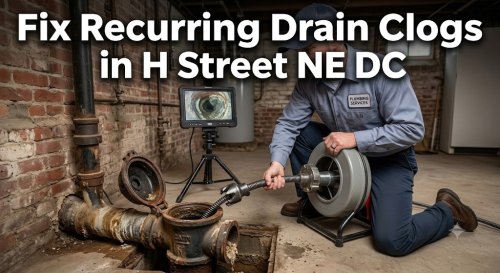
A high-resolution sewer camera is pushed down through the cleanout or floor drain. This reveals the internal condition of your sewer lateral, locating root mass, pipe collapses, offset joints, or heavy grease buildup.
Step 3: Clearing the Line (Snaking or Hydro Jetting)
If a physical clog is present, high-pressure hydro jetting is used to blast away tree roots, scale, and accumulated debris, restoring the full inner diameter of the pipe.
Step 4: Diagnostic Hydraulic Testing
The line is flow-tested to ensure water moves freely through the sewer lateral toward the public main under normal gravity conditions.
Step 5: Engineering a Long-Term Solution
If the issue is caused by municipal sewer surcharge during rain, the plumber may recommend installing a Backwater Valve (Check Valve) or a Sewer Ejector System to physically block backward flow into the home.
Step 6: Post-Repair Testing and Cleanout Access
The installation is pressure-tested, and accessible cleanout ports are installed if the property lacked proper diagnostic access points.
Can You Fix It Yourself?
Dealing with a floor drain overflow involves raw sewage and high-volume water pressure. While temporary steps can help limit damage, long-term repairs require professional intervention.
What Homeowners Can Safely Do:
-
Clear Surface Debris: Remove any leaves or objects resting on top of the basement floor drain cover.
-
Plug the Drain (Temporary Only): Test expandable rubber test plugs inside the floor drain pipe to buy time during an active storm, provided no upper fixtures are running.
-
Avoid Water Usage: Stop running washing machines, dishwashers, showers, and flushing toilets upstairs while the basement drain is overflowing.
-
Inspect Gutters: Ensure downspouts discharge at least 5 to 10 feet away from your home's foundation.
When DIY Becomes Dangerous:
-
Never Pour Chemical Drain Cleaners: Caustic chemicals will not clear heavy rain backups or sewer main blocks. They can eat through old cast iron pipes and pose a severe chemical burn hazard to plumbers who must work on the line later.
-
Never Touch Standing Sewage Unprotected: Sewage carries harmful pathogens, bacteria, and parasites.
-
Do Not Attempt to Snake Main Lines Without Training: Commercial drain cables can twist, snap, or cause structural pipe failure inside delicate cast iron or clay sewer laterals.
Tools Professionals Use
Resolving severe storm-related floor drain backups requires specialized equipment:
-
Sewer Video Inspection Cameras: Self-leveling cameras with integrated transmitters locate precise depths and line faults underground.
-
Hydro Jetters: Machines that pump water at up to 4,000 PSI to scour scale, sludge, and tree roots from line walls.
-
Continuous Cable Drain Machines: Heavy-duty motor-driven snakes equipped with specialized cutting blades to break up tough root intrusions.
-
Backwater Valves: Heavy-duty PVC or cast-iron non-return check valves with mechanical flappers that automatically seal off the home when water flows backward from the city main.
-
Pipe Locators: Electromagnetic wand devices that locate sewer lines under concrete slabs or outdoor yards without unnecessary digging.
       [ CITY COMBINED SEWER MAIN (Street) ]
                        |
                        | (Storm Water Surcharge / Reverse Flow)
                        v
         [ AUTOMATIC BACKWATER VALVE ]  <--- (Flapper closes automatically!)
                        |
                        | (Blocks sewage from entering home)
                        v
           [ HOME BASEMENT FLOOR DRAIN ]
How Long Does the Repair Usually Take?
The duration of repairs depends on the root cause:
-
Clearing a Simple Main Line Clog: 1 to 2 hours.
-
Hydro Jetting & Video Camera Inspection: 2 to 4 hours.
-
Installing a Main Backwater Valve: 1 to 2 days (requires localized excavation around the main lateral line).
-
Full Sewer Lateral Replacement or Trenchless Relining: 1 to 3 days depending on permitting, excavation depth, and street access.
Cost Factors
Every property in Trinidad features unique access and pipe layouts, so repair costs vary. Key factors shaping the final investment include:
-
Diagnostic Requirements: Camera inspections and line-locating services.
-
Location and Depth of Pipes: Deeply buried lines or pipes running under thick basement slabs require more labor to access.
-
Extent of Pipe Damage: Simple clogs cost less to clear; cracked, collapsed, or root-infested lines require repair, spot excavation, or trenchless lining.
-
Type of Solution Required: Installing a basic backwater valve differs significantly from a complete sewer lateral excavation to the city main connection.
-
Emergency Service Timing: Service requested during active midnight downpours or holiday weekends may incur emergency call-out rates.
Note: Plumbing repair costs vary depending on the severity of the problem, accessibility, materials required, emergency service, property type, and local labor rates.
Hidden Truths Homeowners Should Know
-
Small Floods lead to Big Bills: Ignoring a minor seasonal floor drain backup causes subterranean water damage that rots wooden sill plates and support beams over time.
-
Cheap Plugs Are Temporary Band-Aids: Inserting a mechanical plug into a basement floor drain stops water from exiting that specific hole, but hydraulic pressure will push sewage up the next lowest opening, such as a basement shower or toilet.
-
Insurance Policies Often Exclude Sewer Backups: Standard homeowners insurance policies rarely cover sewer or drain backups unless you have added a specific Sewer & Drain Backup Endorsement rider.
-
Tree Roots Will Return: Cutting tree roots out of a pipe buys temporary relief, but roots will return within months unless the pipe is permanently sealed or relined.
-
Mold Growth Starts Within 24–48 Hours: Standing sewage or moist subfloors create ideal conditions for mold spores to colonize after a rain storm.
15 Common Mistakes Homeowners Make
-
Flushing Flushable Wipes: These do not dissolve quickly and catch on pipe imperfections, forming severe blockages during heavy rains.
-
Pouring Cooking Grease Down Sinks: FOG (Fats, Oils, Grease) coats the interior of main sewer pipes, narrowing the opening.
-
Ignoring Slow Basement Drains: Treating slow drainage as a minor inconvenience until it completely overflows during a storm.
-
Using Caustic Drain Cleaners: Chemicals sit in stagnant water, eating through older metal pipes without resolving main-line obstructions.
-
Connecting Roof Downspouts to Sewer Lines: Channeling rainwater from your roof directly into your home's sanitary sewer lateral overloads the system during downpours.
-
Hiring Unlicensed Handymen: Improperly installed backwater valves or drain fittings can violate local code and make backups worse.
-
Planting Deep-Rooted Trees Over Sewer Laterals: Placing trees directly near utility easements invites root intrusion.
-
Delaying Repairs Until the Next Rainy Season: Sewer problems never heal themselves; structural defects worsen over time.
-
Skipping Annual Drain Inspections: Neglecting preventive camera checks on aging cast iron or terra cotta piping.
-
Disconnecting or Neglecting Sump Pumps: Failing to test battery backup systems before seasonal rainstorms hit DC.
-
Over-tightening Pipe Caps: Cracking delicate PVC or vintage iron cleanout threads through excessive torque.
-
Covering Basement Floor Drains: Placing heavy rugs, boxes, or laundry appliances over drain grates conceals early warning leaks.
-
Failing to Add Insurance Riders: Assuming regular flood insurance or standard homeowners insurance covers internal sewer back-ups.
-
Ignoring Hydrostatic Pressure Signs: Overlooking small foundation wall cracks where groundwater enters alongside floor drain issues.
-
Running Washing Machines During Heavy Storms: Adding high-volume appliance discharge to an already surcharged drainage system.
15 Practical Maintenance Tips for Trinidad Homeowners
-
Install a Backwater Valve: Put a dual-port check valve on your main waste line to block city sewer surcharges.
-
Schedule Annual Camera Inspections: Keep an eye on the health of aging cast iron or terra cotta sewer laterals.
-
Keep Downspouts Extended: Ensure downspouts discharge water at least 5 to 10 feet away from foundation walls.
-
Clean Gutters Seasonally: Remove leaves and organic buildup so rainwater channels away from your foundation.
-
Hydro Jet Main Sewer Lines Periodically: Clear grease, scale, and minor root growth every 2 to 3 years.
-
Maintain Sump Pumps: Clean the pit, check the float switch, and install a battery-backup system.
-
Avoid Chemical Cleaners: Use bacterial enzyme-based drain treatments instead of harsh chemicals.
-
Keep Trash Out of Fixtures: Never dispose of wipes, sanitary products, paper towels, or dental floss down toilets.
-
Inspect Basement Floor Drain P-Traps: Pour a bucket of water down unused floor drains monthly to maintain the water barrier.
-
Grade Landscaping Away From Foundation: Ensure soil slopes away from the home to reduce groundwater pressure.
-
Seal Foundation Cracks: Apply hydraulic cement or epoxy injection to basement wall cracks to reduce water seepage.
-
Install a Rain Barrel System: Capture roof runoff to reduce the immediate volume of water entering localized ground drains.
-
Check Cleanout Access: Ensure outdoor main line sewer cleanouts are clearly marked and sealed with an accessible cap.
-
Regulate Indoor Water Usage in Storms: Stagger laundry, dishwasher cycles, and baths during heavy rainstorms.
-
Keep Emergency Plumbing Numbers Handy: Save the contact information of a licensed local plumber who offers 24/7 emergency service.
When Should You Call an Emergency Plumber?
A floor drain overflow becomes a critical emergency when:
-
Raw Sewage enters the Property: Dark water, solids, or foul waste rise into your living space, posing immediate health risks.
-
Multiple Basement Fixtures Back Up Simultaneously: Toilets, showers, and floor drains backup at the same time, indicating a complete main lateral block.
-
Water Approaches Electrical Systems: Rising basement water reaches electrical outlets, water heaters, or furnace units.
-
Continuous Backflow Occurs: Water continues to rise from the floor drain even when all household water shutoffs are engaged.
Call a professional immediately to prevent structural destruction and biohazard contamination.
Frequently Asked Questions
Why does my floor drain back up only when it rains?
When heavy rain overloads public storm or combined sewer systems, water pushes backward into private sewer laterals. If your home sits at a low elevation or has a partial clog, excess water takes the easiest exit: your basement floor drain.
Will a backwater valve prevent my floor drain from overflowing?
Yes, a properly installed and maintained sewer backwater valve allows wastewater to exit your home but automatically closes a mechanical gate if water tries to flow backward from the public sewer line.
Is standing water from a floor drain harmful?
Yes. Rainwater backing up through a sewer line mixes with raw sewage, carrying bacteria, viruses, and parasites. Always wear protective gear and contact a professional plumber and restoration team to manage contaminated water.
Can hydro jetting remove tree roots blocking my drain line?
Hydro jetting uses ultra-high-pressure water streams to cut through tree roots, flush out debris, and clear the inner diameter of pipes. However, if roots have structurally crushed the pipe, trenchless lining or excavation repair will be necessary.
How can I tell if the backup is my responsibility or the city’s?
You are responsible for the sewer lateral line that runs from your property line into your home. The city manages the main sewer line beneath the street. A plumber can use a camera inspection to pinpoint where the blockage or surcharge is occurring.
Can I just cap off my basement floor drain to stop the flooding?
Capping the floor drain is not recommended. Pressure built up in the pipe will force sewage out of the next lowest fixture, such as a basement shower, toilet, or sink drain.
How does DC's Combined Sewer System affect my plumbing?
Because older DC neighborhoods like Trinidad use combined sewers for both domestic waste and rain runoff, heavy storms quickly fill main pipes to capacity, increasing the risk of home sewer line surcharges.
What should I do immediately when my floor drain starts overflowing?
Stop using all water in your home. Do not flush toilets, use sinks, or run washing machines. Keep pets and children away from the water, and call a licensed plumber to evaluate the system.
Does homeowners insurance cover water backing up from a floor drain?
Standard insurance policies usually exclude water backup damage unless you have purchased an optional "Sewer and Drain Backup" endorsement. Check your policy details before an emergency occurs.
How long does a sewer camera inspection take?
A standard video camera inspection of a main sewer lateral typically takes between 30 and 60 minutes, providing clear visual evidence of pipe condition, blockages, or root damage.
Why Choose Plumber in Washington DC?
When sewer lines back up during severe weather, you need a local plumbing team that understands the historic infrastructure of Trinidad and Washington, DC. At plumber in Washington DC, we bring practical expertise and specialized diagnostic tools directly to your doorstep.
-
Local Infrastructure Knowledge: We understand DC’s unique combined sewer systems, historic row home construction, and local soil conditions.
-
Licensed & Experienced Plumbers: Our technicians diagnose root causes accurately rather than offering quick surface fixes.
-
Upfront Transparency: We explain diagnostic findings clearly and present practical repair options with straightforward estimates before work begins.
-
Advanced Equipment: From high-definition sewer cameras to hydro jetting units and backwater valve installations, we use modern tools to protect your property.
-
Prompt Service: We respond quickly to help you address emergency backups and protect your property from structural damage.