What to Do If Your Toilet Won’t Stop Overflowing in DC
Learn what to do if your toilet won’t stop overflowing in Washington, DC. Discover warning signs, causes, quick fixes, and emergency plumbing tips.
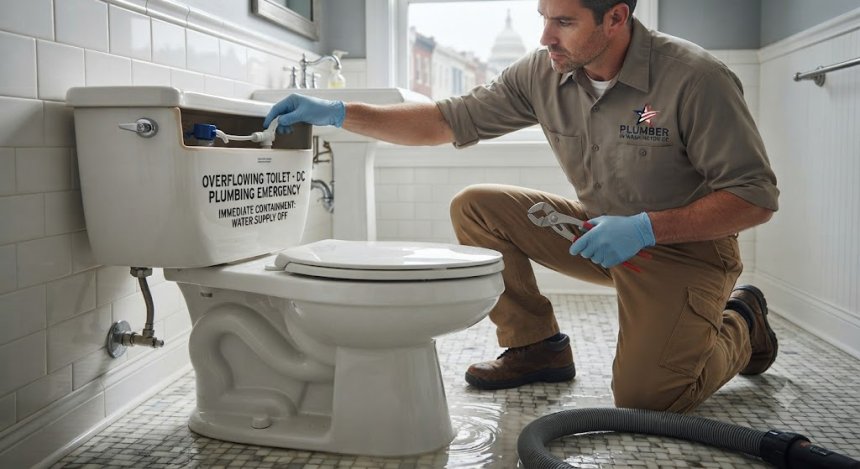
What to Do If Your Toilet Won’t Stop Overflowing in Washington, DC
Few household disasters strike with as much immediate panic as watching a toilet bowl fill to the brim and begin spilling raw wastewater onto your bathroom floor. Whether you live in a historic row house on Capitol Hill, a classic brownstone in Dupont Circle, or a modern condo in Navy Yard, dealing with an overflowing toilet is a stressful emergency. Homeowners across the District of Columbia frequently search for solutions to this exact problem when a late-night flush goes terribly wrong.
Because older infrastructure and dense urban plumbing networks are common throughout DC and nearby areas like Arlington and Alexandria, minor clogs can quickly turn into major overflows. Knowing how to react in the first sixty seconds can save your hardwood floors, ceilings, and drywall from expensive water damage. This comprehensive guide walks you through immediate safety steps, common underlying causes, professional repair processes, and when it is time to call a licensed local plumber.
What Is an Overflowing Toilet?
An overflowing toilet happens when water enters the toilet bowl faster than it can drain through the trap and waste pipe. Instead of flowing safely down the sewer line, the rising water spills over the rim of the porcelain bowl, flooding your bathroom floor.
Common Situations and Symptoms
-
The water level in the bowl rises rapidly after flushing and refuses to recede.
-
The fill valve fails to shut off, continuously pumping water into a bowl that is already blocked.
-
Gurgling sounds or bubbling water appear in your bathtub or sink when the toilet is flushed.
Real-Life Example
Imagine a family living in a historic row house in Adams Morgan. Someone flushes the toilet after a gathering, and instead of clearing, the water climbs over the rim, soaking vintage bathroom tiles and threatening the ceiling of the kitchen directly below. Quick action to shut off the water supply is the only thing standing between a minor inconvenience and a massive restoration project.
Why Does This Plumbing Problem Happen?
Toilets do not overflow without a reason. Understanding the root causes helps you prevent future incidents.
Common Causes and Contributing Factors
-
Severe Blockages: Flushing non-flushable items like paper towels, baby wipes, cotton balls, or excessive toilet paper creates a dense plug in the trap or trapway.
-
Faulty Flapper or Fill Valve: If the tank flapper fails to seal or the fill valve gets stuck open, continuous water entry overwhelms the bowl even without a primary clog.
-
Blocked Plumbing Vents: Roof vents that are blocked by leaves, bird nests, or debris prevent air from escaping the plumbing system, slowing drainage across the house.
-
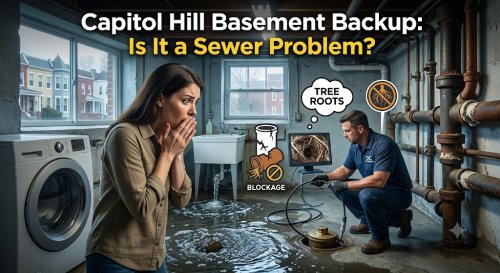
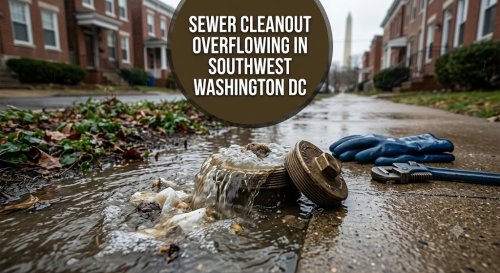
Main Sewer Line Backups: Tree roots, pipe settling, or municipal line blockages can force wastewater backward into the lowest fixtures in your home, including toilets.
-
Improper Installation: A toilet improperly shimmed or misaligned with the floor flange can develop structural leaks and drainage bottlenecks.
Signs You Should Never Ignore
Your plumbing system rarely fails without giving subtle hints beforehand. Watch out for these warning signs:
-
Sluggish Drains: If your toilet takes longer than usual to swirl and empty, a partial obstruction is already forming.
-
Gurgling Sounds: Hearing bubbles or gurgling noises from the toilet when your washing machine or shower drains indicates trapped air caused by a blocked vent or main line.
-
Unpleasant Sewage Odors: Lingering foul smells around the bathroom point to venting issues or partial sewer blockages.
-
Water Stains or Damaged Ceilings: Discolored patches on the ceiling directly beneath a second-story bathroom reveal chronic, hidden leaks or historical overflows.
Common Plumbing Problems Related to This Issue
An overflowing toilet can quickly trigger related structural and plumbing complications:
-
Subfloor Rot and Mold Growth: Standing water seeping beneath vinyl tiles or hardwood breeds mold within 24 to 48 hours.
-
Ceiling Collapse: Unchecked water leaks can saturate drywall ceilings in rooms below the bathroom.
-
Sewer Backups: A main line blockage causing a toilet overflow can simultaneously back up showers and floor drains.
-
Fixture Damage: Constant pressure or chemical unblocker usage can crack porcelain bowls or ruin wax ring seals.
Step-by-Step Professional Repair Process
When you call a licensed plumbing company in Washington, DC to resolve a stubborn toilet overflow, a systematic approach guarantees long-term results:
-
Step 1: Immediate Containment and Inspection: The plumber verifies the water supply is shut off and inspects the condition of the toilet, tank components, and surrounding floor.
-
Step 2: Advanced Diagnosis: Using drain cameras or acoustic tools, the technician checks if the issue is a simple bowl blockage or a deeper main sewer line obstruction.
-
Step 3: Upfront Estimate: You receive a transparent quote detailing whether the toilet needs simple rooter clearing, component replacement, or complete fixture re-sealing.
-
Step 4: Professional Repair: The plumber clears the obstruction using commercial augers, replaces faulty fill valves/flappers, or resets the toilet with a new wax ring.
-
Step 5: System Testing: Multiple flush cycles are executed to ensure proper water level, powerful siphon action, and zero leakage.
-
Step 6: Worksite Cleanup: The bathroom floor and work zone are sanitized and cleaned thoroughly.
-
Step 7: Maintenance Advice: The technician offers guidance on proper usage and preventive care.
Can You Fix It Yourself?
Homeowners often need to take immediate action before a professional arrives.
Safe DIY Solutions and Temporary Fixes
-
Stop the Water Immediately: Reach down behind or beside the toilet bowl and turn the shut-off valve clockwise to stop incoming water. If the valve is stuck, remove the tank lid and lift the float ball or flapper chain manually.
-
Use a Flange Plunger: A heavy-duty flange plunger (not a flat sink plunger) creates an airtight seal over the drain hole to dislodge soft clogs with steady, rhythmic plunging strokes.
When DIY Becomes Dangerous
Never use chemical drain cleaners if you plan to plunge the toilet afterward, as splashing chemicals can cause severe skin and eye burns. If plunging fails repeatedly or if water continues backing up from multiple drains, stop immediately. Forcing a blocked system or ignoring recurring main line backups requires professional plumbing equipment.
Tools Professionals Use
Professional plumbers rely on specialized gear to diagnose and resolve complex toilet and drainage failures:
-
Commercial Toilet Augers (Closet Augers): Flexible steel cables with protective rubber guards designed to break up tough clogs inside porcelain traps without scratching the finish.
-
High-Resolution Drain Cameras: Miniature cameras pushed into waste lines to inspect for structural cracks, root intrusion, or foreign objects.
-
Hydro Jetting Equipment: High-pressure water systems used to scour grease, scale, and stubborn obstructions from main sewer lines.
-
Moisture Meters: Diagnostic tools used to check structural framing and subfloors for hidden water saturation.
How Long Does the Repair Usually Take?
Repair timelines vary depending on the root cause of the overflow:
-
Clearing a Standard Clog or Adjusting Tank Parts: 30 minutes to 1 hour.
-
Replacing Internal Tank Mechanisms (Flush Valve and Fill Valve): 1 to 2 hours.
-
Replacing a Broken Wax Ring or Resetting a Toilet: 1 to 3 hours.
-
Resolving Main Sewer Line Blockages: 2 to 4 hours.
Cost Factors
Understanding what drives toilet repair and plumbing service costs helps you budget effectively:
-
Diagnostic and Service Call Fees: The standard dispatch charge to evaluate the emergency.
-
Parts and Materials: Quality replacement fill valves, flappers, wax rings, or new toilet units.
-
Labor and Complexity: Accessibility of plumbing connections and severity of the blockage.
-
Emergency Service Surcharges: After-hours, weekend, or holiday callout rates.
-
Water Damage Mitigation: Secondary restoration requirements if structural drying is needed.
Note: Plumbing repair costs vary depending on the severity of the problem, accessibility, materials required, emergency service, property type, and local labor rates.
Hidden Truths Homeowners Should Know
Navigating plumbing emergencies involves several practical realities:
-
Small, frequent clogs are often early warning signs of a failing or collapsing main sewer line.
-
Chemical drain openers frequently destroy older metal pipes and porcelain finishes without clearing stubborn obstructions.
-
Homeowners insurance may deny claims for water damage if negligence or delayed maintenance caused the overflow.
-
Flushing "flushable" wipes is the single leading cause of residential sewer line and toilet blockages in urban areas.
-
Annual maintenance and quick responses to minor leaks prevent catastrophic indoor flooding.
15 Common Mistakes Homeowners Make
-
Continuing to flush a slow-running toilet, causing a guaranteed overflow.
-
Pouring harsh chemical drain cleaners down a clogged toilet.
-
Using a flat sink plunger instead of a proper flange toilet plunger.
-
Flushing wet wipes, paper towels, and hygiene products labeled as "flushable."
-
Ignoring early gurgling sounds or sluggish drainage.
-
Failing to locate or test the emergency toilet water shut-off valve.
-
Hiring unlicensed handypersons for complex plumbing repairs.
-
Over-tightening porcelain bolts and cracking the toilet bowl.
-
Pouring cooking grease or oils down bathroom or kitchen sinks.
-
Delaying repairs until a minor backup turns into a late-night emergency.
-
Using mismatched replacement parts that lead to ongoing leaks.
-
Neglecting to check the tank flapper chain length, causing constant running water.
-
Assuming water damage will dry out on its own without professional mitigation.
-
Forgetting to clear heavy items stored around the toilet during an emergency.
-
Failing to request written warranties on professional plumbing workmanship.
Maintenance Tips for Washington, DC Homeowners
Protect your home plumbing system with these practical, seasonal maintenance guidelines:
-
Know Your Shut-Off Valve: Locate the water supply valve behind your toilet and test it periodically so you can turn it instantly in an emergency.
-
Watch What You Flush: Adhere strictly to the "only flush the three Ps" rule: pee, poo, and paper.
-
Inspect Flappers Annually: Check toilet tanks once a year for warping, mineral scale, or worn-out rubber flappers.
-
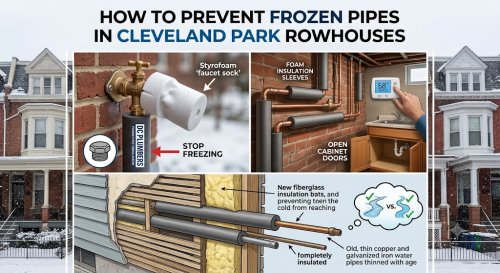
Protect Pipes in Winter: Insulate exposed bathroom plumbing in older DC row houses before freezing winter temperatures arrive.
-
Schedule Professional Inspections: Have a licensed plumber evaluate your home's drain and sewer system every few years.
When Should You Call an Emergency Plumber?
Certain toilet and plumbing situations require immediate professional dispatch:
-
Raw sewage overflowing continuously from multiple toilets, tubs, or floor drains.
-
A complete main line blockage leaving your entire home without working sanitation.
-
A major supply line break spraying water across your bathroom.
-
Structural water saturation threatening electrical outlets or lower-level ceilings.
Frequently Asked Questions
Why is my water pressure suddenly low?
Sudden pressure drops are typically caused by clogged faucet aerators, a partially closed main water shut-off valve, or mineral scale buildup in older supply lines.
How much does leak detection cost?
Leak detection costs vary based on whether the leak is visible or hidden behind walls, beneath concrete slabs, or underground, requiring specialized acoustic or thermal diagnostic tools.
Can a clogged drain damage pipes?
Yes, standing pressure and backed-up wastewater can weaken pipe joints, corrode metal walls, and cause structural joint separation over time.
Is hydro jetting safe for old pipes?
Hydro jetting is highly effective, but a licensed plumber must first inspect aging pipes with a camera to confirm the pipe walls are sturdy enough to handle high-pressure water streams.
How do I know if my sewer line is broken?
Common signs include multiple slow drains, gurgling toilets, foul sewage smells in your yard or basement, and lush, green grass patches growing directly over the pipe route.
How long do water heaters last?
Traditional tank water heaters typically last between 8 and 12 years, while modern tankless units can last 20 years or more with routine maintenance.
Why does my faucet drip?
A dripping faucet is usually caused by a worn-out internal rubber washer, O-ring, or corroded valve seat.
What causes pipes to burst?
Pipes most commonly burst when trapped water freezes and expands during severe winter weather, or when extreme internal water pressure exceeds material limits.
Can plumbing leaks increase my water bill?
Even a slow, hidden leak can waste thousands of gallons of water every month, causing a noticeable and unexpected spike in your utility bill.
When should I replace plumbing instead of repairing it?
You should consider replacement when pipes are extensively corroded, made of obsolete materials, or experiencing repeated leaks across multiple sections of your home.