Introduction
Nothing disrupts a peaceful day quite like opening your water bill to find an inexplicable spike, or worse, noticing a sudden drop in water pressure when you turn on the kitchen tap. For property owners in the District of Columbia, maintaining a safe and reliable water supply is a high-priority responsibility. When cross-connections threaten your potable water, your first line of defense is a properly functioning backflow assembly. Backflow preventer repair in Washington, DC is not merely a routine maintenance item—it is a critical public health safeguard mandated by municipal code.
Property owners across historic row houses in Capitol Hill, commercial complexes in downtown DC, and residential properties in upper Northwest frequently encounter mechanical failures due to age, municipal pressure shifts, and rigid local testing mandates. Understanding how these systems work, why they fail, and when to call a professional ensures your property remains protected, compliant, and safe.
Critical Warning Signs: When Your System is Sounding the Alarm
Before a backflow assembly completely fails or fails its annual DC Water certification, it usually exhibits subtle symptoms. Recognizing these warning indicators early can save you from costly fines, contaminated water lines, or emergency replacements.
-
Auditory Clues: Listen for unusual water hammering, high-pitched whistling, or continuous clicking sounds around your assembly box during peak water usage hours.
-
Visual Irregularities: Spotting pooling water, constant dripping from the relief valve port, or heavy mineral crust and rust buildup on the brass body.
-
Pressure Fluctuations: Experiencing sudden drops in water pressure on upper floors or inconsistent flow rates across indoor fixtures.
-
Olfactory Indicators: While backflow assemblies deal with potable water, stagnant water trapped in faulty relief chambers can produce a faint damp earth or mildew smell nearby.
Delaying intervention often leads to cascading consequences, such as internal valve seat erosion, spring fatigue, complete test failure during DC Water compliance checks, and potential contamination of your building's drinking water.
Root Causes: Why Backflow Failures Happen in DC
Backflow assemblies are heavy-duty mechanical devices engineered to withstand significant stress, but DC’s unique urban environment presents distinct challenges that accelerate wear and tear.
-
Municipal Water Pressure Fluctuations: DC Water’s complex distribution grid experiences variable pressure spikes throughout the day, constantly straining internal check valves and relief springs.
-
Hard Water & Mineral Scaling: Local water supplies carry mineral content that leaves calcium deposits on delicate rubber discs, check seats, and springs, preventing tight seals.
-
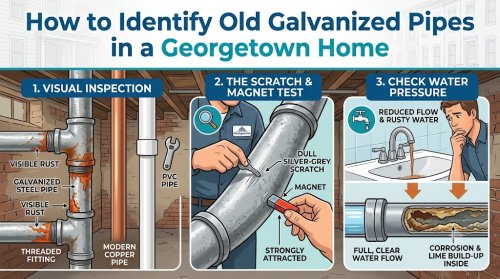
Age & Material Fatigue: Many historical homes and commercial retrofits feature aging bronze, brass, or iron assemblies that have surpassed their expected operational lifespan.
-
Thermal Expansion & Weather Shifting: Rapid seasonal temperature changes in the Mid-Atlantic cause metal components to expand and contract, weakening internal seals and rubber components over time.
-
Debris Inflow: Sediment, rust flakes, and pipe scale dislodged from aging city mains can become trapped under internal check valves, causing constant weeping or failure.
What Is a Backflow Preventer? Decoding the Mechanism
At its core, a backflow preventer is a specialized mechanical check-valve assembly designed to stop contaminated water from flowing backward into the clean municipal drinking water supply. This reversal happens due to two primary phenomena: backsiphonage (caused by a sudden drop in municipal pressure, like a water main break or heavy firefighting) and backpressure (caused when downstream pressure exceeds supply pressure, often from commercial boilers or booster pumps).
In a healthy system, internal spring-loaded check valves remain tightly sealed in one direction, opening only when proper municipal pressure pushes water forward. When a seal fails, or debris lodges in the mechanism, the system loses its directional integrity.
Local Scenario: Imagine a commercial building in Adams Morgan or a multi-family property near Dupont Circle experiencing a sudden pressure drop on the city main. If the Reduced Pressure Principle (RP) assembly or Double Check Valve (DCV) assembly is compromised due to scaled check seats, non-potable water from irrigation systems or boiler loops could pull back into the building's potable lines. Professional backflow preventer repair ensures these mechanical safeguards operate exactly as engineered.
Unique Expert Insights: Hard Truths Homeowners Learn Too Late
Over 15 years in the field across the Mid-Atlantic, our licensed master plumbers have seen recurring mistakes that turn minor maintenance into major expenses. Keeping these hard truths in mind protects your property and your wallet:
-
Temporary Patch Kits Fail Fast: Using quick-fix silicone sealants or generic hardware store washers on a high-pressure backflow valve is a recipe for disaster. These patches rupture under operational pressure and void plumbing warranties.
-
Unlicensed Handymen Risk Compliance: In Washington, DC, backflow testing, rebuilding, and repairs must be performed by certified testers registered with DC Water and the Department of Consumer and Regulatory Affairs (DCRA). Unlicensed work results in automatic test rejections and municipal fines.
-
Ignoring Annual Certification is Costly: DC regulations require annual testing of all commercial and designated residential backflow assemblies. Letting certifications lapse triggers automatic administrative notices and water service disruption warnings.
-
Chemical Cleaners Cause Internal Damage: Pouring harsh chemical descalers or drain cleaners near backflow assemblies to clear mineral buildup eats away at internal brass bodies and ruins resilient rubber components.
-
Preventative Rebuilds Save Thousands: Replacing worn internal rubber kits (discs, o-rings, and springs) every 5 years costs a fraction of replacing an entire 2-inch commercial assembly due to catastrophic housing freeze or fracture.
Professional Diagnostic & Repair Workflow
When you schedule a certified repair with our team, we follow a systematic, code-compliant workflow to restore your system safely and efficiently.
-
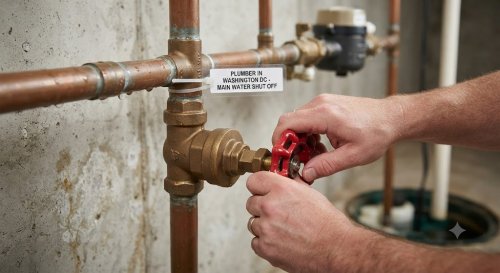
Non-Invasive Triage & Safety Isolation: We close upstream and downstream isolation valves to safely depressurize the assembly without interrupting unrelated property zones.
-
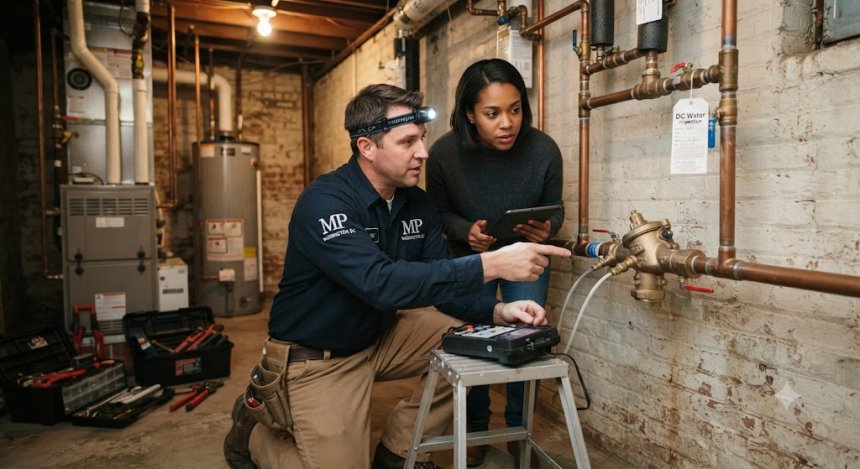
Precision Diagnostic & Differential Pressure Testing: Using calibrated digital test kits, we measure exact holding pressures across check valves and relief ports to isolate the precise point of failure.
-
Transparent, Upfront Estimating: We present a clear, flat-rate repair proposal detailing whether a simple rubber disc replacement, spring swap, or complete assembly overhaul is required.
-
Code-Compliant Remediation: We disassemble the unit, clean internal check modules, replace worn factory OEM repair kits, and reassemble to exact manufacturer specifications.
-
Re-Testing & Certification Submission: We perform a final calibration test, verify zero leakage, and electronically submit your updated certification paperwork directly to DC Water compliance portals.
Advanced Diagnostics: The Professional Tool Arsenal
Guesswork has no place in backflow restoration. Licensed professionals rely on specialized, heavy-duty diagnostic gear to ensure absolute accuracy:
-
Differential Pressure Test Kits: High-precision analog and digital gauges calibrated annually to measure exact psi differentials across check valves and relief valves.
-
Specialized Retaining Ring Tools & Seat Wrenches: Factory-engineered socket sets and pullers designed to extract deep internal check modules without scarring brass housing walls.
-
Acoustic Leak Detectors: Advanced listening devices used to identify hidden underground or wall-cavity leaks feeding into or out of complex manifold assemblies.
-
Digital Manometers: Instruments used to monitor real-time pressure fluctuations and static water pressures across building risers.
DIY Reality Check: What You Can Safely Fix vs. When to Step Back
Homeowners often ask if they can handle backflow maintenance themselves to save on service costs. Here is where the safe boundary lies:
-
Safe Homeowner Actions: Keeping the surrounding area clean and clear of brush or storage items, visually checking insulation blankets during winter freeze warnings, and scheduling your annual licensed inspection on time.
-
The Danger Zone: Attempting to disassemble an active, pressurized backflow preventer, adjusting internal relief valve springs without a certification license, or trying to weld cracked brass bodies.
Backflow assemblies are under constant water pressure. Improper disassembly can result in sudden high-pressure blowouts, personal injury, structural flooding, or severe cross-contamination of your potable water. Always drop the wrench and call a licensed professional for internal repairs.
Financial Breakdown: Cost Factors & Investment Realities
Understanding the financial investment behind backflow preventer repair helps property owners budget accurately. Pricing is determined by several core variables:
-
Assembly Type & Size: Residential 3/4-inch double check valves require less labor and smaller repair kits compared to commercial 3-inch Reduced Pressure Principle assemblies.
-
Severity of Internal Wear: Simple debris clearing and o-ring lubrication cost less than replacing complete internal check modules and relief valve stems.
-
Accessibility & Installation Location: Above-ground indoor utility room setups take less time to service than below-grade, vaulted, or deeply buried outdoor pit assemblies.
-
Permitting & Certification Filing Fees: Administrative processing for DC Water compliance certification submissions is factored directly into transparent project estimates.
Comprehensive Home Plumbing Maintenance Framework
Proactive maintenance protects your backflow system and entire plumbing infrastructure. Follow this seasonal framework:
-
Spring Checks: Inspect outdoor backflow enclosures for winter shifting, test isolation valves for smooth operation, and clear surrounding debris from drainage grates.
-
Summer Habits: Monitor your water meter for unexplained consumption spikes, check for weeping relief valves during peak irrigation cycles, and keep outdoor valve boxes shaded and ventilated.
-
Fall Preparation: Install insulated backflow blankets or weatherized covers to protect against sudden Mid-Atlantic temperature drops and freezing winds.
-
Winter Defenses: Ensure indoor shut-off valves feeding exterior lines are properly managed, verify heat tape functionality in unheated utility rooms, and monitor for early freezing signs.
-
Year-Round Protocols: Never hang tools or items from piping assemblies, avoid exposing valves to heavy foot traffic, and maintain a strict schedule for annual professional testing.
Emergency Protocol: When Immediate Dispatch is Non-Negotiable
While many backflow issues are caught during scheduled testing, certain situations require immediate, 24/7 emergency dispatch:
-
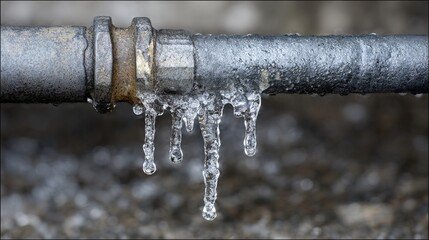
Catastrophic Housing Failure: Sudden cracking or splitting of the bronze assembly body due to freezing or extreme pressure surges, causing uncontrolled indoor flooding.
-
Complete Water Supply Contamination: Any sudden discoloration, foul taste, or odor detected across drinking water taps linked to an uncontained cross-connection failure.
-
Total Valve Blowout: Continuous, high-volume discharge from the relief valve port that cannot be halted by closing upstream isolation valves.
Frequently Asked Questions (FAQs)
How often does a backflow preventer need to be tested in Washington, DC?
Under DC Water regulations, all commercial, industrial, and multi-family residential backflow preventer assemblies must be tested and certified by a licensed technician at least once every 12 months.
Can I repair my backflow preventer myself in DC?
No. Municipal code dictates that any installation, testing, maintenance, or repair on cross-connection control assemblies must be performed by a certified backflow technician registered with the District.
What is the difference between a DCV and an RP assembly?
A Double Check Valve (DCV) is typically used for low-hazard applications, while a Reduced Pressure Principle (RP) assembly is required for high-hazard applications (such as commercial boilers or chemical lines) because it includes an independent vented relief valve.
Why is my backflow preventer constantly dripping water?
A continuous drip or stream from the relief port usually indicates trapped debris under the internal check valves, fluctuating municipal water pressure, or worn rubber seal discs that require professional rebuilding.
Does homeowners insurance cover backflow preventer failures?
Most standard homeowners insurance policies cover sudden, accidental water damage caused by a burst pipe or fitting, but they generally exclude damage resulting from deferred maintenance or lack of annual testing.
What happens if I fail to submit my annual DC backflow test report?
Failure to submit your certified test report on time to DC Water can result in administrative penalty fees, compliance notices, and ultimate disconnection of your water service until proof of repair and testing is provided.
How long do internal backflow repair kits last?
Factory OEM rubber components, discs, and springs typically last between 5 to 8 years depending on local water hardness, pressure fluctuations, and operational frequency.
Are outdoor backflow assemblies prone to freezing in DC winters?
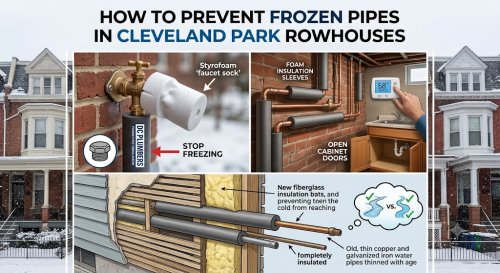
Yes. Without proper insulated enclosures, backflow preventers installed outdoors or in unheated utility vaults are highly vulnerable to freezing temperatures during severe winter cold snaps.
Why Property Owners Trust Plumber in Washington DC
Navigating municipal plumbing compliance and complex mechanical repairs requires local expertise you can rely on. Property owners across the District choose our team for clear reasons:
-
Licensed & Certified Specialists: Fully licensed master plumbers certified by DC Water and DCRA to perform legal testing, repairs, and installations.
-
Upfront, Transparent Pricing: Flat-rate quotes provided before any work begins—no hidden fees, unexpected surprises, or high-pressure sales tactics.
-
Advanced Diagnostic Technology: Utilizing state-of-the-art digital test kits and precision tools to diagnose issues accurately the first time.
-
Deep Local Compliance Knowledge: Extensive experience navigating DC Water regulations, historic district guidelines, and commercial building codes throughout Washington, DC.
-
Uncompromising Quality Guarantee: Backed by robust labor and parts warranties designed to give you complete peace of mind.