Financial Breakdown: Cost Factors & Investment Realities
When dealing with moisture and hidden infrastructure under your home, understanding the financial scope helps prevent sticker shock. Flat-rate plumbing pricing varies significantly depending on the severity of the damage, crawl space accessibility, existing pipe materials, and regional labor rates.
-
Diagnostic and Service Call Dispatch Fees: Most professional visits include a standard travel and initial assessment fee, which covers the deployment of a certified technician to your property.
-
Specialty Equipment Deployment: Confined spaces often require specialized trenchless gear, compact hydro-jetters, or high-end electronic detectors.
-
Material Quality: Upgrading old, compromised runs to modern, flexible materials like cross-linked polyethylene (PEX) or rigid PVC changes upfront costs for long-term reliability.
-
Permitting Requirements: Major lateral replacements or structural plumbing overhauls in the District often mandate municipal permits and code-compliance inspections.
-
Repair vs. Total Fixture Replacement: Weighing a localized patch against a full system repipe prevents throwing good money after bad.
What Is Crawl Space Plumbing Repair? Decoding the Mechanism
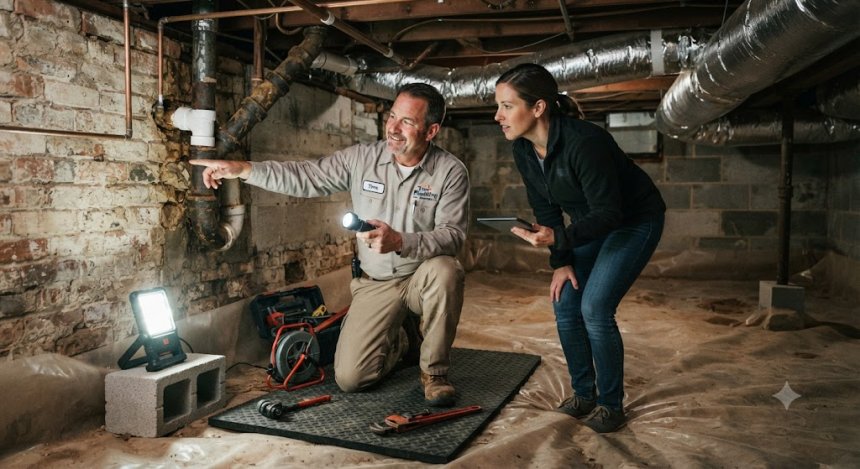
Crawl space plumbing encompasses all supply lines, drain pipes, and waste systems routed through the sub-floor utility pocket beneath your house. In an ideal setup, these lines maintain a continuous, gentle downward slope for gravity-fed drainage, while supply pipes are securely suspended, insulated, and protected from environmental shock.
When things fail—due to joint separation, pinhole leaks, or sagging supports—water begins pooling directly beneath your living space. Imagine a historic row house in the District where decades of shifting clay soil cause a cast-iron drain line to fracture at the joints. Instead of safely exiting to the municipal main, wastewater seeps directly into the earth and sub-framing, breeding mold and rotting wooden floor joists before anyone even notices a drop inside the finished rooms above.
Root Causes: Why This Problem Occurs in Washington, DC Homes
District properties face a unique combination of historical infrastructure challenges and environmental pressures. Unlike newer suburban builds, DC real estate often contends with distinct architectural and geological factors:
-
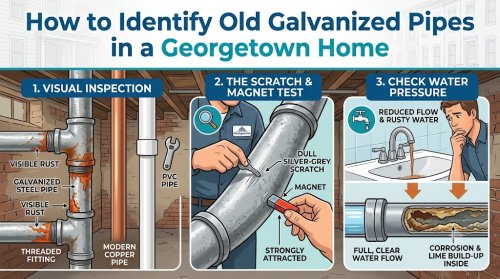
Aging Infrastructure & Historical Piping: Many homes still feature aging cast iron or galvanized steel lines that are well past their functional lifespan, prone to internal rust scaling and structural collapse.
-
Soil Composition and Shifting: The local clay-heavy soil expands heavily when saturated with mid-Atlantic rains and shrinks during dry spells, putting immense stress on underground and crawl space connections.
-
Municipal Water Pressure Fluctuations: High municipal supply pressure entering older homes can hammer joints, accelerating wear on older valves and brittle pipe fittings.
-
Seasonal Temperature Extremes: Unconditioned crawl spaces drop below freezing during harsh winter cold snaps, putting vulnerable water lines at high risk of rapid freezing and bursting.
-
High Humidity and Moisture: Poorly ventilated sub-floor spaces trap ambient moisture, speeding up external corrosion on metal hangers, joints, and pipe walls.
Comprehensive Home Plumbing Maintenance Framework
Proactive care is the single best way to avoid emergency extractions. Use this organized, seasonal guide to protect your infrastructure year-round:
Spring and Summer Checks
-
Inspect Outdoor Spigots: Check hose bibs for seasonal cracks or leaks that may have formed over the winter months.
-
Test Sump Pumps: Pour a bucket of water into the sump pit to ensure the float switch activates properly and the discharge line is clear.
-
Review Exterior Grading: Ensure soil and mulch slope away from your foundation walls to prevent water from pooling near crawl space vents.
Fall and Winter Preparation
-
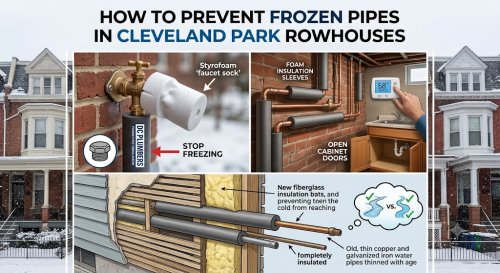
Insulate Vulnerable Lines: Wrap all exposed pipes in unconditioned crawl spaces with high-density foam insulation sleeves.
-
Disconnect Garden Hoses: Remove hoses from exterior spigots and shut off interior isolation valves if applicable to prevent freeze-backs.
-
Flush Water Heaters: Clear out accumulated sediment sediment buildup to maintain peak heating efficiency before heavy winter demand.
Year-Round Habits
-
Utilize Strainers: Keep hair, grease, and food waste out of drains to protect downstream lines beneath the floors.
-
Monitor Water Pressure: Check your pressure-reducing valve (PRV) periodically to ensure home pressure stays safely below 80 PSI.
-
Avoid Chemical Cleaners: Skip harsh store-bought drain chemicals that eat away at pipe interiors and compromise older joints.
Unique Expert Insights: Hard Truths Homeowners Learn Too Late
Over years of crawling through tight, damp sub-floor spaces, licensed professionals encounter recurring mistakes that cost property owners thousands of dollars. Keep these hard-earned realities in mind:
-
Temporary Patch Kits Fail: Rubber patch wraps and epoxy putties only mask deeper structural failures and will inevitably blow out, potentially invalidating home insurance clauses for water damage.
-
Chemical Drain Openers Corrode Systems: Pouring harsh lye-based chemicals down slow drains eats away at pipe walls from the inside out, turning a minor clog into a catastrophic pipe collapse.
-
Unlicensed Handymen Create Code Violations: DIY fixes or unpermitted work by general handymen often violate local plumbing codes, causing major headaches and failed deals during real estate sales.
-
Maintenance Is Cheaper Than Disasters: Enrolling in routine preventive maintenance plans costs a tiny fraction of a single emergency midnight flood extraction.
-
Out of Sight Means Out of Mind: Neglecting routine visual inspections of your sub-floor infrastructure allows small, slow leaks to cause thousands of dollars in hidden structural damage.
Critical Warning Signs: When Your Home is Sounding the Alarm
Because sub-floor spaces are out of sight, your home usually relies on subtle sensory cues to signal trouble. Pay close attention to these indicators:
-
Sensory and Physical Indicators: Unexplained spikes in your monthly water bill, damp patches on lower-level floors, or warped hardwood surfaces point directly to active hidden leaks.
-
Auditory Clues: Hearing water hammering, whistling pipes, phantom toilet runs, or gurgling sounds from downstairs drains when appliances run upstairs.
-
Olfactory Warnings: Persistent musty odors, the smell of damp earth, or faint sewer gas smells creeping up through floor vents.
Ignoring these warnings invites cascading structural risks, including rapid mold acceleration, wood rot, and compromised structural floor framing.
Professional Diagnostic & Repair Workflow
When you call a certified professional to address sub-floor issues, they follow a rigorous, step-by-step methodology to ensure absolute accuracy:
-
Non-Invasive Triage & Safety Isolation: Technicians immediately locate main water or gas shut-offs to stop active hazards before entering confined utility areas.
-
Precision Diagnostic & Digital Video Inspection: High-definition push-rod cameras are fed into the lines to visually pinpoint cracks, root intrusions, and bellies without tearing up floors.
-
Transparent, Upfront Options & Written Estimating: Homeowners receive clear, flat-rate pricing models with multiple repair tiers before any actual wrench touches a pipe.
-
Code-Compliant Remediation & Part Replacement: Damaged sections are cut out and replaced using modern, durable materials that strictly adhere to District building codes.
-
Pressure Testing, Flow Verification, & Clean-Up: Technicians run rigorous pressure tests to guarantee system integrity, verify proper drainage slope, and leave the workspace immaculate.
Advanced Diagnostics: The Professional Tool Arsenal
Guesswork has no place in modern sub-floor plumbing. Professional contractors leverage heavy-duty diagnostic technology to pinpoint issues with surgical precision:
-
Electronic Acoustic and Thermal Leak Detectors: Listen for pressurized water escaping underground or behind structural walls.
-
Push-Rod High-Definition Drain Cameras: Provide crystal-clear real-time video feeds of interior pipe conditions.
-
Hydro-Jetting High-Pressure Cleaning Units: Scour pipe walls clean of stubborn grease, scale, and root intrusions.
-
Electronic Pipe Locators and Manometers: Accurately map underground line depths and test system pressure holding capacity.
DIY Reality Check: What You Can Safely Fix vs. When to Step Back
Knowing your limits keeps you safe and prevents minor issues from spiraling into costly emergencies.
-
Safe Homeowner Actions: Basic fixture resets, managing main water shut-off valves during an emergency, and keeping exterior crawl space vents clear of yard debris.
-
The Danger Zone: Never attempt repairs that involve gas lines, main sewer connections, electrical wiring near damp crawl spaces, or structural pipe cutting.
-
When to Call a Pro: The moment you face active flooding, sewage backups, structural pipe sagging, or persistent leaks you cannot easily isolate, drop the wrench and call a licensed specialist.
Emergency Protocol: When Immediate Dispatch is Non-Negotiable
Certain plumbing scenarios demand immediate, 24/7 professional intervention to protect your property and health:
-
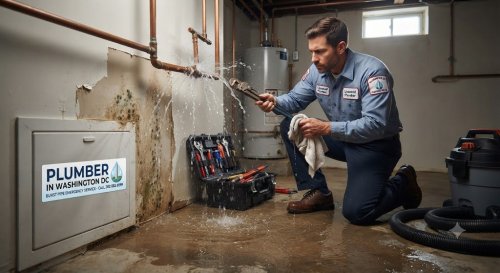
Catastrophic Pipe Bursts: Uncontrolled water gushing into your crawl space or foundation.
-
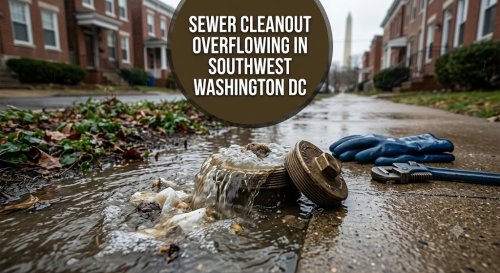
Complete Main Sewer Backups: Wastewater backing up into living areas and floor drains.
-
Total Loss of Potable Water: Complete interruption of clean water supply to the home.
-
Electrical Hazards: Active leaks threatening electrical panels, water heaters, or sub-floor wiring.
Frequently Asked Questions (FAQs)
How do I know if my crawl space has a plumbing leak?
Look for unexplained spikes in your water bill, musty odors, damp ground beneath the house, or the sound of running water when all fixtures are turned off.
Can frozen pipes in a crawl space burst?
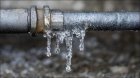
Yes. Uninsulated pipes exposed to freezing winter temperatures expand as water turns to ice, frequently splitting metal or plastic lines and causing major flooding upon thaw.
Should I repair or replace old cast iron pipes?
If your cast iron lines suffer from extensive corrosion, frequent cracking, or root intrusion, a full or partial replacement with modern PVC is typically more cost-effective long-term.
Are DIY plumbing fixes covered by home insurance?
Most standard homeowners insurance policies deny claims resulting from improper DIY installations, gradual neglect, or unpermitted handyman work.
How often should crawl space plumbing be inspected?
Have a licensed professional inspect your sub-floor plumbing and drainage system at least once a year, ideally during your routine seasonal maintenance checks.
Why do pipes rattle or make banging noises?
Water hammering occurs when fast-flowing water stops abruptly, causing shockwaves. This can often be resolved by installing or recharging water hammer arrestors.
What is hydro-jetting and is it safe for old pipes?
Hydro-jetting uses high-pressure water to scour pipe interiors. A professional must first inspect pipe condition via camera to ensure older lines can handle the pressure.
How can I prevent moisture buildup in my crawl space?
Combine proper plumbing leak repairs with adequate cross-ventilation, a sealed vapor barrier, and functioning sump pump systems to keep the sub-floor dry.
Why Homeowners Trust Tims Plumbing HVAC
When facing complex sub-floor challenges, homeowners need a team they can rely on for honesty, skill, and transparent service:
-
Licensed & Background-Checked Technicians: Every professional on our team is fully certified, insured, and rigorously trained in modern plumbing techniques.
-
Upfront, Flat-Rate Pricing: Enjoy complete peace of mind with honest, upfront pricing models and zero hidden overtime surprises.
-
State-of-the-Art Diagnostic Gear: We use advanced camera inspection and leak detection technology to solve problems right the first time.
-
Deep Local Expertise: Proudly serving communities with specialized knowledge of regional infrastructure, soil conditions, and municipal codes.
-
Customer-First Warranties: Backed by ironclad satisfaction commitments and robust workmanship guarantees.