24 Hour Plumber in Washington DC: Common Plumbing Emergencies
Learn how to identify, evaluate, and safely manage urgent plumbing failures in Washington DC, from frozen pipes to sewer backups.
Understanding Plumbing Emergencies in Washington DC Properties
When a plumbing failure occurs outside normal business hours, finding a reliable 24 hour plumber in Washington DC becomes an urgent priority. However, knowing how to respond during the critical first few minutes can make the difference between minor cleanup and catastrophic structural damage. Plumbing emergencies rarely announce themselves in advance. They strike when water pressure spikes, temperatures plummet, or aging infrastructure finally gives way under heavy usage.
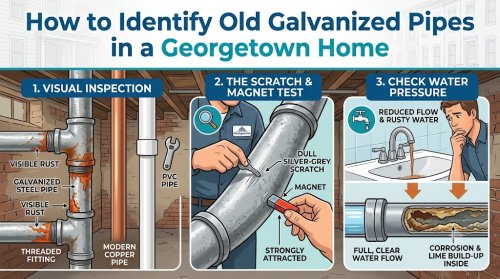
Property types across Washington DC vary dramatically, influencing the exact nature of plumbing failures. Historic rowhouses in Capitol Hill feature tight mechanical spaces, aging galvanized steel pipes, or vintage clay sewer laterals. Modern condominiums and high-rise apartments rely heavily on shared vertical waste stacks and multi-unit supply networks. Meanwhile, suburban-style single-family homes in upper Northwest often feature extensive basement plumbing, sump pumps, and long private water service lines. Understanding how your specific building type interacts with sudden plumbing failures helps clarify why certain emergencies happen and how professionals diagnose them.
What Defines a True Plumbing Emergency?
Not every plumbing issue requires an immediate midnight dispatch. A slowly dripping bathroom faucet or a running toilet that can be temporarily silenced by turning off its dedicated supply valve is certainly annoying, but it rarely constitutes an overnight emergency. A true plumbing emergency involves active, uncontrolled water release, complete sanitary drainage failure, or an immediate threat to health, safety, or property integrity.
Recognizing the boundary between an inconvenience and an emergency prevents unnecessary panic while ensuring prompt action when structural risk is real. When water begins spraying behind a kitchen cabinet, sewage backs up into a basement floor drain, or a main supply line ruptures, every minute counts. Knowing the primary failure types helps homeowners evaluate their situation accurately.
1. Burst and Major Leaking Pipes
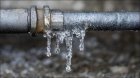
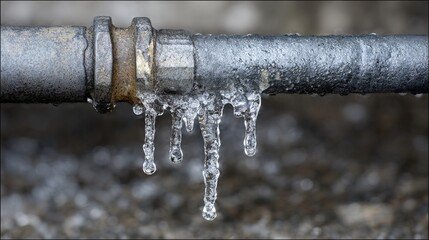
Pipe failures often occur without warning. In Washington DC, freezing winter temperatures can quickly turn uninsulated basement pipes, crawlspace supply lines, or exterior hose bibbs into ticking time bombs. When water freezes inside a rigid pipe, it expands outward with immense pressure. Once the ice plug thaws, the fractured pipe wall unleashes a torrent of water directly into framing, insulation, and drywall.
Older properties with aging copper, polybutylene, or galvanized iron piping can also suffer sudden pinhole leaks or joint separations due to decades of internal mineral corrosion. The visible puddle is frequently misleading; water travels along joists and subflooring, emerging several feet away from the actual fracture.
2. Severe Main Sewer Line Backups
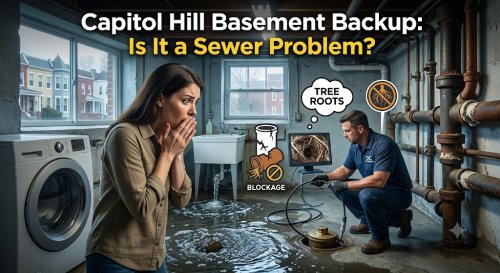
A single slow drain usually points to a localized obstruction within a fixture trap or branch line. However, when multiple plumbing fixtures on the lowest level of a building—such as a basement floor drain, shower, and toilet—simultaneously gurgle, backup, or refuse to drain, the issue almost certainly lies in the main sanitary sewer line.
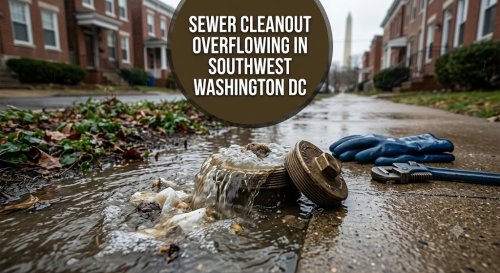
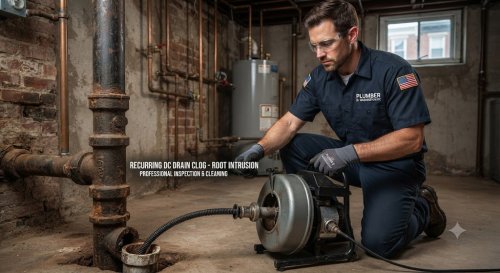
In older neighborhoods, heavy rainfall can overwhelm combined municipal sewer systems, causing backups into private lateral lines. Tree roots, structural sagging, or foreign debris inside the underground lateral can also trap wastewater, forcing raw sewage upward into living spaces. This creates an immediate health hazard requiring rapid containment and specialized diagnostic cleaning.
3. Water Heater Catastrophic Tank Failures
Water heaters operate under constant thermal stress and high internal pressure. When a tank rusts through from the inside out, or when a temperature and pressure relief valve fails catastrophically, tens of gallons of scalding water can flood utility rooms or finished basements in minutes. A tank that is actively leaking from its steel shell rather than a replaceable fitting cannot be patched; it requires immediate emergency replacement.
Immediate Damage-Control Steps Every Homeowner Should Know
When a severe plumbing emergency unfolds, the immediate actions you take determine the extent of property damage. Every adult in a Washington DC home or building should know the precise location of key shutoff mechanisms and how to operate them safely.
- Locate the Main Water Shutoff Valve: In most single-family homes and rowhouses, the main water supply valve is located where the water service line enters the foundation, often near the front wall, in the utility closet, or inside the basement. In some older properties, an exterior curb stop managed by the local utility exists near the street, though operating it typically requires a specialized meter key.
- Know Individual Fixture Stops: Toilets, sinks, and washing machines feature dedicated local shutoff valves beneath or behind them. Turning these valves clockwise stops water flow to that specific fixture without cutting water to the entire building.
- Safely Control Electrical Hazards: Water and electricity are a lethal combination. If a major leak occurs near electrical breaker panels, outlets, or appliances, shut off the affected circuit breakers immediately if you can safely reach the electrical panel without standing in standing water.
- Drain Remaining Pressure: After shutting off the main supply valve, open the lowest faucets in the building to drain remaining water out of the supply lines and minimize ongoing leakage.
What Not to Do During a Plumbing Emergency
Panic frequently leads to well-intentioned mistakes that worsen plumbing failures or create safety hazards. Avoiding common missteps protects your property and your personal safety.
Never attempt to thaw frozen pipes using an open flame, propane torch, or heat gun. This practice creates severe fire risks and can cause superheated steam to rupture the pipe violently. Instead, use safe electrical heating pads, hair dryers, or professional pipe-thawing equipment.
Avoid dumping harsh chemical drain cleaners into a severely clogged or backing-up drain. If the chemical fails to clear the obstruction, it remains trapped in the pipe. When a professional arrives to snake or hydro jet the line, those caustic chemicals can splash back, causing severe chemical burns to skin and eyes.
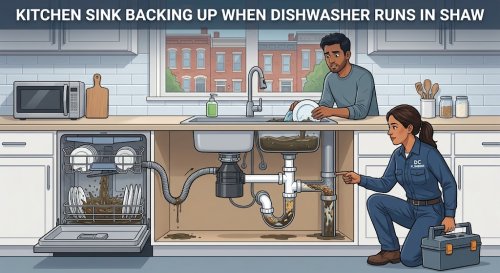
Do not continue to operate washing machines, dishwashers, or flush toilets if you suspect a main drain blockage. Adding more water to a compromised drainage system simply forces more wastewater out of the lowest basement openings.
Professional Diagnostic and Repair Methods
When an emergency technician arrives, professional diagnostics go far beyond guesswork. Depending on the nature of the emergency, specialized tools and techniques pinpoint the root cause rapidly.
Electronic Leak Detection and Thermal Imaging
For hidden leaks behind walls, beneath concrete slab floors, or inside ceiling cavities, emergency plumbers utilize acoustic listening devices and thermal imaging cameras. These tools detect temperature differentials and sound frequencies generated by pressurized water escaping through tiny cracks, allowing for targeted repairs that minimize destructive exploratory cutting into walls or flooring.
Sewer Camera Inspections
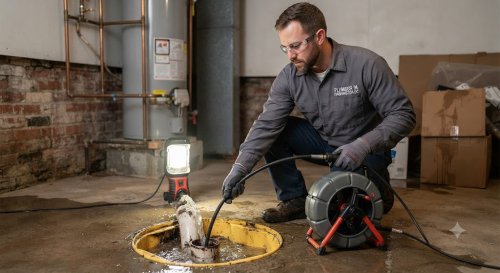
When dealing with recurring sewer backups or mysterious main drain failures, a high-definition waterproof camera is pushed directly into the underground sewer lateral. This reveals root intrusions, offset pipe joints, structural collapses, or grease buildups in real time, ensuring that the repair plan matches the actual underground reality rather than relying on assumptions.
Hydro Jetting vs. Mechanical Snaking
While standard mechanical augers punch a hole through a drain clog, high-pressure hydro jetting uses pressurized water streams (often up to 4,000 PSI) to scour pipe walls completely clean. This removes grease scale, mineral buildup, and invasive roots, restoring old cast iron or PVC drain lines to near-original inner diameters.
Factors Influencing Emergency Repair Costs
Emergency plumbing costs vary widely based on several objective factors rather than arbitrary pricing. Understanding these variables helps property owners evaluate estimates realistically.
- Timing and Urgency: Dispatches occurring during late nights, weekends, or holidays involve higher labor overhead due to after-hours staffing requirements.
- Accessibility: Accessing a pipe suspended in an open basement ceiling is vastly different from excavating beneath a concrete basement floor or working within the tight vertical chases of a historic multi-unit building.
- Material Quality and Scope: Minor repairs like replacing a faulty supply line connector involve minimal material costs, whereas replacing a failed water heater, tunneling beneath a foundation, or performing a major sewer lateral replacement requires heavy equipment, permits, and extensive labor.
- Diagnostic Complexity: Unpredictable hidden damage discovered once walls or pipes are opened can shift a straightforward repair into a more comprehensive restoration project.
Questions to Ask Before Approving Major Emergency Repairs
When faced with a high-stakes plumbing emergency, property owners should feel empowered to ask clear, direct questions before authorizing substantial repairs:
- What is the exact root cause of this failure, and does it affect other parts of the plumbing system?
- Does this repair address the underlying problem, or is it merely a temporary patch?
- What alternative repair or replacement options exist, and what are their long-term durability trade-offs?
- Does this work require permits or inspections under local municipal codes?
- What warranty is provided on the parts and labor associated with this emergency service?
Frequently Asked Questions
How do I know if my plumbing issue is a true emergency?
An issue is a true emergency if it involves uncontrolled water flooding your property, total sewage backup into living spaces, a complete lack of potable water, or frozen pipes that threaten to burst. Minor drips or slow single-fixture clogs can usually wait for scheduled business hours.
Where is the main water shutoff valve typically located in Washington DC homes?
In most properties, the main valve is found where the water line enters the foundation, usually in the basement, utility room, or crawlspace near the front wall. In some older rowhouses, the shutoff may be located near the front water meter or require an exterior street-side utility box.
Can I use chemical drain cleaners during a severe backup?
No. Chemical drain cleaners are dangerous when standing water is present. If they fail to clear the blockage, they remain trapped in the pipes and pose severe chemical splash hazards to anyone working on the plumbing system.
Why are my basement floor drains bubbling during heavy rainstorms?
Heavy rainfall can overwhelm municipal combined sewer systems, causing stormwater to surge backward into private lateral lines. If check valves or backwater valves are absent, this excess water escapes through the lowest basement drains.
What should I do immediately if a pipe bursts?
Immediately shut off the main water supply valve to stop the flow. Next, turn off electrical power to the affected area if you can do so safely, open faucets to drain remaining water from the lines, and call an emergency plumbing professional.
How can I prevent my pipes from freezing during cold winter snaps?
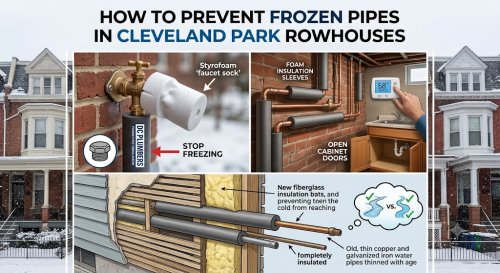
Insulate exposed pipes located in unheated areas such as crawlspaces, exterior walls, and unconditioned basements. During extreme cold spells, allowing a small, steady drip from vulnerable faucets can keep water moving and prevent ice from forming.