Capitol Hill Basement Backup: Is It a Sewer Problem?
Worried about a wet basement in Capitol Hill? Learn the signs that your basement backup is a serious sewer problem and when you need to call a DC plumber.
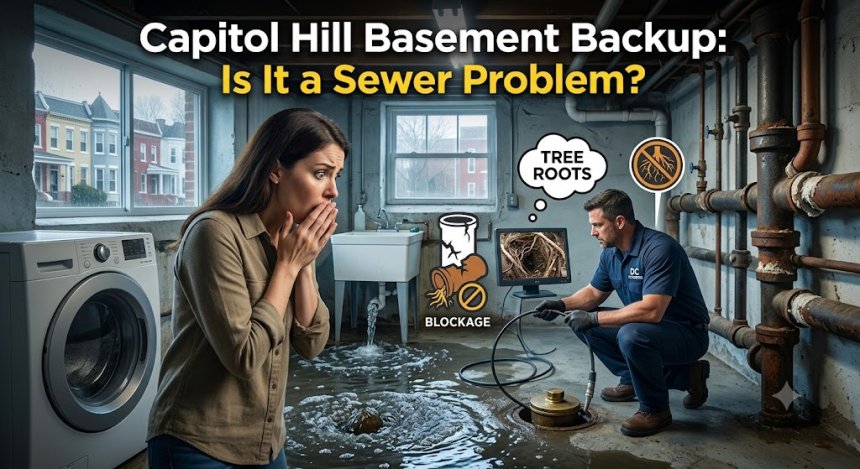
How to Tell If Your Basement Backup Is a Sewer Problem in Capitol Hill
Living in a historic home on Capitol Hill offers unmatched charm, but it often comes with a less-than-charming reality: outdated plumbing systems. Few household events trigger more panic and disgust than finding water—or worse, sewage—bubbling up through your basement drains. For Capitol Hill homeowners, this isn't just an inconvenience; it’s a potential health crisis and a structural threat that demands immediate attention.
Understanding the difference between a simple, localized drain clog and a full-blown main sewer line failure is critical. Many residents initially jump to the conclusion that a slow sink means the whole house is backing up, while others ignore serious warning signs that lead to catastrophic, and expensive, main drain collapses. This guide is written for you, the Capitol Hill resident, to help you diagnose your basement issues calmly and practically before you pick up the phone to call a plumbing company.
What Is a Basement Backup vs. a Main Sewer Problem?
A basement backup is a general term describing water reversing its flow and emerging from the lowest drains in your home. These low-level escape points are typically your basement floor drains, utility sinks, standpipes for washing machines, and any basement toilets or showers.
The critical distinction is between a local drain clog and a main sewer problem.
Local Drain Clogs
A localized clog happens in a single, isolated "secondary" drain line within your house. Think of a clog in the pipe running from your kitchen sink, or your second-floor master shower.
-
Definition: Water backs up into only that one fixture.
-
Symptoms: Your kitchen sink won't drain, but your toilets and showers elsewhere function perfectly.
Main Sewer Problems
A main sewer problem is far more serious. It means the 4-inch "main sewer lateral" line that carries all the wastewater from your entire house to the DC municipal sewer main under the street is blocked, broken, or has collapsed.
-
Definition: All the wastewater produced anywhere in your home has nowhere to go.
-
Symptoms: Because this main line is blocked, the water backs up to the lowest open point in your system—your basement.
This is the central issue we need to address. If you flush an upstairs toilet and water gurgles or rises in your basement shower, you aren't dealing with a simple clog; you are dealing with a main drain problem.
Why Does a Basement Sewer Backup Happen in Capitol Hill?
While backups can occur anywhere, historic neighborhoods like Capitol Hill are uniquely vulnerable due to aging infrastructure and environmental factors.
1. Aging and Outdated Pipes
The original sewer lines on Capitol Hill were often constructed of vitrified clay pipe. Clay is durable but brittle. Over 70-100 years, ground settling causes these pipes to shift, offset, and crack at the joints. Original cast iron lines also corrode from the inside out, narrowing the pipe diameter and creating a rough surface that catches debris.
2. Tree Root Intrusion
Capitol Hill’s beautiful, mature, tree-lined streets are one of its greatest assets. Unfortunately, those same trees have expansive root systems that hunt for water. Tiny hairline cracks in old sewer pipes release moisture, attracting roots. Roots enter the pipe and grow into massive, sponge-like obstructions that block all flow and eventually crush the pipe entirely.
3. FOG Build-Up (Fats, Oils, and Grease)
This is a modern problem. Homeowners who pour grease down the kitchen sink are setting themselves up for main drain failure. FOG coats the interior of cold underground pipes, narrowing the opening until a total blockage occurs. FOG blockages are especially common in lines that are already rough from corrosion or scale.
4. Overloading During Heavy Rainstorms (Combined Sewers)
Washington, DC, like many older cities, operates on a combined sewer system in some older areas. This means a single large pipe carries both municipal sewage and stormwater runoff from the street gutters. During severe downpours common in DC summers, the massive volume of rainwater can overload the combined main under the street. When that main main line fills, it creates backpressure that forces city sewage back up your private lateral line, erupting through your basement floor drain.
Signs Your Basement Backup Is Definitely a Sewer Problem
Do not ignore these clear warning signs. They are your plumbing system’s cry for emergency help.
-
Multiple Fixtures Are Backed Up simultaneously: If your ground floor toilet is overflowing, and your basement shower won't drain, and your kitchen sink is slow, it isn't coincidence. All drains are being blocked by a main drain failure downstream.
-
Sewage Odors are rising from Drains: Strong, persistent odors of sewer gas (a distinct rotten egg smell) wafting from your basement floor drain or utility sink means the water seal in the trap has dried out or, more likely, sewage is backing up nearby.
-
Fixtures Gurgle or Bubble: If you flush an upstairs toilet and hear a bubble-pop sound from your kitchen sink or basement shower, that is a sign of air being trapped in the sewer line by a main drain obstruction.
-
The Problem Starts in the Basement First: Main drain backups affect the lowest point first. If your upstairs fixtures are fine, but you notice water pooling around your basement floor drain during laundry cycles, this is the earliest indicator.
-
DC Water or Plumbers are Working on Your Street: Sometimes, the problem is on the city’s side of the main tap. If DC Water crew is out working on the public sewer main near your home, that work can trigger backpressure into private laterals.
People Also Ask
Why does my toilet gurgle when the sink drains?
This is a classic symptom of air being trapped inside your home's main vent stack by a developing main sewer line clog downstream. Water moving past the clog has nowhere to push the air, so the air vents backward through the fixture traps.
Is a basement sewer backup an emergency?
Yes, a sewage backup is a biological health emergency. Raw sewage contains harmful bacteria, viruses, parasites, and fungi that can lead to severe illness and toxic mold growth in your home.
Will a sewer backup fix itself over time?
No. Sewer line problems, especially those caused by tree roots or corrosion, never heal themselves. They will continue to narrow and block your line until a total, catastrophic failure occurs.
When to Call an Capitol Hill Emergency Plumber
Some situations cross the line from standard repair to immediate biological health risk. Call an Capitol Hill emergency plumber immediately if:
-
Raw Sewage Is Actively Flowing into your Basement: This creates a dangerous biohazard environment.
-
Multiple Ground-Floor Fixtures are Backing Up simultaneously: You are at imminent risk of total plumbing failure.
-
Foul Sewage Odors are Strong and Widespread: Sewer gas (hydrogen sulfide) is toxic in high concentrations.
-
Wastewater approaches Electrical Systems: Rising basement water near outlets or appliances risks electrical fires or shock.
Immediate action is essential during a main drain failure to minimize water damage, prevent biohazard contamination, and protect your home’s historic foundation.
Common Plumbing Problems Related to Main Sewer Backups
A main drain failure is often just the beginning of your plumbing issues. In Capitol Hill rowhomes, we frequently see the following related problems:
-
Foundation and Sump Pump Failures: Constant water pressure from leaking sewer lines can crack basement slabs and overwhelm aging sump pumps, turning your basement into a swimming pool.
-
Mold and Water Damage: Once water enters historic drywall, insulation, or wood trim, toxic mold begins growing within 24-48 hours, turning a plumbing repair into an extensive mold remediation project.
-
Toilet and Fixture Damage: Continued backpressure from repeated backups can stress and damage expensive plumbing fixtures like toilet fill valves and faucet cartridges.
Step-by-Step Professional Main Sewer Repair Process
If you suspect a main drain failure, you cannot solve this alone. Here is how a licensed plumber in Capitol Hill typically handles the issue:
Step 1: Emergency Inspection and Access
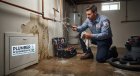
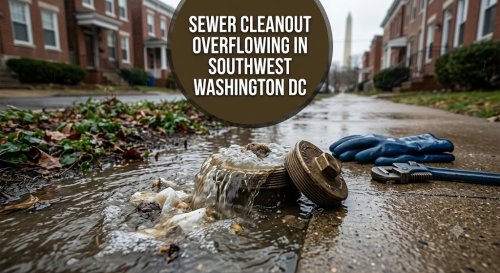
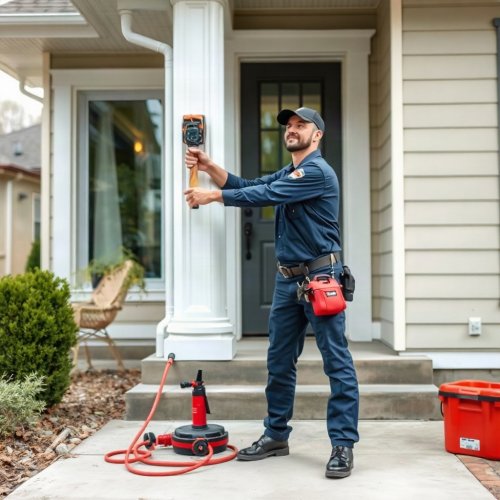
The plumber first ensures all household water use stops to halt active flooding. They will locate your main sewer cleanout—a small access pipe with a threaded cap, usually found in your basement utility room or sometimes outdoors near the front porch.
Step 2: Diagnostic Sewer Scope Inspection (Camera Inspection)
This is the most critical step. A specialized, high-definition waterproof camera is navigated through the cleanout and down your main lateral line. This provides real-time video footage of the interior of your pipe, pinpointing the exact location and cause of the backup—whether it is root mass, FOG blockage, pipe collapse, or corrosion.
Step 3: Diagnosis and Estimates
Based on the camera footage, the plumber determines the most appropriate and cost-effective clearing or repair method and provides a clear, itemized quote with various options.
Step 4: Clearing the Line (Snaking or Hydro Jetting)
-
For Minor Roots or Debris: A heavy-duty motorized drain auger (sewer snake) uses rotating blades to cut through moderate root intrusion and push debris to the city main.
-
For FOG, Heavy Scale, or Severe Sludge: A mini-hydro jetter uses high-pressure water streams (up to 4,000 PSI) to wall-scour the interior of the pipe, flushing grease and scale clean.
Step 5: Professional Main Drain Repair or Replacement
If the camera reveals pipe structural failure (collapse, offset, or heavy cracks):
-
DC Trenchless Sewer Repair (CIPP Pipe Lining): This modern method relines your old pipe with a new, seamless epoxy resin tube without extensive digging, saving your front landscaping and retaining walls.
-
Open-Trench Excavation: In some cases, such as pipe collapse or severe sags, traditional excavation is necessary to replace broken pipe sections.
Step 6: Post-Repair Testing and Cleanout Access
After clearing or repair, a second camera inspection verifies that the pipe is wide open and structurally sound. Cleanouts are sealed, and the area is disinfected.
Tools Professionals Use for Capitol Hill Sewer Problems
Resolving main drain failures requires specialized industrial equipment:
-
Sewer Scope Inspection Cameras: High-resolution cameras with integrated transmitters to map exact pipe location.
-
Commercial Hydro Jetters: Ultra-high pressure water jetting units built for wall-scouring heavy grease clogs.
-
Motorized Drain Augers (Sewer Snakes): Industrial-strength snaking units with various cutting heads for clearing tree roots.
-
Dielectric Unions and Non-Ferrous Tools: Essential for working around mixed-metal historic Capitol Hill plumbing without causing accelerated corrosion.
-
Trenchless CIPP Lining Rigs: Equipment used to invert, inflate, and cure epoxy pipe liners inside existing pipes.
Cost Factors of Main Sewer Line Repairs
We will never provide fake fixed prices because historic systems vary wildly. Main sewer line repair cost DC is shaped by several factors:
-
Clog or Blockage Type: Simple mechanical snaking costs significantly less than high-pressure hydro jetting needed for grease clogs.
-
Depth and Location of the Pipe: Lines buried deeply under finished basement slabs or retaining walls cost far more to access than lines under open lawn areas.
-
Extent of Pipe Damage: Patching a localized leak at a joint is far less expensive than replacing a collapsed line entirely or repiping a historic house.
-
Method of Repair: Trenchless sewer relining often has a higher upfront cost for materials and specialized equipment but saves thousands by eliminating the need to tear up landscaping or retaining walls.
-
Permitting and City Coordination: Capitol Hill work requires navigating DC permits, especially if excavation extends into public right-of-ways (sidewalks or streets).
Plumbing repair costs vary depending on the severity of the problem, accessibility, materials required, emergency service, property type, and local labor rates.
Hidden Truths Homeowners Should Know
Understanding these practical realities can save you thousands:
-
Insurance May Not Cover neglecting Plumbing: Most standard homeowners policies cover sudden and accidental water damage but exclude damage caused by gradual main sewer line neglect or tree root intrusion unless you have a specific sewer backup endorsement.
-
A Patchwork of Temporary Fixes often Fails: Chemical drain cleaners never clear main line problems and eventually dissolve cast iron and lead lines, turning minor fixes into major failures.
-
Small Leaks Become Expensive Repairs: A minor drip on your basement soil stack over a decade slowly rots supporting wooden beams and ceiling joists, turning a small pipe fix into a major structural remediation.
-
Tree Roots will return: Unless the pipe is permanently relined or replaced, simply cutting roots provides temporary relief. They will grow back within 12-24 months.
-
Annual Maintenance Saves Money: Spending money on annual camera inspections and preventive hydro jetting prevents catastrophic main line collapses and biohazard basements.
15 Common Mistakes Capitol Hill Homeowners Make
-
Ignore Slow Drains: Treating a slow fixture as minor rather than early warning of main line clog.
-
Use Chemical Drain Cleaners: Caustic chemicals ngồi on top of clog without dissolving it, eating pipes instead.
-
Flush Wipes and Feminine Products: These "flushables" do not dissolve and lock up main sewer laterals.
-
Hiring Unlicensed Operators: Risking improper repairs on delicate historic systems with non-ferrous piping.
-
Skipping Annual Inspections: Forgetting that historic pipes require proactive monitoring.
-
Neglecting Gutters and Downspouts: Allowing massive rainwater surges to dump right next to the foundation, overloading basements.
-
Ignoring Water Pressure Problems: Excessive pressure stresses old cast iron fittings.
-
Waiting until Biological Emergencies to act: Risking health and major restoration costs.
-
Over-tightening Plumbing Fittings: Cracking old terracotta or brittle PVC during DIY attempts.
-
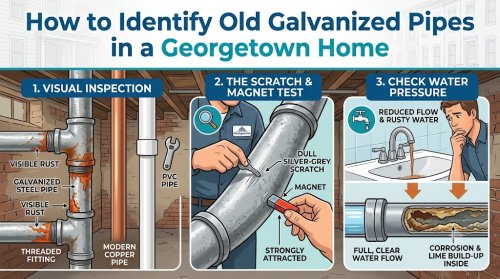
Using Wrong Pipe Materials: Patching galvanized pipes with non-compatible metals like copper without proper insulation.
-
Pouring Grease Down Drains: FOG is the leading cause of modern kitchen-related main drain failures.
-
Ignore Toilet Gurgling: This is your primary warning system for main line failures.
-
Failing to Insulate Pipes: Leaving utility room pipes exposed during harsh DC winters.
-
Forgetting Main Shut-off location: Inability to stop water flow quickly during catastrophes.
-
Relying on Temporary Fixes: Expecting duct tape or rubber patches to last more than a week under pressure.
15 Practical Maintenance Tips for Historic Rowhouses
-
Schedule Annual Main Sewer Line Camera Inspections: Proactively spot roots and corrosion.
-
Practice Proper Garbage Disposal Use: Avoid feeding it stringy vegetables, bones, or heavy grease.
-
Use Drain Strainers Everywhere: Prevent hair, dental floss, and objects from entering drain lines.
-
Insulate exposed utility lines: Focus on basement utility rooms and crawlspaces.
-
Know Your Main Shut-off Valve Location: Test it annually.
-
Avoid Chemical Drain Openers: Use enzymatic biological cleaners instead for slow drains.
-
Flush Drains Periodically with hot water: Help move fresh debris through P-traps.
-
Manage DC Rainwater and combined systems: Extend downspouts at least 5-10 feet away from the foundation.
-
Monitor DC Water Street Work: Be aware if construction is triggering combined system backpressure.
-
Check Sump Pumps regularly: Test float switches and install battery-backup systems.
-
Practice conservative water use during major storms: Reduce home discharge volume.
-
Install a Sewer Backwater Valve: The single best protection against Capitol Hill combined sewer system backups.
-
Clean Faucet Aerators: Improve flow and pressure balance.
-
Document older pipes and mixed materials: Understand cast iron vs PVC runs.
-
Keep Emergency Plumbing contact info saved: Be ready when catastrophes strike.
Why Choose Our Plumbing Company in Washington DC
When your historic Capitol Hill home faces a serious biological health risk like a main drain failure, you need professional expertise, not guesswork. At plumber in Washington DC, we have navigated the unique challenges of DC rowhouses for years.
-
Experienced licensed plumbers: We understand the nuances of historic DC plumbing systems—from vitrified clay mains to original lead supply entries—and know how to diagnose them accurately.
-
Honest recommendations: We will never push for a total replacement if a localized trenchless repair is the safe and structural solution.
-
Upfront estimates: You will receive clear, straightforward, itemized quotes before any work begins, avoiding "historic property surcharges."
-
Fast response: Sewer backups are emergencies; we offer rapid local response times across the District.
-
Modern non-invasive equipment: We use non-invasive camera inspections and non-excavation pipe lining techniques whenever possible to protect your front porch retaining walls and landscaping.