Emergency Pluner in Washington DC: Burst Pipe Guide
Experiencing a burst pipe in Washington DC? Discover immediate steps, warning signs, repair processes, costs, and why to call our expert local emergency plumbers
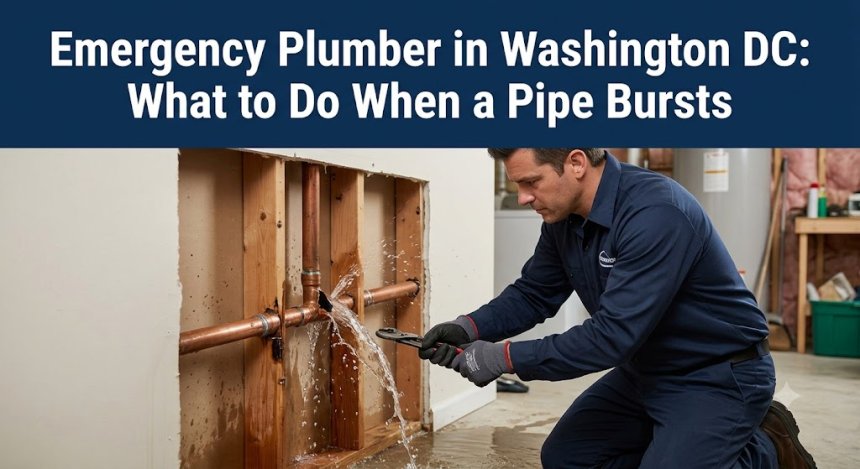
Emergency Plumber in Washington DC: What to Do When a Pipe Bursts
What to Do First When a Pipe Bursts in Washington DC
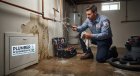
When a pipe bursts in your home or commercial building, every second counts. Hundreds of gallons of pressurized water can flood your living space within minutes, threatening structural wood, drywall, electrical wiring, and valuable property. Whether you live in a historic row house in Georgetown or Capitol Hill, a condo in Navy Yard, or a single-family home in Northwest DC, dealing with a burst pipe requires immediate, systematic action before an emergency plumber arrives.
Understanding what causes pipe failures, knowing how to shut off your water main, and taking safe containment steps will drastically minimize structural damage and save thousands of dollars in restoration costs.
What Is a Burst Pipe?
A burst pipe occurs when the physical structure of a water supply line yields to internal pressure, chemical corrosion, physical impact, or freezing temperatures. Unlike a slow fixture drip or a loose faucet seal, a burst pipe involves a sudden crack, split, or complete separation of metal or plastic tubing.
Common Situations
-
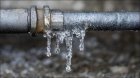
Winter Freeze-Thaw Cycles: Water expands by roughly 9% as it freezes. In uninsulated crawl spaces, exterior walls, or basements, ice plugs create extreme hydraulic pressure downstream, blowing out copper joints or splitting PVC walls.
-
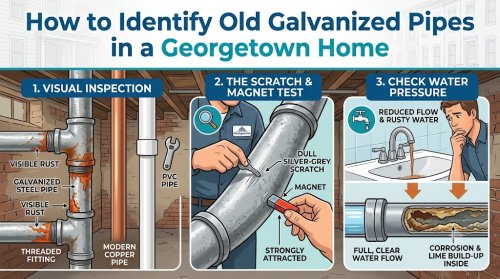
Corroded Metal Lines: Older homes built across Washington, DC before the 1970s often feature galvanized steel or thin-wall copper piping that corrodes from the inside out until the metal wall ruptures under normal house pressure.
-
Pressure Spikes: Municipal supply surges or failing pressure-reducing valves (PRVs) force static water pressure above safe operating limits (60–80 PSI), bursting aging pipes at weak solder points.
Symptoms of a Burst Pipe
-
Loud popping, thumping, or continuous rushing water sounds inside walls or ceilings.
-
Sudden, severe loss of water pressure at faucets and showerheads.
-
Water visibly pooling on floors, bulging through drywall, or dripping through light fixtures.
-
The main water meter dial spinning rapidly even when all indoor fixtures are completely turned off.
Why Does This Plumbing Problem Happen?
Pipe ruptures rarely occur without cause. They are usually the result of long-term environmental stress, physical wear, or system neglect.
1. Freezing Winter Temperatures
Mid-Atlantic winter cold snaps frequently push temperatures below freezing in DC. When water inside supply lines freezes, it forms an ice blockage. The ice pushes water down the pipe toward closed faucets, building immense pressure between the block and the valve until the pipe walls tear open.
2. Aging and Corroded Piping Materials
Galvanized steel pipes have an average lifespan of 40 to 50 years. As they age, internal rust narrows the pipe interior while weakening the metal walls. Copper lines exposed to acidic water or stray electrical currents suffer from pinhole leaks that eventually turn into full split seams.
3. High Municipal Water Pressure
Standard domestic water pressure should remain between 40 and 60 PSI. When municipal water systems pump water at high pressure—or when home pressure regulators fail—internal stress on pipe joints, valves, and flexible appliance lines increases significantly, leading to sudden blowouts.
4. Tree Root Intrusion
In older DC neighborhoods like Adams Morgan and Dupont Circle, mature oak and maple trees extend roots deep into the ground. Roots seek moisture and enter tiny cracks in underground sewer or main supply lines, expanding inside the pipe until the line splits or collapses entirely.
5. Mechanical Damage and Improper Installation
Previous unpermitted renovations, over-tightened threaded fittings, unsecured pipes that rattle against wall studs (water hammer), or improper soldering techniques leave vulnerability throughout the plumbing network.
Signs You Should Never Ignore
Plumbing systems usually display warning signs well before a pipe completely ruptures. Recognizing these early warning signs allows you to schedule preventative repairs before facing a major flood.
Common Plumbing Problems Related to Burst Pipes
A burst pipe often triggers or connects to other systemic plumbing failures across the property:
-
Slab Leaks: Ruptures in supply lines buried beneath concrete foundation slabs can wash away supporting soil, causing structural foundation settling.
-
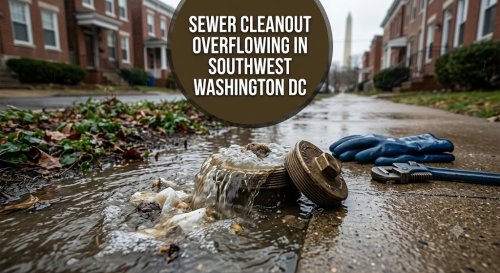
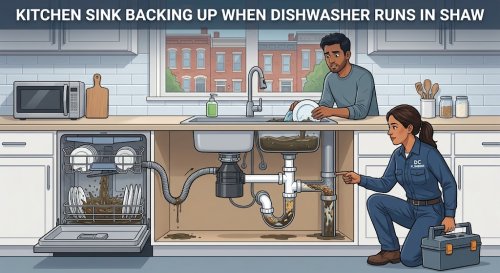
Sewer Line Backups: Blocked or burst sewer main lines allow raw sewage to back up through basement floor drains and lower-level fixtures.
-
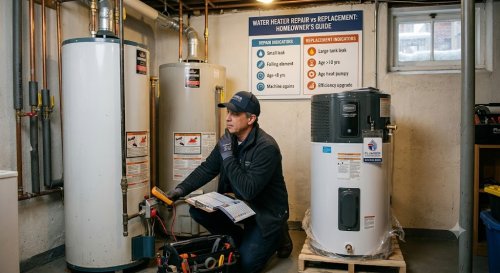
Water Heater Tank Ruptures: Corroded cold water inlet lines or malfunctioning pressure relief valves on water heaters can lead to tank bursts and basement flooding.
-
Ceiling Collapses: Water pooling above drywall or plaster ceilings adds hundreds of pounds of weight, leading to sudden overhead drywall collapses.
-
Electrical Hazards: Water dripping into electrical panel boxes, junction boxes, or outlet receptacles creates fire and shock hazards requiring immediate breaker shutoffs.
Step-by-Step Professional Repair Process
When an emergency plumber arrives at your DC property during a pipe crisis, they follow an industry standard repair protocol:
[Step 1: Emergency Isolation & Containment]
                   │
                   ▼
[Step 2: Leak Location & System Inspection]
                   │
                   ▼
[Step 3: Upfront Repair Strategy & Estimate]
                   │
                   ▼
[Step 4: Precision Pipe Repair or Section Replacement]
                   │
                   ▼
[Step 5: Hydrostatic Pressure & Safety Testing]
                   │
                   ▼
[Step 6: Site Cleanup & Sanitization]
                   │
                   ▼
[Step 7: Preventative Recommendations & Documentation]
Step 1: Emergency Inspection and Water Isolation
The plumber immediately confirms that the main water shutoff valve is fully closed and isolates electrical circuits near the flooded area to guarantee site safety.
Step 2: Leak Location and Structural Diagnosis
Using non-invasive diagnostic tools, the technician pinpoint the exact site of the burst—even if it is hidden behind plaster walls, beneath hardwood floors, or underground.
Step 3: Upfront Estimate and Plan
The plumber explains the necessary repair method (such as localized pipe section replacement, copper soldering, or PEX conversion) and gives a clear estimate before work begins.
Step 4: Precision Repair or Section Replacement
The damaged pipe section is removed using specialized cutters. The plumber installs high-grade copper, brass, or PEX piping using press-fit connections, commercial-grade soldering, or mechanical couplings designed to withstand high pressure.
Step 5: System Pressure Testing
The main water line is reopened slowly to bleed trapped air from the lines. The system is pressurized and monitored with diagnostic gauges to confirm that zero leaks remain.
Step 6: Cleanup and Sanitization
Standing water in the immediate repair zone is removed, and exposed framing or surfaces are sanitized to prevent mold spore development.
Step 7: Maintenance Advice and Insurance Documentation
The plumber provides detailed documentation, photographs, and invoice descriptions for your insurance provider, alongside recommendations to prevent future pipe splits.
Can You Fix It Yourself?
Dealing with a burst pipe is an absolute plumbing emergency. While long-term repairs require a licensed professional, homeowners should take key safe containment steps immediately:
Safe Emergency Steps Homeowners CAN Take
-
Locate and Shut Off the Main Water Valve: Turn the main gate or ball valve clockwise until completely stopped. In DC row homes, this valve is typically near the front basement wall or inside a water meter pit near the curb.
-
Drain Remaining Water: Open the lowest indoor and outdoor faucets (such as basement laundry sinks or hose spigots) to drain standing water pressure out of the plumbing system.
-
Turn Off Water Heater Power: Shut off the gas supply valve or flip the electrical breaker supplying power to your water heater to prevent tank burn-out.
-
Apply Temporary Pipe Wraps: If the leak is a visible, small slit on an accessible pipe, apply an emergency rubber pipe clamp or self-fusing silicone tape as a short-term holding measure until the plumber arrives. Never open the main water valve back up while relying on a temporary patch.
When DIY Repairs Become Dangerous
-
Never attempt to solder copper pipes near wet, flammable insulation or wood framing without commercial heat shields and fire containment gear.
-
Never open electrical breaker panels or handle electrical equipment while standing in flooded water.
-
Never attempt to cut into walls without verifying the location of electrical conduit and gas supply lines behind the drywall.
Tools Professionals Use for Pipe Repairs
Modern plumbing repairs rely on advanced diagnostic and installation technology to ensure structural accuracy without unnecessary damage to your home:
-
Acoustic Leak Detectors: Amplifies the sonic frequencies created by pressurized water escaping from underground or in-wall pipes.
-
Thermal Imaging Cameras: Detects subtle temperature changes behind drywall, highlighting hidden moisture plumes without opening walls unnecessarily.
-
Pipe Inspection Cameras: High-definition waterproof cameras pushed through sewer and drain lines to inspect internal pipe conditions.
-
Commercial Hydro Jetters: Clears stubborn roots and ice blockages from drain and sewer lines using high-pressure water streams (up to 4,000 PSI).
-
Press-Fit Joining Tools: Creates permanent, flame-free mechanical seals on copper and PEX lines without the open-flame risks of traditional torch soldering.
How Long Does the Repair Usually Take?
Repair timelines depend on pipe location, structural accessibility, and the extent of material replacement required:
-
Simple Access Repair (Exposed Pipe in Basement/Utility Room): 1 to 2 hours.
-
In-Wall or Under-Floor Section Replacement: 3 to 5 hours (includes drywall access cutting and structural isolation).
-
Main Water Line Replacement or Trenchless Line Repair: 1 to 2 days.
-
Emergency Dispatch Response Time: Typically within 30 to 60 minutes for urgent local calls in the Washington DC area.
Cost Factors in Emergency Burst Pipe Repair
Plumbing repair costs vary depending on the severity of the problem, accessibility, materials required, emergency service, property type, and local labor rates.
To understand where your repair investment goes, consider these primary cost drivers:
-
After-Hours / Emergency Service Charges: After-hours, weekend, or holiday dispatch rates reflect immediate mobilization and rapid response.
-
Accessibility and Demo Work: Pipes buried under concrete slabs, behind plaster walls in historic properties, or beneath exterior landscaping require additional labor to access.
-
Material Selection: Type L copper, commercial-grade brass fittings, and high-density PEX tubing carry different material price points.
-
Municipal Permits and Inspections: Major main-line replacements in Washington DC may require city utility permits and local plumbing inspections.
-
Water Restoration Needs: Secondary water extraction, drying equipment, and structural mold prevention are separate from direct pipe repair costs.
Hidden Truths Homeowners Should Know
-
Small Leaks Turn into Catastrophic Blowouts: Pinhole leaks act as stress points; continuous water flow degrades the metal until the pipe splits open entirely under pressure spikes.
-
Cheap Temporary Putty Always Fails: Emergency epoxy putties and wraps are designed solely for temporary containment while waiting for a plumber—they cannot handle full dynamic line pressure for daily household use.
-
Insurance Covers Sudden Water Damage, Not Neglect: Insurance policies generally cover sudden burst pipe claims, but adjusters will deny coverage if the failure was caused by unheated conditions during extended trips or years of unaddressed corrosion.
-
Tree Roots Return Unless Pipes Are Sealed: Simply clearing tree roots with a drain snake provides short-term relief; roots will re-enter the line within months unless the pipe is relined or replaced.
-
DIY Over-Tightening Causes Future Splits: Over-torquing threaded brass or PVC pipe fittings weakens male and female threads, leading to stress fractures that burst months later.
-
Water Damage Spreads Within Minutes: Drywall absorbs water rapidly through capillary action, weakening ceiling framing and encouraging mold growth within 24 to 48 hours.
15 Common Mistakes Homeowners Make
-
Failing to Locate the Main Water Shutoff Before an Emergency: Searching for the main valve while water is gushing wastes critical minutes.
-
Leaving Outdoor Hoses Connected in Winter: Trapped water inside connected garden hoses freezes back into the sillcock valve, splitting interior copper pipes.
-
Using Chemical Drain Cleaners on Frozen or Clogged Pipes: Harsh caustics produce exothermic reactions that can crack brittle cold pipes while trapping hazardous chemicals inside the line.
-
Cracking Water Heater Pressure Relief Valves Incorrectly: Tampering with faulty safety valves can cause scalding water releases or complete valve seal failures.
-
Ignoring Banging Pipes (Water Hammer): Hydraulic shock waves weaken mechanical joints every time a faucet closes quickly.
-
Hiring Unlicensed Handymen for Emergency Plumbing: Unlicensed workers lack proper liability insurance, backflow certifications, and knowledge of DC plumbing codes.
-
Turning On Electrical Appliances in Flooded Basements: Operating equipment in standing water presents a severe electrocution risk.
-
Setting Indoor Thermostats Below 55°F in Winter: Lowering heat too far during winter trips invites frozen pipes in exterior wall cavities.
-
Over-Tightening Supply Line Nuts: Cracking plastic or brass fill valve nuts on toilets and sinks leads to unexpected supply line blowouts.
-
Ignoring Minor Green Corrosion on Copper Fittings: Green copper oxide (patina) signals an active slow leak that is actively eating through the pipe wall.
-
Flushing "Flushable" Wipes Down Drains: Wipes do not dissolve like toilet paper; they snag on rough pipe joints and cause severe drain backups.
-
Pouring Melted Fats and Cooking Oils Down Sinks: Fats solidify inside drain pipes, catching debris and causing high-pressure drain line blockages.
-
Skipping Annual Water Pressure Checks: Operating above 80 PSI damages appliance valves and pipe fittings across the home.
-
Waiting Days to Call an Emergency Plumber: Delaying professional intervention expands water damage from a simple pipe replacement into an expensive structural restoration project.
-
Forgetting to Drain Secondary Water Lines Before Winter: Irrigation systems, pool lines, and detached garage lines must be blown out before cold weather sets in.
Preventative Maintenance Tips
Proper maintenance is the best defense against plumbing emergencies. Follow these practical steps to protect your home year-round:
Seasonal Winterizing Tips
-
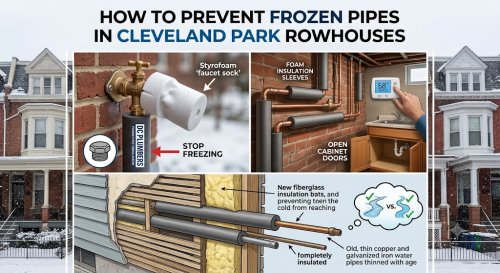
Insulate Exposed Pipes: Wrap foam pipe insulation or heating cables around water lines running through unheated basements, crawl spaces, attics, and garages.
-
Disconnect Garden Hoses: Remove, drain, and store all outdoor hoses before the first autumn freeze; turn off interior shutoff valves leading to outdoor spigots.
-
Keep Cabinet Doors Open During Cold Snaps: Allow warm household air to circulate around kitchen and bathroom sink plumbing located against exterior walls.
-
Let Faucets Drip During Extreme Cold: A slow drip from faucets connected to exposed pipes keeps water moving and relieves hydraulic pressure if ice begins to form.
Year-Round System Care
-
Check Your Water Pressure Regularly: Install a simple pressure gauge on a hose bib to verify your house pressure stays between 40 and 60 PSI. Replace your pressure reducing valve (PRV) if readings exceed 75 PSI.
-
Upgrade Appliance Hoses: Replace standard rubber washing machine and dishwasher fill lines with braided stainless-steel supply hoses every 5 years.
-
Test Your Main Water Shutoff Valve: Turn your main ball valve twice a year to ensure the handle operates smoothly without sticking or leaking.
-
Flush Your Water Heater Annually: Drain accumulated sediment out of the bottom of your water heater tank to prevent lower heating element corrosion and tank floor fatigue.
-
Install Smart Water Leak Detectors: Place wireless moisture sensors near water heaters, washing machines, sump pumps, and kitchen sinks for real-time smartphone alerts.
-
Schedule Professional Hydro Jetting for Older Sewer Lines: Keep main drain lines clear of tree root growth and grease buildup with routine professional maintenance.
When Should You Call an Emergency Plumber?
Not every plumbing issue requires an after-hours emergency call, but certain scenarios demand immediate professional response:
                  [Is Water Flow Uncontrolled?]
                            │
               ┌────────────┴────────────┐
               ▼                         ▼
            [YES]                      [NO]
               │                         │
               ▼                         ▼
   [CALL EMERGENCY PLUMBER]   [Is Sewage Backing Up?]
   • Active burst main line              │
   • Water near electrical     ┌─────────┴─────────┐
   • Ceiling actively sagging  ▼                   ▼
                            [YES]                 [NO]
                              │                    │
                              ▼                    ▼
                  [CALL EMERGENCY PLUMBER]  [Schedule Regular
                  • Raw sewage in fixtures   Plumbing Service]
                  • Complete loss of water   • Slow drain
                                             • Minor faucet drip
-
Active Burst Supply Lines: Water pouring uncontrollably from walls, ceilings, or under floors.
-
Sewer Line Backups: Sewage flowing back up through basement drains, shower bases, or toilets.
-
Complete Loss of Water Service: Sudden loss of water pressure across the entire building not caused by municipal service maintenance.
-
Water Leaks Near Electrical Infrastructure: Water dripping onto fuse boxes, subpanels, outlets, or major appliances.
-
Gas Line Odors Near Gas Water Heaters: Distinct rotten egg odors requiring immediate gas main shutoff, evacuation, and emergency plumbing service.
Frequently Asked Questions
What should I do immediately when a pipe bursts in my house?
Shut off your main water valve instantly to stop incoming pressure. Next, turn off electricity to the affected area at the main breaker box if water is near outlets or light fixtures, open low-level faucets to drain remaining water, and contact an emergency plumber.
Why do pipes burst during Washington DC winters?
Washington DC experiences freezing winter temperture drops. Water trapped inside uninsulated pipes expands as it turns to ice, creating high hydraulic pressure downstream that tears open copper, PVC, and galvanized steel pipe walls.
How do I turn off the main water valve in a DC row house?
In most historic DC row homes, the main shutoff valve is located in the basement near the front wall where the water service pipe enters from the street. It is typically a bronze valve with a wheel handle (gate valve) or a straight lever handle (ball valve).
Will homeowners insurance cover a burst pipe repair?
Most standard homeowners insurance policies cover sudden and accidental water damage caused by a burst pipe, along with secondary structural drying. However, coverage may be denied if the insurer determines the burst resulted from long-term unaddressed leaks or leaving a property unheated during winter.
How much water can flood out of a burst pipe per minute?
A ruptured 3/4-inch residential supply pipe under normal household pressure (60 PSI) can discharge between 10 and 20 gallons of water per minute, resulting in over 1,000 gallons of floodwater in under an hour.
Can I use epoxy putty to fix a burst pipe permanently?
No. Epoxy putty, pipe wrap tapes, and rubber clamps are temporary emergency measures meant to slow down leaks while waiting for a licensed plumber. They cannot withstand ongoing household water pressure over time.
What causes pipes to burst in warm weather?
Warm-weather pipe bursts are typically caused by high water pressure spikes, severe interior metal corrosion, physical damage from construction or digging, or tree roots penetrating and expanding inside underground supply and sewer lines.
How do plumbers find hidden leaks inside walls without tearing down drywall?
Licensed plumbers use non-invasive technology including acoustic listening devices, thermal imaging cameras, electronic moisture meters, and inline pipe inspection cameras to locate hidden leaks accurately behind surfaces.
Is PEX tubing better than copper for replacing old burst pipes?
PEX (cross-linked polyethylene) is highly resistant to freezing because it expands slightly without splitting. It is flexible, requires fewer joints, resists scale buildup, and is often quicker to install than rigid copper in tight retrofits.
How long can a house go without water during emergency plumbing repairs?
Most isolated pipe repairs require shutting off the water supply for 1 to 4 hours. If a complete main line replacement or whole-house repiping is necessary, temporary bypass lines or planned daily shutoff windows are arranged by your plumber.
Can a clogged drain or high water pressure cause a pipe to burst?
Yes. High static water pressure over 80 PSI puts continuous mechanical stress on pipe joints and flexible hoses. Severe drain blockages can also build back-pressure in older, weakened drain lines, leading to cracked waste pipes.
When should I replace my home's entire plumbing system instead of repairing single leaks?
If your home still relies on original galvanized steel piping, experiences frequent pinhole leaks across copper lines, or suffers from chronic low water pressure due to internal scale corrosion, a full plumbing repipe is more cost-effective than continuous emergency repairs.
Why Choose Our Plumbing Company?
When a burst pipe threatens your property, you need an experienced, trustworthy plumbing team that responds fast and delivers long-lasting repairs. At plumber in Washington DC, we provide reliable emergency plumbing services tailored to the unique architectural needs of Washington, DC properties.
-
Local DC Expertise: We understand the complex plumbing layouts of historic row houses, modern high-rises, and commercial spaces across Northwest DC, Capitol Hill, Georgetown, Dupont Circle, Adams Morgan, Navy Yard, Shaw, and neighboring communities.
-
Fast Emergency Dispatch: Our emergency response team is available 24/7 to isolate leaks and stop water damage before it ruins your home.
-
Transparent Upfront Estimates: You will receive clear, honest repair recommendations and detailed upfront pricing before any work starts—no surprise charges or hidden fees.
-
Licensed & Insured Plumbing Professionals: Our technicians are fully licensed, bonded, and trained in modern diagnostic and non-invasive pipe repair techniques.
-
Quality Workmanship: We use commercial-grade copper, brass, and PEX piping fittings installed according to strict district plumbing codes to ensure your repair stands the test of time