Introduction
Nothing disrupts a peaceful evening quite like stepping into your bathroom only to discover standing water pooling around your ankles, or noticing a slow, persistent drip echoing from the spout. When you are dealing with a faulty fixture, finding dependable bathtub plumbing repair in Washington, DC becomes an urgent priority. Homeowners across the District—from historic row houses on Capitol Hill to modern condos in Navy Yard—frequently encounter unexpected tub leaks, stubborn clogs, and failing diverters.
Ignoring these issues can lead to severe structural damage, wood rot, and dangerous mold growth beneath your subfloors. Local residents face unique challenges due to the District's historic housing stock, fluctuating water pressure, and aging municipal lines. Addressing these plumbing hurdles early safeguards your property value and ensures your home's water system remains safe, efficient, and fully functional.
Critical Warning Signs: When Your Home is Sounding the Alarm
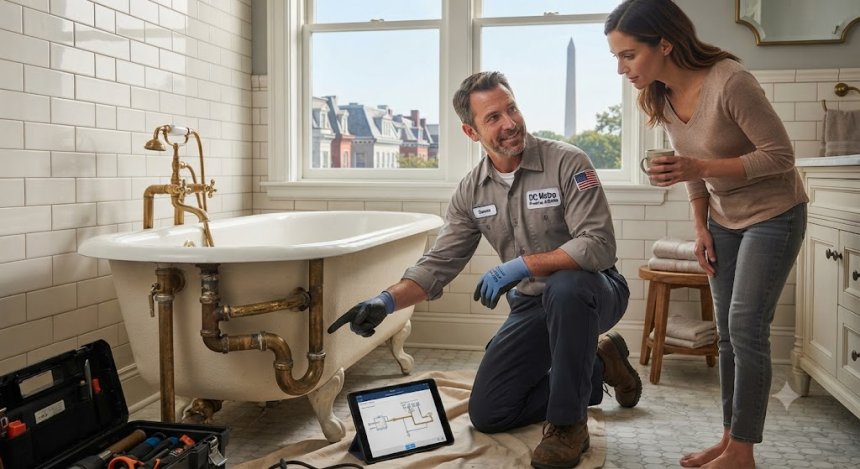
Before a total plumbing failure shuts down your bathroom, your home provides subtle sensory clues. Recognizing these red flags early saves you from catastrophic water damage:
-
Visual & Structural Indicators: Keep an eye out for damp drywall on ceilings below the bathroom, unexplained increases in your monthly water bill, warped floorboards, or loose tiles around the tub enclosure.
-
Auditory Clues: Listen closely for persistent water hammering, loud whistling pipes when the valve is open, or ominous gurgling sounds coming from your drain when nearby sinks are emptied.
-
Olfactory Indicators: Foul sewer gas odors, musty damp-earth smells, or chronic mildew scents often point to a compromised P-trap or a venting failure beneath the floorboards.
Delaying intervention accelerates cascading structural risks. Trapped moisture quickly rots wooden framing, compromises subfloor integrity, and creates a breeding ground for toxic black mold.
Root Causes: Why This Problem Occurs in DC Homes
Understanding why bathtub plumbing fails requires looking at the unique structural and environmental factors found throughout the District:
-
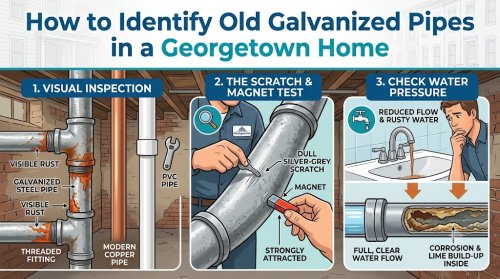
Aging Infrastructure & Historic Piping: Many DC homes feature century-old cast iron or galvanized steel supply and drain lines. Over decades, interior corrosion narrows the pipe diameter, restricting flow and making joints brittle.
-
Hard Water Mineral Scaling: Local municipal water carries dissolved minerals that gradually precipitate out, leaving hard calcium and lime scale buildup inside faucet cartridges, shower valves, and aerators.
-
Water Pressure Fluctuations: High municipal supply pressure puts intense strain on rubber washers, O-rings, and soldered joints, eventually causing sudden pinhole leaks.
-
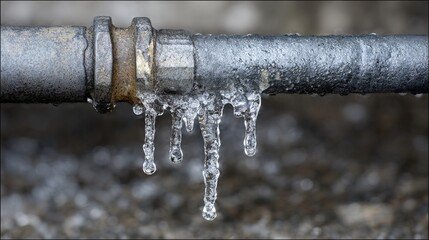
Seasonal Ground Shifting: The District's clay-heavy soil expands and contracts with seasonal temperature extremes, occasionally stressing underground and in-wall waste lines.
-
Daily Mechanical Wear: Constant twisting of older handles and compression stems wears down internal brass and rubber components over time.
Professional Diagnostic & Repair Workflow
When you hire a licensed, insured master plumber, the troubleshooting process follows a systematic, stress-free protocol designed to protect your home:
-
Non-Invasive Triage & Safety Isolation: The technician immediately shuts off local or main water supply lines to stop active leaks safely.
-
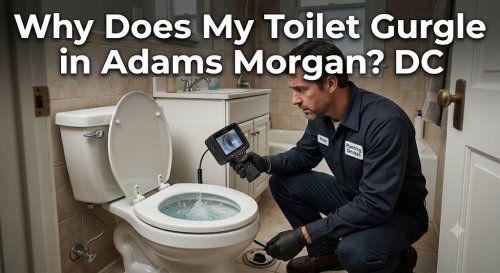
Precision Diagnostic & Digital Video Inspection: Using specialized snake cameras, the pro looks inside the waste and overflow lines to pinpoint cracks or clogs without tearing up walls.
-
Transparent, Upfront Options & Written Estimating: You receive a clear, flat-rate pricing breakdown and repair options before any physical work begins.
-
Code-Compliant Remediation & Part Replacement: The plumber executes the repair using modern materials like durable PEX tubing or heavy-duty brass fittings, meeting all DC municipal codes.
-
Pressure Testing, Flow Verification, & Clean-Up: The system undergoes rigorous pressure testing to guarantee zero leaks, followed by a thorough cleanup of the work area.
Advanced Diagnostics: The Professional Tool Arsenal
Professional plumbing relies on precision engineering rather than guesswork. Here is the heavy-duty gear technicians deploy to solve complex bathtub failures:
-
Push-Rod High-Definition Drain Cameras: These flexible fiber-optic scopes navigate complex tub traps to display real-time video of root intrusions, cracks, or heavy grease buildup.
-
Electronic Acoustic Leak Detectors: Sound-amplifying sensors pinpoint underground or behind-the-wall pressurized leaks by listening for the distinct hiss of escaping water.
-
Digital Manometers & Pressure Testing Gauges: Used to measure system PSI accurately and verify whether pressure-reducing valves need adjustment.
-
Hydro-Jetting High-Pressure Cleaning Units: Blasts away decades of hair, soap scum, and mineral scale to scour drain interior walls back to bare metal.
Financial Breakdown: Cost Factors & Investment Realities
Plumbing repair costs vary depending on accessibility, severity, and material requirements. Understanding the core variables helps you budget effectively:
-
Service Call & Dispatch Fees: Covers the travel time and initial diagnostic assessment by a licensed technician.
-
Accessibility & Labor Intensity: Replacing an easily accessible slip-joint under the tub costs significantly less than cutting into a ceiling below to replace corroded cast-iron drains.
-
Material Selection: Upgrading from aging galvanized pipe to modern copper or flexible PEX impacts overall material costs.
-
Permitting & Code Requirements: Major line replacements or structural alterations in DC may require local permits to comply with strict municipal housing codes.
-
Repair vs. Total Replacement: If a tub fixture is past its service life, investing in a complete trim and valve replacement offers better long-term value than repeatedly patching failing parts.
DIY Reality Check: What You Can Safely Fix vs. When to Step Back
While do-it-yourself projects can be satisfying, plumbing systems involve high risks if mishandled.
-
Safe Homeowner Actions: You can safely clear hair clogs from the visible stopper strainer using a plastic zip tool, replace a worn-out rubber showerhead washer, or apply fresh silicone caulk around the tub rim.
-
The Danger Zone: Avoid attempting DIY main valve replacements, soldering behind finished walls, or using harsh chemical liquid drain openers.
-
When to Call a Pro: If water is actively leaking into structural framing, your main shut-off valve is rusted open, or you notice electrical lines near the damp repair zone, drop the wrench immediately and call a certified professional.
Unique Expert Insights: Hard Truths Homeowners Learn Too Late
Years in the field reveal several hard truths that can save you thousands of dollars in avoidable expenses:
-
Temporary Patch Kits: Relying on epoxy putty or duct tape on pressurized pipes only masks underlying system failures and can void your homeowners insurance claim if a flood occurs.
-
Chemical Drain Cleaners: Pouring harsh acid-based clog removers into your pipes corrodes metal walls from the inside out and destroys rubber gaskets.
-
Unlicensed Handyman Risks: Hiring unqualified handymen often results in unpermitted work and hidden code violations that fail during real estate home inspections.
-
Preventive Maintenance Power: Enrolling in routine plumbing tune-ups costs a fraction of a single emergency midnight flood extraction.
Comprehensive Home Plumbing Maintenance Framework
Proactive care keeps your bathroom running smoothly year-round. Follow this structured seasonal maintenance guide:
-
Spring & Summer Checks:
-
Inspect outdoor hose bibs and test your basement sump pump operation before heavy summer storms arrive.
-
Check exterior foundation grading to ensure rainwater flows away from your plumbing lines.
-
-
Fall & Winter Preparation:
-
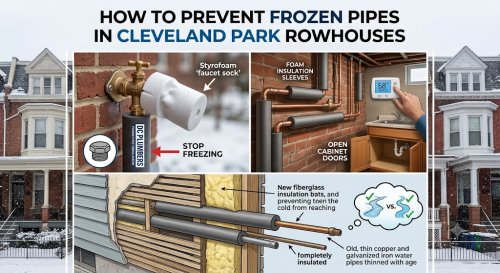
Insulate exposed pipes located in unheated crawlspaces or exterior walls to prevent freezing.
-
Flush your water heater tank to remove sediment buildup that strains heating elements.
-
-
Year-Round Habits:
-
Always use mesh hair strainers in tub drains to catch debris before it enters the trap.
-
Test your Pressure Reducing Valve (PRV) annually to keep home water pressure below 80 PSI.
-
Avoid pouring grease, coffee grounds, or thick personal care products down any household drain.
-
Emergency Protocol: When Immediate Dispatch is Non-Negotiable
Some plumbing situations cannot wait until morning. Call for 24/7 emergency service immediately if you experience:
-
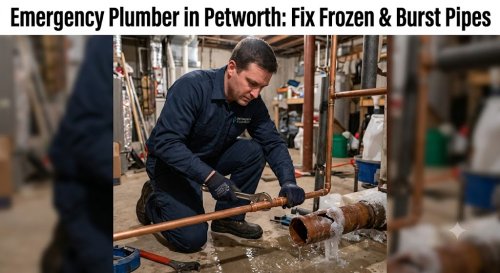
Catastrophic pipe bursts or active structural flooding threatening living areas.
-
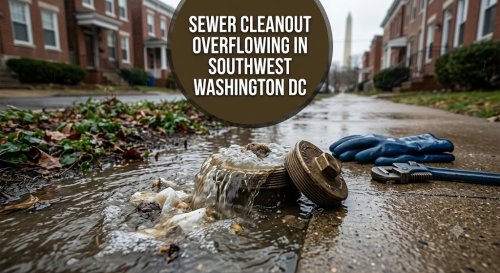
Complete main sewer line backups forcing raw sewage up through your tub or toilet drains.
-
Total loss of potable water supply across your home.
-
Overflowing fixtures leaking dangerously close to active electrical outlets or breaker panels.
Frequently Asked Questions (FAQs)
How much does bathtub plumbing repair typically cost in Washington, DC?
Costs vary depending on whether the issue is a simple surface clog or a behind-the-wall leak. Minor drain repairs or cartridge replacements range from modest service fees, while complex line overhauls require tailored estimates based on labor and materials.
Can I use liquid chemical drain cleaners for a slow bathtub drain?
It is strongly recommended that you avoid chemical drain cleaners. They generate extreme heat that can warp PVC pipes and corrode older metal lines, often turning a slow clog into a total pipe collapse.
Why does my bathtub make a loud banging noise when I turn off the water?
This is known as water hammering. It occurs when fast-moving water slams into a closed valve, creating a shockwave. Installing or recharging a water hammer arrestor solves this issue.
How often should I have my home's plumbing inspected?
We recommend having a licensed master plumber perform a comprehensive household plumbing and pressure check every two years, especially in historic homes.
Is it normal for my tub spout to leak while the shower is running?
No, a leaking spout during shower use indicates a worn-out or calcified diverter valve. This diverts water inefficiently and wastes hundreds of gallons over time.
What should I do if water is leaking through my ceiling from the bathtub above?
Immediately shut off the water supply to the bathroom or the home's main valve, place buckets to catch dripping water, and call an emergency plumber right away.
Are permits required for bathtub plumbing repairs in Washington, DC?
Minor fixture replacements and repairs typically do not require permits, but major waste line relocations or structural repiping must comply with DC municipal plumbing codes.
How can I prevent hair and soap scum from clogging my tub drain?
Install a high-quality silicone or stainless-steel hair catcher over the drain opening and clean it out weekly to prevent accumulation.
Why Washington, DC Homeowners Trust Expert Local Plumbers
Choosing the right plumbing partner gives you peace of mind when emergencies strike. Look for professionals who offer:
-
Fully licensed, insured, and background-checked technicians.
-
Transparent, flat-rate pricing with zero hidden overtime surprises.
-
State-of-the-art diagnostic equipment for non-invasive troubleshooting.
-
Deep local expertise serving neighborhoods throughout Washington, DC.
-
Robust customer satisfaction warranties on all parts and labor.