Emergency Plumber in Petworth: Fix Frozen & Burst Pipes
Frozen or burst pipe in Petworth, DC? Learn immediate emergency steps, safe thawing tips, repair timelines, and when to call an emergency plumber

How to Handle a Frozen or Burst Pipe in Petworth
When a winter Arctic cold snap sweeps across Washington, DC, temperatures in Petworth can plunge into the teens overnight. In classic Wardman-style brick row houses, craftsman bungalows, and converted multi-family residences along Georgia Avenue and Upshur Street, freezing weather presents a severe threat to domestic plumbing systems.
Water expanding inside uninsulated pipes builds immense hydraulic pressure—often exceeding 2,000 PSI. If that pressure has nowhere to go, a copper line or brass joint will split open. What starts as a quiet ice plug inside an exterior wall cavity can quickly turn into a high-pressure deluge, pouring dozens of gallons per minute into floor joists, plaster ceilings, and furnished basements.
Knowing how to spot the early warning signs of a frozen pipe, how to safely isolate your water supply, and when to bring in an emergency plumber can save your Petworth property from tens of thousands of dollars in structural restoration costs.
What Is a Frozen or Burst Pipe Emergency?
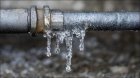
A frozen pipe occurs when ambient temperatures around indoor or outdoor supply lines drop below 20°F (-6°C), causing stationary water inside the line to turn to solid ice. As water freezes, it expands by approximately 9% in volume.
The common misconception is that the expanding ice block directly pushes through the pipe wall. In reality, the ice plug creates a sealed blockage inside the pipe. As ice continues to form, it forces remaining liquid water down the line toward closed faucets, building extreme pressure between the ice plug and the closed valve. When this downstream pressure exceeds the structural threshold of the pipe metal or plastic, the wall splits open.
[Incoming Water Supply] ──> [Ice Plug Formed] ──> [Trapped High-Pressure Water] ──> [Closed Faucet]
                                                        │
                                                        ▼
                                           💥 PIPE RUPTURE POINT 💥
Common Situations in Petworth
-
Drafty Crawl Space Lines: Uninsulated supply pipes running through unheated crawl spaces or crawl space access doors.
-
Exterior Wall Plumbing: Kitchen or bathroom supply lines routed through uninsulated exterior brick walls in historic row homes.
-
Unheated Basement Corners: Supply lines positioned near foundation vents, drafty basement windows, or uninsulated rim joists.
-
Exterior Hose Bibbs: Outdoor spigots left connected to garden hoses during freezing nights, trapping water inside the sillcock valve body.
Immediate Symptoms
-
Faucets producing only a trickle or no water at all during freezing weather.
-
Visible frost, ice buildup, or heavy condensation along exposed basement pipes.
-
Strange creaking, ticking, or popping noises inside walls when heat cycles on.
-
Damp spots, sagging plaster, or active water dripping from ceilings and baseboards as ice thaws.
Why Does This Plumbing Problem Happen in Petworth?
Pipe freezing and burst failures in Washington, DC are driven by a combination of regional weather patterns and neighborhood architectural features.
1. Mid-Atlantic Cold Snaps and Rapid Freezes
While DC winters are generally moderate, sudden polar vortex events drop temperatures dramatically within hours. Rapid drops give homeowners little time to prepare exposed lines.
2. Historic Row House Architecture
Many Petworth row homes built in the 1920s and 1930s feature original brick facades with minimal wall cavity insulation behind lathe-and-plaster finishes. Water lines installed inside these narrow gaps sit just inches away from freezing outdoor temperatures.
3. Aging Pipe Materials
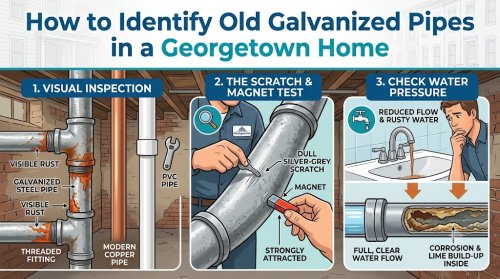
Decades of continuous use thin the walls of legacy copper supply lines and corrode galvanized steel pipes from the inside out. Weakened metal cannot withstand the pressure surges caused by ice formation.
4. Unsealed Drafts Near Foundation Sill Plates
Air leaks around basement rim joists, old coal chutes, or loose window frames channel sub-freezing air directly over exposed domestic water lines.
5. Vacant Properties or Unheated Basement Suites
In converted multi-family homes or basement apartments, leaving thermostat settings too low or shutting off heat in vacant units allows indoor temperatures to drop below freezing.
Signs You Should Never Ignore
Catching a frozen pipe before it bursts—or recognizing a hidden rupture right as it begins to thaw—is key to minimizing property damage:
| Warning Sign | What It Indicates | Action Required |
| No Water at Single Faucet | Localized freeze inside an exterior wall or line | Apply gentle heat or call a plumber immediately |
| No Water Across Whole House | Main water service line or main header frozen | Shut main valve; call an emergency plumber |
| Frost on Exposed Metal Lines | Pipe temperature is well below freezing point | Isolate zone and begin safe surface thawing |
| Bulging or Misshapen Pipe Walls | Metal or PEX is undergoing severe pressure distortion | Shut off main water immediately; pipe is about to split |
| Sudden Pressure Drop After Freeze | Line has ruptured and is leaking behind walls | Turn off main water valve and call emergency service |
Common Plumbing Problems Related to Frozen Pipes
A frozen line rarely affects just one section of pipe. The thermal shock and extreme pressure can trigger several related failures throughout your building:
-
Fixture Connection Blowouts: Flex lines connected to toilets and sinks can detach at plastic nut threads under high line pressure.
-
Water Heater Thermal Shock: Sudden pressure spikes or complete water cutoffs can cause heating elements in tankless or tank water heaters to overheat or trip relief valves.
-
Hidden Wall Cavity Mold: Pinholes created during freeze-thaw cycles can slowly saturate wall insulation, creating ideal conditions for toxic black mold inside 24 to 48 hours.
-
Slab Leaks: Underground water lines beneath basement concrete slabs can freeze and fracture if crawl spaces or foundation perimeters are uninsulated.
Step-by-Step Professional Repair Process
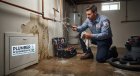
When an emergency plumber arrives at your Petworth home during a freeze crisis, they follow a systematic protocol to secure the site and execute permanent repairs:
[Step 1: Emergency Water Isolation & Main Valve Lockout]
                           │
                           ▼
[Step 2: Non-Invasive Thermal Imaging & Leak Mapping]
                           │
                           ▼
[Step 3: Controlled Heating & Pipe Thawing]
                           │
                           ▼
[Step 4: Damaged Pipe Section Removal & Press-Fit/Soldered Replacement]
                           │
                           ▼
[Step 5: Full-System Hydrostatic Pressure Testing]
                           │
                           ▼
[Step 6: Structural Moisture Evaluation & Site Cleanup]
                           │
                           ▼
[Step 7: Pipe Insulation & Winterization Recommendations]
Step 1: Emergency System Shutdown
The plumber verifies that the main water shutoff valve is fully operational and closed. If the valve is frozen or broken, the technician uses specialized curb-key tools to isolate water at the city meter box.
Step 2: Thermal Diagnostic Mapping
Using infrared thermal imaging cameras, the technician traces ice blockages and locates hidden water pockets inside plaster or drywall without unnecessary demolition.
Step 3: Safe, Controlled Thawing
Plumbers use industrial electrical pipe thawing units or temperature-controlled heat heat-injection equipment to thaw ice plugs safely from the faucet end backward toward the main supply.
Step 4: Precision Pipe Section Replacement
The split pipe section is removed cleanly using rotary pipe cutters. Plumbers install high-grade Type L copper or freeze-resistant PEX tubing using commercial ProPress mechanical fittings or flame-shielded solder joints.
Step 5: High-Pressure System Testing
Water is reintroduced gradually while monitoring pressure gauges to verify that zero hidden secondary fractures exist anywhere in the line.
Step 6: Moisture & Safety Checks
The plumber inspects surrounding framing and electrical runs with pinless moisture meters to ensure structural safety before completing the job.
Can You Fix a Frozen Pipe Yourself?
Homeowners can safely manage early-stage frozen lines, but active burst pipes or in-wall freezes require licensed professional equipment.
Safe DIY Actions You CAN Take
-
Shut Off Main Water Supply: If you suspect a pipe has frozen, turn your main water valve clockwise immediately. If the pipe is already split, stopping incoming water prevents a flood when the ice thaws.
-
Open Affected Faucets: Open both hot and cold handles on the non-functioning faucet. Opening the tap relieves trapped pressure between the ice plug and the valve, reducing burst risks.
-
Apply Safe Heat to Exposed Indoor Lines: Use a household hair dryer, portable space heater (kept at least 3 feet from flammables), or hot towels wrapped around exposed basement pipes. Always work from the open faucet back toward the frozen zone.
-
Increase Indoor House Heat: Turn up your central thermostat to 72°F and open all sink cabinet doors to let warm room air circulate around wall plumbing.
Dangerous DIY Practices to AVOID
-
NEVER Use Open Flame Torches: Attempting to thaw frozen metal pipes with propane torches inside old wood-framed Petworth homes is a leading cause of accidental house fires.
-
NEVER Use Chemical Solvents or Antifreeze: Pouring chemicals into domestic water supply lines contaminates your drinking water supply.
-
NEVER Thaw From the Middle of a Sealed Line: Thawing an ice plug in the center while both ends remain blocked traps expanding steam and water, causing an immediate explosive pipe rupture.
Advanced Tools Professional Plumbers Use
Modern emergency pipe repairs rely on advanced diagnostic equipment to protect historic architectural interiors:
-
Thermal Imaging Cameras (FLIR): Detects exact temperature variations through plaster, wood, and concrete to pinpoint hidden ice blockages and moisture tracks.
-
Electrical Resistance Pipe Thawing Units: Passes safe, controlled low-voltage current directly through metallic pipes to thaw ice plugs deep inside wall cavities without cutting drywall.
-
ProPress Copper Joining Tools: Hydraulic pressing tools that join copper fittings using commercial O-ring seals, completely eliminating open flames near aged wood framing.
-
Pinless Structural Moisture Meters: Measures water absorption inside wall studs, subflooring, and plaster ceilings non-destructively.
How Long Does the Repair Usually Take?
Repair timelines depend on pipe accessibility, location, and the extent of line damage:
-
Simple Exposed Pipe Thawing: 1 to 2 hours.
-
In-Wall Copper/PEX Pipe Section Replacement: 2 to 4 hours.
-
Multi-Line Ruptures Across Multiple Floors: 4 to 8 hours.
-
Emergency Response Dispatch to Petworth: Typically within 30 to 60 minutes during winter freeze emergencies.
Cost Factors in Emergency Pipe Repairs
Understanding the variables involved in emergency repair costs helps property owners make informed decisions.
Plumbing repair costs vary depending on the severity of the problem, accessibility, materials required, emergency service, property type, and local labor rates.
Key Cost Factors
-
After-Hours & Weather Emergency Mobilization: Service calls during midnight hours, winter storms, or holiday freezes incur premium labor rates to support rapid dispatch.
-
Pipe Accessibility & Wall Repair Requirements: Replacing lines exposed in open basements requires less labor than opening original lathe-and-plaster wall cavities.
-
Material Selection: Commercial-grade Type L copper and heavy-duty brass press fittings carry higher material costs than standard flexible PEX lines.
-
Extent of Thermal Damage: Replacing a single 6-inch split section is significantly less labor-intensive than re-piping an entire exterior wall run damaged by multiple freeze points.
Hidden Truths Homeowners Should Know
-
Pipes Burst Upon Thawing, Not During the Freeze: Water does not leak while frozen solid; flooding begins the moment warm indoor air melts the ice plug holding back pressurized city water.
-
Small Pinholes Cause Massive Water Loss: A tiny 1/8-inch freeze crack can discharge over 250 gallons of water per day directly into interior framing.
-
Insurance Claims Require Proof of Heat Maintenance: Homeowners insurance adjusters routinely deny water damage claims if evidence shows house heat was turned off or dropped below 55°F during a trip.
-
Cheap Heating Cables Can Be Fire Hazards: Inexpensive self-regulating heat tape applied over pipe insulation incorrectly can overheat and ignite nearby construction dust or wood studs.
-
PEX Expands Better Than Copper, But Fittings Still Fail: While flexible PEX tubing withstands freezing better than rigid copper, plastic and brass connection fittings can still split under extreme pressure.
-
Uninsulated Hose Bibbs Cause Interior Bursts: Leaving a garden hose connected to an outdoor spigot traps water inside the wall valve body, bursting pipes inside your warm basement.
-
DIY Torch Attempting Destroys Joint Solder: Heating frozen copper with a blowtorch melts adjacent solder joints, creating secondary leaks inside wall cavities.
-
Mold Germinates Within 24 Hours: Moisture trapped behind wet plaster and baseboards begins spawning mold spores in under two days if not professionally dried.
-
Water Main Shutoff Valves Often Sticking When Needed: Old gate valves in historic homes often break or seize when forced shut during an emergency.
-
Annual Pre-Winter Inspections Prevent Emergency Calls: Installing proper pipe insulation and verifying shutoff valve operation in autumn costs a fraction of an after-hours emergency repair call.
15 Common Mistakes Homeowners Make
-
Leaving Garden Hoses Connected in Winter: Traps water inside frost-free spigots, causing interior pipe splits.
-
Turning Off House Heat When Traveling: Dropping thermostats below 55°F allows exterior wall cavities to freeze during sudden cold snaps.
-
Using Open Flames to Thaw Frozen Lines: Creates severe structure fire hazards inside older wood-framed row homes.
-
Ignoring Slow Faucet Trickles in Sub-Zero Weather: A slow trickle keeps water moving, preventing ice crystals from forming inside exposed lines.
-
Thawing Sealed Pipes Without Opening Faucets: Traps expanding water and steam, forcing the pipe to burst violently.
-
Failing to Know the Main Shutoff Valve Location: Searching for main water shutoffs during an active flood wastes critical containment minutes.
-
Closing Cabinet Doors Under Exterior Sinks: Keeps ambient room heat from reaching supply plumbing inside exterior walls.
-
Relying on Unlicensed Handymen for Emergency Repairs: Unlicensed work often violates local DC plumbing codes and lacks liability insurance coverage.
-
Forgetting to Seal Foundation Drafts and Rim Joists: Cold wind blowing through basement cracks freezes nearby water lines within hours.
-
Ignoring Minor Water Stains After a Freeze: Small ceiling damp spots often indicate hidden slow leaks from split pipes inside floor cavities.
-
Over-Tightening Frozen Gate Valves: Excessive wrench force snaps rusted valve stems, leaving water running uncontrollably.
-
Wrapping Frozen Pipes in Insulation Before Thawing: Insulation keeps heat out once a pipe is already frozen solid.
-
Placing Space Heaters Unattended in Crawl Spaces: Unattended electric heaters near dry wood framing create extreme fire risks.
-
Skipping Insulation on Cold Water Supply Lines: Uninsulated cold lines in crawl spaces freeze just as quickly as hot water supply pipes.
-
Delaying Professional Plumber Calls During a Freeze: Waiting until morning during a severe cold front allows ice damage to spread further through your plumbing system.
Practical Maintenance Tips to Prevent Frozen and Burst Pipes
Proactive seasonal preparation keeps domestic plumbing safe throughout the cold winter months:
Pre-Winter Seasonal Prep
-
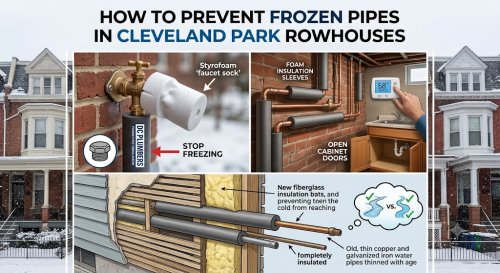
Insulate All Exposed Pipes: Cover supply lines in basements, crawl spaces, and exterior walls with thick foam pipe insulation sleeves.
-
Disconnect Outdoor Garden Hoses: Store hoses indoors and turn off interior shutoff valves serving outdoor hose spigots.
-
Seal Foundation Drafts: Use expanding foam or caulk to seal cracks around foundation vents, basement window frames, and exterior wall penetrations.
-
Service Your Heating System: Ensure your furnace or boiler receives an annual autumn tune-up so house heat remains reliable through winter storms.
-
Test Your Main Water Shutoff Valve: Turn your main water shutoff valve twice a year to confirm it opens and closes smoothly.
Daily Winter Freeze Safeguards
-
Drip Faucets During Extreme Cold: Allow faucets connected to exterior wall pipes to drip a steady, thin stream when temperatures fall below 20°F.
-
Open Sink Cabinet Doors: Keep kitchen and bathroom vanity doors open overnight to allow warm house air to circulate around hidden plumbing.
-
Maintain Minimum House Temperature: Keep central heating set no lower than 55°F (13°C), even when your home is unoccupied.
-
Keep Crawl Space Vents Closed: Close exterior crawl space vent covers during winter to block freezing drafts.
-
Install Smart Freeze Sensors: Place wireless temperature and water leak sensors in basements and crawl spaces for instant smartphone alerts.
When Should You Call an Emergency Plumber?
Call an emergency plumber immediately if you encounter any of the following critical winter plumbing conditions:
-
Active High-Pressure Leaks: Water spraying or gushing from wall cavities, floor joists, or pipe joints after a freeze.
-
Unlocatable Line Freezes: Faucets producing no water when exposed basement pipes show no signs of freezing (indicating an in-wall or underground freeze).
-
Main Water Shutoff Valve Failure: The main valve is frozen, seized, or spinning without stopping incoming water flow.
-
Water Leaking Near Electrical Services: Moisture dripping near circuit breaker panels, light fixtures, or wall receptacles.
Frequently Asked Questions
How long does it take for a pipe to freeze in 20-degree weather?
Uninsulated pipes exposed to drafty sub-freezing air can freeze solid in as little as 3 to 6 hours when ambient temperatures fall below 20°F.
What should I do immediately if a pipe bursts in my Petworth home?
Turn off your main water shutoff valve immediately to stop incoming water. Then, open lower-level faucets to relieve remaining system pressure and call an emergency plumber.
Is it safe to thaw a frozen pipe with a hair dryer?
Yes. Using a hair dryer on exposed indoor piping is safe as long as you keep the dryer moving, work from the open faucet back toward the freeze point, and avoid standing in water.
Why do pipes burst when they thaw instead of when they freeze?
The ice plug holds pressurized city water back while frozen solid. When warm air thaws the ice plug, high-pressure water rushes through the hidden split in the pipe, causing flooding.
Should I leave faucets dripping during a freezing night in Washington, DC?
Yes. Allowing faucets served by exterior wall plumbing to drip a steady trickle relieves trapped line pressure and prevents standing water from freezing solid.
Can frozen pipes thaw on their own without bursting?
Pipes can occasionally thaw without splitting if ice expansion was minimal, but letting lines thaw unmonitored without shutting off main water creates extreme flooding risks if a split occurred.
How do plumbers locate frozen pipes inside plaster walls?
Licensed plumbers use infrared thermal imaging cameras to track cold wall zones and acoustic sensors to detect pressure drops without opening drywall unnecessarily.
What temperature do pipes freeze in Washington, DC homes?
Plumbing typically freezes when outdoor temperatures remain at or below 20°F (-6°C) for several consecutive hours, especially if pipes run through drafty or uninsulated spaces.
Will standard homeowners insurance cover burst pipe repairs?
Most policies cover secondary water damage cleanup and drywall restoration caused by sudden burst pipes, provided heat was maintained in the home. However, repairing the pipe section itself is often an out-of-pocket maintenance expense.
What is the difference between PEX and copper when dealing with freezing temperatures?
PEX (cross-linked polyethylene) is flexible and can expand slightly without splitting when water freezes inside it. Rigid copper does not expand, making it far more susceptible to splitting during freeze events.
Why Choose plumber in Washington DC?
When a winter pipe emergency threatens your property, you need an experienced local plumbing team that responds quickly with modern diagnostic equipment.
At plumber in Washington DC, we provide dependable emergency plumbing services tailored to homes and businesses across Washington, DC, including Petworth, Brightwood, Park View, Columbia Heights, Crestwood, Shepherd Park, and Ward 4.
-
Petworth & Ward 4 Expertise: We understand the unique architectural layouts, drafty exterior wall channels, and historic plumbing systems of local DC row homes.
-
24/7 Winter Emergency Dispatch: Our emergency teams remain on standby during freezing weather alerts to respond quickly and minimize water damage.
-
Upfront Flat-Rate Estimates: We perform non-invasive thermal evaluations and provide itemized estimates before starting repairs—no unexpected fees.
-
Modern Equipment & Licensed Technicians: We use thermal imaging cameras, electrical thawing equipment, and flameless ProPress tools to complete repairs safely.
-
Complete Customer Satisfaction: We stand behind our workmanship, using commercial-grade materials installed strictly to District plumbing codes.