Signs of a Plumbing Vent Problem in Washington DC Homes
Learn how to spot plumbing vent problems in Washington DC homes. Discover symptoms like slow drains, gurgling toilets, and sewer odors.
Understanding Your Home Plumbing Vent System
When most people think about their home plumbing, they picture water flowing out of faucets or waste disappearing down drains. However, an entirely hidden network operates right alongside your water supply and drainage pipes: the plumbing vent system. Without this system, your home's drainage network simply cannot function properly.
Every time a toilet flushes or a bathtub empties, a heavy volume of water rushes down your drainpipes. This rushing water pushes air ahead of it and creates a vacuum behind it. If that vacuum is not relieved by fresh air introduced from the roof or wall vents, the moving water will pull water right out of your fixture traps. Once those traps are empty, sewer gases and unpleasant odors escape directly into your living space.
In many Washington DC homes—ranging from historic rowhouses in Capitol Hill to mid-century properties in Petworth or newer construction condos—plumbing vent configurations vary widely. Recognizing the warning signs of a failing or blocked vent can save you from misdiagnosing a simple drainage issue as a major sewer line failure.
Core Symptoms of a Plumbing Vent Problem
Plumbing vent issues rarely announce themselves with a single dramatic flood. Instead, they produce distinct operational symptoms that tend to worsen over time. Paying close attention to how your fixtures behave can help you identify a venting restriction early.
Gurgling Sounds From Toilets and Drains
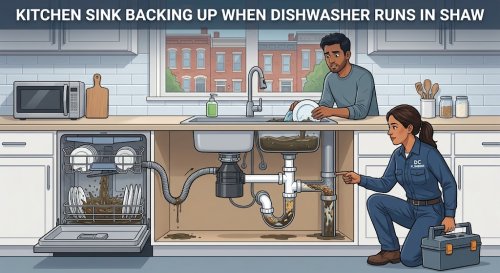
One of the most reliable indicators of a vent problem is a distinct gurgling sound when water drains. For example, if your kitchen sink gurgles when the washing machine empties, or if your toilet bubbles when the bathtub drains, air is struggling to escape the system. Because the drainage stack is blocked from receiving air through the roof vent, the rushing water forces air backward through the traps of nearby fixtures, creating that characteristic bubbling noise.
Sluggish Drainage Across Multiple Fixtures
If a single sink drains slowly, the issue is usually localized to that specific trap or branch line. However, if multiple fixtures on the same floor—such as a bathroom sink, shower, and toilet—all drain sluggishly at the same time, the problem usually points deeper into the system. A blocked main vent stack restricts air intake, slowing down the entire drainage flow regardless of how clean the individual pipes might be.
Unpleasant Sewer Odors Indoors
Your plumbing traps rely on standing water to block sewer gases from entering your home. When a vent is blocked, the vacuum created by draining water can siphon the water right out of these traps. Once a trap goes dry, sewer gas enters unhindered. If you notice a persistent sulfur or sewage smell near sinks, floor drains, or bathrooms—especially after running appliances—a dry trap caused by poor venting is a primary suspect.
Toilets Flushing Erratically
An improperly vented toilet may flush sluggishly, take too long to refill, or exhibit fluctuating water levels in the bowl. When you flush, trapped air resists the downward flow, forcing the water level to rise abnormally high before it finally breaks through, or leaving the bowl dangerously low because suction pulled the water barrier away.
Common Causes of Plumbing Vent Failures
Plumbing vents extend upward from your drain lines, typically exiting through the roof. Because they are exposed to the outside elements and remain largely out of sight, several common obstacles can compromise their performance:
- Debris and Wildlife: Leaves, twigs, bird nests, and even trapped rodents can fall into open roof vent stacks, creating a physical blockage that cuts off airflow.
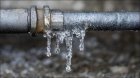
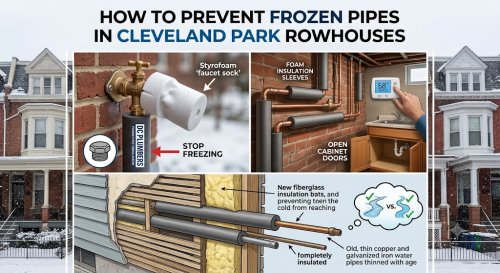
- Ice and Frost Accumulation: During freezing winter conditions in Washington DC, moisture escaping from warm vent stacks can freeze around the roof opening. Over consecutive freezing nights, frost collars can build up and completely seal the vent pipe shut.
- Structural Modifications: In older rowhouses or during home renovations, unauthorized or poorly planned remodeling projects can compromise vent lines. Cutting into a vent stack to install a new bathroom or running cables through an attic space can crush or disconnect hidden vent pipes.
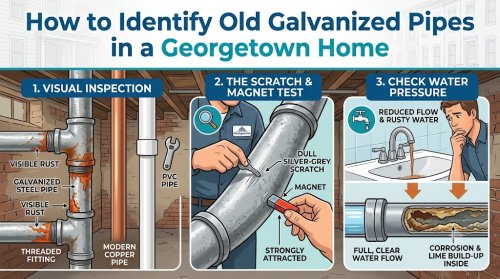
- Sagging or Offset Pipes: Older cast iron or galvanized vent lines can corrode, sag, or shift over decades, creating low spots where water and debris pool, eventually sealing off the internal air passage.
Safe Homeowner Checks and What NOT to Do
When plumbing vent symptoms appear, homeowners often want to investigate immediately. While some initial observations are safe, others carry significant safety and structural risks.
Safe checks you can perform:
- Observe whether the problem affects only one fixture or multiple fixtures throughout the house.
- Check your roof lines safely from the ground using binoculars to see if bird nests, heavy debris, or ice caps are visibly obstructing the roof vent terminations.
- Note if the symptoms worsen during heavy rainfall or freezing weather, which can point toward exterior blockages or vent freezing.
- Verify that all sink and floor drain traps have water in them by running water periodically.
What you should NOT attempt:
- Do not climb onto a wet, icy, or steep roof to inspect or clear vent stacks yourself. Falls from roofs cause severe injuries.
- Avoid dropping heavy metal snakes down roof vents blindly, as you can break older brittle pipe fittings or dislodge internal connections inside your walls.
- Do not ignore persistent sewer gas odors; prolonged exposure to sewer gases is unpleasant and can pose health concerns.
Professional Diagnostic and Repair Methods
When DIY checks do not resolve venting issues, a qualified plumbing professional uses specialized tools to pinpoint the restriction without tearing open your walls unnecessarily.
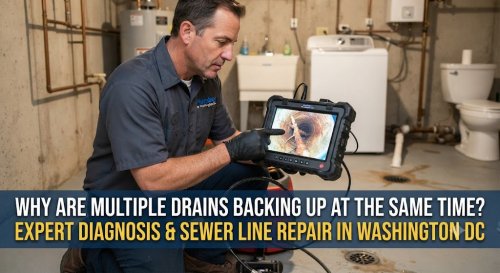
A professional service typically begins with a thorough fixture assessment to map out which specific lines are affected. If an exterior blockage is suspected, technicians can safely access the roof to inspect the stack. For hidden problems within the walls or underground, plumbers often use specialized sewer cameras inserted directly into the vent or drain system to visually inspect for breaks, sags, or heavy scaling inside older cast iron or PVC pipes.
Repair options depend entirely on the diagnostic findings. If debris is caught near the top, mechanical clearing from the roof resolves the issue quickly. If a vent pipe is cracked, disconnected behind a wall, or improperly pitched during an old DIY remodel, targeted access cuts may be required to repair or replace the damaged pipe section.
Cost Factors for Plumbing Vent Repairs
Plumbing vent repair costs vary based on several practical factors rather than a flat-rate fee. Understanding these variables helps you evaluate professional estimates:
- Accessibility: Clearing a blockage from an easily accessible roof stack requires less labor than opening a finished drywall ceiling or wall to repair a broken or disconnected vent pipe.
- Property Architecture: Multi-story rowhouses, tall Victorian homes, or historic properties with complex roof pitches often require specialized safety equipment or ladders, increasing labor time.
- Pipe Material and Condition: Working with aging cast iron or fragile galvanized steel requires more delicate handling and specialized cutting tools compared to modern PVC piping.
- Extent of the Restriction: A simple rooftop clog takes significantly less time to clear than a collapsed or severely corroded vent stack running beneath multiple floors.
Frequently Asked Questions
Can a plumbing vent problem cause water to back up in my basement?
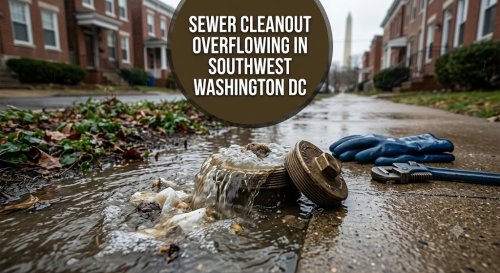
While vent problems primarily cause slow drainage, gurgling, and dry traps, a severely restricted vent can dramatically slow down overall drainage. In heavy storm conditions, poor venting combined with overwhelmed municipal sewer mains can exacerbate drainage sluggishness in lower levels.
Why do my drains only gurgle during heavy winter weather in Washington DC?
Freezing temperatures frequently cause frost to accumulate around the top opening of roof vent stacks. As warm, humid air from inside the house hits the freezing roof opening, it forms an ice collar that chokes off airflow. Once temperatures rise or sunlight melts the frost, normal venting resumes.
Are plumbing vent issues covered by home warranties or insurance?
Standard homeowner insurance policies typically cover sudden, accidental water damage caused by plumbing failures, but they rarely cover the cost of maintaining or clearing clogged or damaged vent pipes, which are considered routine structural maintenance.
How can I tell if my issue is a clogged drain or a vent problem?
A clogged drain usually affects only one specific fixture and does not cause other fixtures to gurgle when used. A vent problem typically impacts multiple fixtures simultaneously, produces gurgling noises across different rooms, and often leads to dry, foul-smelling P-traps.
Do condos and apartments have separate plumbing vents?
Condominiums and multifamily buildings typically share complex, building-wide drainage and venting stacks managed by the property association or building management. If you live in a shared building and notice vent symptoms, notify management because individual fixture repairs will not solve a stack-level issue.
How often should plumbing vents be inspected?
Plumbing vents do not require routine annual maintenance unless your property is surrounded by heavy tree foliage that frequently drops leaves, twigs, or acorns into open roof pipes, or if you live in an area prone to severe winter icing.