Introduction
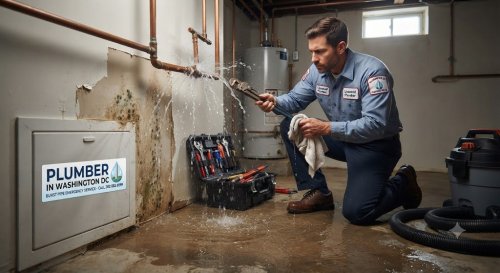
Nothing spikes a homeowner’s blood pressure quite like hearing water spraying behind a drywall partition or watching a puddle rapidly expand across a basement floor. When an emergency strikes, your water shut-off valve replacement needs are put to the ultimate test. If that valve is seized, corroded, or spinning uselessly in place, a minor plumbing leak quickly transforms into thousands of dollars in structural water damage.
Property owners across the District—from historic row houses on Capitol Hill to modern conversions in Adams Morgan—frequently encounter aging infrastructure. District winters bring freezing temperatures that stress vulnerable supply lines, while historic local zoning and older municipal piping introduce unique water pressure variables. Knowing how your home's main water control works, recognizing when it is failing, and understanding when to call a licensed professional can save your home from disaster.
What Is a Water Shut-Off Valve? Decoding the Mechanism
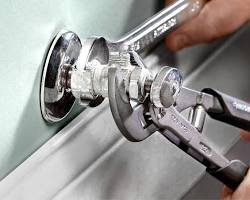
At its core, a water shut-off valve is the master gatekeeper of your home's plumbing ecosystem. It is designed to completely isolate the municipal water supply from your interior piping network. There are typically two main types found in residential properties:
-
Gate Valves: Characterized by a round spinning handle that lowers or raises a metal gate inside the body.
-
Ball Valves: Featuring a lever handle that rotates a hollow chrome-plated ball a quarter-turn to open or block flow.
When functioning correctly, a quarter-turn of a ball valve or a few spins of a gate valve halts all incoming water instantly. However, older gate valves are prone to mineral binding. Over decades of non-use, internal brass stems seize, packing nuts degrade, and rubber washers disintegrate. When you finally need to turn it off during a pipe burst, the handle snaps off or the internal gate shears right off its track, leaving water roaring through your pipes.
Real-World DC Scenario: Imagine a historic row house in Dupont Circle built in the 1920s. The original brass gate valve hasn’t been touched since Jimmy Carter was in office. A supply line to the second-floor bathroom suddenly fractures. The homeowner rushes to the basement to shut off the main, twists the rusty handle too hard, and snaps the stem. Suddenly, what should have been a simple 10-minute fix requires emergency utility intervention.
Financial Breakdown: Cost Factors & Investment Realities
Replacing a main water shut-off valve is an essential investment in home asset protection. Flat-rate pricing for this service varies based on accessibility, pipe material, and labor complexity.
-
Diagnostic & Dispatch Fees: Standard service call costs cover the physical arrival, inspection, and system scoping by a licensed master plumber.
-
Valve Location & Accessibility: Replacing an exposed valve in an open basement utility room is straightforward. Conversely, dealing with a valve buried behind finished drywall, sunken in a utility box, or located right at the city meter pit requires excavation or drywall cutting.
-
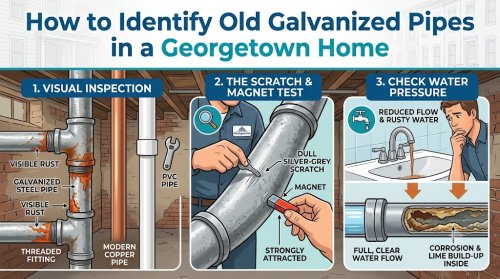
Pipe Material Transition: Older homes often feature galvanized steel or polybutylene lines. Upgrading to modern copper or PEX requires specialized fittings, dielectric unions, and torch work.
-
Permitting & Municipal Coordination: If the primary issue extends to the curb stop or municipal side, specialized city shutdown permits and coordination with DC Water may be required.
Critical Warning Signs: When Your Home is Sounding the Alarm
Your plumbing system rarely fails without warning. Catching these early indicators prevents catastrophic failures:
-
Stiff or Leaking Handles: If the handle feels gritty, resists turning, or leaks water from the packing nut when nudged, the internal seals have failed.
-
Unexplained Water Meter Spikes: If your digital or analog water meter dial creeps forward while every tap in the house is closed, water is bypassing a compromised valve or hidden line.
-
Corrosion and Mineral Crust: Green or white chalky buildup (oxidation) around the valve body or surrounding pipe joints signals a slow, chronic micro-leak.
-
Water Hammering: Loud banging noises when appliances shut off can shock aging valves, weakening internal components over time.
Ignoring these symptoms invites mold acceleration, structural wood rot, ruined drywall, and compromised subfloor framing.
Root Causes: Why This Problem Occurs in DC Homes
Residential plumbing challenges in the District are heavily influenced by local architecture, municipal water treatment, and environmental factors:
-
Historic Infrastructure: Thousands of DC properties rely on vintage supply lines. Decades of mineral deposition inside iron and galvanized pipes cause severe interior constriction.
-
District Water Pressure: Municipal boosters and elevation changes across DC neighborhoods can result in high water pressure spikes that stress older gate valves beyond their engineering limits.
-
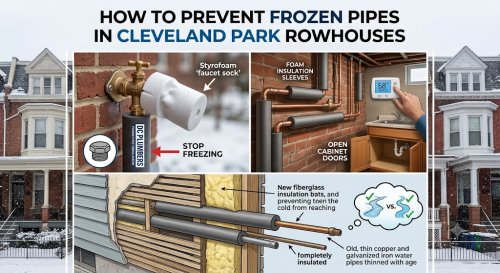
Seasonal Temperature Swings: Uninsulated basement corners or crawlspaces experience drastic temperature drops during winter, causing stagnant water inside seized valves to freeze, expand, and crack the brass housing.
-
Normal Mechanical Wear: Brass and rubber components degrade over years of friction, chemical exposure, and mineral scaling.
Professional Diagnostic & Repair Workflow
A licensed plumbing professional approaches a shut-off valve replacement with a strict, methodical protocol to guarantee safety and compliance:
-
Non-Invasive Triage & Safety Isolation: The technician assesses the immediate area, checking for electrical hazards and locating the secondary points of isolation.
-
Precision Diagnostic Evaluation: Inspecting the line pressure using a digital manometer and determining whether the failure is isolated to the valve or affects the broader supply assembly.
-
Transparent, Upfront Estimates: Presenting a clear, flat-rate pricing model outlining repair options, part grades, and scope of work before touching a single wrench.
-
Code-Compliant Remediation: Depressurizing the system, safely draining remaining water, cutting out the old valve, and sweating in a high-flow, quarter-turn brass ball valve that complies with DC plumbing codes.
-
Pressure Testing & Cleanup: Restoring water slowly to eliminate water hammer, verifying joint integrity under working pressure, testing for leaks, and thoroughly sanitizing the workspace.
Advanced Diagnostics: The Professional Tool Arsenal
Professionals rely on specialized equipment to diagnose main supply issues safely and accurately:
-
Digital Manometers: Precise instruments used to measure dynamic and static water pressure, identifying dangerous pressure surges.
-
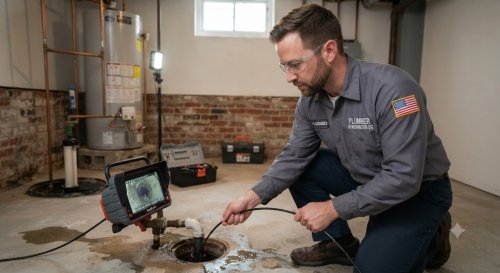
Acoustic Leak Detectors: Electronic listening devices that amplify the sound of escaping water behind walls or beneath concrete slabs.
-
Pipe Locators & Thermal Imagers: Tools that map out hidden supply lines and identify damp thermal anomalies behind finished surfaces without destructive exploratory cutting.
DIY Reality Check: What You Can Safely Fix vs. When to Call a Pro
-
Safe Homeowner Actions: You can safely monitor your main valve, clean exterior dust, tag the location of your emergency shut-off with a bright indicator, and periodically exercise quarter-turn valves by turning them a fraction to keep them loose.
-
The Danger Zone: Never attempt to replace a main shut-off valve if it requires shutting down the city municipal supply at the street curb box, involves torch-brazing near gas lines, or requires working on brittle, corroded iron pipes that could snap entirely. Doing so risks uncontrolled indoor flooding and massive utility liabilities.
Unique Expert Insights: Hard Truths Homeowners Learn Too Late
-
Temporary patch kits (like rubber tape or epoxy putty on a main valve body) only mask catastrophic failures and can instantly void home insurance clauses regarding negligent maintenance.
-
Chemical drain cleaners and harsh scale removers can eat through older pipe walls from the inside out, creating secondary failures downstream.
-
Unlicensed handymen often bypass local building codes or use incompatible metal fittings, creating electrochemical galvanic corrosion that leads to premature joint failure.
-
Preventive maintenance plans cost a tiny fraction of a midnight emergency extraction or a complete basement gut-reno.
-
Waiting for a handle to snap guarantees you will face water damage at the worst possible hour—usually a holiday weekend or late at night.
Comprehensive Home Plumbing Maintenance Framework
Keep your water system running smoothly with this seasonal and year-round checklist:
-
Spring Checks: Inspect outdoor hose bibs for winter cracking, test your sump pump operation, and check yard grading near your foundation.
-
Summer Habits: Monitor water bills for sudden anomalies, check under sinks for slow supply line leaks, and test all auxiliary shut-off valves under toilets and sinks.
-
Fall Preparation: Disconnect garden hoses, insulate exposed basement pipes and utility boxes against sudden cold snaps, and schedule a water heater flush.
-
Winter & Year-Round Routines: Know the exact physical location of your main shut-off valve, ensure all family members can access it quickly, and avoid chemical down-the-drain quick fixes.
Emergency Protocol: When Immediate Dispatch is Non-Negotiable
Call an emergency plumber immediately if you encounter:
-
A ruptured main supply line causing active, uncontainable structural flooding.
-
A completely sheared or cracked main shut-off valve that cannot be closed manually.
-
Total loss of potable water accompanied by unusual damp patches on interior walls.
-
Water leaks cascading dangerously close to active electrical breaker panels or appliance outlets.
Frequently Asked Questions (FAQs)
Where is my main water shut-off valve typically located in a DC home?
In most Washington, DC homes, the main shut-off valve is located in the basement, utility room, or crawlspace near the front foundation wall where the main supply line enters the property from the street. In some row houses, it may sit near the front water meter closet.
Can I replace my main water shut-off valve myself?
Replacing a main shut-off valve requires turning off water at the municipal curb stop, which often requires a special municipal key and permission. Because a mistake can flood your home instantly, this task is best left to a licensed professional.
How often should residential water shut-off valves be replaced?
Traditional gate valves can become unreliable after 15 to 20 years. Upgrading older gate valves to modern quarter-turn brass ball valves provides superior reliability and long-term safety.
What is the difference between a gate valve and a ball valve?
A gate valve uses a threaded stem to raise and lower a metal gate, which wears out over time. A ball valve uses a solid chrome-plated sphere with a center hole that opens or closes with a simple 90-degree turn, offering superior longevity and a fail-safe seal.
Will DC Water shut off my water at the street for a replacement?
If your interior main valve fails completely and cannot hold back pressure during a repair, a licensed plumber can coordinate or utilize specialized equipment to isolate the line, or request a temporary municipal curb shut-off through proper channels.
How do I know if my water shut-off valve is failing?
Warning signs include stiff handles that refuse to turn, water weeping from the packing nut when touched, or a valve handle that spins freely without shutting off the water supply.
What does a professional water valve replacement involve?
A professional safely isolates the system, drains the residual line pressure, cuts out the antiquated valve assembly, installs a code-compliant heavy-duty brass ball valve, and performs a rigorous pressure test.
Are water valve repairs covered under standard homeowners insurance?
Sudden, accidental water damage from a ruptured pipe is usually covered, but claims resulting from known, neglected plumbing wear and tear or improper DIY alterations are frequently denied.
Why Choose Professional Plumbing Services in Washington, DC
Entrusting your home's vital infrastructure to experienced professionals ensures peace of mind. Licensed experts bring code-compliant solutions, top-tier commercial-grade materials, and transparent pricing to every job. Whether you are upgrading vintage hardware in a historic property or securing a modern investment asset, professional execution guarantees your home stays dry, safe, and fully protected.