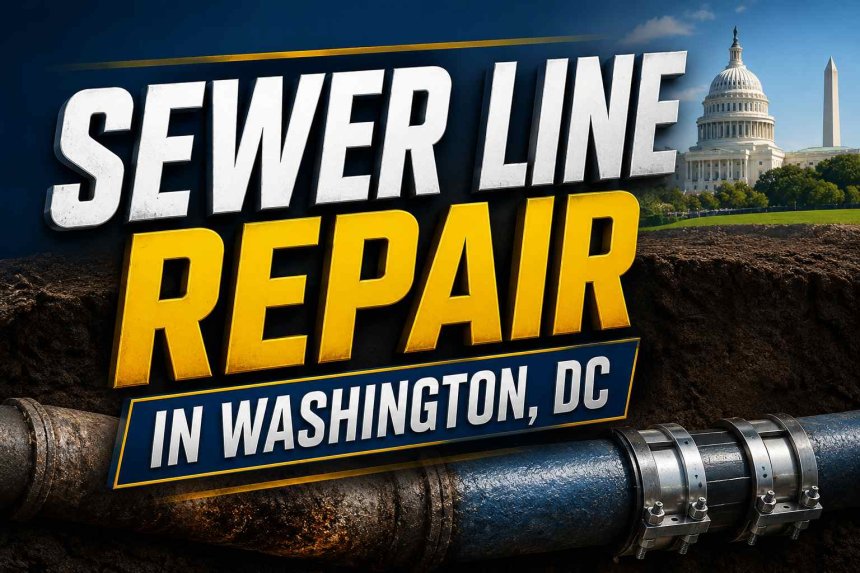
Sewer Line Repair in Washington, DC: What Homeowners Need to Know
A sewer line problem is more serious than an ordinary clogged drain. Your sewer line carries wastewater away from your home or business, and when that pipe becomes cracked, blocked, collapsed, or invaded by tree roots, wastewater may have nowhere to go.
Washington, DC properties can present unique challenges because the District has many older buildings and aging underground infrastructure. DC Water notes that many sewer system components are more than a century old, making pipe age and condition important considerations when diagnosing drainage problems.
Homeowners often start searching for sewer line repair in Washington, DC after noticing repeated backups, slow drains throughout the property, sewage odors, wet spots in the yard, or unexplained plumbing problems.
The important thing is not to assume that every sewer backup means the entire sewer line needs replacement. A proper inspection should determine whether the problem is a simple blockage, localized pipe damage, root intrusion, or a larger structural failure.
What Is Sewer Line Repair?
Sewer line repair involves correcting a damaged or malfunctioning pipe that carries wastewater from a property toward the public sewer system.
A sewer line can develop problems underground without any obvious sign inside the house. For example, a homeowner might notice that the basement toilet backs up whenever the washing machine drains. That could indicate a restriction in the building sewer rather than a problem with the toilet itself.
Sewer repair may involve:
- Removing a blockage
- Cutting or clearing tree roots
- Repairing a cracked section
- Replacing a collapsed pipe
- Correcting separated pipe joints
- Addressing severe corrosion
- Replacing a damaged sewer lateral
- Using trenchless rehabilitation where appropriate
In Washington, DC, it is particularly important to determine where the problem is located. DC Water explains that if its main sewer is clear, the property owner may need a registered master plumber to clear the sewer lateral serving the property. If the plumber identifies a blockage in the public portion, reporting requirements apply.
Why Does a Sewer Line Need Repair?
Aging Pipes
Older sewer pipes can deteriorate gradually. Materials may crack, corrode, settle, or develop failing joints.
A pipe does not necessarily need replacement simply because it is old. Its actual condition matters more than its age alone.
Tree Root Intrusion
Tree roots naturally seek moisture. Small cracks or openings in underground sewer pipes can provide an entry point.
Once roots enter a pipe, they can trap waste and restrict flow. EPA materials identify tree-root intrusion through pipe defects as a common cause of sewer blockages.
Corrosion and Pipe Deterioration
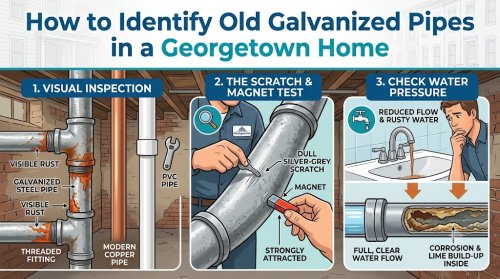
Certain older pipe materials can deteriorate over time. Corrosion may eventually weaken the pipe or create rough interior surfaces where debris collects.
Ground Movement and Settlement
Soil can shift around underground piping. A pipe may settle, develop a low spot, or separate at a joint, allowing waste to accumulate.
Grease and Debris
Grease, foreign objects, excessive paper products, and inappropriate materials can obstruct sewer lines. DC Water specifically lists grease buildup and items that should not be flushed among causes of sewer blockages.
Poor Installation or Previous Repairs
Incorrect slope, unsuitable materials, poorly fitted joints, or inadequate previous repairs can create recurring drainage problems.
Heavy Rain and Groundwater
Cracked or defective sewer infrastructure can allow unwanted water into the sewer system. During wet weather, additional water can increase the load on sewer systems.
Signs You Should Never Ignore
Repeated Sewer Backups
If wastewater repeatedly comes back through a basement drain or toilet, the problem deserves professional investigation.
Multiple Slow Drains
One slow sink could have a localized clog. Several slow drains at the same time are more concerning because they may point toward a shared drainage or sewer problem.
Sewage Odors
Persistent sewage smells can indicate drainage problems, damaged piping, or sewer-gas issues.
Gurgling Toilets or Drains
Gurgling can occur when air and wastewater struggle to move through a restricted drainage system.
Standing Water in the Yard
Unexpected wet or unusually lush areas over a sewer route can sometimes indicate leakage underground. This symptom is not proof of a sewer-line failure, but it warrants investigation when combined with other signs.
Unexplained High Water Bills
A sewer problem itself does not necessarily cause higher water usage, but a separate hidden water leak can. If your bill suddenly increases without a change in household use, investigate promptly.
Damp Walls or Flooring
Moisture near plumbing areas may indicate a leak that needs to be distinguished from a drainage problem.
Mold Growth
Persistent moisture can contribute to mold growth and property damage. If wastewater has entered a building, treat the situation as a sanitation concern rather than simply a plumbing inconvenience.
Common Problems Related to Sewer Line Damage
Sewer line problems frequently overlap with other plumbing issues, including:
- Drain clogs
- Pipe leaks
- Sewer backups
- Burst or collapsed pipes
- Tree-root intrusion
- Fixture damage
- Foundation-area moisture
- Basement flooding
- Damaged cleanouts
- Poor drainage
- Water pressure problems
The symptoms can overlap, which is why guessing at the cause can lead to unnecessary repairs.
Step-by-Step Professional Sewer Line Repair Process
Step 1: Inspection
The plumber begins by discussing the symptoms and examining accessible fixtures, cleanouts, and drainage points.
Step 2: Diagnosis
A sewer camera may be inserted through an appropriate access point to determine what is happening inside the pipe.
The goal is to identify the location, type, and severity of the problem.
Step 3: Estimate
Once the problem is understood, the plumber should explain the recommended repair, materials, access requirements, and potential cost factors before major work begins.
Step 4: Repair or Replacement
Depending on the condition of the pipe, options may include cleaning, localized repair, conventional excavation, or trenchless rehabilitation.
Step 5: Testing
The repaired section should be tested to confirm proper wastewater flow.
Step 6: Cleanup
If excavation was required, the work area should be addressed appropriately. Restoration requirements may vary depending on whether work affects private property or public space.
Step 7: Maintenance Advice
A good plumber should explain what caused the problem and what steps can reduce the likelihood of another failure.
Can You Repair a Sewer Line Yourself?
Homeowners can safely take a few immediate steps, but underground sewer repair is generally not a suitable DIY project.
You can:
- Stop using water if wastewater is backing up.
- Keep people and pets away from contaminated wastewater.
- Avoid flushing toilets connected to the affected line.
- Move valuables away from a flooded area.
- Locate the property's main water shutoff if there is also a water leak.
- Contact the appropriate utility or plumbing professional.
Do not excavate an underground sewer line without understanding the location of other utilities and the applicable requirements.
Do not enter a sewer, excavation, or confined space yourself. These environments can contain serious physical and biological hazards.
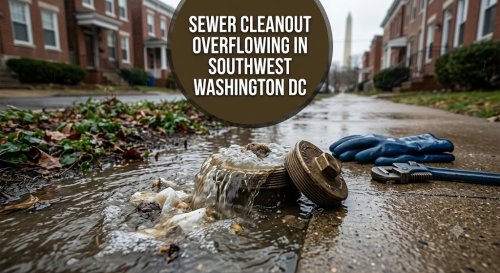
If a sewer backup occurs in Washington, DC, DC Water instructs customers to report it through its emergency line at (202) 612-3400.
Tools Professionals Use for Sewer Repair
Sewer Camera Inspection
A camera allows the plumber to see conditions inside the pipe rather than relying only on surface symptoms.
Drain-Cleaning Equipment
Mechanical equipment can remove certain obstructions before the pipe is inspected.
Hydro Jetting
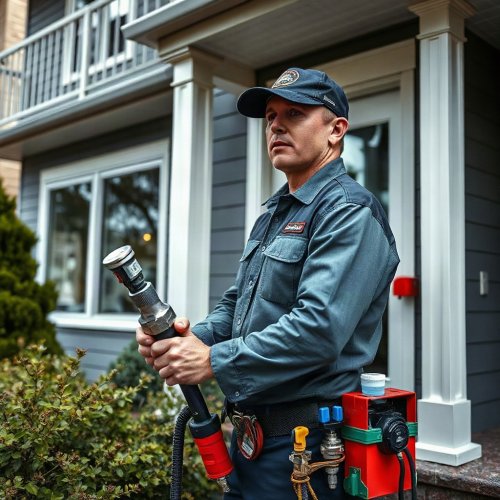
Hydro jetting uses pressurized water to clean suitable sewer piping. It is not automatically appropriate for severely damaged or structurally compromised pipes.
Electronic Pipe Locators
These tools can help determine underground pipe locations before excavation.
Leak Detection Equipment
Specialized detection methods can help identify hidden water-related problems where appropriate.
Pressure Testing
Pressure testing can be useful in certain plumbing diagnostic situations, depending on the system and suspected failure.
Trenchless Equipment
Some sewer rehabilitation methods can repair or renew suitable pipes with less excavation than traditional replacement. EPA documentation recognizes trenchless rehabilitation as an option for certain deteriorated sewer systems.
The important point is that equipment should support diagnosis, not replace it. A camera showing a crack does not automatically mean that the entire line must be replaced.
How Long Does Sewer Line Repair Take?
There is no universal repair time.
Simple Repair
A localized obstruction or accessible minor repair may be completed relatively quickly if the pipe itself is structurally sound.
Moderate Repair
A repair requiring camera inspection, root removal, specialized cleaning, or access through a difficult location may take longer.
Major Repair
Collapsed, severely damaged, or deeply buried sewer lines can require excavation, replacement, inspection, and restoration.
Emergency Repair
Sewage backups require immediate response, but emergency service does not always mean the entire sewer line can be repaired immediately. The first priority is controlling the backup and preventing additional damage.
Time can be affected by pipe depth, access, weather, utility locations, permits, property layout, pipe material, and whether public space is involved.
What Does Sewer Line Repair Cost in Washington, DC?
There is no responsible one-size-fits-all price for sewer repair.
Plumbing repair costs vary depending on the severity of the problem, accessibility, materials required, emergency service, property type, and local labor rates.
Important cost factors include:
- Diagnostic fees
- Camera inspection
- Labor
- Replacement pipe and fittings
- Specialized equipment
- Excavation
- Trenchless repair materials
- Emergency service
- Permits and approvals, when applicable
- Public-space requirements
- Restoration of landscaping, pavement, or other surfaces
- Repair versus complete replacement
For example, repairing a short, accessible section is fundamentally different from replacing a buried sewer lateral beneath a driveway.
Washington, DC also has specific requirements affecting certain sewer work. For example, DC Water states that a permit is required for backwater-valve installation and that the work must be performed by a DC-licensed Master Plumber.
Ask for a written explanation of the recommended work rather than choosing a contractor solely on the lowest initial quote.
Hidden Truths Homeowners Should Know
Small Problems Can Become Expensive Repairs
A recurring blockage can eventually become a backup, particularly if the underlying problem is structural.
Temporary Cleaning Is Not Always a Permanent Repair
Removing roots or debris may restore flow without fixing the damaged pipe that allowed the problem to develop.
Insurance Coverage Is Not Automatic
Sewer-backup damage and neglected maintenance can be treated differently under insurance policies. DC Water recommends reviewing insurance coverage for sewer-backup risks.
Tree Roots Can Come Back
Root removal addresses the immediate obstruction, but a damaged pipe may continue to allow roots to enter.
DIY Mistakes Can Increase Costs
Digging in the wrong location, damaging another utility, or using unsuitable equipment can turn a repair into a much larger project.
Delays Can Increase Property Damage
Sewage entering a basement or living area creates contamination and cleanup concerns. EPA notes that sanitary sewer overflows can contain disease-causing organisms.
Hidden Leaks Waste Water
Not every sewer problem causes a higher water bill, but unexplained usage should be investigated separately.
Annual Maintenance Can Be Valuable
For properties with recurring root intrusion, older plumbing, or previous sewer failures, periodic inspection and maintenance may help identify problems before an emergency.
15 Common Sewer and Plumbing Mistakes Homeowners Make
1. Ignoring Repeated Backups
A recurring backup is a warning, not a normal plumbing condition.
2. Using Chemical Drain Cleaners Repeatedly
These products may not address a structural sewer problem.
3. Flushing Wipes
Dispose of wipes in the trash unless your local utility specifically says otherwise.
4. Pouring Grease Into Drains
Grease can accumulate inside drainage piping.
5. Ignoring Sudden Pressure Changes
Pressure changes can indicate another plumbing problem that deserves investigation.
6. Hiring Based Only on Price
The cheapest quote may not include the same inspection, materials, or restoration work.
7. Hiring an Unlicensed Contractor
For regulated plumbing work, use an appropriately licensed professional.
8. Waiting for a Complete Failure
Repeated warning signs are an opportunity to investigate before sewage enters the property.
9. Using Incorrect Pipe Materials
Improper material selection can create leaks and premature failures.
10. Over-Tightening Fittings
Excessive force can damage fittings and connections.
11. Ignoring Tree Growth Near Sewer Routes
Roots do not guarantee a sewer problem, but recurring root intrusion should be investigated.
12. Assuming Every Backup Is the Homeowner's Fault
In DC, responsibility can depend on where the blockage occurs. Contact DC Water when a sewer backup occurs.
13. Excavating Without Utility Planning
Underground utility locations must be considered before digging.
14. Skipping Camera Inspection When Problems Recur
Repeated cleaning without understanding the cause can lead to repeated service calls.
15. Waiting Until After Property Damage
If sewage is already entering the building, the situation should be treated as urgent.
Sewer Line Maintenance Tips for DC Properties
- Never flush wipes, paper towels, or inappropriate materials.
- Keep grease and cooking oil out of drains.
- Use drain screens where appropriate.
- Address recurring clogs early.
- Pay attention to gurgling fixtures.
- Monitor basement and lowest-level drains.
- Keep sewer cleanouts accessible.
- Know where your main water shutoff is located.
- Keep records of previous sewer repairs.
- Consider camera inspection for recurring problems.
- Ask about root-management options if roots repeatedly enter the line.
- Avoid planting large trees directly over known sewer routes.
- Watch for unexplained wet areas in the yard.
- Inspect exposed plumbing for leaks and corrosion.
- Do not ignore sewage odors.
- During heavy rain, monitor low-level fixtures for backup.
- Keep valuables off basement floors if your property has a history of flooding.
- Ask about a backwater valve if your property is vulnerable to sewer backups.
- Have older sewer lines evaluated before buying or extensively renovating a property.
- Schedule professional maintenance when repeated symptoms indicate an underlying issue.
DC Water notes that properly functioning backwater valves can help prevent wastewater from entering a building during certain sewer surcharges or backups.
When Should You Call an Emergency Plumber?
Call for urgent assistance when you experience:
- Sewage backing up into the property
- A collapsed or severely blocked main sewer line
- Major uncontrolled water leakage
- A burst pipe
- Flooding
- An overflowing toilet that cannot be stopped
- No water when the cause is unknown
- Wastewater entering electrical or mechanical areas
- A suspected gas-line emergency
For a suspected gas leak, leave the area and contact the appropriate gas emergency service. Do not attempt to repair a gas line yourself.
For a sewer backup in Washington, DC, contact DC Water's emergency line at (202) 612-3400. DC Water advises customers to report backups immediately and determine whether the public sewer or private lateral is involved.
People Also Ask About Sewer Line Repair
How do I know if my sewer line is broken?
Repeated backups, multiple slow drains, sewage odors, wet areas near the sewer route, and recurring root problems can indicate a damaged sewer line. A camera inspection is often useful for determining the actual condition.
What is the most common cause of sewer line problems?
Blockages, tree roots, grease, deteriorated joints, pipe settlement, and structural deterioration are common causes. DC Water specifically identifies soil settlement, misaligned joints, tree roots, pipe collapse, grease, and inappropriate flushed materials as causes of sewer blockages.
Can tree roots damage a sewer line?
Yes. Roots can enter through cracks or defective joints and create blockages. Repeated root intrusion can also indicate that the pipe itself needs attention.
Is sewer line repair better than replacement?
Not always. A localized defect may be repairable, while extensive collapse or deterioration may justify replacement. The decision should be based on the pipe's condition, location, material, and expected service life.
Is trenchless sewer repair always possible?
No. Trenchless methods depend on the pipe's condition, alignment, accessibility, diameter, connections, and the specific rehabilitation method.
How much does sewer line repair cost?
There is no reliable universal price. The cost depends on diagnosis, pipe condition, depth, accessibility, materials, labor, equipment, permits, emergency circumstances, and restoration.
Can a clogged sewer line damage my home?
Yes. A severe blockage can result in wastewater backing up into the property. Prompt attention can reduce the risk of additional water and sanitation damage.
Why does my sewer back up when it rains?
Heavy rainfall can increase the amount of water entering or loading a sewer system, while defective private piping can also allow infiltration. The exact cause needs to be determined for the specific property.
Does homeowners insurance cover sewer line repair?
Coverage varies by policy and circumstances. Do not assume either coverage or exclusion; review your policy and ask your insurer about sewer and backup coverage.
How long does a sewer line last?
There is no single lifespan that applies to every sewer line. Material, installation quality, soil conditions, maintenance, root intrusion, and environmental conditions all influence service life.
Who is responsible for a sewer lateral in Washington, DC?
Responsibility depends on the location of the line and applicable DC rules. DC Water states that property owners are responsible for maintaining the sewer service line on their property, while DC Water has responsibilities for portions in public space.