Why Is Water Coming Up From My Basement Floor?
Discover why water is coming up from your basement floor in Washington DC. Learn causes, risks, DIY steps, and when to call an emergency plumber.
Why Is Water Coming Up From My Basement Floor?
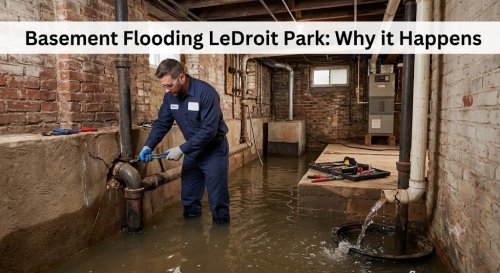
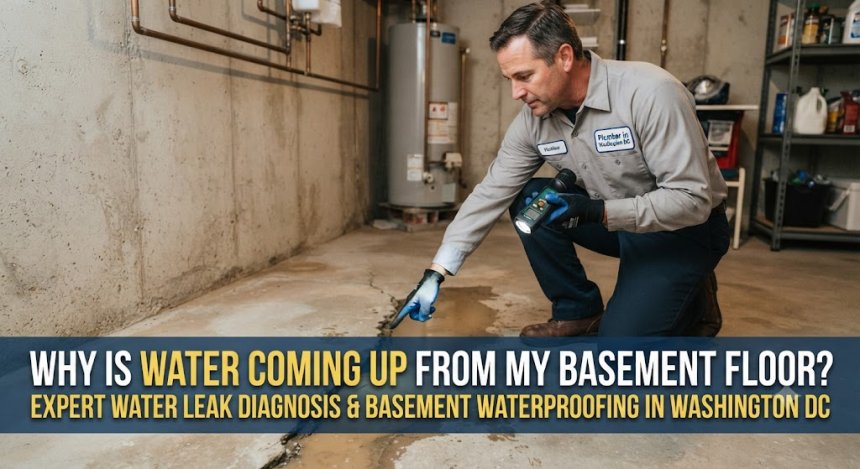
Few sights evoke as much immediate dread in a homeowner as walking downstairs to find water seeping up through cracks in the concrete basement floor. For residents across Washington DC—from historic row houses in Capitol Hill and Georgetown to residential properties in the Palisades and Chevy Chase—a wet basement is a serious issue that demands prompt attention.
Basements are naturally prone to moisture problems because they sit below grade, making them vulnerable to groundwater and poor exterior drainage. When water begins to well up through the slab rather than just leaking in through the walls, it signals a distinct set of challenges related to soil saturation and hydrostatic pressure.
Homeowners frequently search for this topic when they notice damp spots, efflorescence (a white powdery residue on concrete), or actual puddles forming in the middle of the basement floor, often after heavy rain or during spring thaw. Understanding why this occurs, the potential risks involved, and the necessary professional solutions is critical to protecting your property’s foundation and your family's health.
What Is a Basement Floor Slab Leak?
A basement floor slab leak refers to the phenomenon where groundwater breaches the concrete foundation slab and rises into the basement living space.
-
Definition: Unlike a plumbing leak from an overhead pipe or a wall crack, a slab leak originates from beneath the foundation. The water table rises, or surface water fails to drain away, creating pressure that forces water through pores, hairline cracks, or utility penetrations in the concrete.
-
Common Situations: This often occurs during prolonged or intense rainfall, which saturates the soil surrounding your DC home. It can also happen if there is a sudden rise in the local water table.
-
Symptoms: Early signs include musty odors, damp patches that won't dry, peeling floor paint, or warped flooring (if finished). More severe symptoms include visible bubbling under floor tiles or actual streams of water emerging from floor cracks or the seam where the floor meets the wall (cove joint).
-
Real-World Example: Imagine placing a dry sponge on a wet countertop; eventually, the water soaks through to the top. Now, imagine applying downward pressure on that sponge. That is analogous to hydrostatic pressure forcing groundwater through your basement slab.
Why Does This Plumbing Problem Happen?
When water comes up through the basement floor, it is almost always due to one of three primary causes: hydrostatic pressure, plumbing failures beneath the slab, or improper drainage.
-
Hydrostatic Pressure: This is the most common cause of water seeping up through basement floors in older DC homes. As the soil around and beneath your foundation becomes saturated with water, it exerts immense pressure against the concrete slab. If this pressure exceeds the weight of the house and the strength of the concrete, water will find its way through.
-
High Water Table: In some areas, particularly those near rivers or low-lying regions of DC, the natural level of groundwater (the water table) can rise significantly after heavy rain, pushing directly against the bottom of your foundation slab.
-
Under-Slab Plumbing Leaks: While less common than groundwater issues, leaks from supply lines or sanitary sewer lines running beneath the concrete slab can also cause water to well up through the floor. If the water is clean, it may be a supply line; if it is foul-smelling, it is likely a sanitary sewer backup.
-
Failed or Absent Perimeter Drain (Weeping Tile): Many older homes have a drainage system (weeping tile) around the exterior footing designed to relieve hydrostatic pressure. If this system becomes clogged with silt or collapses, water builds up around the foundation instead of draining away.
-
Ineffective Sump Pump System: A sump pump is designed to remove water that collects in a sump pit beneath the slab. If the pump fails, the power goes out, or the discharge pipe is frozen or clogged, the pit overflows, and water will rise through the floor near the sump pit.
Signs You Should Never Ignore
Water seeping through the floor slab is an advanced warning sign of foundation stress. Never ignore these indicators:
-
Efflorescence: A white, chalky, crystalline substance on the concrete surface indicates moisture is migrating through the slab and evaporating, leaving minerals behind.
-
Musty Odors and Mold Growth: A persistent damp smell or visible mold on lower walls, carpets, or stored items signifies chronic moisture issues.
-
Cracks in the Slab: While some shrinkage cracks are normal, new, widening, or actively leaking cracks require immediate professional assessment.
-
Soft Spots in Flooring: If you have finished flooring (carpet, laminate, tile) over the slab, feeling soft, spongy, or damp areas indicates water saturation beneath.
-
Sudden Puddles After Rain: Water pooling in the basement, especially in the center of the floor or along cove joints after storms, is a clear sign that exterior water management is failing.
Common Plumbing Problems Related to This Issue
A wet basement floor is rarely an isolated incident and can lead to significant collateral damage:
-
Structural Foundation Damage: Persistent hydrostatic pressure can lead to hydrostatic loading, which can cause significant structural cracks in foundation walls and floors, potentially compromising the stability of the entire home.
-
Sump Pump Burnout: If water is continuously entering the sump pit due to poor drainage, the sump pump may run constantly, leading to premature burnout and failure.
-
Sewer Gas Leaks: If the source is a break in the under-slab sanitary sewer line, dangerous sewer gases can enter your basement living space.
-
Mold Infestation: The dark, damp environment created by a wet basement is a prime breeding ground for toxic mold, which can pose serious health risks to your family.
Step-by-Step Professional Repair Process
When you contact a professional plumbing and waterproofing company in Washington DC to address water coming up through your basement floor, they will typically follow a structured approach:
-
Step 1: Site Visit and Inspection: A technician will assess the basement, identify the water entry points, check existing sump pump systems, and evaluate exterior grading and gutters.
-
Step 2: Diagnostic Scoping (if necessary): If an under-slab plumbing leak is suspected, a professional may use a drain camera to inspect sewer lines beneath the slab.
-
Step 3: Exterior Mitigation (First Line of Defense): Before tearing up the floor, professionals often recommend ensuring gutters are clean and extend far from the house, and that the ground slopes away from the foundation.
-
Step 4: Interior Waterproofing (Most Common Solution): If groundwater is the issue, the standard solution is to install an interior perimeter French drain system. This involves breaking up the concrete slab along the perimeter walls, installing a perforated pipe in a bed of gravel, and connecting it to a sealed sump pit with a reliable sump pump system.
-
Step 5: Under-Slab Plumbing Repair: If a plumbing leak is identified, a section of the slab will be jackhammered out, the leaking pipe repaired or replaced, and the concrete patched.
-
Step 6: Sump Pump Installation/Upgrade: Installing a primary sump pump and a reliable battery backup sump pump is crucial for flood protection.
-
Step 7: Crawlspace Encapsulation (if applicable): If you have a crawlspace contributing to the issue, sealing it can prevent moisture from migrating into the basement area.
Can You Fix It Yourself?
While some aspects of basement moisture control can be DIY, water actively rising through the floor slab generally requires professional intervention.
-
Safe DIY Solutions:
-
Improve Exterior Drainage: Ensure downspouts direct water at least 10 feet away from the foundation and that the soil around the house slopes away properly. Clean gutters regularly.
-
Control Interior Humidity: Use a high-capacity dehumidifier to manage moisture levels in the air and prevent mold growth on surfaces.
-
Seal Small, Non-Structural Cracks: For minor, dry cracks, you can use a DIY masonry crack filler as a temporary measure.
-
-
When DIY Becomes Dangerous:
-
Major Jackhammering: Attempting to install an interior French drain system yourself without proper training and equipment can lead to structural damage, improper sloping, and ineffective waterproofing.
-
Under-Slab Plumbing: Incorrectly repairing plumbing lines beneath the slab can lead to recurrent leaks and costly secondary damage.
-
Ignoring Safety Gear: Working in a damp, moldy basement requires proper protective equipment (masks, gloves, eye protection).
-
-
When Professional Plumbing is Necessary: Because water coming up through the floor involves understanding complex soil mechanics, hydrostatic pressure, and potentially under-slab plumbing, hiring a licensed and insured professional is the only way to ensure a permanent and safe solution.
Tools Professionals Use
Professional basement waterproofers and plumbers use specialized equipment to diagnose and solve flooding issues:
-
Drain Cameras: Waterproof cameras on long cables used to inspect the interior of sewer lines beneath the slab to check for breaks or clogs.
-
Moisture Meters: Devices used to measure the moisture content in concrete, drywall, and other materials to determine the extent of water intrusion.
-
Water Testing Kits: Used to determine if the intruding water is clean groundwater, surface water, or contaminated sewage.
-
Jackhammers and Concrete Saws: Heavy-duty tools used to cut and remove sections of the concrete slab for drain tile installation or plumbing repairs.
-
Industrial Pumps: High-capacity pumps used to quickly remove large volumes of standing water from the basement before work can begin.
-
Sump Pump Systems: High-quality primary and backup sump pumps, along with sealed sump basins, designed for reliable long-term water removal.
How Long Does the Repair Usually Take?
The timeline for repairing water intrusion through a basement floor depends on the chosen solution:
-
Installing an Interior French Drain System: For an average-sized basement, this process typically takes 2 to 5 days, depending on the scope of work and the size of the crew.
-
Under-Slab Plumbing Repair: Jackhammering, repairing the pipe, and patching the concrete usually takes 1 to 2 days.
-
Factors Affecting Time: Basement size, accessibility (moving tools and materials in and out), the hardness of the concrete, the presence of finished basement walls that need to be partially removed, and the complexity of the drainage system tie-ins.
Cost Factors
The cost of addressing water coming up through a basement floor varies based on the severity of the problem and the required solution:
-
Interior Perimeter Drain Installation: This is the most significant cost, ranging from $5,000 to $15,000+ depending on the linear footage of the basement and the difficulty of installation.
-
Sump Pump Systems: A basic sump pump replacement may cost $500 - $1,500, while a high-end primary and backup system can range from $3,000 to $5,000 installed.
-
Under-Slab Plumbing Repair: Fixing a localized leak under the slab can cost $2,000 - $5,000 depending on accessibility.
-
Exterior Drainage Improvements: Regrading and extending downspouts can cost $500 - $5,000 depending on the landscaping work required.
-
Basement Waterproofing Costs: Mention that basement repair costs vary depending on the severity of the problem, accessibility, materials required, emergency service, property type, and local labor rates.
Hidden Truths Homeowners Should Know
Expert Insight: Many homeowners in the Washington DC area are surprised to learn that their homeowner's insurance policy typically does not cover damage resulting from groundwater flooding or sewer backups unless they have purchased a specific endorsement. A wet basement can be a devastating financial loss if you are unprepared.
-
Water always follows the path of least resistance; if you seal a crack in the floor without addressing the underlying pressure, water will likely appear somewhere else.
-
A sump pump is only as good as its power source; if you live in an area prone to power outages during storms, a battery backup system is not optional—it's essential.
-
The presence of efflorescence on your basement walls or floor is not just a cosmetic issue; it is definitive proof that moisture is moving through your foundation and needs to be managed.
-
Painting the basement walls with waterproofing paint may temporarily stop efflorescence, but it will not relieve hydrostatic pressure beneath the slab and will eventually fail.
15 Common Mistakes Homeowners Make
-
Assuming a wet basement floor is normal because it's an older home.
-
Using hydraulic cement to plug floor cracks without addressing the source of the water pressure.
-
Neglecting gutters and downspouts and allowing water to pool near the foundation.
-
Failing to install a battery backup sump pump, leading to flooding during power outages.
-
Hiring unqualified, unlicensed handymen for complex waterproofing jobs.
-
Ignoring musty odors and mold until they become a major health issue.
-
Storing cardboard boxes and organic materials directly on a concrete basement floor.
-
Installing finished flooring directly over a damp slab without a proper vapor barrier.
-
Relying solely on interior paint-on waterproofers to fix significant groundwater seepage.
-
Directing sump pump discharge too close to the foundation wall.
-
Failing to grade the soil so it slopes away from the house.
-
Underestimating the health risks associated with basement mold.
-
Not checking their insurance policy for flood or sewer backup coverage until it's too late.
-
Ignoring minor dampness that eventually develops into a major flow.
-
Buying the cheapest sump pump available, compromising on reliability in an emergency.
Maintenance Tips
-
Test Sump Pumps Quarterly: Pour a bucket of water into the pit to ensure the pump activates and shuts off correctly.
-
Clean Gutters Annually: Ensure water flows freely away from the foundation. Consider leaf guards to reduce maintenance.
-
Extend Downspouts: Direct all roof runoff at least 10 feet away from the house using downspout extensions or buried drain lines.
-
Maintain Proper Grading: The soil around your foundation should slope away at least 6 inches over the first 10 feet.
-
Run a Dehumidifier: Keep basement relative humidity below 60% to inhibit mold growth and musty odors.
-
Inspect Foundation Walls: Look for new or widening cracks and signs of water intrusion annually.
-
Check Sump Pump Check Valve: Ensure the check valve prevents water from flowing back into the pit after the pump shuts off.
-
Test Backup Sump Pump Battery: Replace the backup battery every 3-5 years or as recommended by the manufacturer.
-
Clear Window Wells: Keep window wells free of leaves and debris to prevent water from accumulating against basement windows.
-
Monitor Water Bill: An unexpectedly high water bill can indicate a hidden under-slab plumbing leak.
When Should You Call an Emergency Plumber?
Certain basement floor water issues require immediate professional dispatch:
-
Rapid Flooding: If water is actively gushing or rapidly pooling, threatening to damage utilities, heating systems, or finished areas.
-
Sewer Backup: If the water coming up through the floor is sewage or has a foul smell, posing an immediate health hazard.
-
Sump Pump Failure: If your primary sump pump fails during heavy rain, leading to an immediate threat of basement flooding.
-
Visible Under-Slab Leak: If you can see water spurting from a broken pipe beneath a cracked section of the slab.
Ignoring these emergency situations can lead to catastrophic property damage and severe health risks.
Frequently Asked Questions
Why is my water pressure suddenly low throughout the house?
Sudden low water pressure affecting all fixtures is generally unrelated to a basement floor leak. It usually indicates an issue with the main water supply line, a faulty pressure regulator valve, or a problem with the municipal water supply.
How much does leak detection cost?
Professional leak detection costs vary based on the complexity of the issue and the technology required, typically combining a diagnostic fee with the time spent on investigation.
Can a clogged drain damage pipes?
Yes. Severe clogs create excessive pressure within pipes, potentially leading to joint failures, cracks, and structural weakening over time. Chemical drain cleaners are particularly damaging to older pipe materials.
Is hydro jetting safe for old pipes?
Hydro jetting is highly effective, but its safety depends on the condition of the pipe. A professional plumber will always perform a camera inspection first to assess the pipe's integrity before recommending hydro jetting, especially for older clay or cast iron pipes.
How do I know if my sewer line is broken?
Clear indicators include multiple drain backups, sewage odors in the yard, consistently wet spots on the lawn, or a sudden appearance of sinkholes. A sewer camera inspection provides definitive proof.
How long do water heaters last?
Standard tank-type water heaters typically last between 8 and 12 years, depending on maintenance, water quality, and usage.
Why does my faucet drip?
A dripping faucet is usually caused by a worn-out internal washer, O-ring, or cartridge seal, which can typically be repaired without replacing the entire faucet.
What causes pipes to burst?
Pipes most commonly burst due to freezing temperatures causing trapped water to expand, or from excessive internal pressure spikes. Aging, corroded pipes are also more susceptible to failure.
Can plumbing leaks increase my water bill?
Yes. Even a small, slow leak—from a running toilet to a pinhole pipe leak—can waste thousands of gallons of water over a short period, leading to a significant spike in your utility costs.