Sewer Cleanout Overflowing in Southwest Washington DC
Sewer cleanout overflowing in Southwest DC? Learn immediate safety steps, main sewer causes, professional repair process, and preventative care.

What to Do When a Sewer Cleanout Overflows in Southwest Washington DC
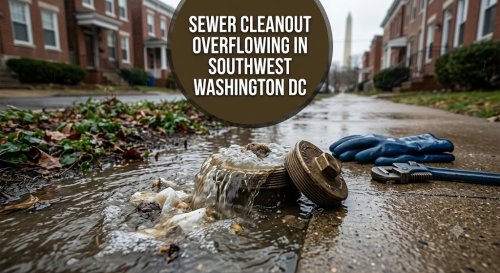
Discovering raw sewage or foul wastewater bubbling out of your outdoor sewer cleanout cap in Southwest Washington, DC is an absolute nightmare. Whether you live in a classic mid-century townhouse near the Waterfront, a co-op in Bellevue, or manage a commercial property along the Buzzard Point corridor, an overflowing cleanout demands immediate, methodical action.
Your sewer cleanout pipe serves as the primary direct access point between your property’s internal drainage system and the municipal sewer line running beneath the street. When wastewater erupts from the cleanout, it means your main sewer lateral is completely blocked downstream. The cleanout cap acts like a safety pressure relief valve—it allows wastewater to escape outside in your yard, driveway, or utility alley rather than backing up through your basement shower or ground-floor toilets.
Because Southwest DC sits adjacent to the Anacostia and Potomac rivers, properties in this area face unique tidal table shifts, aging urban utility infrastructure, and heavy tree root intrusions. Knowing exactly what steps to take during a cleanout spill protects your property, preserves public health, and saves you thousands in restoration costs.
What Is a Sewer Cleanout Overflow in Southwest Washington DC?
A sewer cleanout overflow occurs when wastewater generated inside a home or business cannot flow down the main sewer pipe to the city main. Trapped behind a severe obstruction, wastewater fills the underground pipe and rises up through the vertical cleanout riser pipe, popping off or leaking past the threaded cap.
The sewer cleanout is typically a 3-inch or 4-inch PVC, cast iron, or brass pipe protruding slightly above ground level in your yard, garden bed, or basement floor. When the main line functions normally, water flows right past this junction. When a total main line blockage occurs, every drop of water used inside—from flushing toilets to running laundry cycles—forces sewage upward out of the cleanout opening.
Common Situations
-
The Backyard Geyser: Running the washing machine causes raw sewage and toilet paper to spill over the cleanout cap in your rear brick patio.
-
The Dripping Cleanout Cap: Dirty, foul-smelling water seeps continuously around the threads of a sunken ground cleanout cap in a SW DC front yard.
-
The Basement Floor Cleanout Pop: Wastewater lifts an indoor basement floor cleanout plate, flooding the basement utility area during heavy rainstorms.
Why Does This Plumbing Problem Happen in Southwest DC?
A main sewer line failure resulting in a cleanout overflow rarely happens overnight. In Southwest DC, several underground factors combine to choke off main lateral pipes:
1. Invasive Tree Root Intrusions
Southwest DC features mature willow oaks, maples, and river birches lining residential streets. Tree roots naturally seek moisture and nutrients. They enter microscopic hairline cracks or loose mortar joints in aging cast iron or clay sewer pipes. Once inside, root clusters feed on wastewater, expanding into dense, broom-like masses that catch toilet paper, grease, and solid waste.
2. Flushable Wipes and Heavy Paper Products
Despite marketing claims, "flushable" wipes do not break down in water like traditional toilet paper. When flushed down toilets, synthetic fibers entangle with root fibers or internal pipe corrosion inside the main line, building a solid, impermeable mass that locks up the entire pipe diameter.
3. FOG Build-Up (Fats, Oils, and Grease)
Pouring cooking fats and greasy pans down kitchen sinks coat the bottom of main sewer laterals. Over time, grease hardens into thick "fatbergs" inside cold underground pipes, narrowing the line until appliance discharge triggers a complete backup.
4. Aging Cast Iron and Clay Pipe Bellies
Many older properties in Southwest DC rely on original vitrified clay or cast iron sewer laterals installed decades ago. Soil settling along riverfront zones causes pipe sections to sag, creating a low spot (a "belly") where standing water slows down solids, leading to recurring main line clogs.
5. Municipal Sewer Main Surges
During torrential rains, city combined sewer systems near the Anacostia River can become overwhelmed. When municipal mains fill to capacity, city wastewater creates back-pressure against private lateral lines, pushing sewage back toward the home's cleanout point.
Signs You Should Never Ignore
An overflowing cleanout is often preceded by distinct system-wide warning signs:
-
Multiple Slow Drains Across Different Rooms: Sinks, tubs, and toilets on ground floors draining at the same slow rate simultaneously.
-
Gurgling Toilets When Sinks Drain: Hearing bubbling noises coming from toilet bowls when running bathroom faucets or draining bathtubs.
-
Water Rising in Showers During Laundry Cycles: Washing machine drain pumps discharge high volumes of water, forcing sewage up into lowest-level shower pans.
-
Sewer Odors Outside Near Lawn Beds: Strong sulfur or egg odors near garden beds or patio borders signaling hidden cleanout leaks.
-
Unusually Lush Green Grass Near Cleanouts: Extra green, fast-growing patches of lawn around your cleanout cap indicating nutrient-rich wastewater leaking underground.
Common Plumbing Problems Related to This Issue
An overflowing cleanout indicates a full main drain stoppage, which can lead to severe structural plumbing issues:
-
Basement Fixture Backups: If the cleanout cap is screwed down tightly, sewage bypasses the outdoor cleanout and erupts out of lower-level floor drains, tubs, or toilets instead.
-
Subsoil Washouts and Sinkholes: Leaking cleanouts saturate subsoil near building foundations, leading to cracked concrete slabs and structural soil erosion.
-
Cross-Contamination Leaks: Pressurized sewer backups can damage fresh water supply line entries if buried in close proximity inside older utility trenches.
Step-by-Step Professional Repair Process
When an outdoor cleanout overflows in Southwest DC, a licensed sewer specialist follows a structured protocol to clear the main line safely:
Step 1: Immediate Site Containment & Flow Stop
The plumber instructs the homeowner to stop all water usage inside the building immediately to halt active overflowing at the cleanout cap.
Step 2: Mechanical Cleanout Cap Removal & Relieving Pressure
Wearing protective equipment, the technician opens the cleanout access cap to relieve hydraulic head pressure, using containment barriers to restrict wastewater spread.
Step 3: High-Definition Sewer Camera Inspection
A waterproof drain camera on a flexible push cable is navigated down the cleanout opening to locate the exact depth, distance, and cause of the obstruction (roots, offset pipe, collapsed clay, or wipes).
Step 4: Heavy-Duty Mechanical Snaking or Hydro Jetting
-
For Root Mass Clogs: The plumber uses a heavy-duty motorized sewer auger equipped with expanding steel C-cutters to shred root masses inside the pipe.
-
For Heavy Grease & Debris: A high-pressure hydro-jetter sprays water at 3,500 PSI, scouring grease and sludge off interior pipe walls and flushing debris out to the municipal main.
Step 5: Post-Clearing Camera Verification
The camera is re-inserted to confirm full restoration of pipe diameter, check structural pipe integrity, and inspect for broken or offset joints.
Step 6: Cleanout Cap Replacement & Area Sanitation
The plumber replaces missing or damaged cleanout caps with secure, threaded brass or PVC caps and applies bio-safe disinfectants around the outdoor spill zone.
Step 7: Long-Term Pipe Maintenance Planning
The technician provides a detailed video report outlining recommendations, such as periodic root treatments or trenchless pipe lining if structural damage is present.
Can You Fix It Yourself?
An overflowing sewer cleanout involves raw sewage, high hydraulic pressure, and deep underground main lines—it is not a safe DIY project.
Safe Immediate Actions Homeowners Can Take:
-
Stop All Indoor Water Use Immediately: Turn off all faucets, hold off on running dishwashers, clothes washers, and avoid flushing any toilets.
-
Keep Children and Pets Away: Isolate the outdoor overflow area to prevent contact with biohazardous sewage bacteria.
-
Locate Your Main Water Shut-Off Valve: If fixtures continue leaking due to faulty supply valves, turn off the home's main water line valve in the basement.
Dangerous DIY Actions to Avoid:
-
Never Use Handheld Sink Snakes in Cleanouts: Small 1/4-inch or 3/8-inch drain snakes lack the power and length to reach main sewer blockages and can easily kink or snap inside 4-inch sewer mains.
-
Avoid Chemical Drain Openers: Pouring gallon bottles of caustic chemical drain cleaners down an overflowing cleanout fails to clear heavy root masses and leaves gallons of burning acid sitting in standing sewage.
-
Do Not Pry Cleanout Caps Off Indoors: If an indoor basement cleanout cap is bulging under pressure, unscrewing it will flood your interior basement with hundreds of gallons of raw sewage instantly.
Tools Professionals Use
Clearing main line sewer obstructions requires heavy-duty industrial equipment:
-
High-Pressure Hydro Jetters: Trailer- or cart-mounted units that deliver high-gallonage water streams at high pressure to scrub internal pipe surfaces clean.
-
Commercial Motorized Drain Cables: Heavy-gauge 3/4-inch steel cables driven by high-torque electric motors that push through tough root masses.
-
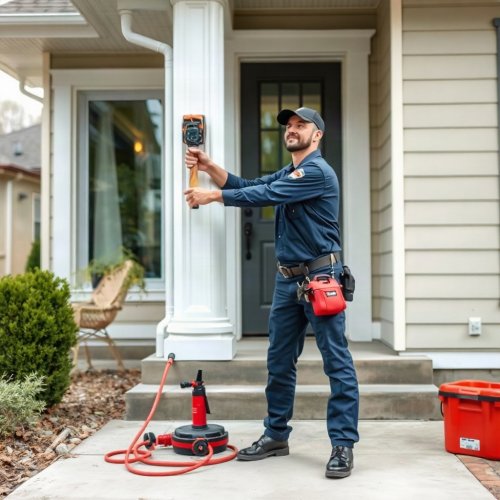
Self-Leveling Camera Inspection Systems: Color cameras fitted with sonde transmitters that stream high-definition video of pipe interiors to digital monitors.
-
Digital Underground Pipe Locators: Handheld receivers that pick up frequencies from camera sondes, mapping exact pipe depths and locations beneath lawns or concrete slabs.
How Long Does the Repair Usually Take?
Repair timelines depend on the underlying cause and severity of the main line obstruction:
-
Simple Main Line Mechanical Snaking: 1 to 2 hours.
-
Hydro Jetting Heavy Grease or Scale: 2 to 3 hours.
-
Camera Inspection & Diagnostic Mapping: 1 hour.
-
Emergency After-Hours Overflow Response: 1 to 3 hours.
If camera inspections reveal collapsed or severely offset clay pipes beneath driveway slabs, structural repairs or trenchless pipe lining may require 1 to 2 business days.
Cost Factors
Sewer cleanout clearing costs vary based on site requirements and repair complexity:
-
Diagnostic & Camera Inspection Fees: Camera mapping setups and line tracing.
-
Clearing Equipment Requirements: Standard mechanical auger clearing versus specialized high-pressure hydro jetting.
-
Access Points: Easy outdoor lawn cleanout access versus buried, inaccessible cleanouts requiring excavation.
-
Emergency Service Charges: After-hours, weekend, or holiday response requirements.
Plumbing repair costs vary depending on the severity of the problem, accessibility, materials required, emergency service, property type, and local labor rates.
Hidden Truths Homeowners Should Know
-
The Cleanout Saved Your Interior Floors: An outdoor cleanout overflow is messy, but it prevents thousands of dollars in sewage damage inside your finished basement or living rooms.
-
"Flushable" Wipes Are the Leading Cause of Line Failures: Synthetic wipes do not dissolve in water—they bind with tree roots and grease, causing main line blockages nationwide.
-
Homeowners Own the Sewer Lateral to the Street Connection: In Washington, DC, property owners are generally responsible for maintaining and repairing the private sewer lateral from the building all the way to the city sewer main connection.
-
Tree Roots Will Return Unless Treated or Sealed: Simply cutting roots with a snake provides short-term relief; roots will grow back within 6 to 12 months unless chemical root treatments or pipe relining are applied.
-
Standard Homeowners Insurance May Require Sewer Backup Riders: Many standard home insurance policies exclude damage caused by main sewer backups unless a specific sewer backup endorsement is added.
15 Common Mistakes Homeowners Make
-
Continuing to Flush Toilets During a Backup: Adding more wastewater to a blocked sewer main speeds up overflowing.
-
Flushing Wipes, Paper Towels, or Hygiene Products: Introducing non-biodegradable synthetic fibers into main sewer lines.
-
Pouring Grease Down Kitchen Drains: Allowing liquid cooking fats to harden inside underground main sewer laterals.
-
Ignoring Early Gurgling Signs in Lower Fixtures: Disregarding bubbling toilet bowls until the cleanout erupts completely.
-
Using Caustic Chemicals to Clear Main Sewer Line Clogs: Chemicals cannot clear dense root masses and pollute local waterways.
-
Burying Outdoor Cleanout Caps Under Mulch or Pavers: Hiding cleanout access points makes emergency plumber intervention slower and more costly.
-
Attempting DIY Snaking Without Protective Equipment: Exposing skin and eyes to biohazardous wastewater pathogens.
-
Removing Indoor Cleanout Caps Under High Pressure: Flooding interior basement spaces by unscrewing indoor pressure caps.
-
Hiring Unlicensed Operators Without Sewer Cameras: Clearing lines blindly without verifying structural pipe condition afterward.
-
Planting Fast-Growing Trees directly over Sewer Lines: Placing water-seeking trees near main underground lateral trenches.
-
Over-Tightening Plastic Cleanout Thread Caps: Cracking PVC cleanout collars through excessive wrench torque.
-
Skipping Post-Clearing Camera Inspections: Leaving hidden pipe fractures or remaining root masses unexamined.
-
Ignoring Small Sewer Odors Around Lawn Borders: Failing to inspect cleanouts when sewer gas smells are detected outside.
-
Waiting for Total Pipe Collapse Before Planning Repiping: Delaying needed pipe replacement until emergency excavations are required.
-
Forgetting to Install Backwater Valves in Low-Lying Areas: Failing to install backflow valves on properties near tidal water tables.
15 Practical Maintenance Tips for Southwest DC Homeowners
-
Flush Only Human Waste and Toilet Paper: Keep all wipes, paper towels, and dental floss out of toilets.
-
Collect Kitchen Cooking Oils in Containers: Pour fats and cooking oils into sealable cans and toss them in the trash.
-
Schedule Annual Main Line Camera Inspections: Have a plumber inspect mature sewer lines in historic properties yearly.
-
Apply Foaming Root Inhibitors Annually: Use plumber-approved copper sulfate or foaming root killers to keep tree roots out of main lines.
-
Keep Outdoor Cleanout Caps Visible and Accessible: Ensure your cleanout cap sits 2 inches above ground level and remains clear of mulch or dirt.
-
Replace Broken or Cracked Cleanout Caps Immediately: Prevent yard debris, rocks, and stormwater from entering your sewer line.
-
Install a Sewer Backwater Valve: Protect ground-floor drains from municipal main surges during heavy storms.
-
Flush Main Lines Periodically with Water Volume: Fill bathtubs and release them simultaneously to sweep loose sediment through main lines.
-
Know Your Sewer Lateral Path: Map your sewer line layout before starting landscaping or deck construction projects.
-
Educate House Guests on Toilet Use: Inform guests not to flush wipes or feminine products down bathroom toilets.
-
Inspect Basement Floor Cleanout Plates Annually: Ensure indoor cleanout seals are tight and leak-free.
-
Clear Tree Branches and Roots Away from Utility Trenches: Trim back water-seeking vegetation growing near main line paths.
-
Monitor Water Flow After Heavy Rainstorms: Check cleanout caps after severe storms in low-lying Southwest riverfront zones.
-
Keep Plumbing Emergency Contact Numbers On Hand: Store details for a trusted, licensed local plumber in your phone.
-
Review Homeowners Insurance Coverage Annually: Confirm that your insurance policy includes a sewer backup endorsement.
When Should You Call an Emergency Plumber?
Call an emergency sewer specialist immediately if:
-
Raw Sewage Is Active and Overflowing from Outdoor Cleanouts: Continuous wastewater spilling requires immediate main line clearing.
-
Sewage Backs Up Into Basement Showers or Floor Drains: Wastewater entering indoor living spaces poses immediate health and water damage risks.
-
Toilets and Tubs Back Up Simultaneously Across the House: Multiple fixture backups indicate a complete main sewer lateral stoppage.
-
Sewer Odors Are Strong Inside Living Spaces: Strong gas odors point to broken main vent stacks or ruptured indoor sewer lines.
Frequently Asked Questions
People Also Ask & Voice Search Questions
What does it mean when water comes out of your sewer cleanout?
Water coming out of your outdoor sewer cleanout means your main underground sewer lateral is completely blocked downstream, causing wastewater from your home to back up and overflow at the cleanout access point.
Is an overflowing sewer cleanout an emergency?
Yes. An overflowing cleanout is a plumbing emergency that indicates a blocked main sewer line. All water use in the building should stop immediately until a licensed plumber clears the line.
Who is responsible for an overflowing sewer cleanout in DC?
In Washington, DC, the property owner is responsible for maintaining and clearing the private sewer lateral line from the home up to the connection at the city main.
Can tree roots cause a sewer cleanout to overflow?
Yes. Tree roots grow into pipe joints seeking moisture, creating dense underground root masses that trap toilet paper and solids, causing complete sewer main blockages.
How do plumbers clear a blocked sewer cleanout?
Plumbers use high-definition cameras to inspect the obstruction, then clear the pipe using heavy-duty motorized sewer augers or high-pressure hydro-jetters.
What should I do immediately if my sewer cleanout spills sewage?
Stop running all water in the house immediately, keep family members and pets away from the spill zone, and call a licensed emergency plumber.
How much does it cost to unblock a main sewer cleanout in Washington, DC?
Clearing costs vary based on clog depth, whether hydro jetting is needed, and access conditions. Contact a local plumber for an upfront on-site assessment.
Will a clogged sewer cleanout fix itself over time?
No. Main sewer line blockages consisting of roots, grease, or wipes will not dissolve on their own and will continue to build pressure until professionally cleared.
Can I use Drano down an overflowing sewer cleanout?
No. Chemical drain cleaners are ineffective against main sewer line blockages like roots or wipes, and they leave dangerous caustic liquid sitting in open pipes.
What is the difference between a drain clog and a main sewer backup?
A drain clog affects only a single fixture (like one sink), whereas a main sewer backup affects all fixtures in the home and causes water to rise at the lowest drain or outdoor cleanout.
Why Choose Our Plumbing Company?
When facing a sewer cleanout overflow in Southwest Washington, DC, fast and expert intervention is essential. At plumber in Washington DC, we provide reliable, professional sewer and drain services throughout Southwest and surrounding DC neighborhoods.
-
Experienced Licensed Specialists: Our plumbers understand the unique soil, riverfront water table, and historical utility conditions in Southwest DC.
-
Modern Diagnostic Equipment: We utilize high-definition sewer cameras and commercial hydro-jetting technology to pinpoint and eliminate tough obstructions.
-
Honest Upfront Estimates: We present clear, upfront recommendations and transparent pricing before starting any repair work.
-
Emergency Service Availability: Sewer emergencies don't wait for business hours; our team responds rapidly to halt active backups.
-
Comprehensive Cleanup & Workmanship: We treat your property with respect, replacing cleanout fittings securely and maintaining clean work zones.