24 Hour Plumbing Emergencies in Washington, DC: Causes & Solutions
Learn what constitutes a true plumbing emergency in Washington, DC, how to handle urgent failures safely, and what to expect from 24-hour dispatch services.
Understanding Plumbing Emergencies in Washington, DC
When a severe plumbing failure occurs, knowing how to distinguish a genuine crisis from a routine maintenance issue can prevent property damage and unnecessary stress. In Washington, DC, properties range from historic rowhouses with aging infrastructure to modern downtown condominiums and commercial spaces. Each building type responds differently to pressures like freezing winter temperatures, heavy seasonal rainfall, and shifting municipal water demands.
A plumbing situation qualifies as an emergency when it poses an immediate threat to human safety, risks severe structural damage to a building, or completely halts essential sanitation services. Understanding what causes these failures, how to manage them safely in the critical first minutes, and what professional intervention involves helps property owners make informed decisions under pressure.
What Defines a Midnight or Weekend Plumbing Crisis?
Property owners often hesitate to call for professional help outside normal business hours due to cost concerns or uncertainty. However, waiting to address critical failures can transform a minor repair into a major structural remediation project. Common scenarios requiring immediate round-the-clock intervention include:
Uncontrolled Water Supply Leaks: When a pressurized pipe bursts or a supply line snaps, water can flood living spaces, ruin hardwood floors, and compromise electrical systems within minutes.
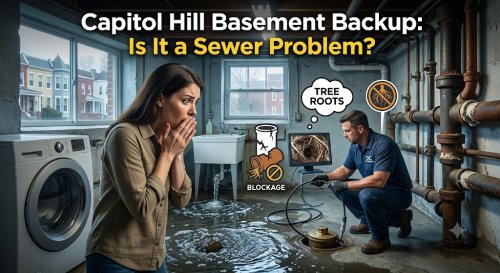
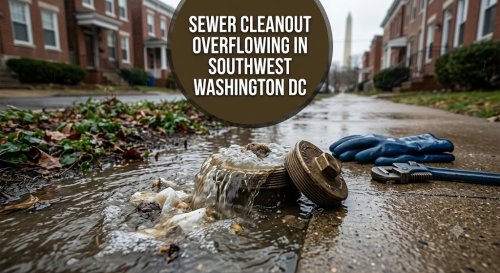
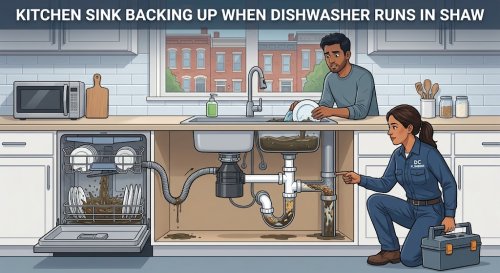
Main Sewer Line Backups: If multiple toilets, tubs, and floor drains begin overflowing with raw sewage simultaneously, the property becomes unsanitary and uninhabitable.
Complete Loss of Water Pressure or Supply: A total disruption in water supply during freezing weather often indicates frozen main lines that risk bursting as temperatures fluctuate.
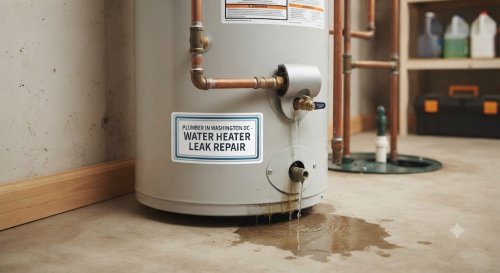
Water Heater Tank Failures: A compromised water heater tank releasing gallons of heated water into a basement or utility closet demands immediate shutdown and extraction.
Primary Causes of Urgent Plumbing Failures
Every emergency has a mechanical root cause. Recognizing why these failures happen provides valuable insight into prevention and long-term remediation.
1. Freezing Temperatures and Burst Pipes
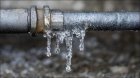
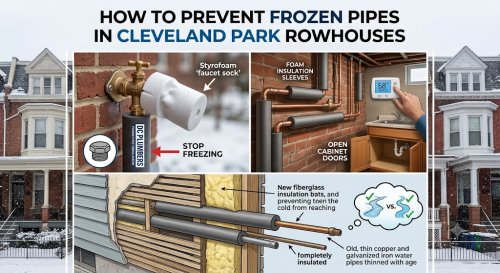
Washington, DC experiences distinct winter freeze-thaw cycles. When outdoor temperatures drop significantly, uninsulated pipes located in exterior walls, crawl spaces, or unheated basements are vulnerable to freezing. As water turns to ice, it expands, creating immense internal pressure that can split copper, galvanized steel, or PVC piping. The rupture often occurs silently behind drywall, only revealing itself when the ice thaws and water begins pouring into the living space.
2. Main Drain Blockages and Municipal Surges
Drain clogs usually develop gradually, but a complete main sewer line blockage becomes an instant emergency. In older neighborhoods across the District, mature street trees often send roots infiltrating aging clay or cast-iron sewer laterals. When heavy rainfall occurs, stormwater infiltration can overwhelm combined municipal sewer systems, forcing wastewater backward into private building connections and basement floor drains.
3. Extreme Water Pressure and Wear
Many multi-story buildings and older neighborhoods experience fluctuating municipal water pressure. If a property's pressure-reducing valve (PRV) fails, baseline pressure can exceed safe limits (typically 80 psi). Sustained high pressure weakens fixture connections, water heater tanks, and supply hoses, eventually causing sudden catastrophic failures.
Immediate Damage-Control Steps for Homeowners
When an emergency strikes, taking the right steps before a professional arrives can dramatically limit property damage. Safety must always come first.
Locate and Close the Main Water Shutoff: Every property owner should know where their main water shutoff valve is located. In DC rowhouses, this valve is often found in the basement near the front wall where the service line enters. In slab-on-grade properties or condos, it may be in a utility closet or garage. Turning this valve clockwise stops all incoming water instantly.
Turn Off Water Heaters if Necessary: If a pipe bursts or the water heater itself fails, shut off the gas supply or electrical breaker to the unit to prevent element burnout or tank explosion.
Protect Electrical Hazards: If water is pooling near electrical outlets, service panels, or appliances, do not wade into standing water until power has been safely shut off at the main breaker panel.
Contain and Extract: Use buckets, towels, and wet-dry vacuums to control pooling water while awaiting professional assistance.
What NOT to Do During a Plumbing Emergency
Panic can lead to well-intentioned mistakes that worsen the situation. Avoid these common hazards:
Do Not Use Chemical Drain Openers on Complete Stoppages: Pouring caustic chemical cleaners into a completely blocked drain creates standing toxic water that can splash back during plunging or professional snaking, causing severe chemical burns.
Do Not Attempt Flame Thawing: Never use an open torch, blowtorch, or high-heat flame to thaw frozen pipes inside walls or crawl spaces. This is a severe fire hazard and can vaporize trapped water instantly, causing the pipe to explode.
Do Not Force Stripped Valves: If an old gate valve or shutoff valve refuses to turn, forcing it can snap the stem off entirely, turning a slow leak into an uncontrolled torrent.
Professional Diagnostic and Repair Methods
When an emergency technician arrives, their primary goal is stabilization followed by accurate diagnosis. Depending on the nature of the call, professionals utilize specialized tools and techniques:
Acoustic and Thermal Leak Detection: For hidden leaks behind walls or beneath concrete slab basements, electronic listening devices and thermal imaging cameras pinpoint moisture without destructive exploratory demolition.
Sewer Camera Inspections: For recurring backups, a waterproof fiber-optic camera is pushed through the cleanout to visually inspect the interior condition of underground sewer laterals, identifying root intrusion, structural collapses, or bellied pipe sections.
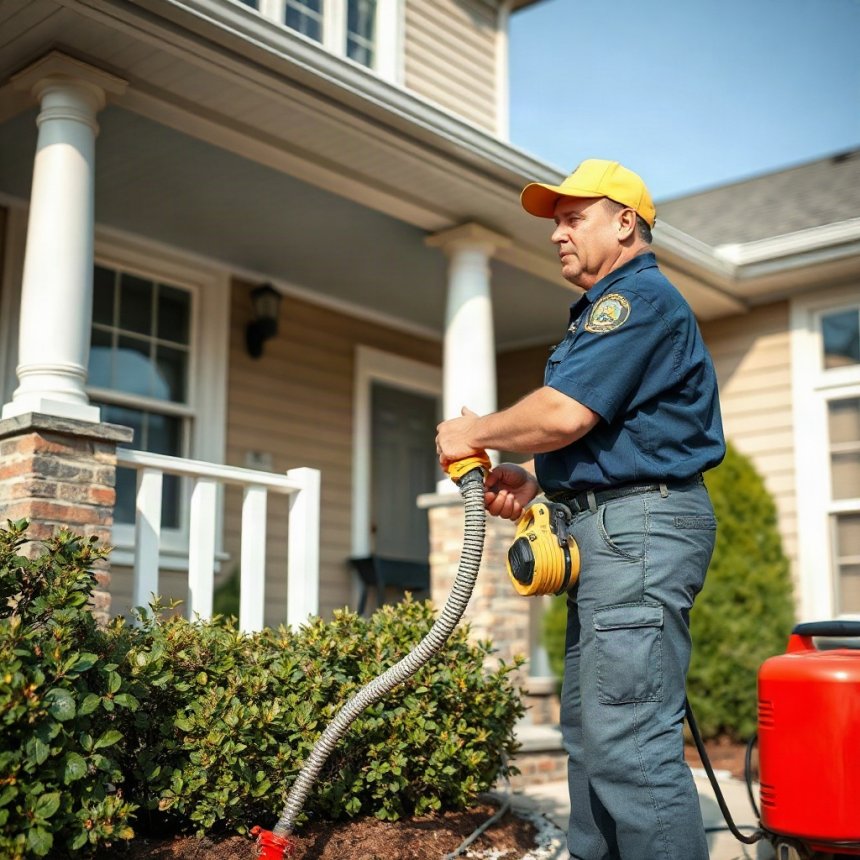
Hydro Jetting: When heavy grease, scale, or stubborn root masses block drainage systems, high-pressure water jetting scours the interior pipe walls clean far more effectively than traditional cabling.
Targeted Repiping and Valve Replacement: Emergency repairs often involve cutting out a ruptured section of pipe, installing a durable replacement coupling (such as PEX or copper), and replacing failed control valves to restore system integrity.
Factors Influencing Emergency Service Scope and Costs
Emergency plumbing involves unique logistical challenges that influence the scope and pricing of the work. Understanding these factors helps clarify professional estimates:
Timing and Accessibility: Dispatching a crew, securing specialized equipment, and navigating urban traffic during off-hours, holidays, or severe weather events requires dedicated resources.
Access Restrictions: Working inside finished basements, historic rowhouse utility chases, or tight crawl spaces requires delicate extraction and repair techniques to minimize collateral damage to drywall and flooring.
Underground Excavation: If a main sewer line has collapsed beneath a basement floor or a front yard, heavy equipment, concrete breaking, and specialized excavation may be required to reach the failure point.
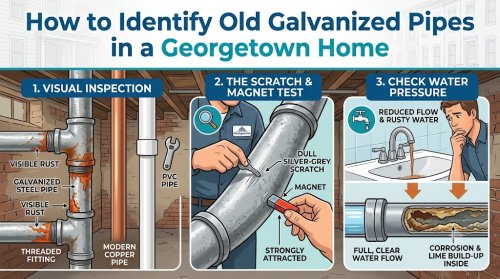
Material Compatibility: Older properties featuring cast iron, galvanized steel, or obsolete polybutylene piping require transition couplings and specialized fittings to connect modern repair materials safely.
Shared Plumbing and Multi-Unit Considerations
Property owners in Washington, DC condominiums, apartment buildings, and rowhouses with shared party walls must navigate complex plumbing boundaries. A leak or backup originating in a shared vertical drain stack or main building supply line is rarely the sole responsibility of an individual unit resident.
Before authorizing major repairs on multi-family properties, residents and landlords should consult building bylaws, condominium association guidelines, or lease agreements to determine whether the issue falls under private unit maintenance or common element responsibility managed by the building association.
Frequently Asked Questions
How do I find my main water shutoff valve in an older Washington, DC home?
In older DC rowhouses and homes with basements, the main water shutoff valve is typically located on the front foundation wall where the water service line enters the building, usually just before or after the water meter. If the valve is severely corroded or fails to close completely, do not force it; contact a professional to replace the curb stop or main shutoff.
Is a single slow-draining sink considered a plumbing emergency?
No. A single slow fixture is typically a localized issue caused by hair, soap scum, or food debris trapped in the P-trap or immediate branch drain. It becomes an urgent issue only if it backs up raw sewage into other living areas or if multiple fixtures throughout the home begin failing simultaneously.
What should I do if my sump pump fails during a heavy rainstorm?
If your sump pump stops running during heavy precipitation, check the electrical plug and breaker first. If power is active but the motor is dead or humming without pumping, a mechanical failure has occurred. Immediately bail water manually using buckets if possible, protect valuables from basement flooding, and request emergency pump replacement.
Can I use my plumbing system after a main sewer backup?
You should completely stop using all water fixtures (toilets, showers, washing machines, and sinks) immediately following a main sewer backup. Introducing more water into the drainage system will force additional raw sewage up through floor drains and lower-level fixtures, increasing contamination risks.
Why does my water pressure drop suddenly during freezing weather?
A sudden pressure drop during freezing temperatures often indicates that ice is beginning to form inside a supply line, restricting water flow. If left unaddressed, the expanding ice will soon create a complete blockage and potentially burst the pipe as temperatures shift.
What questions should I ask an emergency plumber before they begin work?
Always ask for a clear breakdown of diagnostic fees versus repair labor rates, whether the quoted price includes cleanup and disposal, what warranty covers the repair materials, and whether temporary stabilization is being performed or a permanent fix.