Introduction
There is nothing quite like stepping into a hot morning shower only to be blasted with freezing water. For property owners in the District of Columbia, a sudden breakdown of a primary water heating system is more than an inconvenience—it is a major household disruption. Hot water tank replacement is a critical home improvement project that many local residents eventually face, particularly given the unique architectural landscape of the capital region.
From historic row houses in Capitol Hill to modern condos in Navy Yard, DC homes feature diverse plumbing layouts that age at different rates. Aging infrastructure, dense municipal water mineral content, and seasonal temperature swings all place heavy strain on residential water heaters. Understanding how your system operates, recognizing the subtle warning signs of failure, and knowing when to call a licensed master plumber will save you from catastrophic property damage, unexpected cold showers, and bloated utility bills.
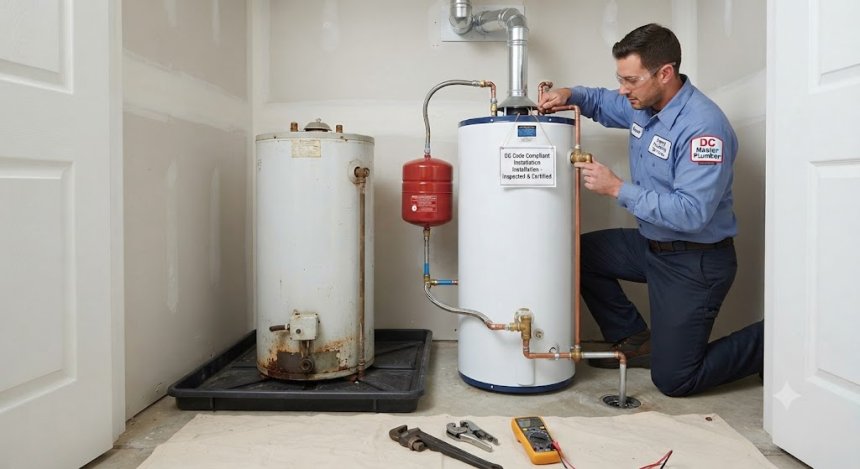
What Is Hot Water Tank Replacement? Decoding the Mechanism
At its core, a traditional residential hot water tank is a heavy-gauge steel storage vessel designed to heat and continuously store potable water under household pressure. Inside the tank, either electric heating elements or a gas burner controlled by a thermostat maintain water temperatures typically between 120°F and 140°F. A dip tube forces incoming cold water to the bottom of the tank, where it is heated, forcing the lighter hot water to rise and exit through the hot water supply line at the top.
When a system fails, it is rarely a sudden catastrophic explosion; rather, it is usually a gradual breakdown of internal components. Over time, protective sacrificial anode rods deplete, corrosive sediment builds up at the bottom of the tank, and thermal stress causes micro-fractures in the glass-lined steel interior.
Imagine a 15-year-old traditional gas water heater tucked away in a tight Columbia Heights basement utility closet. Because the sacrificial anode rod was never inspected or replaced, it completely dissolved years ago. Mineral deposits accumulated over the burner assembly, forcing the system to work twice as hard to heat water. Eventually, internal corrosion breaches the steel wall, resulting in slow seepage that turns into a full-scale basement flood before the homeowner notices.
Financial Breakdown: Cost Factors & Investment Realities
Navigating the financial investment of a new water heater requires transparency. Flat-rate pricing for a hot water tank replacement varies based on system type, tank capacity, fuel source, accessibility, and local code compliance updates.
-
Diagnostic & Dispatch Fees: Professional evaluation of your existing plumbing setup and ventilation pathways.
-
Equipment & Capacity: Standard 40-gallon or 50-gallon tank units versus high-efficiency tankless models or hybrid heat pump systems.
-
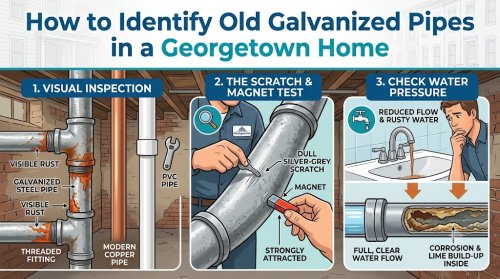
Material & Piping Upgrades: Transitioning from rigid galvanized lines or outdated gas flex connectors to modern copper, brass, or certified PEX fittings.
-
DC Code Compliance: Installing mandatory thermal expansion tanks, seismic earthquake straps (where applicable), and upgraded drain pans to meet current local plumbing codes.
-
Disposal Fees: Safe hauling and environmental recycling of your heavy, expired water storage tank.
Root Causes: Why This Problem Occurs in DC Homes
Washington, DC possesses a distinct infrastructure and environmental profile that directly accelerates water heater wear and tear.
-
Aging Urban Infrastructure: Many historic row homes and older residential properties still rely on legacy supply lines or outdated gas and electrical feeds that struggle to support modern high-draw appliances.
-
Hard Water Mineral Scaling: The municipal water supply contains dissolved calcium and magnesium. As water is heated repeatedly, these minerals precipitate out of solution and settle as a thick layer of sediment at the bottom of the tank, insulating the water from the burner or elements.
-
Municipal Water Pressure Fluctuations: DC Water manages extensive pressure zones across varying elevations. High incoming water pressure or sudden pressure surges place severe stress on tank walls and temperature-pressure (T&P) relief valves.
-
Thermal Expansion Stress: Without a properly charged thermal expansion tank in place, closed-loop plumbing systems experience dramatic pressure spikes every time the water heater fires up, fatiguing internal welds.
-
Corrosion & Anode Depletion: The natural electrochemical reaction inside a steel tank eats away at exposed metal once the sacrificial anode rod has fully sacrificed itself to protect the tank walls.
Professional Diagnostic & Repair Workflow
When you hire a licensed plumbing contractor to evaluate your failing water heater, they follow a strict, methodical workflow to ensure safety and precision:
-
Non-Invasive Triage & Safety Isolation: The technician immediately shuts off the fuel supply (gas valve or circuit breaker) and isolates the cold water inlet valve to prevent further damage or hazard.
-
Precision Diagnostic Inspection: They test electrical voltage, check thermocouple performance, evaluate gas combustion venting, and measure tank pressure integrity.
-
Transparent, Upfront Options: The plumber outlines whether a component repair (like a new gas control valve or thermostat) is viable or if a total tank replacement is the safer, more cost-effective long-term solution.
-
Code-Compliant Removal & Installation: The old tank is safely drained and removed. The new unit is installed with updated dielectric unions, proper venting, and required safety valves.
-
Pressure Testing & Cleanup: The system is pressurized, checked for leaks, tested for hot water delivery across multiple fixtures, and the work area is left spotless.
Critical Warning Signs: When Your Home is Sounding the Alarm
Your water heater will rarely fail without giving you clues first. Keeping your senses alert to subtle changes can prevent a midnight flood.
-
Auditory Clues: Rumbling, popping, or banging noises coming from the tank indicate heavy sediment boiling at the bottom. Whistling or hissing points to pressure imbalances or venting issues.
-
Olfactory Indicators: A rotten egg odor near a gas unit can signal a gas leak or a failing pilot assembly, while musty or metallic smells in your hot water point to internal bacterial growth or severe pipe corrosion.
-
Visual & Structural Red Flags: Rust-colored water coming exclusively from hot taps, damp patches around the base of the tank, mineral crust buildup around fittings, or unexplained spikes in your monthly utility bills all signal an imminent breakdown.
DIY Reality Check: What You Can Safely Fix vs. When to Step Back
It is tempting to try and handle plumbing repairs yourself to save money, but water heaters involve high-voltage electricity, natural gas lines, and scalding-hot water under pressure.
-
Safe Homeowner Actions: Monitoring the temperature setting, visually inspecting the area around the base for moisture, and clearing clutter away from the ventilation clearance zone.
-
The Danger Zone: Attempting to hardwire electric elements, modifying gas supply lines, or replacing a stuck T&P valve without professional training. Mistakes here can lead to carbon monoxide poisoning, severe electrical shock, or explosive tank failure.
-
When to Call a Pro: The moment you spot active leaking from the tank body itself, experience persistent pilot light failures, or notice structural corrosion on major fittings, drop the wrench and call a licensed specialist.
Advanced Diagnostics: The Professional Tool Arsenal
Professional plumbers rely on specialized diagnostic gear to assess water heater health and surrounding infrastructure with absolute precision:
-
Digital Manometers: Used to measure precise gas pressure delivery and verify that burners operate within manufacturer safety specifications.
-
Electronic Multimeters: Essential for safely testing electrical resistance, continuity, and voltage across thermostats, heating elements, and relay switches.
-
Thermal Imaging Cameras: Allow technicians to scan walls and subfloors near the utility closet for hidden moisture migration, active leaks, or insulation degradation.
-
Acoustic Leak Detectors & Pressure Gauges: Help isolate hidden supply line leaks and verify that home water pressure regulators (PRVs) are functioning correctly.
Unique Expert Insights: Hard Truths Homeowners Learn Too Late
Over decades of field work in residential properties, master plumbers encounter recurring mistakes that cost homeowners dearly:
-
Temporary patch kits or epoxy putty applied to a leaking tank wall are dangerous illusions; they will inevitably blow out under pressure and void your homeowner insurance policy.
-
Ignoring annual tank flushes cuts the lifespan of a standard water heater in half, turning a 12-year investment into a 6-year emergency.
-
Unlicensed handymen often bypass local building codes—such as omitting thermal expansion tanks or failing to secure proper gas vent clearances—which causes immediate failure during future real estate home inspections.
-
Purchasing the cheapest unit off the shelf usually means settling for lower-grade steel and shorter manufacturer warranties, resulting in higher lifetime ownership costs.
-
Preventive maintenance and anode rod replacements performed every few years cost a fraction of emergency extraction and structural drywall restoration.
Comprehensive Home Plumbing Maintenance Framework
Maintaining a healthy plumbing and water heating system requires proactive, seasonal habits tailored to your home calendar:
-
Spring Checks: Test your sump pump, inspect outdoor hose bibs for winter cracking, and check your home's main water shut-off valve for smooth operation.
-
Summer Maintenance: Clear debris from around outdoor HVAC and plumbing vents, check washing machine supply hoses for bulging or brittleness, and monitor water bill baselines.
-
Fall Preparation: Insulate exposed basement or garage water lines against upcoming drafts, check water heater temperature settings, and clear gutters to protect foundation grading.
-
Winter Readiness: Drain and store outdoor garden hoses, know the exact location of your home's emergency water shut-off, and keep an eye out for frozen pipe warning signs.
-
Year-Round Habits: Flush your hot water storage tank annually to remove sediment, avoid chemical liquid drain cleaners, and test your pressure reducing valve (PRV) periodically.
Emergency Protocol: When Immediate Dispatch is Non-Negotiable
Some plumbing situations cannot wait until regular business hours. You need an emergency dispatch if you experience:
-
Catastrophic tank rupture or active structural flooding threatening living spaces and electrical panels.
-
A severe gas odor or suspected gas line leak connected to the water heating appliance.
-
Complete loss of potable water supply across your entire property during freezing weather.
-
Major electrical shorting or sparking originating from an electric water heater control box.
Frequently Asked Questions (FAQs)
How long does a standard hot water tank last in DC?
Most traditional tank water heaters last between 8 to 12 years. In areas with high mineral content like Washington, DC, unmaintained units often fail closer to the 7-to-9-year mark due to heavy sediment accumulation.
Should I choose a traditional tank or a tankless water heater?
Traditional tanks offer lower upfront installation costs and reliable high-flow volume, while tankless systems provide endless hot water and energy efficiency, though they often require gas line or electrical upgrades in older homes.
Can I replace my water heater by myself?
DIY replacement is strongly discouraged due to severe safety hazards involving high voltage electricity, natural gas connections, carbon monoxide venting, and local building code compliance.
Why is my hot water running out so fast?
This is typically caused by a broken dip tube that allows cold water to mix immediately with hot water, a failing heating element, or heavy mineral sediment buildup taking up internal tank volume.
What is a thermal expansion tank, and do I need one?
A thermal expansion tank absorbs excess water volume created as water heats up in a closed plumbing system. DC plumbing codes often require them to prevent high pressure from damaging your water heater and fixtures.
How often should I flush my hot water tank?
You should flush your water tank at least once a year to clear out mineral sediment, improve energy efficiency, and extend the overall lifespan of the appliance.
What does the anode rod do?
The anode rod is a sacrificial metal rod suspended inside the tank that attracts corrosive minerals in the water, sacrificing itself so that the steel walls of your tank do not rust.
What should I do if my water heater starts leaking from the bottom?
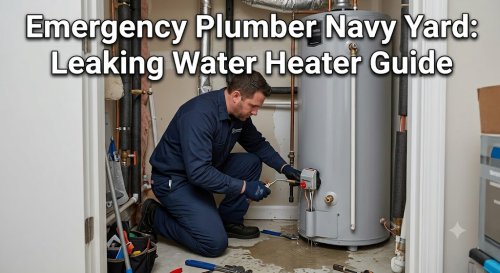
Immediately shut off the cold water supply valve above the tank, turn off the power source (gas valve or circuit breaker), and call a licensed emergency plumber to prevent property damage.
Why Washington, DC Homeowners Trust Expert Plumbing Services
Choosing the right plumbing partner for your home improvement or emergency replacement needs makes all the difference. Trusted local professionals deliver peace of mind through:
-
Fully licensed, insured, and background-checked master plumbers who understand local DC residential architecture.
-
Clear, upfront, flat-rate pricing with zero hidden overtime surprises or deceptive sales gimmicks.
-
State-of-the-art diagnostic equipment and code-compliant installation practices.
-
Deep local expertise serving Washington, DC neighborhoods and surrounding communities with a commitment to long-term customer satisfaction and solid warranties.