How to Prevent Frozen Pipes in Cleveland Park Rowhouses
Don't let winter ruin your historic Cleveland Park rowhouse. Learn practical tips from DC plumbing experts on how to prevent frozen pipes and avoid costly bursts.
How to Prevent Frozen Pipes in a Cleveland Park Rowhouse
Living in a historic Cleveland Park rowhouse offers unparalleled charm, from the distinctive architectural details to the sense of community in one of Washington, DC’s most desirable neighborhoods. However, owning a piece of history comes with unique responsibilities, particularly when the winter temperatures drop across the District.
Frozen pipes are a significant threat to DC rowhouses. The age of these properties often means original plumbing is located in unheated, poorly insulated areas like crawlspaces, drafty basements, or—most dangerously—inside exterior walls that lack modern insulation. When the water inside these pipes freezes, it expands. This expansion creates immense pressure that the pipe cannot contain, leading to a rupture.
Homeowners search for this topic because a burst pipe isn’t just a plumbing issue; it’s a household catastrophe. A single burst can unleash hundreds of gallons of water per hour, devastating historic hardwood floors, plaster walls, and prized personal belongings. Taking immediate, preventive action is essential to protecting your investment and your peace of mind this winter.
What Is the Problem: Frozen Pipes in Historic Homes?
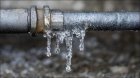
Simply put, a frozen pipe occurs when the water inside your plumbing reaches 32 degrees Fahrenheit (0 degrees Celsius) or lower and turns to ice. This issue is extremely common in the older housing stock found in Cleveland Park.
While you might expect outdoor hoses to freeze, the real danger is to the pipes inside your home’s structure. Historic rowhouses were often built before modern building codes required specific insulation R-values for exterior walls. Over decades, renovations may have added additions or routed new plumbing through unheated zones without proper protection.
Common Situations in Cleveland Park
-
Exterior Wall Plumbing: Kitchen or bathroom sinks located on an outside wall are primary targets.
-
Basements and Crawlspaces: Older rowhouses often have unfinished, unheated basements where main water lines run exposed.
-
Unheated Additions: Previous renovations that extended the back of the house might not have adequate heat or insulation for the plumbing routed there.
Why Does This Plumbing Problem Happen?
Frozen pipes are rarely the result of a single factor; they usually occur when seasonal weather combines with home vulnerabilities.
1. Seasonal Weather and Rapid Temp Drops
Plumbing in Washington, DC is generally designed to withstand moderate winters. However, the arctic blasts (polar vortex events) that bring sudden, extreme drops in temperature—often accompanied by high winds—are the catalysts. The wind chill accelerates heat loss from your home’s structure, cooling internal wall cavities faster than the home's heating system can warm them.
2. Improper Insulation or Drafts
This is the most common cause in historic properties. If insulation inside an exterior wall has settled over time, or was never installed, the pipe is exposed to the outside cold. Furthermore, small gaps around outdoor faucets, cable lines, or ventilation ducts allow icy drafts to blow directly onto a localized section of the pipe, causing it to freeze quickly.
3. Aging Pipes and Imbalance
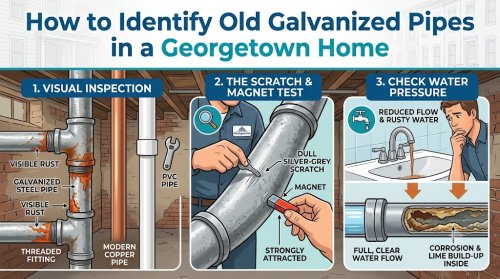
Older galvanized steel or thin copper pipes corrode over time, making them slightly weaker and more susceptible to bursting under pressure. Additionally, uneven heat distribution in a tall, narrow rowhouse can leave ground-floor or basement utility areas dangerously cold while upstairs bedrooms remain warm.
Warning Signs of Freezing Pipes You Should Never Ignore
Your plumbing system often provides subtle warnings before a pipe actually bursts. Recognizing these signs can help you intervene in time.
-
No Water or a Tricke: This is the ultimate warning. If you turn on a faucet (especially on an exterior wall) and only a trickle or nothing comes out, a blockage has already formed. You must assume the pipe is frozen.
-
Frost on Exposed Pipes: If you can see frost or condensation building up on visible pipes in your basement or utility closet, the area is too cold.
-
Strange Odors: If a drain or toilet smells unusual, it may be because ice is blocking the drain line, preventing sewer gases from venting correctly.
-
Bulging Pipes: Take a quick look at exposed pipes. If a section looks slightly distended or misshapen, it may be under pressure from internal icing.
Common Plumbing Problems Related to This Issue
A frozen pipe is often the precursor to several other critical plumbing failures:
-
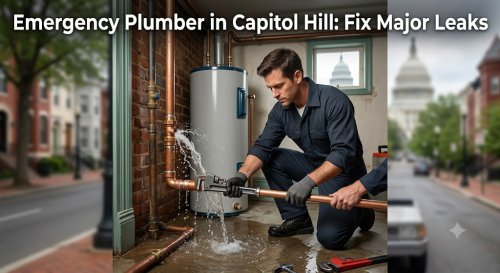
Burst Pipes and Major Leaks: The most common and devastating outcome.
-
Water Heater Failures: If the cold water supply line feeding your water heater freezes, it can cause the unit to dry fire or collapse under vacuum pressure.
-
Fixture Damage: The pressure can back up and damage internal valves in expensive faucets or toilet fill mechanisms.
Step-by-Step Guide to Preventing Frozen Pipes
Preventing this issue is entirely within your control. Here is a practical maintenance checklist for Cleveland Park rowhouse owners.
1. Weatherize Your Historic Rowhouse
Before the first frost, inspect your home's exterior. Use caulk or expandable foam insulation to seal gaps around where cable lines, phone lines, and ventilation ducts enter the house. Even a small draft can freeze an adjacent pipe. Ensure your basement windows and crawlspace vents are tightly closed.
2. Disconnect Outdoor Hoses and Winterize Spigots
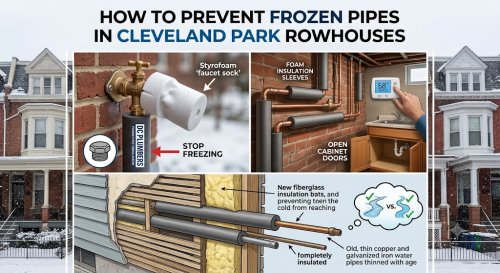
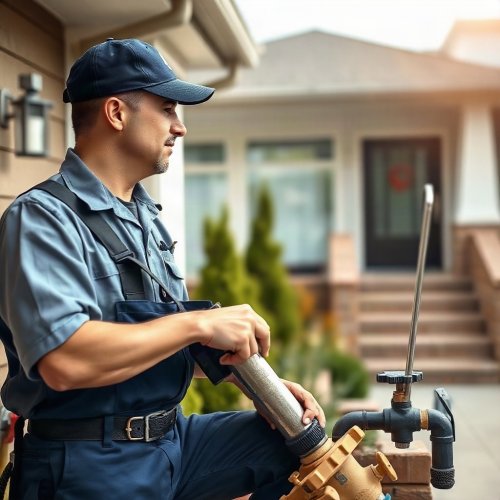
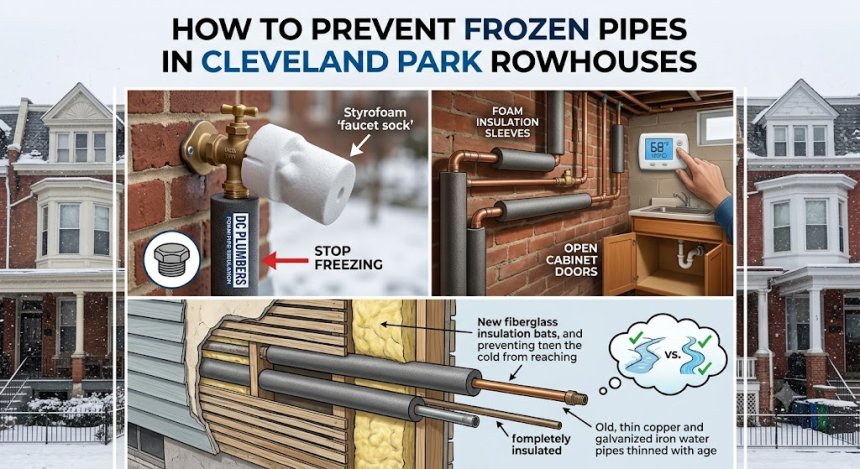
This is crucial. Disconnect all garden hoses and drain them. If you have interior shut-off valves for your outdoor faucets (spigots), turn them off and then open the outdoor faucet to drain any remaining water. If you do not have interior shut-off valves, install styrofoam "faucet socks" over the exterior spigots to provide insulation.
3. Add Insulation to Pipes in Unheated Areas
Visit your basement, crawlspace, or attic. Any water pipe running through an unheated zone should be insulated. Use cheap and effective foam pipe insulation sleeves. Focus on the main water intake line and pipes running along outside walls.
4. Keep Heat Circulating during Arctic Blasts
When a polar vortex is forecast, your rowhouse heating strategy must change.
-
Drip the Faucets: Open both the hot and cold faucets slightly to allow a slow drip. This is not about wasting water; it keeps water moving, which is much harder to freeze, and importantly, it relieves the pressure that builds up between a freezing spot and the faucet.
-
Open Cabinet Doors: Open the cabinets under kitchen and bathroom sinks, especially on exterior walls. This allows the warm air from your home to circulate around the pipes.
-
Keep Heat Consistent: Do not set back your thermostat at night during extreme cold. Keep the heat set to at least 65°F (18°C) continuously.
5. Managing Vacations and Travel
If you leave town during the winter, do not turn the heat off. Set your thermostat to at least 60°F. Ask a trusted neighbor or property manager to check the house daily to ensure the heat is running and that no pipes have frozen. For longer absences, you may want to have a licensed plumber drain your system entirely.
Can You Fix It Yourself? Temporary Fixes and Safety
If you suspect a pipe is already frozen, your reaction must be calm and safe.
How Homeowners Can Safely Thaw Pipes
-
Open the Faucet: Before you do anything else, open the faucet associated with the frozen line. This provides a path for water and pressure to escape as the ice thaws.
-
Apply Gentle Heat: Use a hairdryer on the low or medium setting, moving it constantly back and forth along the suspected frozen section. Alternatively, wrap the pipe in towels soaked in hot water or use a portable space heater (kept well away from flammable materials).
-
Start from the Faucet: Always apply heat starting from the faucet end and moving toward the frozen area. This allows thawed water to flow out immediately.
What NOT to Do (The Risks of DIY)
-
NEVER use a blowtorch or open flame: This is the most dangerous mistake homeowners make. It instantly boils the water inside the pipe, causing it to explode, and poses a severe fire hazard to historic plaster-and-lath rowhouses.
-
Do Not Use Chemical Clogs Disolvers: These chemicals will not melt ice and will only make the standing water caustic and dangerous.
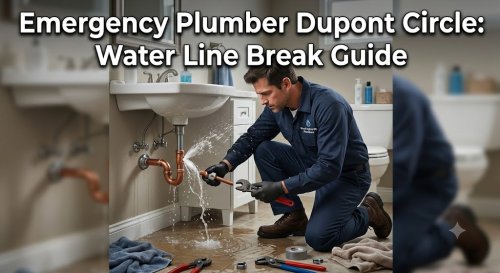
When DIY becomes dangerous: If the frozen pipe is located inside a wall, or if you apply heat and water starts spraying out, you have a major emergency. Turn off the main water valve immediately and call a licensed plumber.
Professional Repair Process for Burst Pipes
When prevention fails and a pipe bursts, you need professional intervention. Here is how a licensed plumber in Washington, DC typically handles the issue.
Step 1: Emergency Service and Water Shutoff
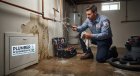
Upon arrival, the plumber first ensures the main water valve is completely closed and the electrical supply to adjacent water heaters or boilers is safe.
Step 2: Diagnosis and Inspection
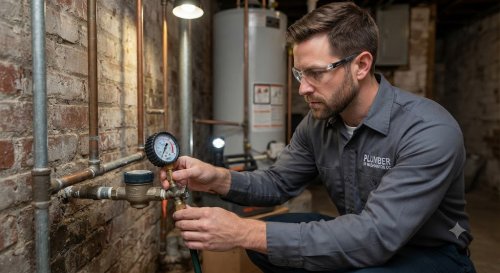
If the leak is visible, the plumber assesses the damage. If the burst occurred inside a wall (common in rowhouses), they may use thermal imaging cameras or leak detection equipment to locate the break accurately, minimizing damage to historic plaster walls.
Step 3: Repair or Replacement (Repiping)
The damaged section of the pipe is cut out. Depending on the pipe material (copper, PEX, or cast iron), new pipe sections are soldered, crimped, or fitted into place. In some older homes, the plumber may recommend "repiping" the entire run if the rest of the line is too corroded to withstand the repair.
Step 4: Testing and Cleanup
The plumber slowly turns the main water back on, closely monitoring the repair area and testing all faucets in the house to ensure correct pressure and no secondary leaks exist.
Cost Factors of Burst Pipes vs. Prevention
We do not provide fake fixed prices because historic homes present unique challenges. However, we can explain the cost factors involved.
-
Diagnostic Fees: The cost to have a plumber diagnose the issue, which may be higher after hours.
-
Emergency Service: Plumbers charge premium rates for nights, weekends, and holidays—precisely when most polar vortex disasters strike.
-
Labor and Access: A repair inside a basement is much cheaper than a repair that requires cutting through historic plaster walls, especially if plaster restoration is later needed.
-
Restoration Costs: The cost of the plumber is often the smallest part of the bill. You must factor in the cost of water remediation, hardwood floor refinishing, and mold remediation.
Plumbing repair costs vary depending on the severity of the problem, accessibility, materials required, emergency service, property type, and local labor rates. Draining your spigots and buying $20 of pipe insulation is significantly cheaper than the alternative.
Hidden Truths Homeowners Should Know
-
Delaying Repairs Causes Structural Damage: Water undermines structural foundations and causes wood rot within days. Ignoring a leak can lead to ceiling collapses.
-
Mold Develops Quickly: Mold begins growing on wet plaster and insulation within 24 to 48 hours of a pipe burst, requiring expensive specialized removal.
-
Insurance May Not Cover Neglect: Most homeowners insurance policies cover sudden, accidental water damage, but they may deny claims if they determine the freezing was caused by neglect (e.g., leaving the heat off while on vacation).
-
Cheap Temporary Fixes Often Fail: Wrapping a pinhole leak with rubber and a clamp is a temporary measure. When your home’s system pressurizes again, these fixes often fail catastrophically.
-
Small Leaks Become Expensive Repairs: A small pinhole leak in a galvanized pipe inside a wall will slowly saturate structural wood for months before showing up as a stain on your ceiling, turning a minor pipe fix into a major restoration job.
15 Practical Maintenance Tips for Year-Round Protection
-
Check Faucet Aerators: Sediment traveling through pipes can clog aerators, mimicking low pressure signs.
-
Know Your Main Valve: Ensure every adult in the house knows the exact location of the main water shut-off valve.
-
Inspect Basin and Sink Drains: Slow drains can be a sign of deeper sewer line issues that are more susceptible to freezing.
-
Manage Water Pressure: Have a plumber test your home's water pressure. High pressure stresses aging pipes.
-
Listen to Your Pipes: Banging sounds (water hammer) stress fittings and should be addressed.
-
Schedule Annual Inspections: Have a DC plumber visually inspect accessible lines before winter.
-
Insulate exposed lines: Focus on basement and attic runs.
-
Seal Foundation Gaps: Use foam to block drafts near the house sill.
-
Disconnect Hoses Early: Do this before the first DC frost, typically in November.
-
Install "Faucet Socks": If you lack interior spigot shut-offs.
-
Drip Faucets Strategically: Focus on exterior-wall sinks during polar vortices.
-
Keep Cabinets Open: Let home heat warm under-sink plumbing.
-
Don't Set Back Thermostat: Keep temperatures consistent during extreme cold.
-
Manage Vacation Heat: Never set heat below 60°F when traveling.
-
Educate House Sitters: Make sure they know how to drip faucets and find the main valve.
When Should You Call an Emergency Plumber?
frozen pipes are always a significant risk, but certain situations constitute an immediate emergency requiring professional intervention:
-
You Thaw the Pipe and Water Sprays: This means the pipe has already burst, and the ice plug was the only thing holding the water back.
-
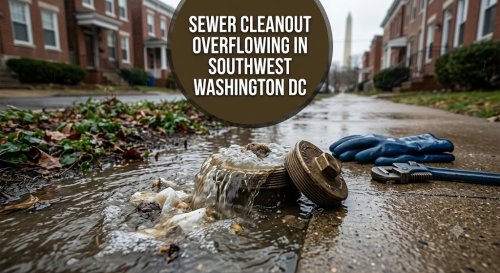
Sewage Backs Up: Frozen sewer or vent lines cause toilets and drains to overflow, creating a severe health hazard.
-
No Running Water in the Whole House: This may indicate a freeze at the main line enterance.
-
Visible Bulging or Major Leaks: If you can see the pipe distending, or water is flowing into finished living areas, immediate action is required.
Immediate action is essential during a burst pipe situation to minimize water damage and protect the home’s structure.
Frequently Asked Questions
Why is my water pressure suddenly low?
Sudden low pressure in winter often indicates that a pipe is already partially frozen, restricting the flow of water. It is a critical warning sign that should be addressed immediately.
How do I know if my sewer line is broken?
Signs of a broken or collapsed sewer line include persistent sewage odors, slow drains throughout the entire house, gurgling toilets, or strange wet spots/sunken areas in your yard. Frozen sewer lines can lead to these issues in winter.
What causes pipes to burst?
Pipes burst because the water inside freezes and expands. While people think the ice plug bursts the pipe, the pressure actually builds up between the ice blockage and the closed faucet until the pipe wall fails.
Can plumbing leaks increase my water bill?
Yes, even a small, silent leak (like a running toilet) can waste thousands of gallons of water per month. A burst pipe will increase the bill significantly and cause catastrophic damage.
How long do water heaters last?
Typically 8 to 12 years. However, a frozen cold water supply line can damage the tank vacuum, causing premature failure.
Why Choose Our Plumbing Company for Cleveland Park Rows
Protecting the unique architecture and historic integrity of Cleveland Park rowhouses requires specialized knowledge. We are not just plumbers; we are DC plumbing experts.
-
Experienced licensed plumbers: We are deeply familiar with the legacy plumbing systems (cast iron, galvanized steel) found in Cleveland Park and know how to work safely around historic plaster and flooring.
-
Honest recommendations: We won't sell you a complete repiping if insulation and a simple repair will suffice, but we will always be upfront about the condition of your older pipes.
-
Upfront estimates: We provide clear, straightforward estimates based on our assessment of your unique rowhouse, explaining any potential variables.
-
Fast response & Emergency availability: When a pipe bursts in DC, every second counts. We offer fast, local response times to get the water off and the repair started.
-
Modern equipment: We use non-invasive leak detection and thermal imaging to locate frozen pipes inside historic walls without causing unnecessary demolition.
We serve Cleveland Park, Woodley Park, Cathedral Heights, and all surrounding areas of Washington, DC.