Why Is My Water Pressure Suddenly Low in DC?
Experiencing sudden low water pressure in Washington, DC? Discover common causes, warning signs, local repair options, and expert plumbing tips.
Why Is My Water Pressure Suddenly Low in Washington, DC?
Turning on your kitchen faucet or stepping into the shower only to be met with a weak, sputtering trickle is more than just frustrating—it disrupts your entire daily routine. For homeowners and business owners across Washington, DC, Capitol Hill, Georgetown, and Adams Morgan, a sudden drop in water pressure can signal anything from a simple localized blockage to a major municipal line issue.
When your water flow drops unexpectedly, identifying the root cause quickly prevents minor inconveniences from turning into costly pipe failures. At Plumber in Washington DC, our licensed plumbing experts help District residents diagnose sudden pressure drops, evaluate their internal plumbing networks, and restore reliable water flow safely.
What Is Sudden Low Water Pressure?
Sudden low water pressure refers to an abrupt, noticeable decrease in the force and volume of water flowing from your property's taps, showers, and appliances, occurring over a matter of hours or days.
Common situations involve homeowners waking up to find that every faucet in the house has lost its force, or noticing that the washing machine takes twice as long to fill. Symptoms range from a sputtering kitchen tap to a complete lack of water on upper-floor bathrooms. For example, if your upstairs shower suddenly drops to a crawl while your downstairs utility sink flows normally, the issue may involve a localized blockage or supply line restriction unique to upper-story routing.
Why Does This Plumbing Problem Happen?
Water pressure systems rely on a delicate balance between municipal supply strength and your home's internal piping network. When pressure plunges suddenly, several common culprits are usually to blame:
-
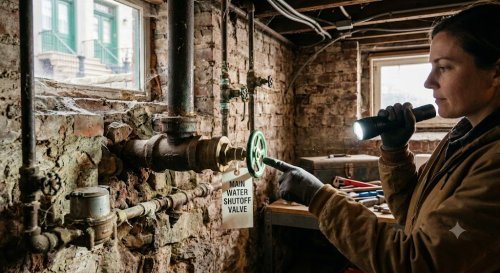
Closed or Partially Closed Main Shut-Off Valve: A bumped valve near your water meter or indoor main entry point can instantly choke water volume.
-
Failing Pressure Reducing Valve (PRV): A malfunctioning PRV can trap or restrict water flow, drastically cutting pressure throughout the entire property.
-
Main Water Line Break: A hidden break or leak in the underground supply line running from the street meter to your home diverts water before it reaches your taps.
-
Municipal Water Supply Work: DC Water routinely performs infrastructure upgrades, valve adjustments, or emergency repairs that temporarily drop neighborhood-wide pressure.
-
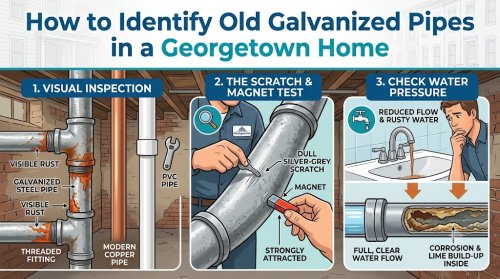
Severe Mineral Scaling: Historic properties across the District often feature older pipes choked by heavy sediment and calcium buildup.
-
Internal Pipe Obstructions: Loose debris, rust flakes, or broken fixture components trapped inside supply lines or aerator screens.
Signs You Should Never Ignore
Recognizing early warning signs helps you address pressure issues before they cause secondary plumbing damage:
-
Sputtering Faucets: Gurgling or spitting water when opening a tap indicates trapped air or partial line obstructions.
-
Drastic Pressure Fluctuations: Water pressure that surges unpredictably or drops sharply whenever multiple appliances run at once.
-
Unexplained High Water Bills: A hidden underground leak or running toilet draining system pressure and inflating monthly utility costs.
-
Discolored or Rusty Water: Brown or yellow water signaling interior pipe corrosion and structural breakdown.
-
Vibrating or Whistling Pipes: Strange noises echoing through your walls when turning on water valves, indicating water hammer or restricted flow.
Common Plumbing Problems Related to This Issue
Sudden low water pressure rarely occurs in a total vacuum; it often interacts with or triggers other significant plumbing concerns:
-
Appliance Malfunctions: Dishwashers and washing machines failing to fill correctly, causing cycle errors and motor strain.
-
Water Heater Starvation: Inadequate water flow entering traditional tanks or tankless units, reducing heating efficiency and causing element burnouts.
-
Fixture Damage: Sediment and scale clogging internal cartridge valves, ruining expensive custom faucets and shower assemblies.
-
Hidden Pipe Leaks: High pressure surges or corrosive thinning that eventually leads to pinhole leaks behind walls or under slabs.
Step-by-Step Professional Repair Process
When you contact Plumber in Washington DC, our licensed professionals follow a systematic, transparent process to diagnose and restore your water pressure:
-
Step 1: Inspection: We examine all accessible indoor and outdoor plumbing fixtures, supply valves, and your primary water meter connection.
-
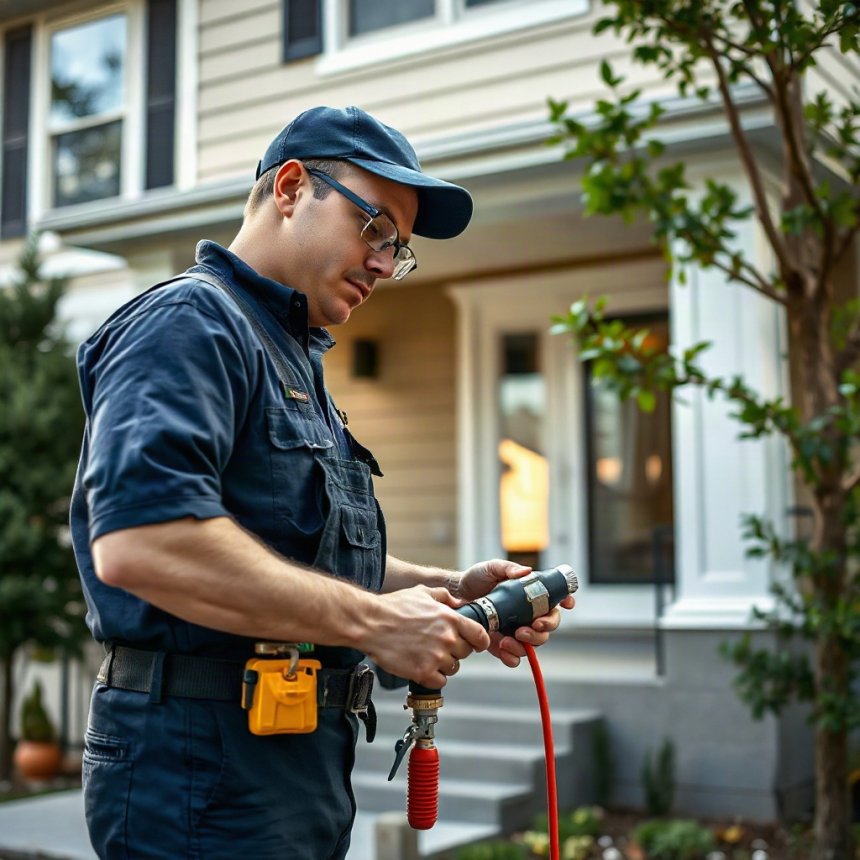
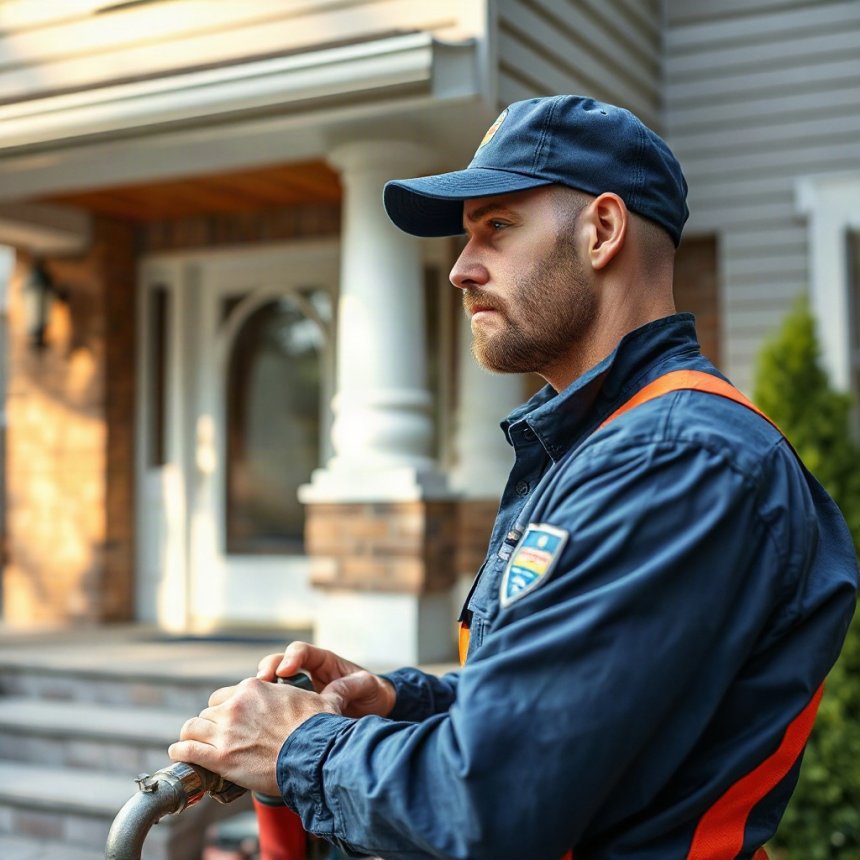
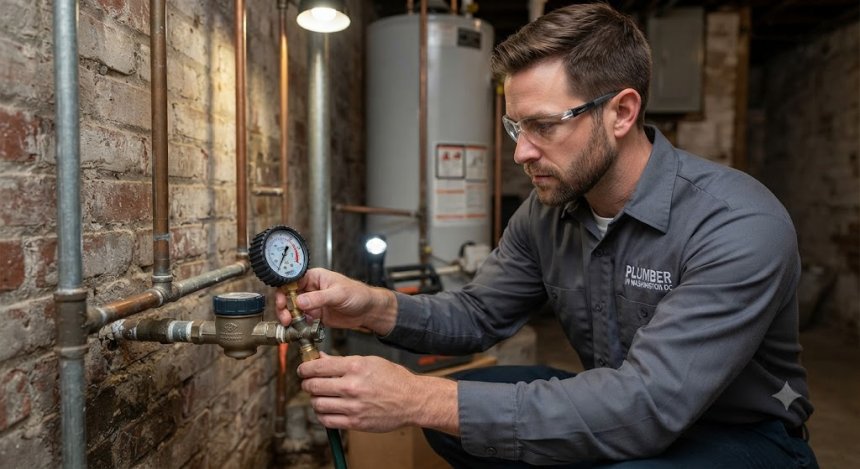
Step 2: Diagnosis: We attach precision pressure gauges to hose bibs and indoor taps to measure exact PSI levels and determine if the issue is internal or municipal.
-
Step 3: Estimate: We provide a clear, upfront cost estimate outlining the necessary repairs, whether it involves cleaning aerators, replacing a PRV, or fixing a supply line break.
-
Step 4: Repair: We execute targeted solutions, such as installing a new pressure regulator, flushing mineral-choked lines, or replacing faulty valves.
-
Step 5: Testing: We run rigorous pressure tests across multiple household fixtures to verify consistent, optimal water flow.
-
Step 6: Cleanup: We leave your home spotless, removing old parts, debris, and tools from your workspace.
-
Step 7: Maintenance Advice: We share practical tips on protecting your plumbing system against hard water scaling and pressure fluctuations.
Can You Fix It Yourself?
Property owners frequently ask what they can safely check before calling a professional.
-
Safe DIY Solutions: You can unscrew and clean mineral-clogged faucet aerators and showerheads by soaking them in white vinegar. You can also verify that your main indoor water shut-off valve is turned completely counterclockwise to the open position and check if neighbors are experiencing similar drops due to municipal work.
-
When DIY Becomes Dangerous: Attempting to adjust or replace high-pressure PRVs without proper training can rupture water lines or cause severe indoor flooding. Furthermore, trying to clear internal pipe corrosion with chemical products is ineffective and hazardous.
-
When Professional Plumbing Is Necessary: If adjusting valves or cleaning aerators does not resolve the issue, or if you suspect a failing PRV or main line break, professional intervention is required immediately.
Tools Professionals Use
Licensed plumbers utilize specialized diagnostic and repair gear to evaluate water pressure accurately:
-
Water Pressure Test Gauges: Precision tools screwed onto outdoor spigots to read exact home PSI levels.
-
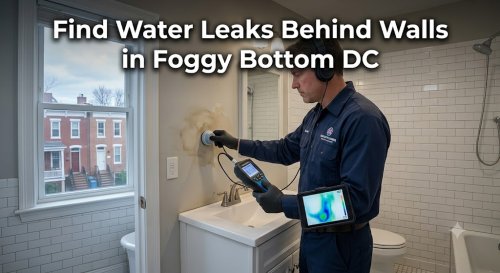
Acoustic Leak Detectors: Sound-amplifying instruments used to locate hidden pressurized pipe leaks behind walls or underground.
-
Thermal Imaging Cameras: Devices that track hot water lines to find hidden blockages or damp areas under flooring.
-
Pipe Inspection Cameras: Miniature fiber-optic lenses that check the interior condition of supply and drain lines.
How Long Does the Repair Usually Take?
Repair timelines depend entirely on the root cause of the pressure drop:
-
Cleaning Faucet Aerators or Adjusting Valves: 30 minutes to 1 hour.
-
Replacing a Pressure Reducing Valve (PRV): 1 to 2 hours.
-
Clearing Localized Mineral Scale or Minor Pipe Obstructions: 2 to 4 hours.
-
Major Main Supply Line Repairs or Repiping: 1 to 3 days depending on accessibility and property layout.
Cost Factors
Plumbing repair costs vary depending on the severity of the problem, accessibility, materials required, emergency service, property type, and local labor rates. Key price variables include:
-
Diagnostic Fees: Professional pressure testing and system evaluation.
-
Parts and Materials: Replacing specialized valves, PRVs, or corroded sections of pipe.
-
Accessibility: Wall cuts, crawlspace entries, or tight historic utility closets that require extra labor to access.
-
Emergency Dispatch: After-hours calls for sudden total water pressure loss.
Hidden Truths Homeowners Should Know
Expert Insight: A sudden drop in water pressure is your home's urgent warning system. Ignoring it usually turns a minor valve adjustment into a major pipe replacement project.
-
Sudden pressure losses often hide aggressive line restrictions or failing municipal connections.
-
Temporary quick fixes like removing aerators permanently expose fixtures to loose debris.
-
Homeowner insurance typically excludes damage resulting from long-term, unaddressed plumbing degradation.
-
Older infrastructure throughout the District shortens the lifespan of household appliances and plumbing valves.
-
Annual plumbing maintenance saves money by catching restricted valves and failing regulators early.
15 Common Mistakes Homeowners Make
-
Ignoring sudden pressure drops: Assuming weak flows will fix themselves overnight.
-
Using harsh chemical descalers: Poring aggressive acids into fixtures, which ruins metal finishes and seals.
-
Forgetting to check individual aerators: Buying new faucets when only a screen is clogged with calcium.
-
Failing to check main shut-off valves: Overlooking a partially bumped or closed valve in the basement or utility room.
-
Over-tightening plumbing fittings: Cracking fragile plastic or brass connections during DIY attempts.
-
Hiring unlicensed handymen: Risking improper PRV installation and code violations.
-
Skipping regular pressure tests: Failing to notice when municipal pressure spikes above safe residential levels.
-
Waiting until a total water outage occurs: Paying emergency rates for preventable failures.
-
Using incompatible pipe materials: Mismatched metals that accelerate galvanic corrosion.
-
Neglecting water conditioning systems: Allowing hard minerals to choke the entire home plumbing grid.
-
Ignoring outdoor spigot pressure: Failing to test exterior lines for leaks or backflow issues.
-
Forgetting to locate the main water meter: Losing valuable time during an active pressure emergency.
-
Disregarding vibrating pipe noises: Ignoring water hammer effects that loosen pipe joints.
-
Overlooking thermal expansion: Operating closed systems without an expansion tank, stressing water heaters.
-
Failing to ask for warranties: Not verifying workmanship guarantees on major plumbing replacements.
Maintenance Tips
Protect your water pressure across Washington, DC, Capitol Hill, Georgetown, Adams Morgan, and surrounding neighborhoods with these practical maintenance tips:
-
Clean faucet aerators and showerheads every six months to prevent mineral scale buildup.
-
Test your home water pressure annually using an inexpensive screw-on gauge from a hardware store.
-
Inspect your pressure reducing valve (PRV) every few years for signs of wear or leakage.
-
Flush your water heater annually to prevent sediment from blocking hot water distribution lines.
-
Consider installing a whole-home water softening system to combat hard water minerals.
-
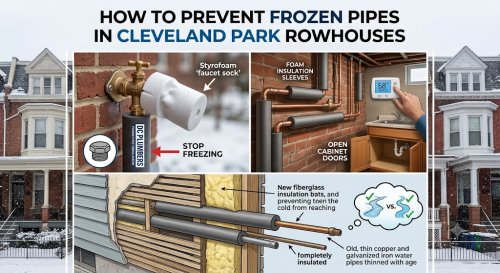
Insulate exposed pipes in unheated crawlspaces and basements during freezing winter weather.
-
Know the exact location of your main water supply shut-off valve and test it periodically.
-
Monitor your monthly water bills for unexplained changes or baseline increases.
-
Avoid planting invasive trees near underground main water supply lines.
-
Schedule a professional plumbing inspection every two years to catch hidden restrictions.
-
Check outdoor hose bibs for winter freeze damage before spring arrives.
-
Replace aging rubber washing machine supply hoses with braided stainless steel lines.
-
Keep your main water meter box clear of dirt, mulch, and landscaping overgrowth.
-
Address minor fixture drips immediately before they worsen into systemic issues.
-
Consult licensed professionals before remodeling or adding high-demand bathroom fixtures.
When Should You Call an Emergency Plumber?
Certain pressure-related situations require immediate professional assistance:
-
Complete, sudden loss of water pressure across your entire property.
-
Whistling or banging pipes accompanied by active water spraying behind walls.
-
Severe pressure surges that cause toilets or water heaters to overflow and leak.
-
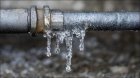
Main supply line breaks or frozen pipe bursts during severe winter freezes.
Frequently Asked Questions
Why is my water pressure suddenly low?
Sudden low pressure is typically caused by a closed main shut-off valve, a ruptured main line break, a failing pressure regulator, or municipal repair work in your area.
How much does leak detection cost?
Leak detection costs vary based on the complexity and location of the leak. Advanced acoustic and thermal equipment allows specialists to pinpoint hidden issues efficiently.
Can a clogged drain damage pipes?
Yes. Severe clogs create immense hydrostatic pressure within plumbing lines, which can force joints apart or crack older pipes.
Is hydro jetting safe for old pipes?
Hydro jetting is highly effective, but an experienced plumber must first inspect your pipes with a camera to ensure the material is structurally sound enough to handle high-pressure water.
How do I know if my sewer line is broken?
Common signs include multiple backed-up drains, foul sulfur odors in your yard, soggy patches of grass during dry weather, and gurgling toilets.
How long do water heaters last?
Traditional tank water heaters typically last between 8 to 12 years, while tankless systems can last upwards of 20 years with proper annual maintenance.
Why does my faucet drip?
A dripping faucet is usually caused by a worn-out rubber washer, O-ring, or corroded valve seat inside the fixture mechanism.
What causes pipes to burst?
Pipes most commonly burst due to water freezing and expanding inside uninsulated lines during severe winter freezes, or from severe root intrusion and aging corrosion.
Can plumbing leaks increase my water bill?
Absolutely. Even a small, silent leak from a toilet flapper or underground pipe fitting can waste thousands of gallons of water every month.
When should I replace plumbing instead of repairing it?
If your plumbing system experiences frequent leaks, consists of outdated pipe materials, or is over 25 years old, a whole-house repipe or sewer replacement is more cost-effective than continuous patch repairs.