Fix Low Shower Water Pressure in Tenleytown | DC Plumbers
Weak shower pressure in Tenleytown? Discover top causes, easy home fixes, professional solutions, and local plumbing tips for Washington DC homes.
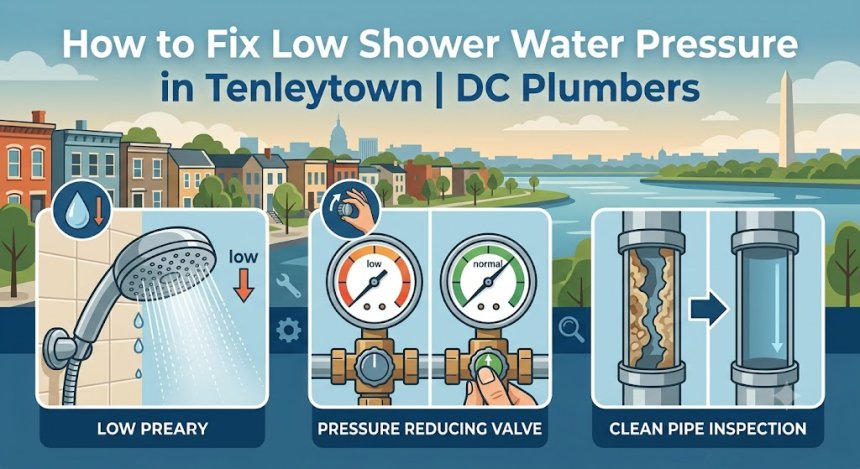
What Is Low Shower Water Pressure?
There is nothing quite as frustrating as stepping into the shower expecting a refreshing, high-pressure spray, only to get a weak, trickling stream. Low shower water pressure occurs when the volumetric flow rate or force of water reaching your shower head drops significantly below standard operating levels. Standard residential plumbing in Washington, DC typically operates between 40 and 60 pounds per square inch (PSI). When pressure drops below 30 PSI, washing hair or rinsing off soap becomes a daily annoyance.
In established Northwest DC neighborhoods like Tenleytown, water pressure issues are particularly frequent. Because many properties in Tenleytown range from classic 1920s Sears bungalows and brick colonials to modern renovated condominiums, low shower pressure can stem from a variety of sources. It might be a simple fixture issue—such as mineral buildup inside a shower head—or a system-wide structural challenge like corroded galvanized piping or a failing Pressure Reducing Valve (PRV).
Common Symptoms of Low Water Pressure in the Shower
-
Weak, dribbling spray: The shower head lacks the force to spray evenly across nozzles.
-
Temperature fluctuations during pressure drops: Turning on a kitchen faucet or running the washing machine causes the shower spray to suddenly drop or turn scorching hot/freezing cold.
-
Isolated vs. Whole-House Pressure Loss: Low pressure occurring only in the master bathroom shower, while downstairs faucets run at full force.
-
Sputtering fixture delivery: Air pockets or intermittent spurts coming out when you turn the shower handle.
Why Does This Plumbing Problem Happen in Tenleytown?
Tenleytown sits atop one of the highest geographical points in Washington, DC. While municipal water mains operated by DC Water maintain continuous distribution pressure throughout the district, the age and composition of residential plumbing networks in Northwest DC introduce unique challenges.
[ Municipal Water Main (DC Water) ]
               │
               ▼
[ Main Service Line & Water Meter ]
               │
               ▼
   ┌──────────────────────┐
   │ Pressure Regulator   │ ◄── [Potential Failure Point: Stuck or Damaged PRV]
   └──────────────────────┘
               │
               ▼
  ┌────────────────────────┐
  │ Internal Supply Pipes  │ ◄── [Potential Issues: Corrosion, Galvanized Rust, Leaks]
  └────────────────────────┘
               │
               ▼
  ┌────────────────────────┐
  │ Shower Mixing Valve    │ ◄── [Potential Blockage: Mineral Scale, Clogged Cartridge]
  └────────────────────────┘
               │
               ▼
   [ Shower Head / Aerator ] ◄── [Potential Blockage: Hard Water Limescale]
1. Hard Water & Mineral Scale Deposits
While Washington, DC’s water is treated to meet strict safety standards, it carries dissolved minerals like calcium and magnesium. Over time, these minerals precipitate out of standing hot water inside pipes and shower heads, creating hard white limescale deposits. This scale restricts the internal diameter of shower head nozzles and mixing valve cartridges.
2. Aging Galvanized Iron Pipes
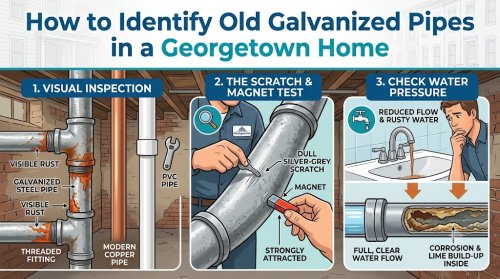
Many homes built in Tenleytown prior to the 1960s were originally plumbed with galvanized iron pipes. As galvanized steel ages, its interior zinc coating wears away, leading to internal rust accumulation (tuberculation). This rusting restricts water flow from the inside out, turning a 3/4-inch pipe into the equivalent of a narrow drinking straw.
3. Faulty or Misadjusted Pressure Reducing Valve (PRV)
Properties in higher-elevation areas or near major city supply lines often have a Pressure Reducing Valve installed near the main water shut-off valve. A PRV regulates high incoming city water pressure down to a safe household level (usually 50 PSI). When a PRV bell housing wears out or its internal spring corrodes, it can fail in a closed position, causing a sudden loss of pressure across all fixtures.
4. Clogged Shower Mixing Valves & Cartridges
Modern shower systems use single-handle pressure-balancing or thermostatic mixing valve cartridges located inside the bathroom wall. These cartridges contain narrow internal ports and rubber seals designed to equalize hot and cold water pressure. Grit, pipe scale, or degraded rubber washers can easily clog these ports, choking off water flow before it ever reaches the shower head.
5. Hidden Water Pipe Leaks
A sudden drop in shower water pressure can signal a pipe break or pinhole leak inside drywall, under basement floor slabs, or along your main underground water service line running through your front lawn.
Signs You Should Never Ignore
Ignoring subtle drops in water pressure can transform a simple repair into a major home restoration project. Watch for these warning signs:
| Warning Sign | What It Usually Means | Why It Demands Immediate Attention |
| Sudden, Drastic Pressure Drop | A burst supply line, major main leak, or completely failed PRV valve. | Can cause rapid interior flooding, ceiling collapse, or structural wood rot. |
| Flakes of Rust or White Debris in Spray | Internal pipe corrosion or disintegrating water heater dip tubes. | Restricts fixtures rapidly and signals imminent pipe failure or hot water tank breakdown. |
| Damp Walls or Ceiling Stains Below Bathrooms | Active pinhole leaks inside mixing valves or vertical riser pipes. | Encourages hidden toxic mold growth behind drywall and compromises structural framing. |
| Damp Spots or Unusually Green Lawn Patches | A leaking underground main water supply line between the street meter and house. | Leads to high water bills, soil erosion under walkways, and potential foundation settling. |
| Pressure Loss Only When Hot Water Runs | Mineral scale build-up inside the water heater tank or corroded hot water outlet nipples. | Reduces water heater efficiency and risks tank sediment overheating and rupturing. |
Common Plumbing Problems Related to Low Water Pressure
Low shower pressure is rarely an isolated symptom; it is often connected to broader issues within your home’s plumbing infrastructure:
-
Water Heater Sediment Accumulation: Heating hard water causes minerals to settle at the bottom of tank-style water heaters, slowing hot water delivery to upstairs showers.
-
Main Water Service Line Leaks: Cracks in aging underground supply pipes bleed off water volume before it reaches your home's main shut-off valve.
-
Corroded Shut-Off Valves: Old gate valves located under sinks or near the main meter can break internally, remaining partially closed even when turned completely open.
-
Deteriorating Galvanized Supply Lines: Interconnected galvanized pipes cause cumulative pressure loss, making it impossible to run two fixtures simultaneously.
Step-by-Step Professional Repair Process
When basic home troubleshooting doesn't restore your shower's flow, a licensed plumber takes a systematic approach to identify and resolve the issue:
[ Step 1: Pressure Gauge Testing ] ──► [ Step 2: System Inspection ] ──► [ Step 3: Upfront Estimate ]
                                                                                   │
[ Step 6: Testing & Flushing ] ◄── [ Step 4 & 5: Repair / Replacement ] ◄──────────┘
Step 1: Comprehensive Pressure & Flow Testing
The plumber attaches calibrated pressure gauges to multiple points across your system—including outdoor hose bibbs, laundry connections, and shower arms—to measure static pressure (PSI) and dynamic flow volume (gallons per minute). This determines whether the pressure loss is isolated to one bathroom or affects the entire property.
Step 2: Diagnostic Source Tracing
Technicians inspect the main water meter, evaluate the Pressure Reducing Valve, test mixing valve cartridges, and check for hidden pipe friction or leaks using acoustic leak detection tools.
Step 3: Transparent Scope of Work & Estimate
Before making any physical alterations, the plumber provides an explicit cost breakdown and repair plan outlining fixture repairs, valve replacements, or pipe upgrades.
Step 4: Targeted Repair or Replacement
Depending on the root cause:
-
Cleaning/Replacing Cartridges: Disassembling the shower trim, extracting the clogged mixing cartridge, flushing the valve body, and installing a new factory cartridge.
-
PRV Calibration or Replacement: Replacing an aged or seized pressure regulator with a new lead-free brass valve tuned precisely to 55–60 PSI.
-
Fixture Upgrades: Removing flow-restricted or scaled shower fixtures and installing modern high-efficiency shower heads.
-
Pipe Section Replacement: Repiping corroded galvanized riser sections with durable copper or PEX tubing.
Step 5: System Flushing and Leak Testing
Once repairs are complete, the supply line is thoroughly flushed to remove loose rust and sediment. Pressure gauges are re-attached to confirm optimal water delivery and verify zero leaks under load.
Step 6: Final Clean-Up and Client Walkthrough
The work area is sanitized, all fixtures are wiped clean, and the technician reviews the results with the homeowner.
Can You Fix It Yourself?
Many low shower pressure issues can be diagnosed—and sometimes completely resolved—with simple home maintenance steps before calling a professional.
Safe DIY Solutions Homeowners Can Try:
-
Clean the Shower Head (Vinegar Soak): Unbolt your shower head or fill a plastic bag with distilled white vinegar, submerge the shower head nozzles, tie it in place with a rubber band, and let it soak overnight. Scrub the nozzles with an old toothbrush to dissolve calcium buildup.
-
Check the Flow Restrictor: Modern shower heads feature removable plastic flow restrictor disks required by energy codes. If sediment or construction grit is caught in this screen, removing and rinsing it can immediately restore normal spray volume.
-
Verify the Main Water Shut-Off Valve: Ensure your home's main water shut-off valve (near the water meter or basement wall) and any local bathroom shut-off valves are turned completely counter-clockwise to the fully open position.
+--------------------------------------------------------------------------+
|                     WHEN TO DIY vs. WHEN TO CALL A PLUMBER               |
+----------------------------------+---------------------------------------+
| SAFE DIY TASKS                   | CALL A LICENSED PLUMBER               |
+----------------------------------+---------------------------------------+
| • Soaking shower head in vinegar | • Replacing PRV valves or main meters |
| • Rinsing flow restrictor screen | • Repairing leaking shower valves     |
| • Opening fully closed shut-offs | • Replacing corroded galvanized pipes |
| • Checking water heater settings | • Fixing pinhole leaks inside walls   |
+----------------------------------+---------------------------------------+
When DIY Attempts Become Dangerous
-
Replacing Wall-Mounted Valve Cartridges Without Shutting Off Water: Attempting to pull a shower cartridge while supply lines are pressurized can blow the valve assembly out, causing rapid room flooding.
-
Adjusting PRV Valves Blindly: Over-tightening a pressure regulator bolt can spike home water pressure above 80 PSI, bursting washing machine hoses, water heater tanks, and delicate appliance valves.
-
Using Harsh Acids or Chemical Cleaners Inside Fixtures: Pouring industrial drain cleaners or strong acids into shower valves can ruin chrome finishes, destroy internal rubber seals, and cause skin burns.
Tools Professionals Use
Resolving complex water pressure issues requires diagnostic and installation tools engineered for pinpoint accuracy:
-
Digital & Analog Water Pressure Gauges: Direct-connect diagnostic meters that capture exact static and working water pressure levels.
-
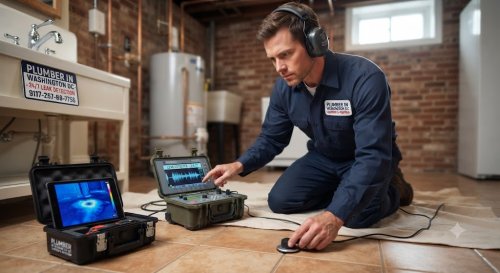
Acoustic & Ultrasonic Leak Detectors: High-sensitivity ground microphones that listen for the ultrasonic hiss of pressurized water escaping underground or behind drywall.
-
Flow Rate Measuring Bags/Buckets: Calibrated containers used to measure true Gallons Per Minute (GPM) flow at specific outlets.
-
Cartridge Puller Tools: Specialized mechanical extractors designed to safely remove stubborn, mineral-frozen valve cartridges without damaging internal brass valve bodies.
-
Thermal Imaging Cameras: Infrared cameras that identify temperature differentials caused by hot water line leaks inside walls or subfloors.
How Long Does the Repair Usually Take?
Repair timelines vary depending on whether the issue is localized to a fixture or rooted in your home's main plumbing framework:
-
Descaling or Replacing a Shower Head (30–60 Minutes): Simple fixture cleaning, aerator flushing, or head replacement.
-
Replacing a Shower Cartridge (1–2 Hours): Dismantling shower trim, removing an old cartridge, flushing the internal brass valve, and installing new seals.
-
Replacing a Main Pressure Reducing Valve (2–3 Hours): Shutting off main municipal water, cutting out the old PRV, soldering or press-fitting a new regulator, and calibrating pressure.
-
Partial Repiping / Galvanized Pipe Replacement (1–3 Days): Replacing legacy galvanized riser pipes in bathrooms with copper or PEX tubing across multiple floors.
Cost Factors
Water pressure repair costs depend on several specific factors rather than flat, one-size-fits-all rates.
Key variables that influence overall repair expenses include:
-
Diagnostic Time & Equipment: Complex leak detection using ultrasonic equipment requires specialized technician setup compared to a simple visual inspection.
-
Parts & Components Required: Simple replacement O-rings and cartridges cost less than commercial-grade brass PRV valves or complete thermostatic shower valves.
-
Accessibility of Piping: Fixtures accessed through standard drywall cutouts or accessible basement ceilings involve less labor than pipes encased behind custom tile, marble, or plaster walls.
-
Extent of Replacement: Cleaning a single cartridge vs. repiping a multi-story home's supply lines.
-
Permitting Requirements: Major pipe replacements or main service line alterations in Washington, DC may require municipal plumbing permits and local utility sign-offs.
Note: Plumbing repair costs vary depending on the severity of the problem, accessibility, materials required, emergency service, property type, and local labor rates.
Hidden Truths Homeowners Should Know
Understanding the realities of residential plumbing helps protect your home investment and prevents avoidable damage:
-
Small leaks become expensive repairs: A minor drip behind a shower valve can quietly rot floor joists and breed toxic mold over months before showing on drywall.
-
Cheap temporary fixes often fail: Plastic clip-on pressure boosters or cheap aftermarket shower heads don't solve underlying pipe corrosion or failing valves.
-
Insurance may not cover neglected plumbing: Standard homeowners policies frequently deny claims for water damage resulting from long-term, unaddressed pipe corrosion or gradual leaks.
-
Hard water shortens fixture lifespan: Unfiltered hard water minerals continuously wear down internal rubber O-rings, ceramic discs, and valve cartridges.
-
DIY mistakes increase repair costs: Stripping brass valve threads or snapping old copper pipes during a DIY repair drastically increases final repair bills.
-
Delaying repairs causes structural damage: Constant moisture behind tiled shower walls degrades backer board, loosening tile surrounds and rotting subflooring.
-
Hidden leaks increase utility bills: A main service line leak or constantly running relief valve wastes thousands of gallons of water, driving up monthly municipal water bills.
-
High water pressure is as dangerous as low water pressure: Running water pressure over 80 PSI damages appliances, ruptures flex hoses, and voids water heater warranties.
-
Annual plumbing inspections save money: Routine preventive tune-ups catch failing PRVs, hidden leaks, and mineral buildup before catastrophic pipe ruptures happen.
15 Common Mistakes Homeowners Make
-
Ignoring Minor Drops in Pressure: Waiting until water barely trickles out before seeking professional help.
-
Cranking Up the PRV Adjustment Screw Too High: Cranking regulator screws beyond 70 PSI to compensate for clogged pipes, which risks bursting appliances.
-
Using Industrial Acid Cleaners on Finished Chrome: Damaging delicate shower finishes and eating away internal rubber seals.
-
Installing High-Flow Shower Heads on Corroded Lines: Expecting a new fixture to fix deep-seated pipe scale issues.
-
Forgetting to Flush Pipes After Water Main Repairs: Allowing loose rust and sediment to flow directly into new shower cartridges after municipal utility work.
-
Forcing Stubborn Valve Handles: Snapping brass cartridge stems inside the wall by using excessive force on mineral-frozen handles.
-
Over-Tightening Threaded Plumbing Joints: Cracking plastic or brass fittings by applying too much wrench leverage during fixture installation.
-
Neglecting Water Heater Anode Rods: Allowing tank corrosion to produce rust flakes that clog shower mixing valves.
-
Hiring Unlicensed Handymen for In-Wall Repairs: Risking unpermitted work that fails local DC building codes and causes hidden water leaks.
-
Skipping Whole-House Water Filtration: Allowing ongoing mineral scale to degrade new plumbing fixtures prematurely.
-
Leaving Outdoor Hoses Connected Over Winter: Causing frost damage and pipe fractures that restrict spring water pressure.
-
Failing to Locate the Main Water Shut-Off Valve: Scrambling to find the shut-off valve when a DIY shower repair goes wrong.
-
Mixing Incompatible Metals (Galvanic Corrosion): Connecting copper directly to steel without dielectric unions, causing rapid joint corrosion.
-
Overlooking Partial Valve Shut-Offs: Operating homes with partially closed gate valves following previous plumbing work.
-
Delaying Professional Repairs Until an Emergency: Turning a manageable, scheduled repair into an expensive, middle-of-the-night plumbing emergency.
Proactive Maintenance Tips
Keep your home’s water pressure balanced and your shower fixtures performing at their best with these maintenance habits:
Daily & Weekly Maintenance
-
Wipe down shower nozzles: Gently rub rubber shower head nozzles after use to prevent calcium crystals from hardening inside spray holes.
-
Monitor water temperature stability: Pay attention to sudden temperature or pressure shifts when other household water outlets are turned on.
Monthly Care
-
Inspect shower trim for moisture: Check around handle escutcheon plates and shower arms for subtle water drips or discolored grout.
-
Exercise shut-off valves: Turn individual fixture shut-off valves off and on once a month to prevent mineral seize-up.
Seasonal & Annual Care
-
Flush your water heater annually: Drain tank-style water heaters once a year to clear mineral sediment before it migrates into shower supply lines.
-
Test home water pressure with a hose gauge: Screw an inexpensive water pressure gauge onto an outdoor spigot or laundry hookup once a year to ensure your PRV holds pressure between 50 and 60 PSI.
-
Inspect exposed basement piping: Check exposed copper or galvanized supply lines in basements and crawl spaces for green corrosion spots (patina) or rust flakes.
-
Schedule an annual professional plumbing tune-up: Have a licensed plumber inspect shut-off valves, PRVs, water heaters, and main lines to catch issues early.
When Should You Call an Emergency Plumber?
While low water pressure is often a manageable maintenance item, certain pressure-related scenarios demand immediate emergency plumbing intervention:
-
Sudden, Complete Loss of Water Pressure Household-Wide: Accompanied by the sound of rushing water, pointing to a major pipe burst inside walls or under floor slabs.
-
Active Water Leaking Through Ceilings or Walls: Uncontrolled leaks coming from shower valves or vertical riser pipes above living quarters.
-
Sewer Odors Combined with Drop in Water Volume: Indicating potential structural ground movement impacting both water supply and drainage lines.
-
Ruptured Main Service Line in Lawn: Water bubbling up through grass, driveways, or near foundation walls between the street meter and your home.
People Also Ask (PAA)
Why is my shower water pressure low all of a sudden?
A sudden drop in shower pressure is typically caused by a clogged shower cartridge, a abruptly failing Pressure Reducing Valve (PRV), a partially closed main shut-off valve, or a sudden supply line break inside your home or underground service line.
Can a dirty shower head cause low water pressure?
Yes. Dissolved minerals in hard water create calcium and limescale deposits inside shower head spray nozzles. Over time, this restricts water flow significantly, mimicking the symptoms of a larger pipe problem.
How do I know if my Pressure Reducing Valve (PRV) is bad?
Common signs of a failing PRV include fluctuating water pressure throughout the entire house, sudden drops in shower force when running another faucet, noisy "water hammer" bangs in pipes, or water pressure testing above 80 PSI or below 30 PSI.
Will replacing old pipes improve my shower water pressure?
If your home has old galvanized iron pipes choked internally by rust and scale, replacing them with modern copper or PEX piping will dramatically increase water volume and pressure to all bathroom fixtures.
Voice Search Questions
-
"Why is my shower pressure low but kitchen pressure normal?"
If low pressure is limited to your shower while kitchen faucets run normally, the issue is almost certainly a clogged shower head aerator screen or a blocked shower mixing valve cartridge inside the wall.
-
"Who fixes low water pressure in Tenleytown DC?"
Licensed professional plumbers serving Washington, DC specialize in diagnosing water pressure drops, replacing faulty PRVs, and repairing corroded supply lines.
-
"How can I boost water pressure in my top floor shower?"
You can boost top-floor pressure by descaling shower heads, clearing valve cartridges, replacing aging galvanized risers, or installing a whole-house water pressure booster pump system.
-
"How much does it cost to replace a shower valve cartridge near me?"
Costs depend on the valve brand, access requirements, and local labor rates. Contact a local licensed plumbing company for a diagnostic check and estimate.
Frequently Asked Questions (FAQs)
1. What is the ideal water pressure for a residential shower?
Standard home water pressure should ideally sit between 50 and 60 PSI (pounds per square inch). Pressure below 40 PSI feels weak, while pressure exceeding 80 PSI can stress pipes, damage valve seals, and void fixture warranties.
2. Is low shower water pressure caused by the city or my home's plumbing?
While municipal supply mains can occasionally experience temporary pressure drops due to utility maintenance or fire hydrant use, isolated shower pressure drops are almost always caused by private plumbing issues—such as clogged cartridges, failing PRVs, or corroded pipes inside the property.
3. How does a shower mixing valve cartridge affect water pressure?
The mixing cartridge balances incoming hot and cold water streams inside the valve body. If mineral scale or pipe debris clogs its internal ports, the cartridge restricts water volume before it ever reaches the shower neck.
4. Can a leaking water heater lower my shower pressure?
Yes. An active leak in your water heater tank or corroded hot water outlet nipples reduces overall pressure along the hot water supply line, causing noticeably lower pressure during warm or hot showers.
5. What is the difference between water pressure and water flow rate?
Water pressure (measured in PSI) is the static force pushing water through pipes. Flow rate (measured in GPM or Gallons Per Minute) is the actual volume of water delivered over time. Corroded pipes can maintain high static pressure but severely restricted flow volume when a fixture is opened.
6. Can I install a high-pressure shower head to fix bad water pressure?
A high-pressure shower head can optimize spray patterns and make a weak stream feel slightly firmer. However, it cannot overcome deep-seated plumbing problems like corroded galvanized lines, choked valve cartridges, or a failed PRV valve.
7. How long do shower valve cartridges typically last?
Most shower mixing valve cartridges last between 8 and 15 years, depending on water hardness, household usage frequency, and local water quality.
8. Why does my shower pressure drop when someone flushes a toilet?
This occurs in older plumbing systems with narrow branch lines or unbalanced pressure valves. Flushing a toilet diverts cold water volume, causing a sudden drop in pressure and a spike in hot shower water temperature. Installing modern pressure-balancing shower valves resolves this issue.
9. Will a whole-house water softener help prevent low shower pressure?
Yes. Whole-house filtration or softening systems reduce dissolved hard water minerals, preventing calcium scale from clogging shower head nozzles, valve cartridges, and pipe walls over time.
10. When should I replace my main Pressure Reducing Valve (PRV)?
PRVs typically have an operational lifespan of 10 to 15 years. You should replace your PRV if water pressure fluctuates wildly, drops below safe levels, or creates loud vibrating sounds inside walls when faucets open.
Why Choose Plumber in Washington DC?
When low shower water pressure disrupts your daily routine in Tenleytown, you need a dependable, locally experienced plumbing team that delivers permanent solutions rather than quick fixes.
-
Experienced Licensed Plumbers: Our technicians understand the architectural diversity, historic piping materials, and elevation-related water pressure variations common throughout Tenleytown and Northwest DC.
-
Honest, Thorough Diagnostics: We don't guess—we perform accurate pressure tests and visual inspections to pinpoint the exact root cause of your pressure loss.
-
Upfront Estimates: We provide clear, itemized cost estimates before any work begins, so you always know what to expect.
-
Fast Response & Emergency Availability: Whether you need a scheduled valve replacement or an urgent response for a major pipe leak, our crew is ready to assist.
-
Quality Workmanship & Modern Equipment: From electronic leak detectors and cartridge extractors to high-grade lead-free PRVs and copper/PEX repiping systems, we build long-lasting reliability into every repair.
-
Dedicated Local Service: We are proud to serve homeowners and businesses across Washington, DC, nearby communities in Montgomery County, and surrounding Metro neighborhoods.