How to Find a Hidden Water Leak in DC
Suspect a hidden water leak in your Washington, DC home? Learn warning signs, detection tools, DIY checks, and professional repair solutions.
How to Find a Hidden Water Leak in a Washington, DC Home
Hidden water leaks are among the most stressful and destructive plumbing issues property owners can face. Unlike a burst supply pipe or an overflowing toilet that announces itself right away, a hidden leak silently drips behind lath-and-plaster walls, beneath hardwood floors, or deep under a foundation.
Homeowners and business owners across Washington, DC, Georgetown, Capitol Hill, Dupont Circle, and surrounding areas frequently search for ways to track down these elusive water losses. Understanding how to find a hidden water leak is vital because unchecked moisture intrusion causes structural rot, ruins flooring, invites toxic mold, and spikes municipal utility bills. Recognizing the early warning signs and knowing when to call a professional can save you thousands of dollars in property damage.
What Is a Hidden Water Leak?
A hidden water leak refers to any unintended escape of water from your home’s pressurized supply lines, drain pipes, or fixtures that is concealed from plain view.
Common Situations and Symptoms
-
The Phantom Meter Movement: Your municipal water meter keeps spinning even when every appliance, faucet, and toilet in the house is completely shut off.
-
Warm Spots on Floors: A sudden hot or warm patch on a tile, carpet, or hardwood floor, usually indicating a leaking hot water line running beneath a slab or joist.
-
Unexplained Sound of Running Water: Faint hissing, trickling, or rushing sounds inside walls when the entire home is quiet.
-
Musty Odors: Lingering dampness or mildew smells in closets, hallways, or basements without an obvious source.
Why Does This Plumbing Problem Happen?
Hidden leaks rarely occur overnight. They are usually the result of long-term environmental factors, material fatigue, or historical building practices common to the District:
-
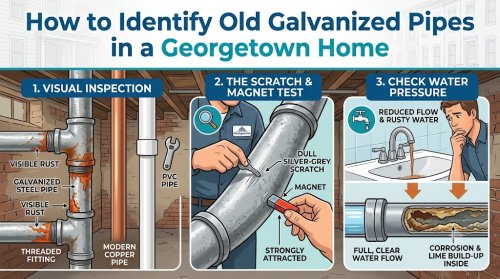
Aging Infrastructure and Materials: Many historic DC properties feature aging cast-iron, galvanized steel, or older copper lines that eventually develop pinhole leaks due to internal oxidation and mineral wear.
-
Corrosion and Hard Water: Mineral-heavy water wears down pipe interiors and appliance valves, creating unexpected structural vulnerabilities.
-
Shifting Mid-Atlantic Soils: Seasonal temperature and moisture shifts place stress on underground foundations and service pipes.
-
High Water Pressure: Municipal water pressures exceeding safe thresholds put continuous strain on every plumbing joint, washer, and connector in your home.
-
Improper Installation: Poorly soldered joints, over-tightened fittings, or incorrect pipe bedding during historical renovations can fail years down the road.
-
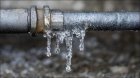
Freezing Winter Weather: Severe winter freezes cause unprotected supply lines in exterior walls or unheated crawlspaces to crack, creating hidden fractures that leak once thawed.
Signs You Should Never Ignore
Spotting a hidden leak early requires attention to subtle changes in your home environment:
-
Unexplained High Water Bills: A sudden, unexplained jump in your municipal utility bill is often the first mathematical proof of a hidden leak.
-
Warped or Buckling Walls and Floors: Wallpaper peeling away from plaster, baseboards swelling, or hardwood floors buckling point directly to trapped moisture.
-
Damp Walls and Discolored Patches: Yellow, brown, or bubbling paint on drywall indicates water traveling downward from an overhead pipe leak.
-
Mold and Mildew Growth: Patches of mold growing in unlikely areas—such as low baseboard corners or middle hallway walls—signal persistent indoor humidity from an interior leak.
-
Low Water Pressure: A localized drop in pressure can mean a supply pipe has ruptured underground or behind a wall, bleeding off pressure before it reaches the fixture.
Common Plumbing Problems Related to This Issue
Unaddressed hidden leaks often lead to secondary structural and plumbing disasters:
-
Slab Leaks: Water leaking beneath a concrete foundation can erode the base soil, causing structural settling and cracked foundations.
-
Water Heater Failures: Continuous water loss forces your water heater to run constantly, leading to premature tank burnout.
-
Pipe Ruptures: A minor pinhole leak left unchecked will eventually widen, bursting the pipe entirely and flooding living areas.
-
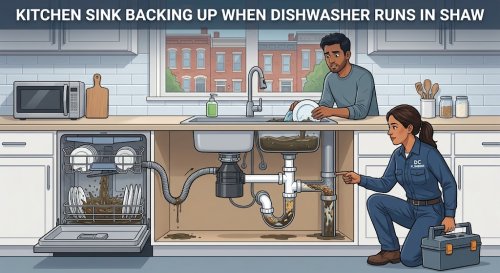
Fixture and Cabinet Damage: Cabinet bases beneath kitchen and bathroom sinks rot completely away due to slow, unobserved joint drips.
Step-by-Step Professional Repair Process
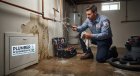
When you enlist Plumber in Washington DC, our licensed professionals follow a systematic, non-invasive process to locate and resolve hidden leaks:
-
Step 1: Comprehensive Inspection: We interview the homeowner about utility bill changes, damp spots, and sound patterns to narrow down the leak zone.
-
Step 2: Advanced Diagnostic Testing: We perform static water pressure tests, isolation tests, and meter watch checks to confirm the presence of a pressurized leak.
-
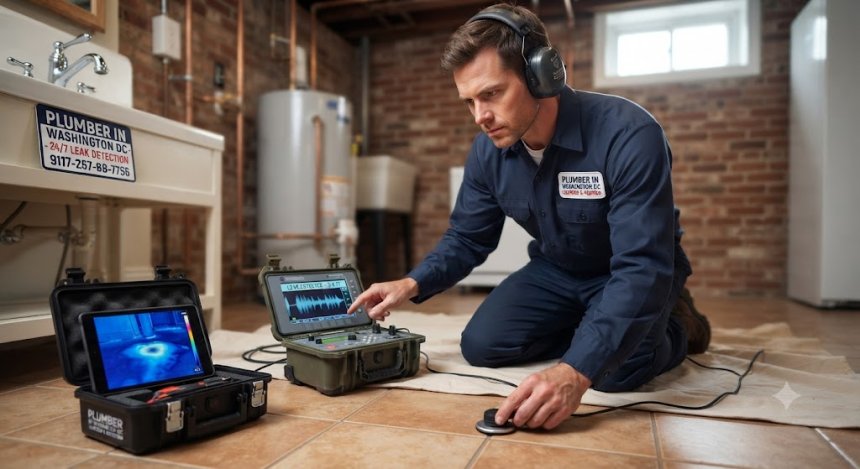
Step 3: Precise Electronic Location: Using acoustic listening devices and thermal imaging cameras, we pinpoint the exact location of the leak behind walls or beneath concrete without tearing up your home unnecessarily.
-
Step 4: Honest Estimate: We present a transparent, upfront cost estimate outlining the most efficient repair or repiping options.
-
Step 5: Expert Repair: Our licensed plumbers expose the damaged pipe section using minimal disruption techniques and replace it with high-durability materials.
-
Step 6: System Testing: We repressurize the system and retest the meter to verify that the leak has been completely eliminated.
-
Step 7: Cleanup and Advice: We clean our work area entirely and offer custom preventative maintenance tips to safeguard your property.
Can You Fix It Yourself?
Homeowners often want to investigate water issues independently before calling a professional.
Safe DIY Solutions & Temporary Fixes
-
The Water Meter Test: Turn off all indoor and outdoor water sources, walk to your municipal water meter, and check the leak indicator dial. If it is moving, you have a confirmed leak.
-
The Food Coloring Test: Place a few drops of food coloring into your toilet tank. If color seeps into the bowl without flushing after 15 minutes, you have a silent flapper leak.
-
Main Water Shut-Off: In an active leak emergency, quickly locating and closing your home's main water supply valve prevents further structural flooding.
When DIY Becomes Dangerous and Professional Help is Necessary
-
Under-Slab Leaks: Attempting to break through a concrete foundation slab without professional acoustic mapping equipment leads to massive, unnecessary property destruction.
-
Behind-the-Wall Supply Lines: Cutting into plaster or drywall blindly risks slicing live electrical wiring or gas lines running adjacent to water pipes. Always leave hidden wall and slab leak repairs to licensed professionals.
Tools Professionals Use
Professional leak detection relies on specialized technology that eliminates guesswork:
-
Acoustic Leak Detectors: High-sensitivity ground microphones amplify the sound of water hissing or escaping through a pipe under pressure.
-
Thermal Imaging Cameras: Infrared cameras detect temperature variations behind walls and beneath floors caused by pooling water.
-
Line Locators and Transmitters: Electronic sondes pushed down pipes trace the exact path and depth of underground lines.
-
Digital Manometers: Pressure gauges measure pressure drops within isolated plumbing zones to verify line integrity.
How Long Does The Repair Usually Take?
Repair timelines depend entirely on the leak's location and severity:
-
Simple Fixture or Valve Leak Repair: 30 minutes to 1 hour.
-
In-Wall Pipe Repair (requiring minor wall access): 2 to 4 hours.
-
Under-Slab Leak Repair or Tunneling: 1 to 3 days depending on excavation requirements.
-
Emergency Isolation and Main Line Repairs: 2 to 5 hours.
Cost Factors
Understanding what drives plumbing repair costs helps you budget effectively. Rather than relying on inaccurate flat rates, consider these core variables:
-
Location of the Leak: An accessible leak under a sink costs significantly less to resolve than an under-slab leak or a pipe buried inside a historic plaster wall.
-
Diagnostic Complexity: Advanced electronic leak detection may involve specialized equipment fees.
-
Materials Required: Upgrading old polybutylene or corroded galvanized pipes to modern PEX or copper impacts parts costs.
-
Emergency Service Timing: After-hours, weekend, or holiday dispatching incurs standard emergency labor differentials.
-
Restoration Costs: Wall patching, flooring replacement, or concrete restoration post-repair.
Note: Plumbing repair costs vary depending on the severity of the problem, accessibility, materials required, emergency service, property type, and local labor rates.
Hidden Truths Homeowners Should Know
-
Small Leaks Become Expensive Repairs: A pinhole leak losing just a few drops a minute wastes hundreds of gallons and rots framing over time.
-
Cheap Temporary Fixes Fail: Duct tape or liquid sealants applied to pressurized pipes always fail catastrophically under pressure.
-
Insurance Gaps: Homeowners insurance policies frequently deny coverage for water damage resulting from long-term, neglected slow leaks.
-
Hard Water Shorter Lifespan: Mineral-heavy water coats pipes with scale, increasing internal friction and vulnerability to pinhole leaks.
-
DIY Mistakes Multiply Costs: Overtightening fittings or using incompatible pipe connectors leads to secondary floods.
-
Utility Bills Tell the Story: Never ignore a rising water bill when your daily usage habits haven't changed.
15 Common Mistakes Homeowners Make
-
Ignoring Minor Damp Spots: Waiting until mold appears before investigating a wet patch on a wall.
-
Relying on Tape Patches: Using waterproof tape on pressurized supply lines instead of proper pipe replacement.
-
Skipping Meter Checks: Failing to check the main water meter when utility bills spike.
-
Hiring Unlicensed Handymen: Using uninsured workers for complex under-slab or behind-the-wall plumbing tasks.
-
Ignoring Water Pressure: Operating home systems above 80 PSI without a pressure-reducing valve (PRV).
-
Failing to Locate Main Shut-Off: Panicking during a leak because no one knows where the water main is.
-
Neglecting Annual Inspections: Skipping routine plumbing checkups.
-
Delaying Professional Help: Waiting until a small drip causes structural ceiling collapse.
-
Using Wrong Pipe Materials: Mixing copper and galvanized pipes, causing galvanic corrosion.
-
Overtightening Connectors: Cracking threaded PVC or brass joints with excessive wrench pressure.
-
Disregarding Running Toilets: Ignoring a toilet that occasionally runs on its own.
-
Forgetting Outdoor Bibs: Leaving garden hoses attached during freezing weather, splitting supply pipes inside the wall.
-
Ignoring P-Trap Drips: Overlooking slow cabinet leaks until wood rots completely.
-
Discarding Old Repair Records: Not keeping track of past plumbing repairs and material upgrades.
-
Guessing Leak Locations: Tearing up walls or flooring without professional acoustic or thermal confirmation.
Maintenance Tips
-
Monitor Your Water Meter: Check your meter reading before and after a two-hour window where no water is used.
-
Install a Pressure Reducing Valve: Keep your home water pressure between 50 and 60 PSI.
-
Inspect Appliances Regularly: Check washing machine supply hoses and water heater connections every six months.
-
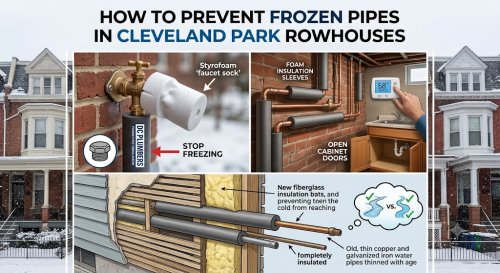
Insulate Exposed Pipes: Protect pipes in crawlspaces and exterior walls before winter temperatures drop in Washington, DC.
-
Test Toilet Flappers: Check for silent leaks using food coloring annually.
-
Clear Vegetation Roots: Keep large trees planted a safe distance away from underground water and sewer lines.
-
Know Your Shut-Off Valve: Tag your main water shut-off valve so all household members can find it instantly.
-
Schedule Annual Plumbing Audits: Partner with a licensed professional for routine home plumbing evaluations.
When Should You Call an Emergency Plumber?
-
Burst Supply Pipes: A ruptured pipe flooding your living space or basement.
-
Sudden Major Water Loss: Total loss of water pressure accompanied by the sound of rushing water beneath floors.
-
Uncontrollable Flooding: Water pouring from ceilings or walls that cannot be stopped by fixture shut-off valves.
-
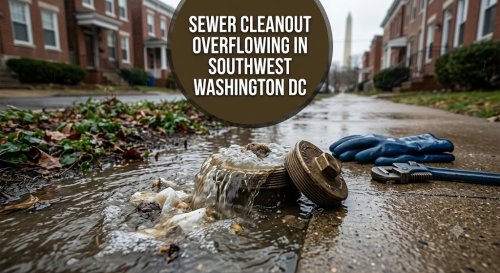
Sewage Intermingling: Backups threatening living areas or creating hazardous environmental conditions.
Frequently Asked Questions
Why is my water pressure suddenly low?
Sudden pressure drops usually point to a partially closed main valve, a clogged fixture aerator, or a hidden supply line leak bleeding off water pressure.
How much does leak detection cost?
Leak detection costs vary based on the inspection technology required (acoustic gear, thermal cameras, or pressure testing) and the accessibility of the leak zone.
Can a clogged drain damage pipes?
Yes. Severe clogs create hydraulic pressure behind the blockage, which can crack older, weakened pipe joints.
Is hydro jetting safe for old pipes?
An experienced plumber checks pipes with a camera first; if the pipe is sound, hydro jetting is safe, but damaged pipes require trenchless repair.
How do I know if my sewer line is broken?
Signs include multiple slow drains, foul odors in the yard, gurgling toilets, and unusually green grass patches over the line.
How long do water heaters last?
Traditional tank-style water heaters last 8 to 12 years, while tankless models last 15 to 20 years with annual flushing.
Why does my faucet drip?
A dripping faucet is typically caused by a worn-out rubber washer, degraded O-ring, or internal cartridge mineral scale.
What causes pipes to burst?
Pipes most commonly burst when freezing winter weather causes trapped water to expand, rupturing the pipe wall.
Can plumbing leaks increase my water bill?
Yes, even a slow hidden leak or running toilet can waste thousands of gallons per month, driving up municipal utility costs.
When should I replace plumbing instead of repairing it?
If your home features aging galvanized or failing polybutylene pipes that leak repeatedly, a whole-home repipe is more cost-effective than continuous spot repairs.