How to Find a Hidden Water Leak in a Washington, DC Home
Learn how to find hidden water leaks in a Washington, DC home, including warning signs, DIY checks, professional detection, repair costs, and prevention tips.
How to Find a Hidden Water Leak in a Washington, DC Home
A hidden water leak can continue wasting water and damaging a home long before there is an obvious puddle on the floor. You may first notice a higher-than-normal water bill, a damp patch on a wall, peeling paint, a musty smell, or the sound of water running when every faucet is turned off.
In Washington, DC, hidden leaks can be particularly concerning in older homes and properties with aging plumbing. However, leaks can occur in newer homes too. Common sources include toilets, faucets, appliance connections, water heaters, supply lines, concealed pipes, and underground water service lines.
DC Water recommends checking common plumbing fixtures and interior pipes for signs of leakage, including running toilets, dripping faucets, cabinet puddles, ceiling drips, unexplained running-water sounds, and signs of water around appliances.
The good news is that homeowners can perform several safe checks before calling a plumber.
What Is a Hidden Water Leak?
A hidden water leak is a plumbing leak that occurs somewhere you cannot easily see.
The pipe or connection may be:
- Behind a wall
- Above a ceiling
- Beneath flooring
- Under a sink cabinet
- Behind an appliance
- Beneath a slab
- Inside a crawl space
- Underground between the property and water meter
Unlike a visible faucet leak, a concealed leak may continue for days, weeks, or longer before the source becomes obvious.
The EPA notes that household leaks can waste significant amounts of water and may also cause property damage.
What Are the Signs of a Hidden Water Leak?
An Unexplained Increase in Your Water Bill
A sudden increase in water usage without a change in household habits is one of the most useful warning signs.
For example, if your family has not changed its showering, laundry, landscaping, or other water use but the bill suddenly rises, investigate before assuming the increase is normal.
DC Water offers High Usage Alerts that can notify customers when usage is significantly higher than normal. The utility cautions that an alert is not a guaranteed leak-detection system, but it can provide an early warning.
Hearing Water When Nothing Is Running
Turn off faucets, washing machines, dishwashers, irrigation, and other water-using equipment.
If you continue hearing water running, hissing, spraying, or flowing through the plumbing, investigate further.
Damp Walls or Ceilings
A wet or discolored area on a wall or ceiling may indicate a leaking pipe behind the surface.
Do not assume the leak is directly behind the stain. Water can travel along framing and plumbing before becoming visible.
Bubbling or Peeling Paint
Paint that bubbles, cracks, or begins peeling can indicate moisture underneath.
Wallpaper that separates from the wall can also be a warning sign.
Musty Odors
A persistent musty smell without an obvious source may indicate hidden moisture.
Mold or Mildew
Unexpected mold growth around ceilings, walls, cabinets, or flooring can be associated with ongoing moisture.
Warm or Damp Flooring
An unusually warm or damp area of flooring can sometimes indicate a concealed hot-water leak, depending on the plumbing configuration.
Low Water Pressure
A sudden change in water pressure can sometimes accompany a water-line problem.
Unexplained Standing Water
Water around a water heater, toilet, appliance, or basement area should be investigated rather than ignored.
How Can You Check for a Hidden Water Leak Yourself?
You can perform several basic checks without opening walls or using specialized equipment.
Check Every Faucet
Look underneath kitchen, bathroom, laundry, and basement sinks.
Check for:
- Drips
- Wet cabinet bottoms
- Corrosion
- Water around supply connections
- Dampness around shutoff valves
A small leak inside a cabinet can go unnoticed because the water may evaporate or soak into the cabinet material.
Check Toilets
Toilets are common sources of water waste.
Listen for a toilet that continues filling when nobody has flushed it.
Look for water around the base and check whether the bowl appears to be continuously refilling.
DC Water specifically recommends checking for continuous filling, rippling water in the bowl, puddling around the base, and unexplained running-water sounds.
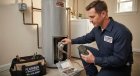
Inspect Your Water Heater
Look around the water heater for:
- Rust
- Moisture
- Corrosion
- Water around connections
- A damaged drain pan
- Water collecting underneath the tank
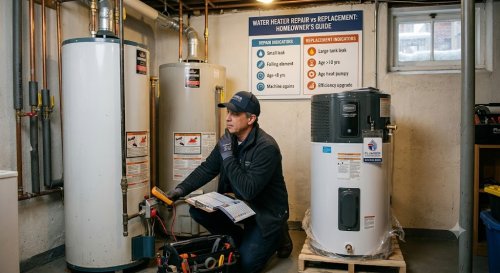
DC Water recommends checking water heaters for rust and notes that most water heaters last approximately eight to 12 years.
Check Washing Machine Connections
Inspect both the supply hoses and drain connections.
Washing machine hoses can deteriorate with age. DC Water recommends replacing washing machine hoses every three to five years as a preventive measure.
Inspect Dishwashers and Refrigerators
Check around:
- Dishwasher supply lines
- Dishwasher drain connections
- Refrigerator water lines
- Ice-maker connections
- Automatic water dispensers
These connections may be hidden behind cabinets or appliances.
Look Around Outdoor Faucets
Inspect exterior hose connections and spigots.
A damaged outdoor connection can waste water without being immediately noticeable, particularly when the leak occurs near the foundation or beneath landscaping.
How Do You Use the Water Meter to Check for a Leak?
One of the most useful homeowner tests is checking whether the water meter indicates flow when no water should be running.
Step 1: Stop All Water Use
Turn off:
- Faucets
- Toilets
- Washing machines
- Dishwashers
- Irrigation systems
- Outdoor hoses
- Ice makers and other water-using equipment
Make sure nobody uses water during the test.
Step 2: Check the Meter
Look at your water meter and note the current reading or flow indicator.
Step 3: Wait
Leave the plumbing unused for a period of time.
Step 4: Check Again
If the meter indicates continued water use despite everything being turned off, you may have a leak.
A moving meter does not necessarily tell you exactly where the leak is. It tells you that water is moving through the system when you believe nothing should be using it.
That distinction is important.
Where Are Hidden Water Leaks Commonly Found?
Behind Walls
Supply pipes and other plumbing can run inside walls.
Warning signs include stains, bubbling paint, soft drywall, and unexplained dampness.
Under Floors
A concealed pipe below flooring can leak without immediately producing visible water.
Beneath Slabs
Some properties have plumbing beneath concrete slabs. A leak may produce unusual warm spots, dampness, sounds, or unexplained water usage.
In Basements and Crawl Spaces
These areas can contain exposed or partially concealed plumbing and are worth checking regularly.
Around Water Heaters
Connections and tanks can deteriorate over time.
Behind Appliances
Dishwashers, washing machines, refrigerators, and other water-using appliances all have connections that can leak.
What Causes Hidden Water Leaks?
Aging Pipes
Older plumbing can deteriorate because of corrosion, repeated pressure changes, mineral buildup, and general wear.
Corroded Connections
Even when a pipe itself remains intact, a fitting or connection can begin leaking.
High Water Pressure
Excessive pressure can place additional stress on pipes and plumbing fixtures.
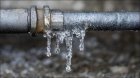
Frozen Pipes
During severe cold weather, water inside a pipe can freeze and expand, potentially damaging the pipe.
Poor Installation
Improperly supported or incorrectly connected plumbing can develop problems over time.
Worn Plumbing Fixtures
Toilet valves, faucet cartridges, supply lines, washing machine hoses, and other components eventually wear out.
Appliance Connections
Water lines serving appliances can loosen, crack, or deteriorate.
Can You Find Every Hidden Leak Yourself?
No.
Basic homeowner checks can identify many common leaks, but a concealed pipe behind a finished wall, under a floor, or underground may require professional equipment.
Trying to locate the source by randomly cutting into walls can create unnecessary repair costs.
A professional plumber can use leak-detection methods to narrow down the source before opening walls or floors.
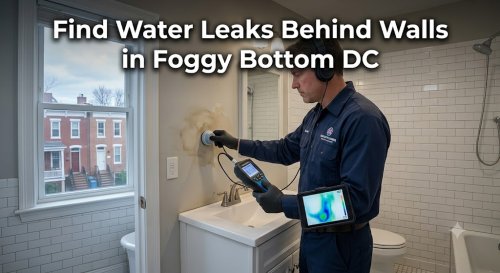
What Equipment Do Professional Plumbers Use?
Electronic Leak Detection
Electronic equipment can help detect sounds created by escaping pressurized water.
Moisture Meters
Moisture meters can help identify elevated moisture levels in building materials.
Thermal Imaging
Thermal imaging can sometimes help identify temperature differences associated with concealed water movement, particularly with hot-water leaks.
Pressure Testing
A plumber may test the plumbing system to determine whether it is maintaining expected pressure.
Inspection Cameras
Cameras can be useful for certain plumbing and sewer investigations, although they are not appropriate for every type of water-line leak.
The objective is not simply to use the most equipment possible. The right diagnostic method depends on the type and location of the suspected leak.
When Should You Call a Professional Leak Detection Plumber?
Contact a qualified plumber when:
- Your water meter indicates unexplained water use.
- Your water bill suddenly increases.
- You hear water behind a wall.
- A ceiling or wall is repeatedly damp.
- You cannot locate the source.
- A leak appears to be underground.
- Water is accumulating beneath flooring.
- You suspect a slab leak.
- A water heater is leaking.
- A pipe is leaking inside a finished wall.
- The same leak keeps returning after repair.
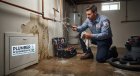
If water is actively flooding the property, treat the situation as an emergency rather than waiting to investigate it yourself.
What Happens During Professional Leak Detection?
Step 1: Discuss the Symptoms
The plumber will ask about the water bill, sounds, damp areas, previous repairs, and when the problem first appeared.
Step 2: Inspect Visible Plumbing
Fixtures, appliances, supply lines, valves, water heaters, and exposed pipes are checked first.
Step 3: Check Water Flow or Pressure
The plumbing system may be evaluated to determine whether water is flowing when it should not be.
Step 4: Locate the Concealed Leak
Appropriate detection equipment may be used to narrow down the source.
Step 5: Explain the Findings
The plumber should explain where the problem appears to be located and what evidence supports the diagnosis.
Step 6: Recommend Repair
The solution may involve repairing a fitting, replacing a pipe section, replacing a fixture, or addressing a larger plumbing-system problem.
Step 7: Test the Repair
After the work is completed, the plumbing should be checked to confirm that the leak has stopped.
How Long Does Hidden Leak Detection Take?
Simple leaks around fixtures can often be identified relatively quickly.
Concealed leaks may require more investigation, especially when the water is traveling away from the original source.
The timeline depends on:
- Location of the leak
- Accessibility
- Pipe material
- Building construction
- Severity of the leak
- Whether the leak is active
- Diagnostic equipment required
- Whether walls or flooring need to be opened
Finding the leak and repairing the resulting building damage are separate tasks.
How Much Does Hidden Leak Detection Cost?
There is no responsible universal price for leak detection.
Costs can vary based on:
- Diagnostic equipment
- Time required
- Leak location
- Accessibility
- Property size
- Plumbing complexity
- Emergency service
- Required repair
- Wall or floor access
Ask whether the diagnostic fee is separate from the repair cost and whether the plumber will provide an estimate before performing significant work.
What Happens If You Ignore a Hidden Leak?
A hidden leak can continue causing problems even when the visible symptoms seem minor.
Potential consequences include:
- Higher water bills
- Damaged drywall
- Flooring damage
- Wood deterioration
- Damaged insulation
- Mold growth
- Electrical hazards
- Structural damage
- Larger plumbing repairs
The EPA notes that undetected household leaks can waste thousands of gallons of water and that leak-detection technology can help identify abnormal water use.
Hidden Truths Homeowners Should Know
Your Water Bill May Be the First Warning
A bill increase can appear before visible water damage.
The Wet Spot Is Not Necessarily the Leak
Water may travel considerably before reaching a visible surface.
A Repaired Leak Can Return
If the underlying problem is corrosion, excessive pressure, or deteriorated plumbing, another failure may occur nearby.
Not Every Water Problem Is a Plumbing Leak
Roof leaks, HVAC condensation, foundation water intrusion, and other sources can resemble plumbing leaks.
A proper diagnosis matters.
The Cheapest Repair Is Not Always the Best Repair
A small patch may stop today's water but fail to address severely deteriorated surrounding plumbing.
15 Common Mistakes Homeowners Make
1. Ignoring a Higher Water Bill
Investigate unexplained increases.
2. Assuming a Leak Would Be Obvious
Concealed leaks may have subtle symptoms.
3. Cutting Into Walls Immediately
Locate the source before unnecessary demolition.
4. Ignoring Musty Odors
Persistent odors can indicate hidden moisture.
5. Forgetting Toilets
A leaking toilet can waste substantial amounts of water.
6. Ignoring Appliance Connections
Washing machines, dishwashers, and refrigerators can all develop water-line leaks.
7. Overlooking the Water Heater
Rust or moisture around the tank should be investigated.
8. Waiting for a Puddle
By the time a puddle appears, damage may already have occurred.
9. Assuming Low Water Pressure Is Normal
A sudden change deserves attention.
10. Using the Wrong Repair Materials
Incompatible plumbing components can create additional problems.
11. Over-Tightening Fittings
Too much force can damage fittings and connections.
12. Relying Only on Chemical Products
Chemical drain products do not repair leaking water pipes.
13. Repeatedly Patching the Same Area
Recurring leaks need diagnosis.
14. Ignoring Freezing Weather
Vulnerable pipes should be protected before severe cold.
15. Waiting Until Significant Damage Appears
Early detection is generally easier and less disruptive than repairing extensive water damage.
How Can You Prevent Hidden Water Leaks?
Regular checks can catch many problems early.
- Inspect under every sink.
- Check toilet supply lines.
- Listen for running toilets.
- Inspect water heater connections.
- Check washing machine hoses.
- Inspect dishwasher connections.
- Check refrigerator water lines.
- Examine exposed plumbing for corrosion.
- Watch for ceiling stains.
- Look for bubbling paint.
- Monitor your water bill.
- Check your water meter periodically.
- Maintain appropriate water pressure.
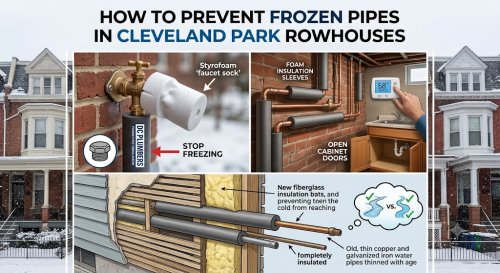
- Protect vulnerable pipes during freezing weather.
- Replace deteriorated supply hoses.
- Keep appliance connections accessible.
- Investigate unexplained musty odors.
- Sign up for DC Water High Usage Alerts.
- Address small leaks promptly.
- Have recurring leaks professionally diagnosed.
DC Water recommends checking appliances, water heaters, sink and appliance water lines, outdoor taps, and other plumbing components as part of leak prevention.
When Is a Hidden Leak an Emergency?
Not every hidden leak requires emergency service, but you should seek immediate help when:
- Water is actively flooding the property.
- A pipe has burst.
- A ceiling is sagging from water.
- Water is near electrical equipment.
- A wall is becoming saturated.
- A major water line is leaking.
- You cannot shut off the water.
- Water is spreading rapidly through multiple rooms.
If the leak appears to be in a public street, sidewalk, alley, or another public area, DC Water provides a reporting system for water leaks and main breaks. Its 24-hour emergency number is 202-612-3400.
Frequently Asked Questions
How do I know if I have a hidden water leak?
Look for an unexplained increase in water usage, damp walls or ceilings, musty odors, mold, unexplained puddles, low water pressure, or the sound of running water when all fixtures are off.
How can I check my house for a water leak?
Inspect faucets, toilets, sinks, appliances, water heaters, exposed pipes, and outdoor spigots. You can also turn off all water use and monitor the water meter for unexplained flow.
Why is my water bill suddenly so high?
A hidden plumbing leak is one possible cause. Other explanations include increased household water use, irrigation, running toilets, or seasonal changes. DC Water's High Usage Alerts can provide an additional warning when consumption is unusually high.
Can a water leak be hidden behind a wall?
Yes. Supply pipes and other plumbing can run behind finished walls and ceilings. Stains, dampness, bubbling paint, and unexplained sounds can indicate concealed leakage.
Can a plumber find a leak without opening the wall?
Often, a plumber can use specialized detection methods to narrow down the location before creating access. However, some repairs ultimately require opening the wall or ceiling.
Can a hidden leak cause mold?
Yes. Persistent moisture can create conditions favorable for mold growth.
Can a hidden water leak damage my foundation?
A significant or prolonged leak can contribute to moisture problems around a property. Underground plumbing leaks should be investigated promptly.
How do I know if my water service line is leaking?
Possible signs include unexplained water use, reduced water pressure, bubbling water in the yard, unusual wet areas, or water accumulating around the meter area. DC Water lists decreased pressure, bubbling water, and an overflowing meter pit among signs to watch for.
How much water can a small leak waste?
It depends on the leak's size and duration. Even small leaks can accumulate significant water waste over time. DC Water notes that a dripping faucet can waste thousands of gallons annually.
Should I call a plumber if my water meter moves when everything is off?
Yes. A moving meter when all known water use has stopped can indicate an active leak, although the cause should be professionally confirmed.
Can old plumbing cause hidden leaks?
Yes. Aging pipes, corrosion, deteriorated fittings, and worn fixtures can all contribute to concealed leaks.
How to Choose a Water Leak Detection Plumber in Washington, DC
When hiring a plumber, look for someone who can diagnose the source rather than simply repair the first wet spot they find.
Ask:
- Are you properly licensed for the work?
- What diagnostic method will you use?
- Is leak detection charged separately?
- Can you identify the source before opening a wall?
- Will you explain the cause of the leak?
- What repair options are available?
- Is the estimate for detection separate from repair?
- Could there be additional damage behind the visible area?
- Will the repaired plumbing be tested afterward?
For older Washington, DC properties, experience with different plumbing materials and building configurations can be particularly useful.
Why Choose plumberinwashingtondc?
For homeowners and businesses looking for plumbing assistance in Washington, DC, plumberinwashingtondc can help property owners discuss suspected leaks and determine the appropriate next step.
When arranging service, ask for a clear explanation of the suspected leak, recommended diagnostic process, repair options, estimated timeline, and applicable charges. For substantial plumbing work, verify that the professional performing the work is appropriately licensed.
You can contact plumberinwashingtondc at 844-833-2093 or visit plumberinwashingtondc.
Final Takeaway
Finding a hidden water leak early can save water, reduce property damage, and prevent a small plumbing issue from becoming a major repair.
Start with the simple checks: inspect fixtures, listen for unexplained water sounds, look for moisture, check your water heater and appliances, and monitor your water meter when everything is turned off.
If the meter shows unexplained water use or you find signs of water behind a wall, beneath flooring, or somewhere you cannot safely access, do not start tearing into the property yourself. A qualified plumber can use appropriate leak-detection methods to locate the problem and determine whether the plumbing needs repair or replacement.
For Washington, DC homeowners, DC Water also provides leak-detection resources and High Usage Alerts that can help identify unusual water consumption