Signs of a Hidden Plumbing Leak in a Washington DC Home
Learn how to spot hidden plumbing leaks in Washington DC homes. Discover diagnostic clues, water travel patterns, and safe homeowner checks.


Understanding Hidden Plumbing Leaks in Residential Properties
A plumbing leak is rarely subtle when it occurs directly beneath a sink or behind an accessible toilet supply line. However, supply pipes and drainage lines frequently run through enclosed cavities, beneath concrete floor slabs, inside structural walls, or deep underground. When these hidden lines fail, water escapes silently for weeks or even months before making its presence known.
In Washington, DC, properties span a wide variety of architectural eras. From historic rowhouses with aging metallic pipes to mid-century detached homes and modern condominiums, plumbing infrastructure varies dramatically. Understanding how water moves through a building and recognizing early warning signs can prevent extensive structural damage, mold growth, and high utility bills.
Why the Visible Location of Water May Not Be the Source
One of the most common misconceptions about hidden leaks is that the water source sits directly above or behind the wet area. Water follows the path of least resistance governed by gravity and structural framing. A pinhole leak in a supply line on a second-floor bathroom wall can travel down studs, follow the slope of subflooring, and emerge as a damp spot or ceiling stain several feet away—or even on the floor below.
Similarly, in multi-story buildings or condominium units, water from a concealed pipe can migrate through shared framing before showing up in a neighbor's space or a common hallway. Tracing a leak requires examining elevation changes, pipe routing paths, and framing angles rather than simply assuming the wet material marks the point of failure.
Key Symptoms and Clues of a Concealed Leak
Because hidden leaks do not immediately produce gushing water, property owners must rely on subtle environmental and mechanical clues. Recognizing these indicators early is essential for preventing major repairs.
Unexplained Spikes in Water Consumption
Your monthly water bill provides one of the most reliable diagnostic tools for detecting hidden supply line leaks. If your household water usage remains consistent, but utility bills climb steadily without a change in habits, a continuous leak is likely present. Even a small continuous trickle from a cracked pipe or a failing coupling under constant pressure can waste hundreds of gallons daily.
Musty Odors and Localized Humidity
When water accumulates inside a wall cavity, subfloor, or basement, it creates a stagnant, humid microenvironment. If you notice a persistent musty smell in a specific hallway, closet, or room—especially in properties with subterranean or semi-subterranean basements—it often points to slow, chronic moisture accumulation behind drywall or beneath flooring materials.
Warped, Discolored, or Damaged Finishes
Building materials react predictably to prolonged moisture exposure. Watch for subtle surface changes, including:
- Hardwood flooring planks that cup, buckle, or separate at the seams.
- Baseboards that swell, crack, or pull away from the wall.
- Drywall that feels soft to the touch, bubbles, or develops yellowish-brown stains.
- Peeling wallpaper or blistering paint on interior walls not directly exposed to exterior weather.
Changes in Water Pressure or Meter Behavior
If a supply pipe develops a significant breach, the overall water pressure within that branch line may drop when multiple fixtures operate. Additionally, modern municipal water meters often feature a small low-flow indicator triangle or sweep hand. If every water-using appliance and fixture in the building is fully closed and the meter dial is still spinning, water is escaping somewhere within the private plumbing system.
How Washington DC Conditions Influence Leak Vulnerability
Local environmental factors can influence how and where plumbing systems fail. While not every property experiences the same vulnerabilities, certain regional patterns are common.
Winter Freezing and Thermal Stress
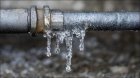
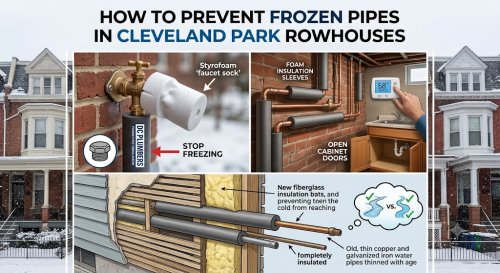
During freezing winter cold snaps, poorly insulated supply lines located along exterior walls, unheated crawl spaces, or unconditioned basements can experience extreme thermal stress. When water inside a pipe freezes, it expands and creates tremendous internal pressure. Even if the pipe does not instantly rupture, the expansion can weaken soldered joints, threaded connections, or older metal walls, leading to delayed leaks that manifest weeks later as outdoor temperatures warm up.
Historic and Older Infrastructure
Many residential properties across Washington, DC feature older plumbing systems constructed decades ago. Over time, materials like galvanized steel experience internal mineral buildup and rust corrosion that eventually perforates the pipe wall. Older copper systems can also thin out due to high-velocity water flow, aggressive water chemistry, or electrochemical reactions where dissimilar metals meet.
Safe Homeowner Inspections and Damage Control
Homeowners can safely perform several initial checks to investigate suspected hidden leaks without risking structural damage or personal injury.
What You Can Safely Check
What You Should NOT Attempt
Property owners should avoid destructive troubleshooting methods. Do not cut into drywall, drill into structural columns, chisel through concrete slabs, or uncouple pressurized main supply lines without professional support. Mistakenly opening a pressurized line or a main drain stack can cause immediate indoor flooding and expensive structural damage.
Immediate Damage-Control Steps
If you confirm a continuous leak or observe active water pooling from an unknown concealed source, locate the main water shutoff valve for the property immediately. Every occupant, landlord, and homeowner should know where this valve is located—typically where the main water service enters the basement or crawl space. Shutting off the main supply stops continuous water loss while you arrange for professional diagnosis.
Professional Diagnostic Methods
When a leak is hidden behind concrete or within a finished wall, professional plumbers utilize specialized non-invasive diagnostic equipment to pinpoint the exact failure point without tearing apart the entire property.
Repair and Replacement Considerations
Once a hidden leak is located, the repair scope depends heavily on the pipe material, accessibility, and overall system condition.
Spot Repairs vs. Sectional Replacement
If a leak stems from a localized defect—such as a single failing solder joint in a copper line or a localized corrosion pinhole—a targeted repair involving cutting out the damaged section and splicing in new piping may suffice. However, if the surrounding pipe shows widespread thinning, pitting, or rust, a spot repair is often only a temporary fix before a neighboring section fails.
Access Challenges and Restoration
Reaching a concealed leak frequently requires opening a small access window in drywall, removing flooring sections, or excavating a portion of a basement slab. The complexity of accessing the pipe heavily influences the overall labor time and subsequent cosmetic restoration required.
Factors Influencing Plumbing Repair Costs
Plumbing repair estimates vary based on several practical project variables:
Frequently Asked Questions
How can I tell if my high water bill is caused by a hidden leak?
Perform the water meter test by ensuring all fixtures are off and checking if the meter dial still moves. If usage spikes without a change in household habits and fixtures are not running, a hidden supply leak is a primary suspect.
Can a hidden leak cause mold growth inside walls?
Yes. Continuous moisture combined with organic building materials like drywall paper and wood framing creates an ideal environment for mold growth within 24 to 48 hours of constant dampness.
Will homeowners insurance cover hidden plumbing leaks?
Insurance coverage depends heavily on your specific policy terms and whether the leak was sudden and accidental or resulted from long-term deferred maintenance. Review your policy and consult your insurance provider regarding water damage claims.
Are older Washington DC homes more prone to hidden pipe leaks?
Older homes containing aging metallic pipes such as galvanized steel or early copper are susceptible to internal corrosion, mineral buildup, and pinhole failures over decades of service.
What should I do if I hear running water when all taps are closed?
Locate your main water shutoff valve immediately to stop potential water flow, then inspect your meter and call a licensed plumber to investigate possible supply line breaches.
Can humidity sensors help detect hidden leaks?
Smart home moisture and humidity sensors placed near water heaters, washing machines, and prone basement areas can alert you to abnormal moisture accumulation before major damage occurs.