Why Does My Toilet Gurgle in Adams Morgan? DC
Toilet gurgling in Adams Morgan, DC? Learn what causes bubbling toilets, sewer line clogs, vent blockages, and when to call a local plumber.
Why Does My Toilet Gurgle in Adams Morgan?
If you flush your toilet in Adams Morgan and hear a strange glug-glug sound—or notice air bubbles burping up through the water bowl when your shower drains or washing machine runs—your plumbing system is sending an urgent distress signal. A gurgling toilet is not just an annoying noise; it is a sign that air is trapped inside your drainage system or being pulled through the water trap due to negative pressure.
In historic Washington, DC neighborhoods like Adams Morgan, gurgling toilets are particularly common. The neighborhood's classic late-19th-century row houses, converted multi-family condominiums, and aging Victorian properties around 18th Street NW and Columbia Road rely on legacy drainage infrastructure. From century-old cast iron stack pipes to deep-set terra cotta sewer laterals, local plumbing systems face unique environmental and structural pressures.
Ignoring a gurgling toilet can lead to raw sewage backing up into your bathroom, damaged flooring, and costly structural repairs. This guide explains what causes toilet gurgling in Adams Morgan, how to spot warning signs, safe DIY steps you can try, and how professional plumbers resolve the issue permanently.
What Does a Gurgling Toilet Mean?
A toilet gurgles when air is forced into or pulled out of the plumbing drain lines unexpectedly. Under normal conditions, water flows smoothly down your drain line while air flows freely through a rooftop vent stack, maintaining equal air pressure inside the pipes.
[Normal Flow]                         [Blocked System / Gurgling]
Roof Vent Open (Air In/Out)           Roof Vent or Sewer Line Clogged
       │                                            │
       ▼                                            ▼
[Drain Pipe] ──► Smooth Water Flow    [Trapped Air / Vacuum Created]
                                                    │
                                                    ▼
                                      Air pulls through Toilet Trap Water
                                      Result: "Glug-Glug" Noise & Bubbles
When an obstruction forms—either in the main sewer line beneath your property or in the ventilation pipe extending through your roof—the trapped air searches for the path of least resistance. That path is usually your toilet's water trap. As air pushes through or sucks water out of the bowl, it creates a distinct bubbling or gurgling noise.
Common Symptoms Associated with Toilet Gurgling
-
Air bubbles rising to the surface of the toilet bowl during or after flushing.
-
The toilet gurgles when the bathroom sink, bathtub, or washing machine drains.
-
Water levels in the toilet bowl drop abnormally low or fluctuate on their own.
-
Foul, sulfur-like sewer odors escaping from bathroom floor drains.
-
Slow drainage across multiple fixtures on lower floors or in basement apartments.
Why Does This Plumbing Problem Happen in Adams Morgan?
Troubleshooting a gurgling toilet requires identifying where air flow is restricted. In Adams Morgan properties, several specific factors contribute to this issue:
1. Clogged Main Sewer Lateral Line
Your home’s main sewer lateral carries waste from all drains out to the DC Water municipal sewer line under the street. When paper towels, grease, or non-flushable wipes accumulate inside an older line, waste slows down. Air behind the blockage becomes trapped and escapes upward through your toilet bowl.
2. Blocked Rooftop Vent Stack
Plumbing vent stacks extend through your roof to let sewer gases escape and allow fresh air into the drain system. In leafy NW DC neighborhoods like Adams Morgan, Mount Pleasant, and Kalorama, tree leaves, twigs, bird nests, or winter ice can cap the roof vent. Without atmospheric venting, every flush creates a vacuum that pulls air through toilet traps.
3. Mature Tree Root Intrusion
Adams Morgan’s mature oak and maple trees have extensive root systems that seek out moisture underground. Historic terra cotta and clay sewer pipes often have loose joints or hairline cracks. Tree roots enter these gaps, expand rapidly inside the pipe, and catch toilet paper, leading to severe main line blockages and gurgling noises.
4. Corrosion and Scale in Legacy Cast Iron Pipes
Many historic row houses built between 1890 and 1930 still utilize original cast iron soil stacks and drain lines. Over decades, cast iron develops internal rust scale (tuberculation) that narrows the pipe diameter, catches waste particles, and disrupts normal air displacement during flushing.
5. Municipal Sewer Surges and Heavy Downpours
Parts of Washington, DC utilize combined sewer systems that handle both sanitary sewage and stormwater. During heavy Mid-Atlantic rainstorms, municipal sewer lines can become temporarily overwhelmed. Surging water in city mains compresses air inside private sewer laterals, pushing air bubbles up into low-lying toilets.
Signs You Should Never Ignore
A gurgling toilet is rarely an isolated symptom. Watch for these related red flags across your home:
| Warning Indicator | What It Indicates | Recommended Action |
| Gurgling While Running Other Fixtures | Blocked main line or roof vent stack | Avoid running washing machines; call a plumber |
| Sewer Odors Near Bathroom Drains | Dried-out water trap letting toxic sewer gas escape | Run water into drains and schedule an inspection |
| Fluctuating Water Levels in Bowl | Pressure imbalances inside the drain line | Inspect roof vent and main cleanout |
| Water Backing Up into Shower Base | Main sewer line obstruction downstream | Cease all water use immediately to avoid flooding |
| Frequent Toilet Clogs | Partial obstruction in closet bend or main stack | Perform professional camera diagnostic |
Common Plumbing Problems Related to a Gurgling Toilet
When air pressure issues and line obstructions are left unaddressed, they quickly escalate into major property damage:
-
Raw Sewage Flooding: A partially blocked main line eventually closes off completely, causing sewage to back up into basement apartments, floor drains, and low showers.
-
Toxic Sewer Gas Infiltration: Persistent vacuum pressure can pull water completely out of P-traps, allowing hydrogen sulfide and methane gases to vent directly into living spaces.
-
Structural Water Damage: Unnoticed sewer backups under floorboards cause timber rot, ruin subfloors, and destroy drywall in historic multi-story row houses.
-
Mold & Environmental Contamination: Dark, damp spaces contaminated by drain overflow foster toxic black mold growth within 24 to 48 hours.
Step-by-Step Professional Repair Process
When you contact plumber in Washington DC to resolve a gurgling toilet in Adams Morgan, our licensed technicians follow a systematic diagnostic and repair process:
[Step 1: System Isolation & Preliminary Flow Test]
                           │
                           ▼
[Step 2: Roof Vent Stack Visual & Mechanical Inspection]
                           │
                           ▼
[Step 3: Fiber-Optic Sewer Camera Line Diagnostic]
                           │
                           ▼
[Step 4: Upfront Honest Repair Estimate]
                           │
                           ▼
[Step 5: High-Pressure Hydro-Jetting / Auger Clearing]
                           │
                           ▼
[Step 6: Post-Clearing Verification & Flow Testing]
                           │
                           ▼
[Step 7: Maintenance Guidance & Preventative Plan]
Step 1: Initial System Inspection
The plumber evaluates water flow across multiple fixtures, checks cleanout access points, and determines whether the gurgling is isolated to one fixture or affects the entire building drain system.
Step 2: HD Fiber-Optic Camera Diagnosis
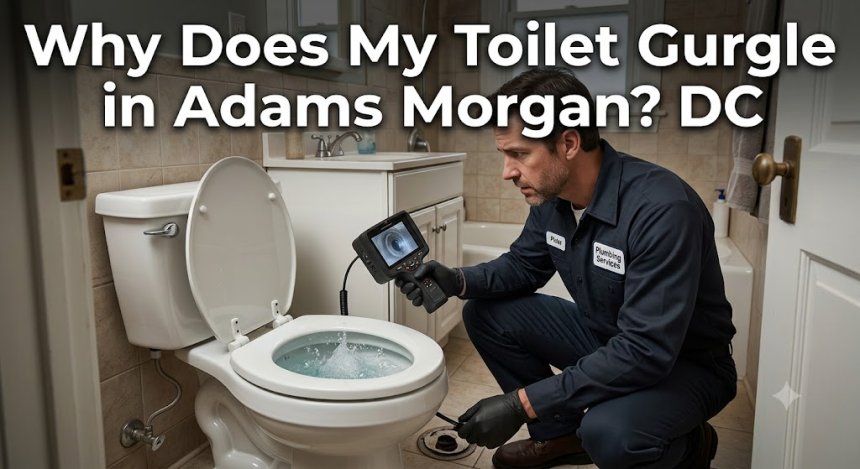
A waterproof camera equipped with a location sonde is routed down your cleanout or toilet drain. Real-time video pinpoints exact blockage locations, tree root penetrations, or pipe sags.
Step 3: Vent Stack Evaluation
If the main drain is clear, the plumber inspects the rooftop vent stack to locate leaves, nests, or mechanical obstructions blocking air intake.
Step 4: Transparent Estimate
The plumber presents an itemized proposal explaining the required action—whether mechanical snaking, high-pressure hydro-jetting, vent clearing, or pipe repair.
Step 5: Professional Line Clearing & Jetting
-
Hydro-Jetting: High-pressure water streams (up to 4,000 PSI) scour grease, heavy scale, and tree roots off pipe walls, restoring original line capacity.
-
Mechanical Augering: Heavy-duty motorized cables slice through stubborn localized blockages inside main stacks.
Step 6: Testing and Sanitation
The technician flushes all toilets simultaneously, monitors water trap stability, verifies noise removal, and thoroughly sanitizes affected work areas.
Can You Fix It Yourself?
Understanding what you can safely handle—and when to step back—prevents accidental property damage and personal injury.
Safe DIY Steps You Can Try
-
Plunge the Affected Toilet Correctly: Use a heavy-duty flange plunger (not a flat cup plunger). Form a tight seal around the drain outlet and plunge vigorously 10–12 times to clear minor localized clogs near the toilet bowl.
-
Check Your Neighbours' Fixtures: In multi-unit Adams Morgan condo buildings, check if neighboring units or lower floors are experiencing similar noises. This helps isolate whether the issue is private or building-wide.
-
Clear Ground-Level Cleanout Caps: If you have an accessible exterior sewer cleanout, inspect the cap to see if standing water is present.
Dangerous DIY Pitfalls
-
Avoid Chemical Drain Cleaners: Never pour caustic chemical drain openers into a gurgling toilet. These chemicals react harshly, generate heat that can crack vintage porcelain toilet bowls, and fail to clear main line root blockages or vent clogs.
-
Do Not Climb Steep Historic Roofs Without Harnesses: Attempting to clear rooftop vent stacks on steep, historic slate or tin roofs in Adams Morgan without proper safety equipment presents severe fall hazards.
-
Do Not Force Rental Augers Into Fragile Pipes: Improper use of commercial drain snakes can puncture corroded cast iron or shatter brittle clay sewer pipes underground.
Tools Professionals Use
Resolving persistent drainage and pressure issues requires industrial-grade technology:
-
Fiber-Optic Inspection Cameras: High-definition waterproof camera heads with flexible cables that navigate tight turns in old plumbing systems to provide video diagnostic footage.
-
Industrial Hydro-Jetters: Self-propelling hose systems using pressurized water to clean grease, heavy sludge, and invasive tree roots clean out of main lines.
-
Motorized Drain Augers (Sewer Snakes): Heavy-duty steel cables with specialized cutting heads designed to break through dense organic clogs.
-
Pneumatic Pipe Plugs & Smoke Testing Equipment: Tools used to isolate sections of pipe and locate hidden leaks or unvented lines inside walls.
How Long Does the Repair Usually Take?
Repair times vary based on the root cause and accessibility:
-
Isolated Toilet Clog Clearance: 30 to 60 minutes.
-
Rooftop Vent Stack Clearing: 1 to 2 hours.
-
Main Sewer Line Hydro-Jetting: 2 to 3 hours.
-
Complex Tree Root Removal & Camera Inspection: 2 to 4 hours.
-
Underground Sewer Line Repair or Relining: 1 to 2 days.
Cost Factors
Understanding what influences service costs allows homeowners to plan effectively without surprises.
Plumbing repair costs vary depending on the severity of the problem, accessibility, materials required, emergency service, property type, and local labor rates.
Specific Factors Influencing Costs
-
Diagnostic Equipment Requirements: Standard snaking costs less than advanced fiber-optic camera mapping or hydro-jetting.
-
Accessibility of Vents and Cleanouts: Historic row houses with steep roof slopes or lack of accessible basement cleanouts require additional setup time.
-
Time of Service: Emergency after-hours, weekend, or holiday service calls carry different rates than scheduled weekday visits.
-
Extent of Line Damage: Clearing a simple paper obstruction is significantly less costly than repairing a collapsed underground clay pipe.
Hidden Truths Homeowners Should Know
-
Small leaks become expensive repairs: Minor toilet flapper leaks or subtle gurgles often signal building line pressure issues that worsen rapidly over time.
-
Cheap temporary fixes often fail: Chemical pour-ins or surface plunges provide brief relief without addressing deep tree roots or blocked vent stacks.
-
Insurance may not cover neglected plumbing: Standard property insurance policies frequently deny claims for sewer backups caused by long-term, unaddressed root intrusion or pipe deterioration.
-
Tree roots can repeatedly damage sewer lines: Clearing roots with a snake gives immediate relief, but roots will return thicker within months unless the pipe is structurally sealed or relined.
-
Hard water shortens fixture lifespan: Mineral deposits scale inside toilet jet holes and fill valves, disrupting flush force and compounding drainage issues.
-
DIY mistakes increase repair costs: Snapping a rental snake cable inside an underground sewer line forces expensive excavation to retrieve the tool.
-
Delaying repairs causes structural damage: Wastewater seepage under bathroom tile degrades floor joists and damages ceiling drywall in lower apartments.
-
Hidden leaks increase utility bills: Continuous running or improper venting forces fill valves to cycling unnecessarily, wasting thousands of gallons of water annually.
-
Mold develops quickly: Moisture from sewer overflows breeds toxic mold behind baseboards and beneath flooring in as little as 24 hours.
-
Annual maintenance saves money: Routine camera checks and preventative line jetting cost a fraction of emergency water restoration and pipe replacement.
15 Common Mistakes Homeowners Make
-
Ignoring Early Gurgling Noises: Treating subtle toilet bubbles as a minor nuisance until raw sewage backs up.
-
Using Chemical Drain Cleaners in Toilets: Damaging porcelain and creating chemical hazards for plumbers servicing the line.
-
Flushing Flushable Wipes: Flushing synthetic wipes that do not dissolve and snag on interior pipe scale.
-
Pouring Kitchen Grease Down Sinks: Allowing fats to congeal inside shared main waste lines.
-
Continuing Water Use During a Backup: Running showers or laundry while main drains are blocked, accelerating basement flooding.
-
Hiring Unlicensed Handymen for Complex Drainage: Entrusting complex venting and sewer work to uncertified workers.
-
Skipping Regular Sewer Line Inspections: Neglecting routine camera checks on older properties with mature trees nearby.
-
Planted Trees Directly Over Sewer Lines: Landscaping over main lateral paths without checking underground utility maps.
-
Waiting for Emergency Flooding Before Calling a Plumber: Delaying service until premium after-hours response is required.
-
Covering or Painting Over Roof Vents: Sealing atmospheric vent openings during roof repairs or renovations.
-
Using Incorrect Pipe Sizes During DIY Renovations: Installing undersized waste lines during basement bathroom additions.
-
Over-Tightening Closet Bolts and Cleanout Plugs: Cracking toilet bases or stripping threaded cleanout caps.
-
Ignoring Slow Drains Elsewhere in the House: Failing to realize that a slow tub drain and gurgling toilet are connected.
-
Misinterpreting Sewer Gas as "Musty Basement Air": Ignoring sulfur smells originating from dry or unvented traps.
-
Selecting Contractors Based Solely on the Lowest Phone Quote: Choosing unverified bids that hide extra diagnostic or equipment fees later.
Maintenance Tips for Adams Morgan Plumbing
Protect your home’s plumbing system with these practical preventative measures:
Everyday Best Practices
-
Enforce Strict Toilet Discipline: Flush only toilet paper and human waste—never wipes, paper towels, dental floss, or feminine products.
-
Run Water in Seldom-Used Fixtures: Pour a pitcher of water into guest bathroom floor drains and showers weekly to keep P-traps full and block sewer gas.
-
Keep Strainers in All Drains: Catch hair and food particles at sink level before waste reaches main stacks.
Seasonal & Long-Term Preventative Care
-
Clear Roof Vents Every Autumn: Remove fallen leaves, pine needles, and debris from around rooftop plumbing stack openings before winter.
-
Inspect Roof Flashing in Late Fall: Ensure rubber boot seals around vent pipes on your roof are intact to prevent rain leaks inside walls.
-
Schedule Annual Enzymatic Drain Treatments: Use non-caustic bio-enzymatic drain cleaners monthly to consume organic grease along pipe walls safely.
-
Get a Camera Inspection Every 2 Years: Schedule a video sewer line check every 24 months, particularly if you live in a historic home surrounded by mature trees.
When Should You Call an Emergency Plumber?
Contact an emergency plumbing service immediately if you encounter any of these dangerous situations:
-
Sewage Backing Up into Showers or Tubs: Wastewater rising up through low-lying drains when toilets are flushed.
-
Multiple Fixtures Gurgling Simultaneously: Toilets, sinks, and tubs bubbling all at once across the property.
-
Overwhelming Sewer Gas Odors: Strong hydrogen sulfide smells filling indoor living spaces.
-
Water Flooding Basement Floors: Standing water accumulation near main stack cleanouts or floor drains.
Frequently Asked Questions
Why does my toilet gurgle when I run the shower?
When your shower drains into a blocked or improperly vented main waste line, the draining water pushes air down the pipe. That trapped air escapes by bubbling up through the nearest path of least resistance—your toilet trap.
Can a blocked roof vent cause a toilet to gurgle?
Yes. Roof vents supply air pressure balance to your drainage pipes. If leaves, snow, or bird nests block the vent stack, flushing creates a vacuum that pulls air through your toilet bowl water, causing a loud gurgling sound.
Will a gurgling toilet fix itself?
No. A gurgling toilet indicates a physical blockage or venting issue inside your plumbing system. While the noise may pause temporarily when water stops running, the underlying pressure imbalance will remain until cleared.
Is hydro jetting safe for old cast iron pipes in Adams Morgan?
Yes, when conducted by a trained plumber who performs a camera inspection first. Plumbers adjust jetting pressure to match the age and structural condition of your pipes to clear scale without damaging the line.
How do I know if the clog is in my toilet or the main sewer line?
If only one toilet gurgles and all other sinks and tubs drain normally, the clog is localized. If multiple fixtures gurgle or drains back up on lower floors simultaneously, the blockage is in your main sewer lateral.
Can tree roots cause my toilet to make bubbling sounds?
Yes. Tree roots entering underground sewer lines snag toilet paper and waste, creating partial blockages that trap air and cause toilets to gurgle during flushes.
What should I do immediately if my toilet starts gurgling?
Stop running water across all fixtures—including washing machines and dishwashers—to prevent potential sewage backups, and check if other drains in the home are affected.
How much does it cost to clear a blocked sewer vent stack?
Costs depend on roof accessibility, steepness, and height, as well as whether specialized augers or camera inspections are required to clear the blockage.
Can plumbing leaks increase my water bill?
Yes. If a gurgling issue is caused by continuous pressure imbalances that cause fill valves to run continuously, your monthly water utility bill will increase significantly.
Why does my toilet water level drop after gurgling?
Gurgling often creates a siphon effect. The vacuum created by blocked vents sucks water out of your toilet trap, lowering the water level in the bowl.
Why Choose Our Plumbing Company
When facing a gurgling toilet or complex drainage issue in Adams Morgan, you need a prompt, dependable local expert.
At plumber in Washington DC, we specialize in diagnosing and repairing historic and modern residential plumbing systems across Adams Morgan, Mount Pleasant, Kalorama, Columbia Heights, Dupont Circle, and throughout Washington, DC.
-
Experienced Licensed Plumbers: Our team possesses extensive knowledge of DC's historic housing stock, legacy cast iron stacks, and local municipal sewer codes.
-
Upfront Honest Estimates: We provide clear, itemized pricing before work begins so you know exactly what to expect.
-
Fast Response & Emergency Availability: We offer rapid scheduling and round-the-clock emergency dispatch to protect your property from sewer backups.
-
Modern Diagnostic Technology: We utilize HD sewer cameras, digital line locators, and high-pressure hydro-jetting to solve problems right the first time.
-
Customer Satisfaction Guaranteed: We take pride in clean, professional workmanship, respecting your home and leaving work areas spotless.
Don't wait for a small gurgle to turn into a costly sewage emergency. Contact us today at
SEO Title: Why Does My Toilet Gurgle in Adams Morgan? DC Guide (53 chars)
Meta Description: Toilet gurgling in Adams Morgan, DC? Learn what causes bubbling toilets, sewer line clogs, vent blockages, and when to call a local plumber. (149 chars)
Keywords: toilet gurgling Adams Morgan, why is my toilet bubbling DC, toilet gurgle sewer line clog, plumbing vent stack blockage DC, toilet makes noise when flushed, main sewer backup Adams Morgan, plumber in Washington DC, emergency plumber Adams Morgan, drain cleaning Washington DC, sewer camera inspection DC
Slug: why-toilet-gurgles-adams-morgan
Why Does My Toilet Gurgle in Adams Morgan?
If you flush your toilet in Adams Morgan and hear a strange glug-glug sound—or notice air bubbles burping up through the water bowl when your shower drains or washing machine runs—your plumbing system is sending an urgent distress signal. A gurgling toilet is not just an annoying noise; it is a sign that air is trapped inside your drainage system or being pulled through the water trap due to negative pressure.
In historic Washington, DC neighborhoods like Adams Morgan, gurgling toilets are particularly common. The neighborhood's classic late-19th-century row houses, converted multi-family condominiums, and aging Victorian properties around 18th Street NW and Columbia Road rely on legacy drainage infrastructure. From century-old cast iron stack pipes to deep-set terra cotta sewer laterals, local plumbing systems face unique environmental and structural pressures.
Ignoring a gurgling toilet can lead to raw sewage backing up into your bathroom, damaged flooring, and costly structural repairs. This guide explains what causes toilet gurgling in Adams Morgan, how to spot warning signs, safe DIY steps you can try, and how professional plumbers resolve the issue permanently.
What Does a Gurgling Toilet Mean?
A toilet gurgles when air is forced into or pulled out of the plumbing drain lines unexpectedly. Under normal conditions, water flows smoothly down your drain line while air flows freely through a rooftop vent stack, maintaining equal air pressure inside the pipes.
[Normal Flow]                         [Blocked System / Gurgling]
Roof Vent Open (Air In/Out)           Roof Vent or Sewer Line Clogged
       │                                            │
       ▼                                            ▼
[Drain Pipe] ──► Smooth Water Flow    [Trapped Air / Vacuum Created]
                                                    │
                                                    ▼
                                      Air pulls through Toilet Trap Water
                                      Result: "Glug-Glug" Noise & Bubbles
When an obstruction forms—either in the main sewer line beneath your property or in the ventilation pipe extending through your roof—the trapped air searches for the path of least resistance. That path is usually your toilet's water trap. As air pushes through or sucks water out of the bowl, it creates a distinct bubbling or gurgling noise.
Common Symptoms Associated with Toilet Gurgling
-
Air bubbles rising to the surface of the toilet bowl during or after flushing.
-
The toilet gurgles when the bathroom sink, bathtub, or washing machine drains.
-
Water levels in the toilet bowl drop abnormally low or fluctuate on their own.
-
Foul, sulfur-like sewer odors escaping from bathroom floor drains.
-
Slow drainage across multiple fixtures on lower floors or in basement apartments.
Why Does This Plumbing Problem Happen in Adams Morgan?
Troubleshooting a gurgling toilet requires identifying where air flow is restricted. In Adams Morgan properties, several specific factors contribute to this issue:
1. Clogged Main Sewer Lateral Line
Your home’s main sewer lateral carries waste from all drains out to the DC Water municipal sewer line under the street. When paper towels, grease, or non-flushable wipes accumulate inside an older line, waste slows down. Air behind the blockage becomes trapped and escapes upward through your toilet bowl.
2. Blocked Rooftop Vent Stack
Plumbing vent stacks extend through your roof to let sewer gases escape and allow fresh air into the drain system. In leafy NW DC neighborhoods like Adams Morgan, Mount Pleasant, and Kalorama, tree leaves, twigs, bird nests, or winter ice can cap the roof vent. Without atmospheric venting, every flush creates a vacuum that pulls air through toilet traps.
3. Mature Tree Root Intrusion
Adams Morgan’s mature oak and maple trees have extensive root systems that seek out moisture underground. Historic terra cotta and clay sewer pipes often have loose joints or hairline cracks. Tree roots enter these gaps, expand rapidly inside the pipe, and catch toilet paper, leading to severe main line blockages and gurgling noises.
4. Corrosion and Scale in Legacy Cast Iron Pipes
Many historic row houses built between 1890 and 1930 still utilize original cast iron soil stacks and drain lines. Over decades, cast iron develops internal rust scale (tuberculation) that narrows the pipe diameter, catches waste particles, and disrupts normal air displacement during flushing.
5. Municipal Sewer Surges and Heavy Downpours
Parts of Washington, DC utilize combined sewer systems that handle both sanitary sewage and stormwater. During heavy Mid-Atlantic rainstorms, municipal sewer lines can become temporarily overwhelmed. Surging water in city mains compresses air inside private sewer laterals, pushing air bubbles up into low-lying toilets.
Signs You Should Never Ignore
A gurgling toilet is rarely an isolated symptom. Watch for these related red flags across your home:
| Warning Indicator | What It Indicates | Recommended Action |
| Gurgling While Running Other Fixtures | Blocked main line or roof vent stack | Avoid running washing machines; call a plumber |
| Sewer Odors Near Bathroom Drains | Dried-out water trap letting toxic sewer gas escape | Run water into drains and schedule an inspection |
| Fluctuating Water Levels in Bowl | Pressure imbalances inside the drain line | Inspect roof vent and main cleanout |
| Water Backing Up into Shower Base | Main sewer line obstruction downstream | Cease all water use immediately to avoid flooding |
| Frequent Toilet Clogs | Partial obstruction in closet bend or main stack | Perform professional camera diagnostic |
Common Plumbing Problems Related to a Gurgling Toilet
When air pressure issues and line obstructions are left unaddressed, they quickly escalate into major property damage:
-
Raw Sewage Flooding: A partially blocked main line eventually closes off completely, causing sewage to back up into basement apartments, floor drains, and low showers.
-
Toxic Sewer Gas Infiltration: Persistent vacuum pressure can pull water completely out of P-traps, allowing hydrogen sulfide and methane gases to vent directly into living spaces.
-
Structural Water Damage: Unnoticed sewer backups under floorboards cause timber rot, ruin subfloors, and destroy drywall in historic multi-story row houses.
-
Mold & Environmental Contamination: Dark, damp spaces contaminated by drain overflow foster toxic black mold growth within 24 to 48 hours.
Step-by-Step Professional Repair Process
When you contact plumber in Washington DC to resolve a gurgling toilet in Adams Morgan, our licensed technicians follow a systematic diagnostic and repair process:
[Step 1: System Isolation & Preliminary Flow Test]
                           │
                           ▼
[Step 2: Roof Vent Stack Visual & Mechanical Inspection]
                           │
                           ▼
[Step 3: Fiber-Optic Sewer Camera Line Diagnostic]
                           │
                           ▼
[Step 4: Upfront Honest Repair Estimate]
                           │
                           ▼
[Step 5: High-Pressure Hydro-Jetting / Auger Clearing]
                           │
                           ▼
[Step 6: Post-Clearing Verification & Flow Testing]
                           │
                           ▼
[Step 7: Maintenance Guidance & Preventative Plan]
Step 1: Initial System Inspection
The plumber evaluates water flow across multiple fixtures, checks cleanout access points, and determines whether the gurgling is isolated to one fixture or affects the entire building drain system.
Step 2: HD Fiber-Optic Camera Diagnosis
A waterproof camera equipped with a location sonde is routed down your cleanout or toilet drain. Real-time video pinpoints exact blockage locations, tree root penetrations, or pipe sags.
Step 3: Vent Stack Evaluation
If the main drain is clear, the plumber inspects the rooftop vent stack to locate leaves, nests, or mechanical obstructions blocking air intake.
Step 4: Transparent Estimate
The plumber presents an itemized proposal explaining the required action—whether mechanical snaking, high-pressure hydro-jetting, vent clearing, or pipe repair.
Step 5: Professional Line Clearing & Jetting
-
Hydro-Jetting: High-pressure water streams (up to 4,000 PSI) scour grease, heavy scale, and tree roots off pipe walls, restoring original line capacity.
-
Mechanical Augering: Heavy-duty motorized cables slice through stubborn localized blockages inside main stacks.
Step 6: Testing and Sanitation
The technician flushes all toilets simultaneously, monitors water trap stability, verifies noise removal, and thoroughly sanitizes affected work areas.
Can You Fix It Yourself?
Understanding what you can safely handle—and when to step back—prevents accidental property damage and personal injury.
Safe DIY Steps You Can Try
-
Plunge the Affected Toilet Correctly: Use a heavy-duty flange plunger (not a flat cup plunger). Form a tight seal around the drain outlet and plunge vigorously 10–12 times to clear minor localized clogs near the toilet bowl.
-
Check Your Neighbours' Fixtures: In multi-unit Adams Morgan condo buildings, check if neighboring units or lower floors are experiencing similar noises. This helps isolate whether the issue is private or building-wide.
-
Clear Ground-Level Cleanout Caps: If you have an accessible exterior sewer cleanout, inspect the cap to see if standing water is present.
Dangerous DIY Pitfalls
-
Avoid Chemical Drain Cleaners: Never pour caustic chemical drain openers into a gurgling toilet. These chemicals react harshly, generate heat that can crack vintage porcelain toilet bowls, and fail to clear main line root blockages or vent clogs.
-
Do Not Climb Steep Historic Roofs Without Harnesses: Attempting to clear rooftop vent stacks on steep, historic slate or tin roofs in Adams Morgan without proper safety equipment presents severe fall hazards.
-
Do Not Force Rental Augers Into Fragile Pipes: Improper use of commercial drain snakes can puncture corroded cast iron or shatter brittle clay sewer pipes underground.
Tools Professionals Use
Resolving persistent drainage and pressure issues requires industrial-grade technology:
-
Fiber-Optic Inspection Cameras: High-definition waterproof camera heads with flexible cables that navigate tight turns in old plumbing systems to provide video diagnostic footage.
-
Industrial Hydro-Jetters: Self-propelling hose systems using pressurized water to clean grease, heavy sludge, and invasive tree roots clean out of main lines.
-
Motorized Drain Augers (Sewer Snakes): Heavy-duty steel cables with specialized cutting heads designed to break through dense organic clogs.
-
Pneumatic Pipe Plugs & Smoke Testing Equipment: Tools used to isolate sections of pipe and locate hidden leaks or unvented lines inside walls.
How Long Does the Repair Usually Take?
Repair times vary based on the root cause and accessibility:
-
Isolated Toilet Clog Clearance: 30 to 60 minutes.
-
Rooftop Vent Stack Clearing: 1 to 2 hours.
-
Main Sewer Line Hydro-Jetting: 2 to 3 hours.
-
Complex Tree Root Removal & Camera Inspection: 2 to 4 hours.
-
Underground Sewer Line Repair or Relining: 1 to 2 days.
Cost Factors
Understanding what influences service costs allows homeowners to plan effectively without surprises.
Plumbing repair costs vary depending on the severity of the problem, accessibility, materials required, emergency service, property type, and local labor rates.
Specific Factors Influencing Costs
-
Diagnostic Equipment Requirements: Standard snaking costs less than advanced fiber-optic camera mapping or hydro-jetting.
-
Accessibility of Vents and Cleanouts: Historic row houses with steep roof slopes or lack of accessible basement cleanouts require additional setup time.
-
Time of Service: Emergency after-hours, weekend, or holiday service calls carry different rates than scheduled weekday visits.
-
Extent of Line Damage: Clearing a simple paper obstruction is significantly less costly than repairing a collapsed underground clay pipe.
Hidden Truths Homeowners Should Know
-
Small leaks become expensive repairs: Minor toilet flapper leaks or subtle gurgles often signal building line pressure issues that worsen rapidly over time.
-
Cheap temporary fixes often fail: Chemical pour-ins or surface plunges provide brief relief without addressing deep tree roots or blocked vent stacks.
-
Insurance may not cover neglected plumbing: Standard property insurance policies frequently deny claims for sewer backups caused by long-term, unaddressed root intrusion or pipe deterioration.
-
Tree roots can repeatedly damage sewer lines: Clearing roots with a snake gives immediate relief, but roots will return thicker within months unless the pipe is structurally sealed or relined.
-
Hard water shortens fixture lifespan: Mineral deposits scale inside toilet jet holes and fill valves, disrupting flush force and compounding drainage issues.
-
DIY mistakes increase repair costs: Snapping a rental snake cable inside an underground sewer line forces expensive excavation to retrieve the tool.
-
Delaying repairs causes structural damage: Wastewater seepage under bathroom tile degrades floor joists and damages ceiling drywall in lower apartments.
-
Hidden leaks increase utility bills: Continuous running or improper venting forces fill valves to cycle unnecessarily, wasting thousands of gallons of water annually.
-
Mold develops quickly: Moisture from sewer overflows breeds toxic mold behind baseboards and beneath flooring in as little as 24 hours.
-
Annual maintenance saves money: Routine camera checks and preventative line jetting cost a fraction of emergency water restoration and pipe replacement.
15 Common Mistakes Homeowners Make
-
Ignoring Early Gurgling Noises: Treating subtle toilet bubbles as a minor nuisance until raw sewage backs up.
-
Using Chemical Drain Cleaners in Toilets: Damaging porcelain and creating chemical hazards for plumbers servicing the line.
-
Flushing Flushable Wipes: Flushing synthetic wipes that do not dissolve and snag on interior pipe scale.
-
Pouring Kitchen Grease Down Sinks: Allowing fats to congeal inside shared main waste lines.
-
Continuing Water Use During a Backup: Running showers or laundry while main drains are blocked, accelerating basement flooding.
-
Hiring Unlicensed Handymen for Complex Drainage: Entrusting complex venting and sewer work to uncertified workers.
-
Skipping Regular Sewer Line Inspections: Neglecting routine camera checks on older properties with mature trees nearby.
-
Planting Trees Directly Over Sewer Lines: Landscaping over main lateral paths without checking underground utility maps.
-
Waiting for Emergency Flooding Before Calling a Plumber: Delaying service until premium after-hours response is required.
-
Covering or Painting Over Roof Vents: Sealing atmospheric vent openings during roof repairs or renovations.
-
Using Incorrect Pipe Sizes During DIY Renovations: Installing undersized waste lines during basement bathroom additions.
-
Over-Tightening Closet Bolts and Cleanout Plugs: Cracking toilet bases or stripping threaded cleanout caps.
-
Ignoring Slow Drains Elsewhere in the House: Failing to realize that a slow tub drain and gurgling toilet are connected.
-
Misinterpreting Sewer Gas as "Musty Basement Air": Ignoring sulfur smells originating from dry or unvented traps.
-
Selecting Contractors Based Solely on the Lowest Phone Quote: Choosing unverified bids that hide extra diagnostic or equipment fees later.
Maintenance Tips for Adams Morgan Plumbing
Protect your home’s plumbing system with these practical preventative measures:
Everyday Best Practices
-
Enforce Strict Toilet Discipline: Flush only toilet paper and human waste—never wipes, paper towels, dental floss, or feminine products.
-
Run Water in Seldom-Used Fixtures: Pour a pitcher of water into guest bathroom floor drains and showers weekly to keep P-traps full and block sewer gas.
-
Keep Strainers in All Drains: Catch hair and food particles at sink level before waste reaches main stacks.
Seasonal & Long-Term Preventative Care
-
Clear Roof Vents Every Autumn: Remove fallen leaves, pine needles, and debris from around rooftop plumbing stack openings before winter.
-
Inspect Roof Flashing in Late Fall: Ensure rubber boot seals around vent pipes on your roof are intact to prevent rain leaks inside walls.
-
Schedule Annual Enzymatic Drain Treatments: Use non-caustic bio-enzymatic drain cleaners monthly to consume organic grease along pipe walls safely.
-
Get a Camera Inspection Every 2 Years: Schedule a video sewer line check every 24 months, particularly if you live in a historic home surrounded by mature trees.
When Should You Call an Emergency Plumber?
Contact an emergency plumbing service immediately if you encounter any of these dangerous situations:
-
Sewage Backing Up into Showers or Tubs: Wastewater rising up through low-lying drains when toilets are flushed.
-
Multiple Fixtures Gurgling Simultaneously: Toilets, sinks, and tubs bubbling all at once across the property.
-
Overwhelming Sewer Gas Odors: Strong hydrogen sulfide smells filling indoor living spaces.
-
Water Flooding Basement Floors: Standing water accumulation near main stack cleanouts or floor drains.
Frequently Asked Questions
Why does my toilet gurgle when I run the shower?
When your shower drains into a blocked or improperly vented main waste line, the draining water pushes air down the pipe. That trapped air escapes by bubbling up through the nearest path of least resistance—your toilet trap.
Can a blocked roof vent cause a toilet to gurgle?
Yes. Roof vents supply air pressure balance to your drainage pipes. If leaves, snow, or bird nests block the vent stack, flushing creates a vacuum that pulls air through your toilet bowl water, causing a loud gurgling sound.
Will a gurgling toilet fix itself?
No. A gurgling toilet indicates a physical blockage or venting issue inside your plumbing system. While the noise may pause temporarily when water stops running, the underlying pressure imbalance will remain until cleared.
Is hydro jetting safe for old cast iron pipes in Adams Morgan?
Yes, when conducted by a trained plumber who performs a camera inspection first. Plumbers adjust jetting pressure to match the age and structural condition of your pipes to clear scale without damaging the line.
How do I know if the clog is in my toilet or the main sewer line?
If only one toilet gurgles and all other sinks and tubs drain normally, the clog is localized. If multiple fixtures gurgle or drains back up on lower floors simultaneously, the blockage is in your main sewer lateral.
Can tree roots cause my toilet to make bubbling sounds?
Yes. Tree roots entering underground sewer lines snag toilet paper and waste, creating partial blockages that trap air and cause toilets to gurgle during flushes.
What should I do immediately if my toilet starts gurgling?
Stop running water across all fixtures—including washing machines and dishwashers—to prevent potential sewage backups, and check if other drains in the home are affected.
How much does it cost to clear a blocked sewer vent stack?
Costs depend on roof accessibility, steepness, and height, as well as whether specialized augers or camera inspections are required to clear the blockage.
Can plumbing leaks increase my water bill?
Yes. If a gurgling issue is caused by continuous pressure imbalances that cause fill valves to run continuously, your monthly water utility bill will increase significantly.
Why does my toilet water level drop after gurgling?
Gurgling often creates a siphon effect. The vacuum created by blocked vents sucks water out of your toilet trap, lowering the water level in the bowl.
Why Choose Our Plumbing Company
When facing a gurgling toilet or complex drainage issue in Adams Morgan, you need a prompt, dependable local expert.
At plumber in Washington DC, we specialize in diagnosing and repairing historic and modern residential plumbing systems across Adams Morgan, Mount Pleasant, Kalorama, Columbia Heights, Dupont Circle, and throughout Washington, DC.
-
Experienced Licensed Plumbers: Our team possesses extensive knowledge of DC's historic housing stock, legacy cast iron stacks, and local municipal sewer codes.
-
Upfront Honest Estimates: We provide clear, itemized pricing before work begins so you know exactly what to expect.
-
Fast Response & Emergency Availability: We offer rapid scheduling and round-the-clock emergency dispatch to protect your property from sewer backups.
-
Modern Diagnostic Technology: We utilize HD sewer cameras, digital line locators, and high-pressure hydro-jetting to solve problems right the first time.
-
Customer Satisfaction Guaranteed: We take pride in clean, professional workmanship, respecting your home and leaving work areas spotless.