How to Shut Off Main Water Supply in DC | Expert Guide
Need to shut off your main water supply in Washington, DC? Follow this expert guide to prevent flooding and protect your home during emergencies.
Introduction
Every homeowner in Washington, DC, eventually faces a moment where the plumbing system demands immediate attention. Whether it is a burst pipe in a historic Capitol Hill row house or a leaking water heater in an Adams Morgan apartment, knowing how to shut off your home’s main water supply is the single most important skill you can possess.
When a pipe ruptures, the clock starts ticking. Every second that water continues to flow, more damage is inflicted on your floors, walls, and cherished personal belongings. Homeowners often search for this information during an emergency, but the best time to learn is before you actually need it. This guide provides practical, professional advice on locating and operating your water shut-off valve, ensuring you are prepared to protect your property when seconds matter most.
What Is a Main Water Shut-Off Valve?
The main water shut-off valve is the master switch for your home’s plumbing system. Its function is simple: it stops the flow of municipal water from the city supply lines into your private home piping.
Common situations where you need to use it include:
-
Emergency Pipe Bursts: When a line ruptures and requires an immediate halt to prevent flooding.
-
Fixture Repairs: When you are replacing a major fixture, such as a water heater or a leaking main valve, and need the system drained.
-
Extended Travel: Closing the valve before heading out of town can provide total peace of mind against hidden leaks while you are away.
For example, if you live in a multi-story home in Georgetown, your main valve is likely tucked away near the point where the water service enters the building. Knowing exactly where that lever is located—and how to turn it—is vital for every resident of the household.
Why Does This Plumbing Problem Happen?
While learning to shut off your water is a maintenance skill rather than a "problem," the need for it arises from the reality that plumbing systems age and fail.
-
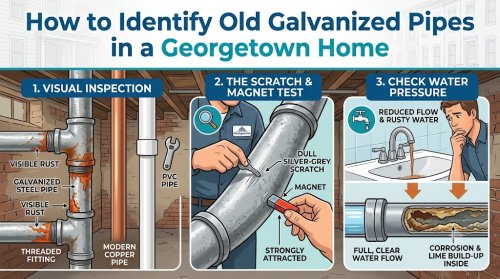
Aging Infrastructure: Many DC homes feature plumbing systems that have been modified or repaired over several decades. Old gate valves can become seized or corroded, making them difficult to turn in an emergency.
-
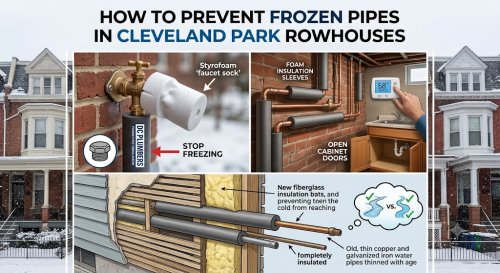
Extreme Seasonal Weather: The freeze-thaw cycle typical of the Washington, DC, area puts immense pressure on outdoor and indoor plumbing lines, leading to cracks that necessitate an immediate emergency shut-off.
-
High Municipal Pressure: The DC water system operates under significant pressure to serve various elevations across the district. Over time, this pressure causes seals and joints to weaken, leading to the leaks that require you to reach for that shut-off valve.
Signs You Should Never Ignore
Your plumbing system often gives subtle warnings before a major failure necessitates an emergency shut-off:
-
Stiff or Leaking Valves: If your shut-off valve has a small drip or feels "stuck," it needs professional attention immediately. A frozen valve is useless during a flood.
-
Water Hammer: Loud banging noises in your walls when you shut off a faucet suggest high pressure, which eventually leads to pipe fatigue and failure.
-
Rust or Corrosion: Visible orange staining around joints or valves indicates internal degradation that could lead to a sudden break.
-
Unexplained Water Bills: A spike in your utility usage often points to a "silent" leak that you will eventually need to shut off to repair.
Common Plumbing Problems Related to This Issue
Ignoring the state of your main water shut-off can lead to severe complications when a real emergency strikes:
-
Inoperable Valves: A stuck valve during a burst pipe scenario forces you to wait for a city official, resulting in massive property damage.
-
Water Heater Failures: If your water heater begins to leak, the ability to isolate it—or the entire house—is the only way to prevent a basement flood.
-
Slab Leaks: In many DC properties, leaks can occur beneath concrete foundations, requiring an immediate main line shut-off to stop soil erosion.
Step-by-Step Professional Repair Process
If you discover your main valve is broken or inoperable, a licensed plumber from Plumber in Washington DC will handle it with the following process:
-
Step 1: Inspection: We assess the current valve type and condition.
-
Step 2: Diagnosis: We determine if the valve can be serviced or requires a full replacement to meet current DC plumbing codes.
-
Step 3: Estimate: We provide a transparent quote for the parts and labor required to ensure you have a functional shut-off.
-
Step 4: Repair: We coordinate with local authorities if the water needs to be shut off at the curb or meter, then perform the replacement.
-
Step 5: Testing: We verify the new valve operates smoothly and holds pressure under load.
-
Step 6: Cleanup: We ensure the area is left clean and the valve is clearly marked for your future use.
-
Step 7: Maintenance Advice: We provide guidance on how to exercise your valve annually to prevent it from seizing.
Can You Fix It Yourself?
Shutting off your water is something every homeowner should be able to do, but replacing the valve is a different story.
-
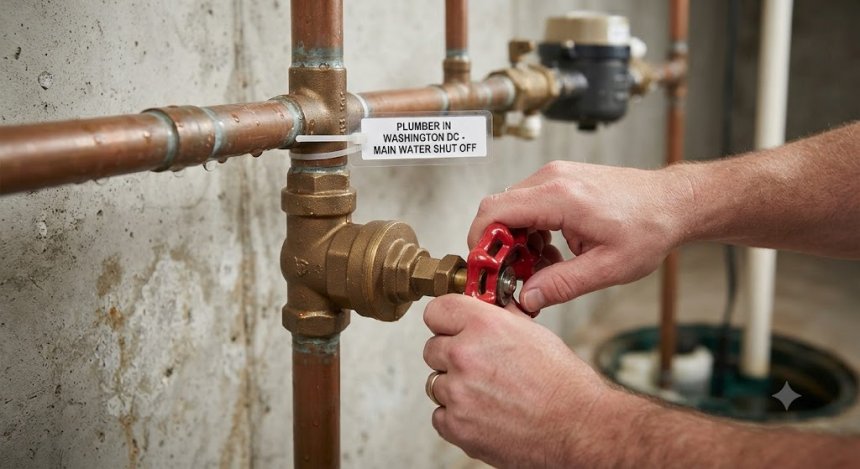
Safe DIY Solutions: Locate your valve today. If it is a lever handle, a quarter-turn is all it takes. If it is a round wheel handle, turn it clockwise until firm. Do not force it if it feels seized.
-
Temporary Fixes: If you cannot turn the main valve, learn where the curb stop or city-side shut-off is (though do not attempt to operate it without permission or proper tools).
-
When DIY Becomes Dangerous: Attempting to unscrew an old, rusted valve can snap the pipe behind the wall, leading to an immediate, uncontrollable flood. If the valve is not moving easily, call a professional.
Tools Professionals Use
Professional plumbers use high-quality equipment to ensure your water supply can be isolated when needed:
-
Valve Extractors: Used to remove seized components without damaging the surrounding pipe wall.
-
Pipe Wrenches: Heavy-duty tools that provide the torque needed for aging plumbing systems.
-
Pressure Testing Gauges: To ensure that once the new valve is installed, your system is not subjected to dangerously high pressure.
-
Water Meter Keys: Specialized tools used to access and operate municipal shut-off points when required.
How Long Does the Repair Usually Take?
-
Simple Valve Replacement: If the location is accessible, replacing a standard ball valve typically takes 1 to 2 hours.
-
Complex Repairs: If the piping is corroded or located in a difficult-to-reach crawlspace, it may take 3 to 5 hours.
-
Emergency Coordination: If city-side assistance is required, we manage the timeline to ensure the disruption to your home is minimized.
Cost Factors
-
Valve Type: Modern ball valves are more reliable than older gate valves but have different installation requirements.
-
Accessibility: Valves located in tight basement corners or behind finished cabinetry require extra labor.
-
Municipal Fees: Some repairs require coordination with local DC utility services.
-
Emergency Charges: After-hours dispatches for active flooding situations carry different service rates than scheduled maintenance.
Note: Plumbing repair costs vary depending on the severity of the problem, accessibility, materials required, emergency service, property type, and local labor rates.
Hidden Truths Homeowners Should Know
-
Valves Seize Over Time: If you don't turn your main valve at least once a year, it will likely be stuck when you need it most.
-
Cheap Replacements Fail: Installing a low-quality valve can lead to a future leak at the valve itself.
-
Insurance Caveats: Insurance companies may deny claims for water damage if you cannot prove you made reasonable efforts to mitigate the flooding (like having a working shut-off valve).
-
Hidden Leaks: A high water bill is often the first hint that a valve is failing internally, slowly letting water pass through even when it seems "off."
15 Common Mistakes Homeowners Make
-
Not knowing where the valve is: Finding it during a flood is too late.
-
Ignoring "stiff" handles: Putting off maintenance until the valve is completely seized.
-
Using too much force: Breaking the valve stem by using pliers instead of the correct tool.
-
Hiring unlicensed help: Amateur installations often lead to leaks behind walls.
-
Ignoring pressure spikes: Failing to regulate pressure, which wears out all valves in the home.
-
Forgetting the main shut-off before vacation: This simple act prevents massive water damage if a pipe bursts while you're away.
-
Neglecting the pressure relief valve: On your water heater, this is as important as your main shut-off.
-
Using the wrong pipe materials: Creating galvanic corrosion by mixing incompatible metals.
-
Over-tightening fittings: Stressing the pipe until it develops microscopic cracks.
-
Waiting for an emergency: Never practicing the shut-off process.
-
Failing to label the valve: Making it hard for family members or house-sitters to find in a panic.
-
Assuming all valves work the same: Not understanding if it's a gate or ball valve.
-
Not having a backup plan: Lacking the contact info for a 24-hour plumber.
-
Burying the valve: Covering it with storage boxes or shelving in the basement.
-
Ignoring water stains: Assuming they will "dry out" without investigating the source.
Maintenance Tips
-
Annual Exercise: Turn your main valve off and back on once a year to keep it moving.
-
Tag It: Tie a bright red tag to your main valve so it's impossible to miss.
-
Clear the Area: Keep at least three feet of space around your main shut-off valve.
-
Educate the Household: Ensure everyone in the house knows exactly where it is.
-
Seasonal Check: Before winter, ensure your outdoor hose bibs are shut off and drained.
-
Watch Your Bill: A sudden increase can signal a leak that needs isolation.
-
Smart Monitoring: Consider a smart water monitor that notifies your phone of unusual flow.
-
Professional Audit: Have us check your plumbing system every two years.
When Should You Call an Emergency Plumber?
-
Uncontrollable Flooding: If the main valve fails to stop the water.
-
Burst Pipes: If the pipe is behind a wall where you cannot reach it.
-
Gas Leaks: If you smell gas near your plumbing utility area, evacuate immediately.
-
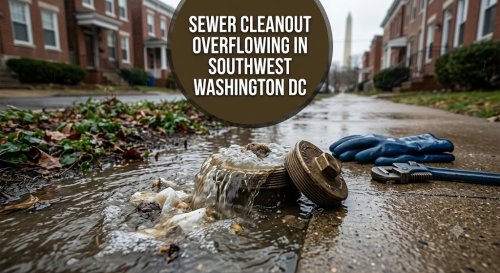
Sewage Backup: When wastewater is entering your home through drains.
Frequently Asked Questions
-
Why is my water pressure suddenly low?
It could be a failing pressure regulator or a partial blockage in the main line.
-
How much does leak detection cost?
It depends on the complexity of the plumbing layout and the tools required to isolate the leak.
-
Can a clogged drain damage pipes?
Yes, backpressure can cause older pipe joints to fail.
-
Is hydro jetting safe for old pipes?
An assessment is required; it's generally safe for modern lines but risky for severely corroded historic pipes.
-
How do I know if my sewer line is broken?
Multiple backing-up drains and foul smells are the primary indicators.
-
How long do water heaters last?
Typically 8–12 years; if it's older, be prepared to replace it.
-
Why does my faucet drip?
Usually, a worn washer or cartridge.
-
What causes pipes to burst?
Freezing temperatures and excessive pressure.
-
Can plumbing leaks increase my water bill?
Absolutely—a small leak can waste thousands of gallons.
-
When should I replace plumbing instead of repairing it?
If repairs are frequent and widespread, replacement is often more cost-effective.