Emergency Plumber Anacostia: Major Water Leak Guide
Major plumbing leak in Anacostia, DC? Learn immediate emergency steps, root causes, costs, repair methods, and when to call an emergency plumber.
How to Respond to a Major Plumbing Leak in Anacostia
A major plumbing leak can turn a calm morning in Anacostia into a costly homeowner emergency in minutes. Across Historic Anacostia, Fairlawn, Fort Stanton, and surrounding Ward 8 neighborhoods, homes range from early 20th-century brick row houses along Martin Luther King Jr. Avenue SE to renovated mid-century residences near Good Hope Road SE.
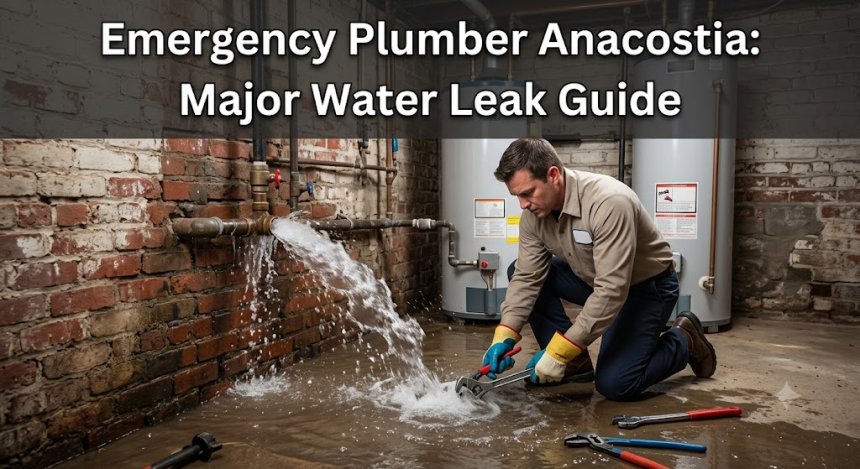
When a pressurized copper supply pipe bursts, a main water line ruptures under the front yard, or an aging ceiling pipe gives way, pressurized water rushes into living spaces at up to 80 pounds per square inch (PSI). Within an hour, hundreds of gallons of water can saturate plaster walls, ruin hardwood floors, collapse drywall ceilings, and create electrical hazards.
Knowing how to react in the first ten minutes of a water leak can save thousands of dollars in structural repairs. This guide covers immediate containment steps, root causes in Anacostia homes, professional repair methods, costs, and preventative maintenance strategies.
What Is a Major Plumbing Leak?
A major plumbing leak occurs when a pressurized water supply line, main service lateral, or major waste pipe suffers a structural breach that discharges high volumes of water uncontrollably inside or under a building structure.
Unlike a minor, slow faucet drip, a major leak involves high water volume under pressure. Left unchecked, water travels rapidly along floor joists, down wall cavities, and into basement foundations, compromising structural stability and household electrical systems.
Common Situations in Anacostia
-
In-Wall Pipe Bursting: Aged copper or galvanized steel supply lines inside plaster or drywall exterior walls splitting during cold winter months or due to internal metal fatigue.
-
Main Service Line Ruptures: Underground water main pipes cracking between the city meter box near the curb and the home's shutoff valve.
-
Ceiling & Floor Deluges: Upper-floor bathroom flex lines or toilet supply valves snapping and flooding lower-level living spaces.
Immediate Symptoms
-
The sound of rushing, spraying, or gurgling water inside walls when no faucets are running.
-
Rapidly expanding dark water stains or bulging plaster on ceilings and walls.
-
Standing water pooling across basement floors or near foundation perimeter walls.
-
A sudden, severe drop in water pressure across all household fixtures.
-
The main water meter dial spinning continuously while all indoor valves are closed.
Why Does This Plumbing Problem Happen in Anacostia?
Major leaks in Anacostia homes are rarely random events. They usually stem from a combination of historic plumbing materials, soil conditions, and municipal pressure factors.
1. Aging Galvanized and Legacy Copper Piping
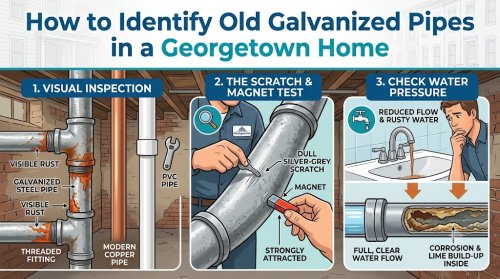
Many original homes across Historic Anacostia were constructed with galvanized iron supply pipes or thin-walled Type M copper tubing. Over decades, galvanized pipes rust internally, narrowing the pipe diameter until pressure breaches the weakened metal. Older copper lines suffer from pinhole leaks caused by aggressive water chemistry and mechanical vibration.
2. High Municipal Water Pressure
To push water across varied elevations in Southeast Washington, DC, municipal water mains maintain robust pressure. If a home's Pressure Reducing Valve (PRV) fails or is missing entirely, incoming pressure spikes above 80 PSI can blow out aging pipe joints, flex hoses, and water heater tanks.
3. Soil Movement and Tree Root Interference
The hilly terrain and clay-rich soil throughout Fort Stanton and Fairlawn undergo thermal expansion and contraction across seasons. Ground movement shifts buried main water lines, putting stress on threaded joints. Furthermore, roots from mature oak and maple trees press against underground supply lines, accelerating pipe fractures.
4. Winter Freeze-Thaw Cycles
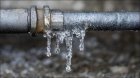
During Mid-Atlantic winter cold snaps, supply pipes running through uninsulated crawl spaces, drafty basements, or exterior brick walls freeze. Expanding ice creates hydraulic pressure up to 2,000 PSI, splitting metal and plastic pipe walls wide open.
5. Improper Historical Renovations
Previous quick-fix renovations in older row homes sometimes involved mixing incompatible metals (like joining copper directly to galvanized iron without dielectric unions), creating rapid galvanic corrosion that eats away at pipe threads until they snap.
Signs You Should Never Ignore
Plumbing systems often exhibit warning indicators prior to a catastrophic line blowout. Identifying these signs early prevents major structural flooding:
| Warning Sign | What It Indicates | Action Required |
| Pinhole Water Stains on Drywall | Micro-leak inside wall cavity actively soaking framing | Schedule leak detection immediately |
| Sudden Pressure Drop At Faucets | Major leak or fracture along main supply line | Check water meter dial; isolate supply |
| Unexplained High Water Utility Bills | Hidden underground or subfloor leak discharging continuously | Conduct main line pressure test |
| Spongy, Warm Flooring Spots | Hot water line leaking beneath concrete slab floor | Shut off water heater valve; call plumber |
| Persistent Musty Odors & Damp Air | Trapped moisture behind walls fostering mold colonies | Inspect plumbing runs with thermal camera |
| Rattling or Banging Pipes (Water Hammer) | Loose pipe straps and pressure surges damaging joints | Install water hammer arrestors / PRV |
Common Plumbing Problems Related to Major Leaks
A major supply line leak frequently causes secondary mechanical and structural failures throughout a property:
-
Slab Leaks: Water escaping from lines buried under basement concrete slabs washes away supporting soil, causing foundation cracking and floor warping.
-
Electrical System Contamination: Water flowing through wall cavities easily contacts electrical junction boxes, outlets, and panel boards, creating short circuit and fire risks.
-
Water Heater Thermal Shock: Uncontrolled line breaches cause water heaters to drain continuously, burning out electric elements or overheating gas tank bottoms.
-
Structural Plaster and Ceiling Collapses: Soaked plaster ceilings become heavy and detach from wood lath, crashing into living spaces below.
Step-by-Step Professional Repair Process
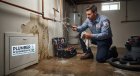
When an emergency plumber arrives at your Anacostia property during a severe leak, they execute a systematic containment and repair protocol:
[Step 1: Emergency Water Isolation & Pressure Relief]
                           │
                           ▼
[Step 2: Electronic Leak Detection & Thermal Mapping]
                           │
                           ▼
[Step 3: Site Protection & Controlled Wall/Slab Access]
                           │
                           ▼
[Step 4: Damaged Pipe Section Removal & Fitting Replacement]
                           │
                           ▼
[Step 5: System Hydrostatic Pressure & Flow Testing]
                           │
                           ▼
[Step 6: Moisture Evaluation & Antimicrobial Sanitization]
                           │
                           ▼
[Step 7: Long-Term Preventative & PRV Recommendations]
Step 1: Immediate Water Isolation
The technician verifies or enforces complete water containment by shutting off the main house valve or using specialized curb-key tools at the city water meter box along the property line.
Step 2: Non-Invasive Leak Detection
If the exact location of an in-wall or under-slab leak is unknown, the plumber uses acoustic leak detectors, nitrogen pressure testing, and infrared thermal imaging to map the leak without unnecessary demolition.
Step 3: Targeted Access & Containment
The technician opens a minimal, controlled access hole in drywall, plaster, or concrete directly over the damaged pipe zone while setting up dust barriers and drop cloths.
Step 4: Precision Pipe Section Repair
The damaged, corroded, or split pipe section is removed cleanly. The plumber installs heavy-duty Type L copper or freeze-resistant PEX tubing using commercial ProPress mechanical fittings or flame-shielded soldered couplings.
Step 5: High-Pressure System Testing
Water pressure is restored gradually while monitoring inline pressure gauges to verify that no secondary micro-cracks or weeping joints exist elsewhere on the line.
Step 6: Site Cleanup and Structural Assessment
The plumber uses pinless moisture meters to check nearby wood studs and flooring, advising whether structural drying or restoration equipment is necessary.
Can You Fix a Major Plumbing Leak Yourself?
A major pressurized water leak is not a suitable DIY project. Temporary surface patches cannot withstand standard household water pressure for long.
Safe Emergency Steps Homeowners CAN Take
-
Shut Off the Main Water Valve Immediately: Locate your main shutoff valve (usually where the main pipe enters the basement or crawl space) and turn it fully clockwise.
-
Turn Off Electrical Power to Affected Areas: If water is leaking near outlets, light fixtures, or electrical panels, shut off the main breaker switch if you can reach it safely without standing in water.
-
Open Lower Faucets to Relieve Pressure: Open basement or ground-floor tub faucets to drain remaining standing water out of vertical supply pipes and reduce overhead dripping.
-
Capture and Contain Surface Water: Place buckets under active drips and use mops or wet-vacuums to remove pooling water from finished flooring.
Dangerous DIY Practices to AVOID
-
NEVER Apply Rubber Tape or Epoxy Putty to Pressurized Lines: Pipe wrap tapes and epoxies are temporary remedies designed only for unpressurized drain lines. Under 60 PSI, water will force its way around the patch within hours.
-
NEVER Use Open Flame Torches Near Wood Framing: Attempting to solder copper pipes yourself inside old wood-framed Anacostia homes creates extreme fire hazards.
-
NEVER Leave Electrical Circuits Energized in Wet Areas: Walking into a flooded basement with active power lines poses fatal electrocution risks.
Advanced Tools Professional Plumbers Use
Modern emergency plumbing repairs rely on advanced diagnostic equipment to protect historic property interiors:
-
Acoustic Ground Microphones: Amplifies the sonic frequency of underground or under-slab water leaks to locate pipe breaches accurately.
-
FLIR Thermal Imaging Cameras: Identifies hidden moisture plumes behind plaster walls and beneath subfloors based on surface temperature differentials.
-
Hydraulic Press Tools (ProPress): Makes permanent, watertight copper fittings mechanically without using open flames near aged wood framing.
-
Digital Water Pressure Gauges: Measures static line pressure and surge patterns to diagnose failing pressure reducing valves.
How Long Does the Repair Usually Take?
Repair timelines vary based on leak location, pipe accessibility, and structural requirements:
-
Exposed Basement Pipe Repair: 1 to 2 hours.
-
In-Wall Copper Pipe Section Replacement: 2 to 4 hours.
-
Underground Main Water Service Line Repair: 4 to 8 hours.
-
Under-Slab Foundation Pipe Rerouting or Repair: 1 to 2 days.
Cost Factors in Emergency Plumbing Repairs
Understanding what shapes repair costs helps property owners make informed decisions during an emergency.
Plumbing repair costs vary depending on the severity of the problem, accessibility, materials required, emergency service, property type, and local labor rates.
Key Cost Variables
-
Emergency After-Hours Service Charges: Dispatching technicians late at night, on weekends, or during severe holiday weather events carries premium labor rates.
-
Leak Accessibility & Demolition: Fixing an exposed pipe in an open basement requires far less labor than accessing lines behind historic plaster or beneath reinforced concrete slabs.
-
Material Quality: Commercial-grade Type L copper and press-fit brass couplings carry higher material costs than standard flexible PEX tubing.
-
Equipment & Diagnostic Requirements: Specialty acoustic ground microphones, thermal cameras, and concrete core drills add specialized tool utilization fees.
-
Local DC Permitting Fees: Replacing main underground water service lines under city sidewalks or public space requires official District of Columbia permits and inspection bonds.
Hidden Truths Homeowners Should Know
-
Small pinhole leaks cause expensive structural rot: A leak discharging just a drop per second can release over 2,000 gallons of water per year directly into wall framing.
-
Cheap temporary patches fail under pressure: Rubber wraps and hose clamps eventually slip under daily thermal expansion and pressure fluctuations.
-
Homeowners insurance may reject claims for neglected leaks: Adjusters routinely deny coverage if investigation proves a leak was ongoing for months due to lack of maintenance.
-
High water pressure ruins new fixtures: Household pressure exceeding 80 PSI shortens the lifespan of water heater tanks, washing machine hoses, and toilet valves.
-
Hard water creates hidden weak points: Mineral deposits collect on pipe walls, causing localized corrosion that eats through metal under pressure.
-
DIY soldering mistakes increase repair scope: Overheating copper pipe joints melts internal pipe linings and destroys nearby valve seals.
-
Delaying leak repairs causes rapid mold growth: Mold spores begin colonizing damp drywall, plaster, and carpet padding within 24 to 48 hours.
-
Hidden leaks drive up utility bills quietly: An unnoticed underground main leak can add hundreds of dollars to your quarterly DC Water bill.
-
Old main shutoff valves freeze when forced: Legacy gate valves often snap or seize if forced aggressively during an emergency; ball valves are far more reliable.
-
Annual plumbing inspections save thousands: Having a licensed plumber test system pressure and inspect exposed supply lines annually prevents emergency callouts.
15 Common Mistakes Homeowners Make
-
Not Knowing the Main Water Shutoff Location: Searching for shutoff valves during an active burst pipe wastes critical minutes while water floods living spaces.
-
Ignoring Small Water Stains on Ceilings: Assuming a dry stain is "old" allows hidden leaks to continue rotting ceiling joists above.
-
Using Chemical Drain Cleaners on Blocked Lines: Corrosive chemicals generate heat inside pipes, softening thin copper or PVC lines and causing leaks.
-
Ignoring Rattling or Banging Pipes: Water hammer shocks pipe fittings continuously until soldered joints snap open.
-
Hiring Unlicensed Handymen for Emergency Repairs: Unlicensed contractors often lack liability insurance and fail to meet District plumbing codes.
-
Leaving Garden Hoses Connected in Autumn: Traps water inside frost-free wall hydrants, splitting interior valve bodies when winter freezing hits.
-
Skipping Pressure Regulator Checks: Operating without a functional PRV exposes home plumbing to dangerous municipal pressure surges.
-
Over-Tightening Threaded Plumbing Fittings: Cracks brass or plastic valve bodies instantly, causing slow, hidden drips behind cabinets.
-
Hanging Heavy Clothes on Exposed Basement Pipes: Places constant mechanical stress on thin copper lines, pulling joints apart over time.
-
Delaying Repairs Until Weekends or Nighttime: Waiting until an emergency occurs forces higher after-hours service charges.
-
Wrapping Insulation Over Active Leaks: Hides water accumulation without stopping the leak, accelerating wood rot behind insulation sleeves.
-
Using Incompatible Metals Without Dielectric Unions: Causes rapid galvanic corrosion that eats through pipe threads.
-
Forgetting to Turn Off Main Water During Vacation: Leaves homes unprotected against burst lines while occupants are away for extended periods.
-
Forcing Stiff or Rusted Gate Valves: Snaps valve stems internally, locking the valve in an open or partially closed position.
-
Failing to Keep Clear Access to Shutoff Valves: Blocking water valves behind boxes, drywall, or appliances prevents rapid emergency isolation.
Practical Maintenance Tips to Prevent Major Leaks
Taking proactive maintenance steps protects your Anacostia property from unexpected plumbing failures:
Daily & Monthly Protection
-
Keep the area surrounding your main water shutoff valve clear of clutter and easily accessible at all times.
-
Check under kitchen, bathroom, and laundry sinks once a month for signs of dampness, rust, or cabinet floor warping.
-
Inspect rubber washing machine hoses for cracks, bulges, or corrosion; replace them every 3 to 5 years with braided stainless steel lines.
Seasonal & Long-Term Safeguards
-
Autumn Winterization: Disconnect all outdoor garden hoses and close interior shutoff valves serving exterior hose bibbs before winter freezing sets in.
-
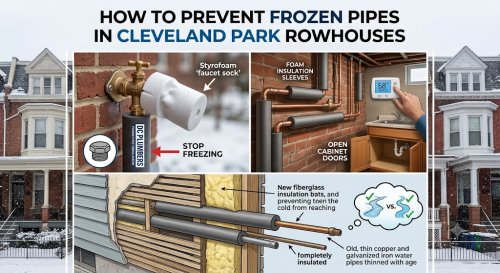
Insulate Exposed Pipes: Wrap foam pipe insulation around all supply lines running through drafty basements, unheated crawl spaces, or exterior wall cavities.
-
Test Household Water Pressure: Use an inexpensive screw-on pressure gauge to verify that household water pressure remains stable between 50 and 70 PSI.
-
Exercise Main Shutoff Valves: Turn main water shutoff valves fully off and on once a year to prevent internal valve stems from seizing.
-
Replace Old Gate Valves: Upgrade legacy multi-turn gate valves to heavy-duty, quarter-turn brass ball valves for reliable shutoff operation.
When Should You Call an Emergency Plumber?
Call an emergency plumber immediately if you encounter any of the following critical conditions:
-
Active Spraying or Flooding Water: Uncontrolled water discharging from burst pipes, main lines, or broken valves.
-
Water Leaking Near Electrical Panels or Outlets: Any water penetration threatening electrical infrastructure or ceiling light fixtures.
-
Complete Loss of Main Water Shutoff Function: Main valves that are seized, broken, or spinning without stopping incoming water.
-
Severe Ceiling Bulging or Drooping: Heavy plaster or drywall ceiling pockets holding pooled water above living areas.
Frequently Asked Questions
What is the very first thing I should do if a pipe bursts in my Anacostia home?
Turn off your main water shutoff valve immediately to stop incoming water pressure. Then, open lower-level faucets to drain remaining standing water out of vertical supply pipes and call an emergency plumber.
How do I find my main water shutoff valve?
Main shutoff valves are typically located in the basement or crawl space near the front foundation wall where the main water pipe enters from the street. They are usually situated near your water meter.
Why is my water pressure suddenly low across my whole house?
A sudden, widespread drop in water pressure usually indicates a major leak along your main water service line, a broken pressure reducing valve, or municipal main repairs in your neighborhood.
Can a small pinhole leak in a copper pipe fix itself?
No. Mineral deposits may temporarily slow a pinhole leak, but water pressure will quickly wash the crust away and enlarge the hole, leading to a major pipe failure.
How much does professional leak detection cost?
Plumbing repair and diagnostic costs vary depending on the severity of the problem, accessibility, materials required, emergency service, property type, and local labor rates.
Will homeowners insurance cover damage from a burst pipe?
Most standard policies cover sudden, accidental water damage caused by burst pipes, including structural drying and repair of damaged walls, provided the home was properly heated and maintained.
What causes water pipes to bang loudly when a faucet is turned off?
Loud banging (water hammer) is caused by sudden pressure shockwaves when flowing water stops abruptly. Loose pipe straps or missing water hammer arrestors allow pipes to slam against wall framing.
Is PEX piping better than copper for freeze resistance?
PEX (cross-linked polyethylene) is flexible and can expand slightly during freezing conditions without splitting, making it more freeze-tolerant than rigid copper tubing.
How long does a main water shutoff valve last?
Standard brass gate valves last 10 to 15 years before internal seals corrode or seize. Modern quarter-turn ball valves routinely last 20 to 30 years with minimal maintenance.
Why does my water look brown or rusty after a pipe repair?
Disturbing old galvanized or iron pipes dislodges harmless rust scale inside the lines. Running your cold water faucets for 3 to 5 minutes usually clears the water completely.
Why Choose plumber in Washington DC?
When a major plumbing leak threatens your Anacostia home or commercial property, you need a responsive local plumbing team equipped with advanced tools.
At plumber in Washington DC, we deliver reliable emergency plumbing services tailored to historic and modern properties across Washington, DC, including Anacostia, Fairlawn, Fort Stanton, Congress Heights, Bellevue, Historic Capitol Hill, and Ward 8.
-
Anacostia & Ward 8 Local Focus: We understand the unique architectural features, historic piping layouts, and municipal pressure demands of local DC row houses and single-family homes.
-
24/7 Emergency Dispatch: Our emergency technicians are on call around the clock to isolate leaks quickly and protect your building from structural water damage.
-
Upfront Flat-Rate Estimates: We perform thorough diagnostic evaluations and provide itemized estimates before starting work—no surprise fees.
-
Modern Non-Invasive Equipment: We utilize acoustic leak detectors, thermal cameras, and flameless hydraulic press tools (ProPress) to complete repairs cleanly.
-
Licensed & Fully Insured: All repairs meet District of Columbia plumbing codes, backed by quality workmanship guarantees and full liability protection.