What to Do When Your Water Heater Starts Leaking
Discover what to do when your water heater starts leaking in Washington DC. Learn causes, emergency steps, repair processes, and local plumbing tips.

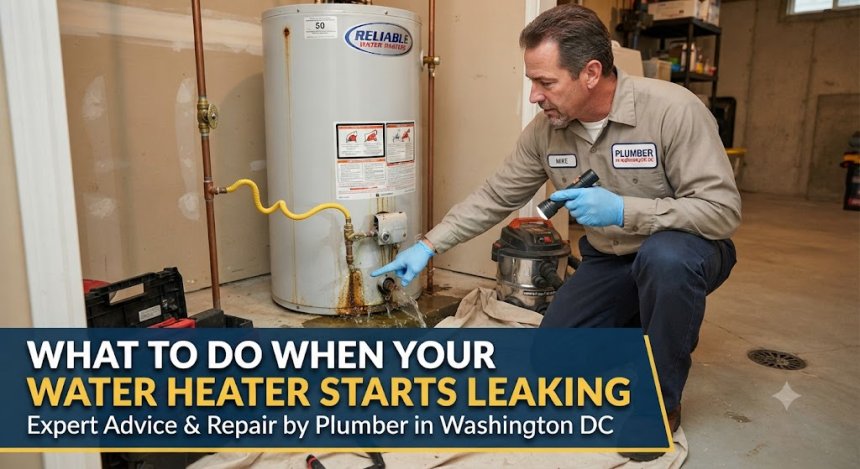
What to Do When Your Water Heater Starts Leaking
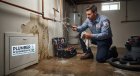
Discovering water pooling around the base of your appliance can instantly induce panic. For homeowners and business managers across Washington, DC—from historic row houses in Capitol Hill and Georgetown to residential properties in Adams Morgan and Chevy Chase—a leaking water heater is a critical household emergency.
Tank-style water heaters work tirelessly behind the scenes, holding dozens of gallons under constant thermal and hydraulic stress. When a leak appears, it is rarely a minor cosmetic issue; it is a direct sign that your system’s integrity is failing. Homeowners frequently search for this topic when they spot unexpected puddles, hear hissing sounds, or notice a sudden lack of hot water.
Knowing immediate safety steps, recognizing underlying causes, and understanding when to call a professional can prevent extensive property damage and costly structural repairs.
What Is a Leaking Water Heater?
A leaking water heater refers to any unwanted escape of water from the body, fittings, or associated valves of a gas or electric tank water heater.
-
Definition: It involves moisture breaching the internal glass-lined steel vessel, supply connections, or safety components, resulting in weeping, dripping, or active flooding.
-
Common Situations: Leaks often present themselves quietly as damp concrete in utility closets or dramatically as sudden streams of water flowing across finished basement floors.
-
Symptoms: Visible puddles, rust streaks down the tank jacket, damp insulation, low hot water output, and hissing sounds from water hitting hot burner assemblies.
-
Real-World Example: Imagine a pressurized garden hose left out in the winter sun developing a small split at a seam. As internal pressure rises, water forces its way out. That same physics applies when a water heater tank wall gives way.
Why Does This Plumbing Problem Happen?
Water heater leaks stem from a variety of mechanical failures, environmental factors, and lack of routine upkeep.
-
Aging and Internal Corrosion: Over 8 to 12 years of service, the sacrificial anode rod depletes, leaving the steel tank vulnerable to aggressive internal rust and eventual wall perforation.
-
Excessive Water Pressure: High municipal water supply pressure entering DC homes places continuous structural strain on tank seams and internal welds.
-
Thermal Expansion: As water heats up, it expands. Without a working thermal expansion tank, this trapped pressure spikes can crack tank fittings.
-
Loose Fittings and Connections: Inlet and outlet water connections, or old dielectric unions, can loosen due to thermal vibration and begin weeping.
-
Faulty Temperature and Pressure (T&P) Relief Valve: If internal tank temperatures or pressures exceed safe limits, the T&P valve opens to discharge water, sometimes failing to seal shut again.
-
Sediment Buildup: Heavy mineral scaling at the bottom of the tank creates localized overheating spots that stress the steel base plate.
Signs You Should Never Ignore
Catching early warning signs can prevent a minor component fix from turning into a full-scale flood:
-
Rust Streaks on the Tank Body: Orange or brown stains running down the side indicate active weeping from internal seams.
-
Damp Walls and High Humidity: Excessive moisture or mold growth around the utility closet points to slow, hidden leaks.
-
Discolored Hot Water: Rusty water from your taps suggests internal tank corrosion is accelerating.
-
Strange Rumbling Noises: Loud popping sounds mean heavy sediment is trapping steam and straining the tank walls.
-
Unexplained High Water Bills: A continuous silent leak from a tank fitting or pressure valve wastes thousands of gallons over time.
Common Plumbing Problems Related to This Issue
An unaddressed water heater leak frequently sparks secondary damage throughout your property:
-
Catastrophic Tank Rupture: A small weeping crack can suddenly burst, releasing 40 to 50 gallons of water into your home.
-
Electrical Hazards: Water pooling around the base of electric water heaters creates severe shock and short-circuit risks.
-
Gas Line Strain: Shifting or collapsing tanks can strain rigid gas supply lines, risking dangerous gas leaks.
-
Foundation and Floor Damage: Standing water ruins subfloors, warping hardwood and encouraging rapid mold colonization.
Step-by-Step Professional Repair Process
When you call a licensed plumbing professional to handle a leaking water heater, they follow a rigorous safety and repair protocol:
-
Step 1: Emergency Shut-Off: The plumber immediately shuts off the cold water supply valve and cuts power (or turns off the gas control valve) to ensure safety.
-
Step 2: Comprehensive Inspection: Technicians examine the tank body, fittings, valves, and venting to determine if the leak is external (repairable) or internal (requires replacement).
-
Step 3: Clear Cost Estimate: Property owners receive a transparent, upfront explanation of repair versus replacement options and associated costs.
-
Step 4: System Draining and Removal: If the tank has ruptured, the unit is drained using a hose, disconnected, and safely hauled away.
-
Step 5: Professional Installation or Repair: New replacement units or replacement valves are installed in strict compliance with local plumbing codes.
-
Step 6: Rigorous Pressure Testing: The system is refilled, pressurized, and tested for leaks while checking burner and electrical ignition.
-
Step 7: Maintenance Advice: The plumber cleans the work area and provides guidance on future sediment flushing and anode rod checks.
Can You Fix It Yourself?
Homeowners often ask what DIY steps are safe when a leak appears.
-
Safe DIY Solutions: Safely shutting off the main water supply valve to the water heater and cutting power at the circuit breaker are critical first steps.
-
Temporary Fixes: Placing towels or a wet-dry vacuum around the base to control minor puddles.
-
When DIY Becomes Dangerous: Attempting to weld a leaking steel tank wall, servicing high-voltage electrical elements, or tampering with gas control valves introduces severe risks of electrocution, gas leaks, explosion, or scalding.
-
When Professional Plumbing is Necessary: Any leak originating from the body of the tank itself means the vessel has failed and requires professional tank replacement.
Tools Professionals Use
Licensed technicians utilize specialized diagnostic and installation equipment:
-
Tubing Cutters and Propane Torches: For cleanly cutting and soldering copper water supply lines during unit replacement.
-
Digital Multimeters: To verify electrical continuity, voltage, and thermostat functionality on electric models.
-
Manometers: To test and calibrate gas supply and burner manifold pressures accurately.
-
Pipe Wrenches and Basin Wrenches: For safely securing heavy-duty dielectric unions and water connections.
-
Wet-Dry Vacuums and Transfer Pumps: To quickly clear standing water and drain heavy sediment-filled tanks.
How Long Does the Repair Usually Take?
Repair timelines depend entirely on the source of the leak:
-
Replacing a Faulty T&P Relief Valve: 45 minutes to 1 hour.
-
Fixing Loose Inlet/Outlet Connections: 1 hour.
-
Complete Water Heater Tank Replacement: 2 to 4 hours.
-
Factors Affecting Time: Tight attic or crawlspace locations, outdated piping that requires code updates, and the time required to completely drain an old, sediment-heavy tank.
Cost Factors
Understanding what influences water heater service pricing helps set realistic expectations:
-
Diagnostic Service Fees: Standard dispatch charges to evaluate the equipment.
-
Nature of the Leak: Component repairs (valves, fittings) cost significantly less than full tank replacements.
-
Labor and Time: Complexity of installation, including modifying old gas lines or electrical wiring.
-
Permit Requirements: Local municipal code compliance and permit fees where applicable.
-
Accessibility: Units located in cramped closets or finished basements require extra maneuvering time.
Plumbing repair costs vary depending on the severity of the problem, accessibility, materials required, emergency service, property type, and local labor rates.
Hidden Truths Homeowners Should Know
Expert Insight: Many homeowners believe a small drop of water at the base of a water heater is just condensation. In reality, persistent trickles are almost always microscopic tank fractures signaling that the inner glass lining has ruptured.
-
Small tank leaks never heal themselves; they inevitably widen into major floods.
-
DIY epoxy patches on tank walls are dangerous temporary illusions that fail under pressure.
-
Standard homeowner insurance policies may deny claims resulting from water damage caused by neglected, heavily rusted appliances.
-
Annual flushing and anode rod maintenance can easily double the operational lifespan of your water heater.
-
Delaying replacement of a leaking unit risks severe property destruction and emergency after-hours surcharges.
15 Common Mistakes Homeowners Make
-
Ignoring minor puddles under the assumption that it is just casual condensation.
-
Attempting to weld or epoxy a rusted, leaking steel water heater tank.
-
Failing to shut off power or gas before investigating appliance leaks.
-
Hiring unlicensed handymen instead of certified plumbing professionals.
-
Skipping annual tank flushes, allowing mineral scale to overheat the bottom plate.
-
Neglecting to inspect the sacrificial anode rod every 2 to 3 years.
-
Setting thermostat temperatures too high (above 140°F), accelerating tank corrosion.
-
Failing to install a thermal expansion tank to absorb closed-system pressure spikes.
-
Leaving flammable boxes and chemicals stored directly around the water heater base.
-
Over-tightening old brass fittings, causing cracked tank threads.
-
Ignoring a constantly dripping T&P relief valve until it fails entirely.
-
Waiting until a weekend or holiday to address known, slow tank weeping.
-
Using incorrect pipe materials that cause galvanic corrosion when joined together.
-
Forgetting to locate the main emergency water shut-off valve before an emergency occurs.
-
Assuming all leaks are external when the tank vessel itself has structurally failed.
Maintenance Tips
-
Flush your water heater tank once a year to remove loose mineral sediment.
-
Inspect the sacrificial anode rod annually; replace it when the steel core is exposed.
-
Test your T&P relief valve semi-annually by gently lifting the lever to ensure proper operation.
-
Keep the area around your water heater clean, dry, and free of dust and debris.
-
Insulate older storage tanks with an approved thermal blanket to reduce standby heat loss.
-
Wrap accessible hot water pipes to improve delivery speed and energy conservation.
-
Install a whole-home water softener if you live in an area with high mineral content.
-
Check combustion flames on gas units periodically; they should burn steady blue.
-
Mark your calendar for professional tune-ups ahead of heavy winter demand.
-
Know the exact age of your water heater to plan for replacement before failure strikes.
When Should You Call an Emergency Plumber?
Certain leaking scenarios require immediate emergency dispatch:
-
Active Tank Rupture: Water pouring uncontrollably from the body of the storage vessel.
-
Gas Odors: A distinct sulfur or rotten egg smell near the gas control valve.
-
Sizzling Burners: Water actively leaking downward onto an active gas burner assembly.
-
Electrical Sparking: Water pooling around live electrical wiring or control boxes.
-
Extensive Basement Flooding: Rapidly rising water threatening living spaces and foundational drywall.
Frequently Asked Questions
Why is my water pressure suddenly low throughout the house?
Sudden pressure drops are typically caused by main water shut-off valve issues, pressure reducing valve failure, or mineral debris breaking loose and plugging fixture aerators.
How much does leak detection cost?
Professional leak detection varies based on property layout and equipment required, combining a standard diagnostic service fee with advanced acoustic or thermal scanning.
Can a clogged drain damage pipes?
Yes. Standing wastewater and trapped internal pressure place immense strain on pipe walls, leading to joint leaks and structural weakening over time.
Is hydro jetting safe for old pipes?
Hydro jetting requires an experienced professional inspection first. While excellent for sturdy lines, fragile or severely corroded vintage pipes may require alternative methods.
How do I know if my sewer line is broken?
Clear indicators include multiple simultaneous fixture backups, foul sewage smells in your yard, soggy lawn patches, and gurgling toilets.
How long do water heaters last?
Standard tank-style water heaters generally provide reliable service for 8 to 12 years depending on water hardness and routine maintenance.
Why does my faucet drip?
Dripping faucets are usually caused by worn rubber washers, deteriorated O-rings, or corroded valve seats inside the fixture cartridge.
What causes pipes to burst?
Pipes most commonly burst from freezing winter weather expansion or from severe internal pressure spikes and advanced age-related corrosion.
Can plumbing leaks increase my water bill?
Even a slow, hidden pinhole leak or running toilet can waste thousands of gallons monthly, causing a sharp spike in utility costs.
When should I replace plumbing instead of repairing it?
Replacement is recommended when plumbing systems experience widespread structural failure, recurring leaks, or severe interior scale accumulation.