Emergency Plumber in Georgetown: Fix Sudden Sewer Backup
Sudden sewer backup in Georgetown, DC? Learn immediate safety steps, root causes, professional repair options, and when to call an emergency plumber.
What to Do When Sewage Backs Up in Your Georgetown Home
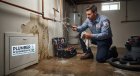
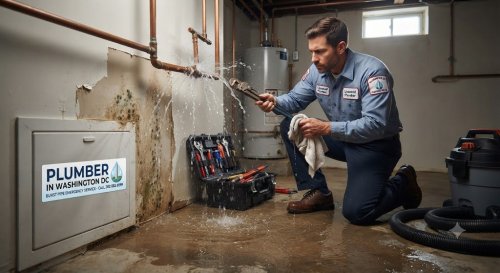
A sudden sewer backup is one of the most stressful plumbing emergencies a property owner can face. In a split second, wastewater that should be safely flowing out to the municipal main starts reversing direction, rising up through basement floor drains, bathtubs, showers, and toilets.
In historic Washington, DC neighborhoods like Georgetown, sewer backups carry unique challenges. Many homes here feature brick foundations, historic copper or lead connections, and underground clay lateral pipes built decades ago. Shared walls in row houses and dense tree canopy along streets mean a sewer blockage in one spot can quickly affect adjacent spaces or lower-level apartments.
When dark water or a foul sulfur odor appears near your drains, speed and correct action matter. Taking the right safety steps immediately will protect your health, limit structural damage to floors and drywall, and prevent costly remediation before an emergency plumber arrives at your door.
What Is an Emergency Sewer Backup?
A sewer backup occurs when an obstruction, pipe collapse, or public sewer overload prevents domestic wastewater from leaving your property. Instead of draining away by gravity, wastewater accumulates in the main line and seeks the path of least resistance—typically the lowest plumbing fixtures in your building.
Common Situations
-
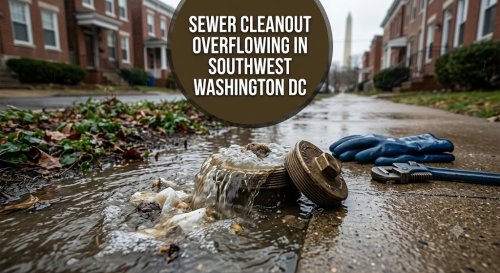
Basement Floor Drain Flooding: Raw wastewater pools around floor drains in finished or unfinished basements during heavy rains or laundry cycles.
-
Fixture Recirculation: Flushing an upstairs toilet causes dark, murky water to bubble up in a main floor tub or basement shower.
-
Commercial Restroom Shutdowns: Shops, restaurants, and offices along M Street or Wisconsin Avenue experiencing multi-toilet backups that force an immediate business pause.
Symptoms to Watch For
-
Multiple plumbing fixtures draining slowly or gurgling simultaneously.
-
Persistent sewage odors resembling rotten eggs or damp earth indoors.
-
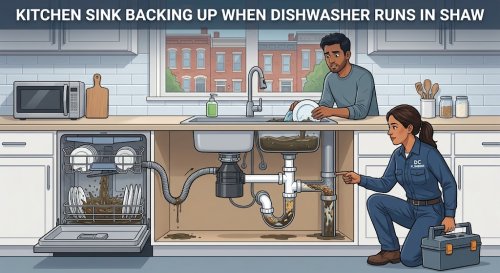
Water rising in lower shower drains when running a washing machine or dishwasher.
-
Damp spots, efflorescence, or unexpected green, lush patches over your front yard sewer line path.
Why Does a Sudden Sewer Backup Happen in Georgetown?
Sewer main lines rarely fail without a clear physical underlying cause. Understanding why your main line blocked up helps determine whether you need a simple drain clearing or a permanent line replacement.
1. Intruding Tree Roots
Georgetown’s mature shade trees send root networks deep into the soil searching for moisture and nutrients. Old terra-cotta clay and cast iron sewer pipes feature joints every few feet. Microscopic cracks allow tree hair-roots to enter. Once inside, roots feed on wastewater, growing into thick mats that trap toilet paper and grease until the line closes off completely.
2. Aging and Deteriorated Pipe Materials
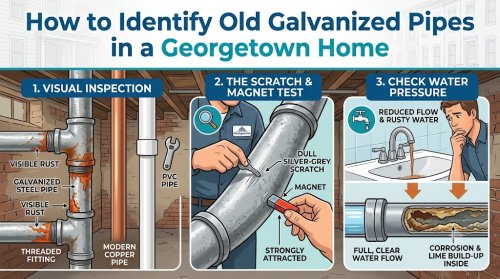
Many historic properties built prior to 1960 still rely on cast iron, clay, or Bituminous fiber (Orangeburg) sewer pipes. Over 50 to 100 years, cast iron corrodes internally, creating rough "scale" that catches solids. Clay pipes crack under ground movement, while Orangeburg pipes flatten and collapse under soil weight.
3. Grease, Oil, and Foreign Debris
Cooking fats poured down kitchen sinks travel down waste lines and cool into thick, waxy blockages. When combined with non-flushable wipes, feminine products, paper towels, and dental floss, these materials form dense masses (often called fatbergs) that completely seal main lines.
4. Pipe Sags or "Bellies"
Ground settling, heavy vehicle traffic overhead, or improper original installation can cause a section of sewer pipe to sag downward. Gravity slows down inside this low point, allowing heavy solids and grease to settle at the bottom of the dip until a total blockage forms.
5. Municipal Sewer Line Overflows
During severe Mid-Atlantic downpours, DC’s municipal storm and sanitary sewer systems can become overwhelmed with rainwater runoff. If municipal mains fill past capacity, water can push backward into private lateral lines lacking backflow prevention valves.
Signs You Should Never Ignore Before a Sewer Backup
Sewer lines usually give clear warnings before a complete backup occurs. Catching these early warning signs can save thousands in emergency cleanup expenses:
| Warning Sign | What It Indicates | Action Needed |
| Gurgling Toilets or Drains | Air trapped behind a growing main line obstruction | Schedule a video sewer inspection immediately |
| Slow Drainage Across All Fixtures | Main line restricted downstream from the house stack | Avoid running heavy water loads like laundry |
| Sewage Odors near Floor Drains | Dried P-traps or sewer gas venting back into living spaces | Run water into drains; call a plumber if odor persists |
| Sinks Overflowing During Toilet Flush | Branch drain or main stack blockage | Stop using all water and call for emergency clearing |
| Frequent Toilet Clogs Without Clear Reason | Main sewer lateral obstruction | Inspect line with an inline sewer camera |
Common Plumbing Problems Related to Sewer Backups
When a sewer lateral backs up, secondary plumbing failures often occur across the property:
-
Slab Leaks and Foundation Dampness: Water under pressure behind a blockage can leak through old pipe joints directly beneath concrete foundation slabs.
-
Basement Mold Outbreaks: High relative humidity and organic waste residue create ideal conditions for mold growth on drywall within 24 to 48 hours.
-
Corroded Drain Stacks: Standing acidic wastewater inside vertical cast iron stacks accelerates pipe corrosion and rust flaking.
-
Submersible Sump Pump Overload: Ground seepage entering perimeter French drains can overload sump systems during sewer line leaks.
Step-by-Step Professional Sewer Repair Process
When you contact a licensed emergency plumber in Georgetown, a systematic approach ensures the issue is diagnosed and corrected safely without unnecessary damage to your home:
[Step 1: Emergency Site Assessment & Containment]
                       │
                       ▼
[Step 2: Video Camera Pipeline Inspection]
                       │
                       ▼
[Step 3: Upfront Diagnosis & Options Review]
                       │
                       ▼
[Step 4: Main Line Clearing or Trenchless Repair]
                       │
                       ▼
[Step 5: Post-Repair Flow & Camera Testing]
                       │
                       ▼
[Step 6: Area Sanitization & Cleanup Guidance]
                       │
                       ▼
[Step 7: Preventative Maintenance & Warranty Setup]
Step 1: Emergency Inspection and Containment
The technician inspects the lowest drains, locates your main sewer cleanout access point, and ensures electrical circuits near standing water are safe.
Step 2: High-Definition Camera Inspection
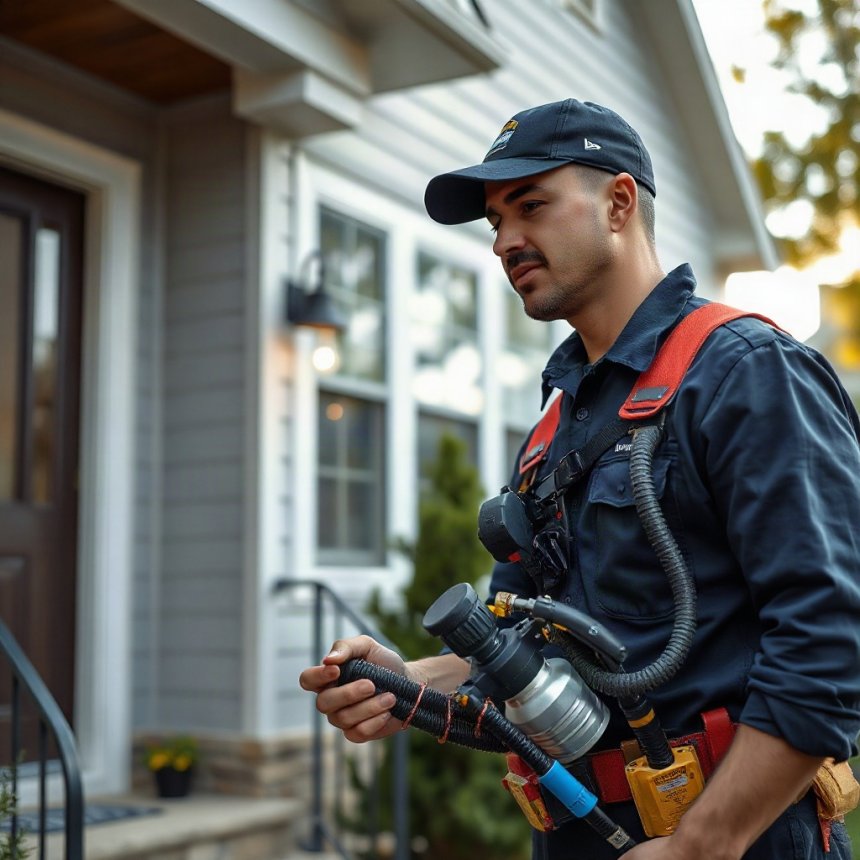
A specialized waterproof sewer camera on a flexible push-cable is inserted into the main line. The plumber views live color footage to identify the exact depth, location, and cause of the backup (roots, pipe crack, grease ball, or bellied pipe).
Step 3: Transparent Repair Plan and Estimate
The plumber explains the findings and offers clear repair methods—ranging from heavy-duty mechanical snaking and hydro jetting to modern trenchless pipe lining or excavation.
Step 4: Active Repair Execution
-
Hydro Jetting: High-pressure water streams (up to 4,000 PSI) scour line walls, slicing through thick tree roots and flushing grease away completely.
-
Trenchless CIPP Lining: If the pipe is cracked, an epoxy-saturated liner is pulled through the original line and cured in place, creating a smooth "pipe-within-a-pipe" without destroying historic landscaping or sidewalks.
-
Traditional Excavation: Used when a pipe has completely collapsed or lost structural integrity.
Step 5: Verification Testing
A second camera pass confirms that the sewer lateral is completely clear, smooth, and flowing properly at standard pitch.
Step 6: Site Cleaning Guidance
The plumber applies commercial-grade anti-microbial treatments to affected floor drains to eliminate bacteria and stop odors from spreading.
Can You Fix a Sewer Backup Yourself?
A main sewer line backup is not a suitable DIY project. Main sewer lines carry raw sewage containing harmful bacteria, viruses, and parasites that pose serious health risks without proper protective gear and commercial equipment.
Safe DIY Steps You CAN Take Immediately
-
Stop All Water Usage: Do not flush toilets, run dishwashers, take showers, or operate washing machines. Every drop of water going down any drain adds to the basement backup.
-
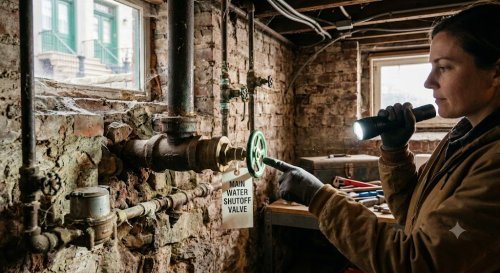
Shut Off the Main Water Supply: Turn your main water valve clockwise to prevent accidental water usage by family members or tenants.
-
Keep Children and Pets Away: Isolate flooded areas to prevent contact with biohazardous wastewater.
-
Do NOT Use Chemical Drain Cleaners: Pouring caustic chemical drain openers into a backed-up main line creates a pool of burning chemicals that will not dissolve tree roots or dense grease, while posing danger to the plumber who services the line.
Advanced Tools Professional Plumbers Use
Modern emergency plumbing relies on specialized technology to resolve complex sewer issues quickly and cleanly:
-
Sewer Scope Camera Systems: Self-leveling color cameras equipped with radio transmitters to map underground pipe depth and position.
-
High-Pressure Hydro Jetters: Commercial units mounted on vans or trailers engineered to blast away scale, grease, and roots using targeted water pressure.
-
Electromagnetic Pipe Locators: Pinpoints the exact surface spot above a damaged underground pipe section, preventing unnecessary lawn digging.
-
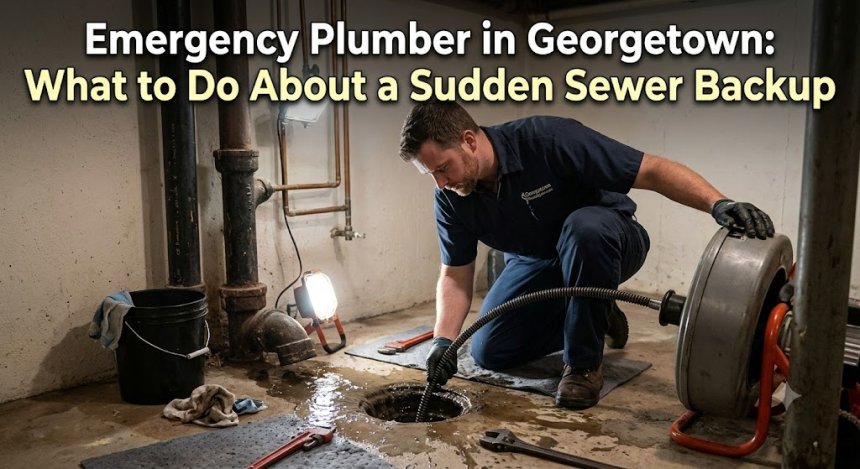
Sectional Drain Machines: Heavy-duty motorized augers equipped with hardened steel root-cutting blades to break up tough obstructions.
-
Cured-In-Place Pipe (CIPP) Lining Rigs: Epoxy inversion drums and heating equipment used to restore damaged pipes non-invasively.
How Long Does Emergency Sewer Repair Take?
The duration of a sewer line repair depends on the underlying cause and repair accessibility:
-
Standard Snake or Hydro Jetting Clearing: 1 to 3 hours.
-
Cleanout Installation (Adding access port): 3 to 6 hours.
-
Trenchless Pipe Relining (CIPP): 1 full day (6 to 10 hours).
-
Full Underground Excavation and Pipe Replacement: 1 to 2 days (includes utility marking, city permits, and backfilling).
Cost Factors in Emergency Sewer Backup Repairs
Understanding what drives the cost of an emergency plumbing repair helps you make informed choices during a stressful situation.
Plumbing repair costs vary depending on the severity of the problem, accessibility, materials required, emergency service, property type, and local labor rates.
Key Cost Considerations
-
Emergency Dispatch Timing: After-hours, weekend, or holiday emergency calls involve higher dispatch rates than standard weekday scheduling.
-
Pipe Accessibility: Indoor cleanouts are easier to access than deep underground lines located beneath brick pavers, concrete driveways, or street corridors.
-
Repair Method Chosen: Hydro jetting carries a lower initial cost than structural trenchless relining or full-line excavation.
-
Permits and City Regulations: Major street cut repairs in Washington, DC require city utility permits and traffic control setups.
Hidden Truths Homeowners Should Know
-
Small slow drains become expensive emergency backups: Ignoring a sluggish toilet or bathroom sink gives roots and debris time to seal off your main line completely.
-
Cheap temporary fixes often fail: Chemical drain sprays and small hand snakes only poke tiny holes in main line clogs, leading to another backup days later.
-
Standard home insurance may not cover sewer backups: Most standard policies exclude water backup unless you purchased a specific Sewer and Drain Backup endorsement.
-
Tree roots will repeatedly damage sewer lines: Clearing roots with a snake is a temporary maintenance fix; roots will grow back within 6 to 12 months unless the pipe is sealed or replaced.
-
Hard water and internal scale shorten pipe lifespan: Mineral deposits create rough interior walls inside cast iron pipes that trap paper and debris continuously.
-
DIY mistakes increase repair costs: Forcing flexible DIY cables into old pipes can break brittle clay walls or get the cable permanently stuck inside the line.
-
Delaying repairs causes structural damage: Sewage resting against wood framing or drywall ruins building materials and requires costly structural remediation.
-
Hidden lateral leaks increase utility bills and ruin soil: Cracks in main water or sewer lines wash away supporting soil beneath walkways and foundations.
-
Mold develops quickly: Toxic mold colonies begin forming on damp organic surfaces within 24 to 48 hours following sewage exposure.
-
Annual maintenance saves money: Routine sewer video inspections spot minor root intrusions and pipe sags years before they cause a catastrophic flood.
15 Common Mistakes Homeowners Make
-
Flushing "Flushable" Wipes: Wipes do not break down like toilet paper and are a leading cause of residential main line blockages.
-
Pouring Fats, Oils, and Grease (FOG) Down the Kitchen Sink: Grease coats pipe walls and hardens into solid blockages downstream.
-
Ignoring Recurring Gurgling Noises in Toilets: Gurgling is the early sign of air trapped by a developing main line clog.
-
Using Harsh Chemical Drain Cleaners in Main Lines: Chemical cleaners heat up and corrode aging pipes without removing real obstructions.
-
Hiring Unlicensed Handymen for Main Line Repairs: Unlicensed workers lack specialized camera equipment, insurance, and local DC code knowledge.
-
Flushing Paper Towels, Tissues, or Feminine Products: These materials are engineered to hold together when wet and quickly catch on pipe interior scale.
-
Planting Water-Loving Trees Directly Over Sewer Laterals: Willows, maples, and oaks send aggressive roots directly toward moist sewer joints.
-
Skipping Regular Sump Pump and Backflow Valve Maintenance: Failing to test protective valves leaves lower floors unprotected during municipal surcharges.
-
Waiting Until Weekend Emergencies to Address Slow Drains: Delaying routine service turns manageable daytime maintenance into expensive emergency calls.
-
Over-Tightening Cleanout Plugs and Pipe Fittings: Excessive force cracks plastic cleanouts and strips threads on metal caps.
-
Using the Wrong Pipe Materials for Underground Repairs: Mixing incompatible materials without proper transition couplings causes joint leaks.
-
Forgetting to Mark Underground Utilities Before Landscaping Digging: Unintentional spade or auger contact damages private sewer lines.
-
Allowing Cat Litter or Construction Dust Down Drains: Heavy mineral materials settle in pipe sags and harden into solid cement-like masses.
-
Failing to Keep Outdoor Sewer Cleanout Caps Sealed: Broken cleanout caps let yards debris, rocks, and storm runoff pour straight into sewer lines.
-
Assuming All Plumbers Have Advanced Video and Jetting Gear: Always confirm that your contractor carries high-definition sewer cameras and commercial hydro jetters on board.
Maintenance Tips to Prevent Sewer Backups
Preventative care keeps your main drain flowing smoothly and extends the life of historic piping:
Daily Drain Best Practices
-
Dispose of cooking grease, fats, and oils in sealable trash containers—never down the drain.
-
Install mesh strainers over tub, shower, and sink drains to catch hair and soap scum.
-
Flush only organic waste and standard toilet paper down toilets.
Seasonal & Preventative Steps
-
Spring Inspection: Schedule an annual video camera inspection of your sewer lateral if your property has large shade trees nearby.
-
Fall Line Flushing: Have an emergency plumber perform preventative hydro jetting every 2 to 3 years to clear accumulated grease and fine roots.
-
Winter Protection: Keep basement temperatures above 55°F to protect low-lying water supply and waste lines from freezing.
-
Install a Backwater Valve: Ask a licensed plumber to install an automatic sewer backflow valve on lower basement waste lines to block municipal main overflows.
When Should You Call an Emergency Plumber?
Contact a professional plumber immediately if you observe any of these red-flag situations:
-
Multi-Fixture Backups: Wastewater rising in tubs or floor drains whenever a toilet is flushed.
-
Active Sewage Overflow: Raw sewage actively spilling onto basement floors or lower-level living spaces.
-
Foul Gas Odors: Strong, persistent sulfur smells spreading through living spaces.
-
Complete System Blockage: No fixtures in the entire building are draining, and main line pressure is rising.
Frequently Asked Questions
Why is sewage coming up through my basement floor drain?
Your basement floor drain is connected to your property’s lowest point on the main sewer line. When an obstruction blocks the pipe further downstream, wastewater accumulates and backs up out of this lowest opening first.
Is hydro jetting safe for older clay or cast iron pipes?
Yes, when performed by a trained plumber who adjusts water pressure to match the age and structural condition of the pipe after conducting a camera inspection.
How do I know if the clog is in my private line or the city's main?
If only your home’s fixtures are backing up, the problem is in your private sewer lateral line. If neighboring properties or street manholes are also overflowing, the main municipal line is clogged.
How much does a video sewer camera inspection cost?
Costs vary based on line access and emergency timing, but many plumbers offer video inspections as part of an overall emergency diagnostic service.
Can tree roots ruin a sewer line completely?
Yes. Left unaddressed, growing tree roots shatter clay pipes, break cast iron joints, and cause complete structural line collapse over time.
What is trenchless pipe lining, and does it require digging up my yard?
Trenchless CIPP pipe lining creates a brand-new epoxy liner inside your existing pipe using small access points, saving lawns, driveways, and historic stone pathways from heavy excavation.
How often should I have my main sewer line cleared?
Homes with mature trees or old cast iron pipes should have their sewer lateral inspected annually and hydro-jetted every 2 to 3 years.
What should I use to clean up after a sewage backup?
Wear heavy rubber gloves and boots. Remove standing liquid, discard contaminated porous materials like carpet padding, and sanitize hard surfaces with EPA-registered disinfectants.
Why does my toilet gurgle when my washing machine drains?
The washing machine discharges a high volume of water rapidly. A partial restriction in your main stack or sewer line forces trapped air up through the toilet trap, causing a gurgling sound.
Will a standard plumber handle biohazard sewage cleanup?
Plumbers clear the blockage, repair the line, and apply localized anti-microbial treatments to the immediate repair area. Extensive water restoration and carpet drying usually require a certified restoration specialist.
Why Choose plumber in Washington DC?
When dealing with a sudden sewer backup in Georgetown or surrounding DC neighborhoods, you need an experienced team that responds fast with the right diagnostic technology.
At plumber in Washington DC, we bring extensive local expertise to every emergency service call:
-
Georgetown Infrastructure Knowledge: We understand the nuances of historic properties, aged clay and cast iron pipe networks, and local DC municipality standards.
-
24/7 Rapid Emergency Response: Our plumbers arrive equipped with heavy-duty drain cleaning machines, hydro jetters, and video cameras to resolve emergencies on the spot.
-
Upfront Transparent Estimates: You receive clear diagnostic information and transparent flat-rate pricing options before any work begins.
-
Non-Invasive Diagnostic Tools: We use high-definition camera technology to pinpoint pipe problems precisely without unnecessary digging.
-
Licensed & Insured Plumbing Professionals: Our technicians are fully certified, polite, and committed to high-quality workmanship and site cleanliness.